Find Hexagon Male Hydraulic Hose Adapters for Excavators, Industry, and High-Pressure Systems
Source 30 Hexagon Male Hydraulic Hose Adapters suitable for excavators, industrial machinery, and high-pressure applications. Compare specifications including material, surface treatment, and thread types from verified suppliers offering stainless steel, carbon steel, and medium carbon steel options.
Key considerations
Products List


Carbon Steel External Hexagonal Joint Fitting Hydraulic Hose Adapters Plain
$0.20 - $0.90
MOQ: 1000 Pieces


Carbon Steel External Hexagonal Joint Fitting Hydraulic Hose Adapters Black
$0.20 - $0.90
MOQ: 1000 Pieces


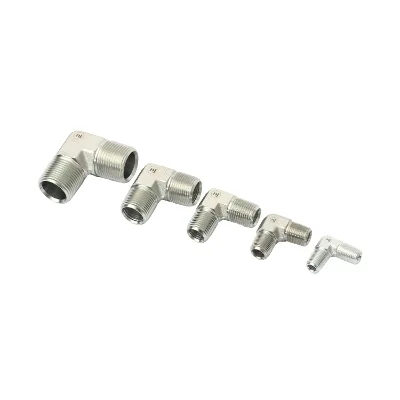


Comprehensive Sourcing Guide
Strategic Sourcing Guide for Hexagon Male Hydraulic Hose Adapters
The procurement of Hexagon Male Hydraulic Hose Adapters requires a disciplined approach that balances technical precision with supply chain reliability. These components serve as critical interfaces in fluid power systems, ensuring leak-free connections between hoses and machinery. When sourcing these items, buyers must navigate a complex landscape of material specifications, surface treatments, and standard compliance. The following guide outlines the essential factors for evaluating potential suppliers and selecting the correct adapter configurations for industrial applications.
Technical Specifications and Material Composition
The foundation of a successful procurement strategy lies in understanding the precise technical attributes of the product. For Hexagon Male Hydraulic Hose Adapters, the head type is a primary identifier. The hexagon shape is specifically designed to provide a secure grip for wrenches during installation and maintenance, preventing slippage and ensuring consistent torque application. This head type is distinct from round heads and is essential for high-vibration environments where loose fittings can lead to catastrophic failure.
Material selection is equally critical, as the adapter must withstand internal pressure and external environmental factors. The supply market offers a variety of base materials, including stainless steel, carbon steel, and medium carbon steel. Stainless steel is often preferred for applications requiring corrosion resistance, while carbon steel and medium carbon steel are common for general industrial use where cost-effectiveness is a priority. Buyers must verify the specific material grade for each order, as the performance characteristics vary significantly between these options.
The connection type defines the interface geometry. In the context of hexagon male adapters, the male thread is the external feature that screws into a female port. This configuration is standard for connecting hoses to equipment. The thread type is typically an external thread, which must match the internal thread of the receiving port to ensure a proper seal. The size specifications can vary widely, ranging from specific model numbers like 1CH-14-12 or 1CM-16-22 to broader categories labeled as "All" sizes. Procurement teams should not assume a single size fits all requirements; instead, they must cross-reference the specific model numbers with the hydraulic system's pressure ratings and port dimensions.
Compliance, Standards, and Certification Verification
Ensuring that hydraulic adapters meet industry standards is non-negotiable for safety and operational continuity. The market data indicates the presence of DIN standards, which are widely recognized in international engineering. Buyers should explicitly request documentation confirming that the adapters comply with relevant DIN specifications for thread dimensions and tolerances. While some listings mention a standard of "0.2kg," this appears to be a weight specification rather than a formal standard code; therefore, reliance on recognized engineering standards like DIN is essential for verifying dimensional accuracy.
Certification status is another vital area of verification. The supply chain includes products associated with ISO certification, which indicates that the manufacturer adheres to international quality management systems. However, buyers must treat certification claims as observations that require validation. It is prudent to request current ISO certificates and verify their scope to ensure they cover the specific manufacturing processes for hydraulic fittings. Additionally, the "Installation: Flared Type" attribute suggests that some adapters may be designed for flared connections, which differ from threaded connections. Buyers must confirm whether the product requires a flared hose end or a standard threaded end to avoid compatibility issues during installation.
Cost Drivers and Pricing Dynamics
Understanding the cost structure of Hexagon Male Hydraulic Hose Adapters helps buyers negotiate effectively and budget accurately. The observed price range in the market spans from $0.01 to $20.00 USD. This wide variance is driven by several factors, including material type, surface treatment, and order volume. Stainless steel adapters will naturally command a higher price point than carbon steel equivalents due to material costs. Similarly, specialized surface treatments like chrome plating or zinc plating add to the manufacturing cost but provide enhanced durability against corrosion and wear.
The Minimum Order Quantity (MOQ) is a significant cost driver, with observed ranges from 1 to 1000 units. Buyers with low-volume needs may face higher per-unit costs if suppliers enforce a high MOQ, while those capable of bulk purchasing can leverage economies of scale. Some suppliers offer customization options, which can influence pricing. Customization allows for specific thread lengths, unique head dimensions, or tailored packaging, but these bespoke requirements often come with a premium. Additionally, payment terms such as TT (Telegraphic Transfer) or LC (Letter of Credit) can impact the final cost, as different terms may carry different financial risks and administrative fees for the buyer.
Typical Applications and Operational Environments
Hexagon Male Hydraulic Hose Adapters are versatile components used across various sectors, with a notable presence in the construction and heavy machinery industries. The "Excavator" application is a primary use case, where these adapters connect hydraulic hoses to the boom, arm, and bucket cylinders. In this environment, the adapters must withstand high pressure, high temperatures, and constant vibration. The "Industry" application is broader, covering manufacturing plants, agricultural machinery, and mobile equipment.
The operational environment dictates the necessary performance characteristics. For high-pressure systems, the adapter material and thread integrity are paramount. The supply data mentions "High Pressure" and "High Temperature" as key attributes, indicating that certain adapters are engineered for extreme conditions. In such scenarios, the surface treatment becomes crucial; galvanized or zinc-plated finishes provide a barrier against rust and chemical degradation. Conversely, for general industrial use where pressure and temperature are moderate, standard carbon steel with basic surface treatments may suffice. The "Wheel Hub" attribute in the data suggests that some adapters may be integrated into wheel hub assemblies, highlighting their role in heavy-duty vehicle maintenance.
Supplier Evaluation and Quality Assurance
Evaluating suppliers requires a systematic approach to ensure reliability and product consistency. The origin of the products is predominantly China, which is a major manufacturing hub for hydraulic components. Buyers should verify the supplier's production capabilities and quality control processes. The presence of "High Level" quality attributes in product listings is a positive indicator, but it should be supported by tangible evidence such as test reports or third-party inspections.
Quality control should extend to the packaging and logistics. The data indicates packaging options ranging from "60PCS/Box" to "by Cartons" or "as Customer's Request." Proper packaging is essential to prevent damage during transit, especially for precision-machined threads. Buyers should ensure that the packaging protects the adapters from moisture and physical impact. Furthermore, the "Stock: Yes" attribute suggests that some suppliers maintain inventory, which can reduce lead times. However, buyers must confirm the actual availability of specific models, as stock levels can fluctuate.
Lead time is another critical factor in supplier evaluation. A standard lead time of 30 days is observed in the market, but this can vary based on customization requirements and order volume. Buyers should negotiate clear delivery schedules and include penalties for delays in their contracts. The ability to provide "Lowest" price claims should be scrutinized against the total cost of ownership, including shipping, duties, and potential quality issues.
Long-Term Procurement Considerations
Sourcing Hexagon Male Hydraulic Hose Adapters is not a one-time transaction but part of a long-term supply chain strategy. Buyers should consider the scalability of their supplier relationships. As operational needs grow, the ability to increase order volumes without compromising quality or lead time is essential. The availability of customization options allows buyers to adapt to changing system requirements without needing to source entirely new components.
Maintenance and replacement cycles should also influence procurement decisions. Adapters with superior surface treatments like chrome or galvanized finishes may have a longer service life, reducing the frequency of replacements. This long-term durability can offset higher initial costs. Additionally, the standardization of components across different machinery fleets can simplify inventory management. By selecting adapters that conform to widely accepted standards like DIN, buyers ensure that replacement parts are readily available from multiple sources, reducing the risk of supply chain disruptions.
Comparative Analysis of Product Attributes
To assist in decision-making, the following table summarizes key attributes observed in the market for Hexagon Male Hydraulic Hose Adapters. This comparison highlights the variations in material, finish, and specifications that buyers must evaluate.
| Attribute | Observed Options | Implication for Procurement |
|---|---|---|
| Material | Stainless Steel, Carbon Steel, Medium Carbon Steel | Select based on corrosion resistance vs. cost; Stainless for harsh environments. |
| Head Type | Hexagon, Round | Hexagon is preferred for wrench access; Round may be for specific tools. |
| Surface Treatment | Without Treatment, Galvanized, Chrome, Zinc-Plated | Galvanized/Chrome/Zinc for corrosion resistance; Untreated for internal use. |
| Connection | Male, Female | Male adapters connect to female ports; verify system port type. |
| Standard | DIN, 0.2kg (Weight), 252020 (Dimensions) | Prioritize DIN for dimensional compliance; verify other specs individually. |
| Application | Excavator, Industry, Wheel Hub | Match adapter rating to machine pressure and vibration levels. |
| Packaging | 60PCS/Box, Cartons, Custom | Ensure packaging prevents thread damage during shipping. |
| Lead Time | 30 Days (Standard) | Plan inventory buffers for potential delays or custom orders. |
In conclusion, sourcing Hexagon Male Hydraulic Hose Adapters demands a rigorous evaluation of technical specifications, material properties, and supplier capabilities. By focusing on verified standards like DIN, understanding the implications of material choices, and maintaining a clear view of cost drivers, buyers can secure reliable components that ensure the safety and efficiency of their hydraulic systems. The diversity of options available, from standard carbon steel to specialized stainless steel configurations, allows for tailored solutions that meet the specific demands of excavators, industrial machinery, and other heavy-duty applications.
FAQs
What materials are available for Hexagon Male Hydraulic Hose Adapters?
Available materials include stainless steel, carbon steel, and medium carbon steel. Buyers should select stainless steel for corrosion resistance or carbon steel for general industrial cost-effectiveness.
Which surface treatments are offered for these hydraulic adapters?
Surface treatments range from without treatment to galvanized, zinc-plated, and chrome finishes. Galvanized and zinc-plated options provide enhanced durability against rust and chemical degradation in harsh environments.
Can these adapters be customized for specific industrial applications?
Yes, customization is available for specific requirements like thread dimensions or packaging. Buyers can request tailored solutions while noting that bespoke features may influence the final pricing and lead time.
What is the standard lead time for ordering these hydraulic components?
The standard lead time observed in the market is 30 days. This duration may vary based on order volume, customization needs, and current stock availability of specific model numbers.
Which standards do these hexagon male adapters typically comply with?
Many products comply with DIN standards for thread dimensions and tolerances. Buyers should verify documentation to ensure compliance, as some listings may reference weight or dimensions instead of formal engineering codes.
How are these adapters packaged for shipment and storage?
Packaging options include 60 pieces per box, cartons, or custom requests. Proper packaging is essential to protect precision-machined threads from damage during transit and prevent moisture exposure.