Source Hexagon Nylon Cookie Cutter for Home Use, Parties, and Commodity Production
Compare 30 listings for the Hexagon Nylon Cookie Cutter suitable for home baking, party events, and commodity hardware applications. Buyers can evaluate models from suppliers in Shenzhen with varying packaging and material specifications.
Key considerations
Products List


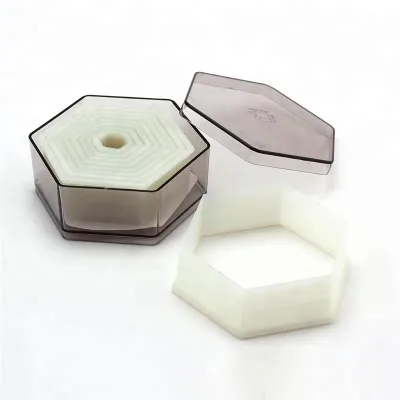
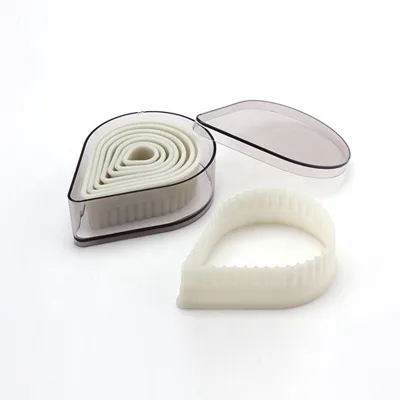
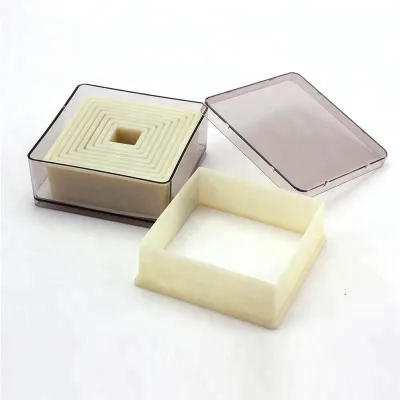
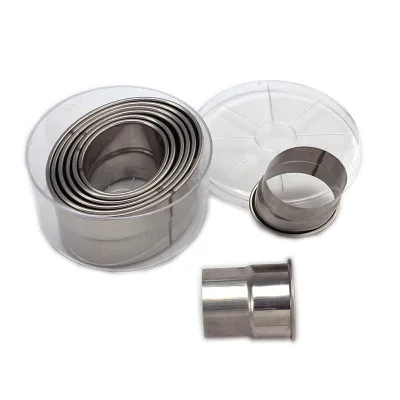

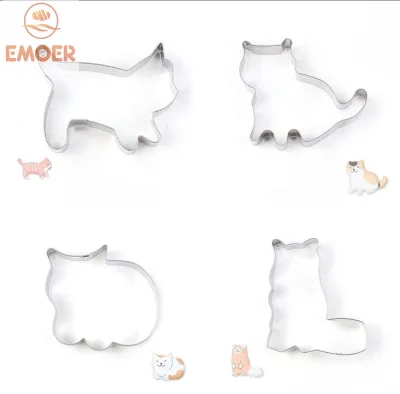


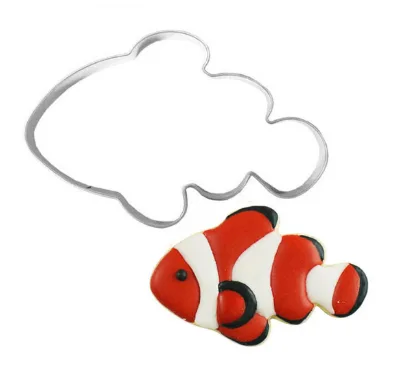
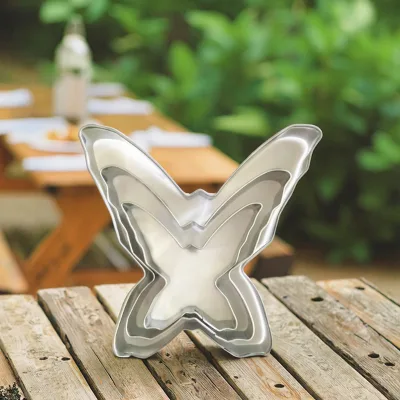





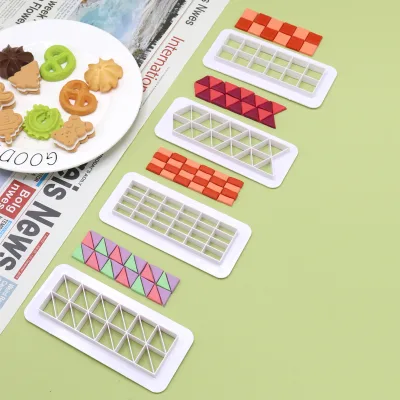
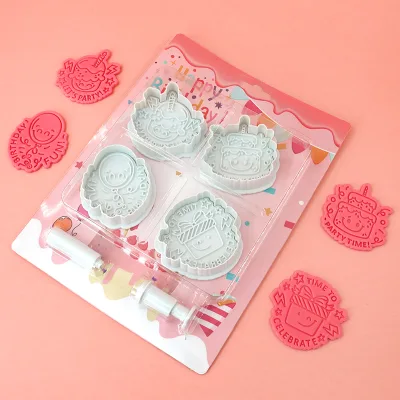


Cookie Cutters Biscuit Cutters Flowers Fondant Cake Decoration Tool Esg14396
$2.44 - $2.92
MOQ: 100 Sets

Comprehensive Sourcing Guide
Strategic Sourcing Guide for Hexagon Nylon Cookie Cutters
Understanding Product Specifications and Material Composition
When sourcing hexagon nylon cookie cutters, the primary focus must be on the specific material properties that distinguish this category from stainless steel or plastic alternatives. The core material identified in available market data is nylon, a polymer known for its flexibility and durability. Unlike rigid metal cutters, nylon tools offer a distinct advantage in that they are less likely to damage non-stick bakeware surfaces. The product attributes indicate that the shape is specifically hexagon-shaped, a geometric design that allows for uniform baking and efficient packing. The material composition is critical because it dictates the cutting mechanism; nylon cutters often rely on a sharp edge that is flexible enough to conform slightly to the dough without tearing it, yet rigid enough to maintain the hexagonal form during the cutting process.
The specifications also highlight that these tools are often part of a set, with some listings indicating a quantity of 9 pieces per unit or set. This suggests that buyers should evaluate whether the hexagon cutter is sold as a standalone item or as part of a broader cookie tool collection. The color attributes observed in the market include "Light Yellow" and "Original Color," which may indicate the natural hue of the nylon or a specific dye used for branding. It is essential to verify the exact color specifications with the supplier, as variations in dye can affect the visual consistency of the final product line. Furthermore, the material is described as "Eco-Friendly" in certain contexts, a claim that requires verification against the supplier's specific manufacturing processes and material sourcing policies.
Compliance, Certification, and Safety Standards
In the B2B procurement of food-contact tools, compliance with international safety standards is non-negotiable. The market data references several certification frameworks, including SGS, ISO9001, and CE marks. While these are listed as available standards for the broader category of cookie tools and cake molds, buyers must explicitly confirm that the specific hexagon nylon cutter model holds these certifications. The presence of an ISO9001 standard suggests that the manufacturing facility adheres to quality management systems, which is a positive indicator for consistency in production. Similarly, the CE mark indicates conformity with health, safety, and environmental protection standards for products sold within the European Economic Area.
However, it is crucial to treat these certifications as observations rather than universal guarantees for every listed product. Buyers should request current, valid certificates of compliance for the specific batch of hexagon nylon cutters they intend to purchase. The HS code provided in the context is 8480790090, which generally covers molds for metal or other materials, but the classification for plastic or nylon cutters may vary by region. Procurement teams must verify the correct HS code for their specific import scenario to ensure accurate duty assessment. Additionally, while the text mentions "Stainless steel" as a standard in some contexts, this is likely a misclassification or a reference to a different product line; for nylon cutters, the relevant standard is the food-grade compliance of the polymer itself. Buyers should specifically ask for migration test results to ensure that the nylon does not leach harmful substances into food products, particularly when used with chocolate or warm dough.
Cost Drivers and Pricing Dynamics
The pricing structure for hexagon nylon cookie cutters is influenced by several variable factors, including material costs, customization requirements, and order volume. The observed price range in the market spans from $0.19 to $8,900, a wide disparity that reflects the difference between single-unit retail items and bulk industrial orders or specialized custom sets. For a standard hexagon nylon cutter, the cost is primarily driven by the price of the raw nylon polymer and the molding process. Customization, which is listed as "Available," will inevitably increase the unit cost. This includes adding specific branding, altering the hexagon dimensions, or changing the color to match a corporate identity.
The Minimum Order Quantity (MOQ) is another significant cost driver, with observed ranges from 1 to 3,000 units. Buyers purchasing small quantities may face a higher per-unit cost due to the setup fees for the injection molding process. Conversely, orders approaching the higher end of the MOQ spectrum can leverage economies of scale to reduce the unit price. The packaging method also impacts the final landed cost. Options such as "Carton Box," "Metal Box," or "OPP Bag" vary in price and protective capability. A more robust packaging solution, like a plastic box containing 9 pieces, adds to the material cost but reduces the risk of damage during transit. Buyers should calculate the total cost of ownership, including packaging and shipping, rather than focusing solely on the base unit price. The "Stocked" status of some items suggests that immediate availability may come at a premium compared to custom-manufactured items that require a lead time.
Typical Applications and Market Usage
Hexagon nylon cookie cutters serve a diverse range of applications, extending beyond simple home baking. The product attributes list applications in "Commodity," "Hardware," "Home Use," and "Party" sectors. In the home use sector, these tools are valued for their ease of use and safety, particularly for parents baking with children, as nylon is less likely to cause injury than metal. For party supplies, the hexagon shape offers a modern, geometric aesthetic that appeals to contemporary design trends, making them suitable for themed events or corporate gifts.
The "Hardware" and "Commodity" classifications suggest that these cutters are also used in industrial or semi-industrial settings, such as bakeries or confectionery workshops. In these environments, the durability of nylon is a key asset, as it resists corrosion and does not rust, unlike some metal alternatives. The function is explicitly stated as "For making cookie/cake/chocolate," indicating versatility. The "Eco-Friendly" attribute positions these tools well for brands that prioritize sustainability, as nylon can be recycled or designed for long-term use, reducing waste compared to disposable alternatives. The "DIY" specification further highlights their utility in craft markets, where users may create custom shapes for decorative purposes. Understanding these varied applications helps buyers target the right marketing channels and packaging strategies for their specific customer base.
Supplier Evaluation and Operational Capabilities
Selecting the right supplier for hexagon nylon cookie cutters requires a thorough evaluation of their operational capabilities and geographic location. The data indicates that suppliers are often located in Shenzhen, Guangdong, China, a major manufacturing hub known for its plastic and metal processing industries. This location suggests access to a robust supply chain for raw materials and a high concentration of specialized molding factories. When evaluating potential partners, buyers should verify the supplier's ability to handle OEM (Original Equipment Manufacturer) and ODM (Original Design Manufacturer) requests, as both are listed as accepted services. This capability is essential for buyers seeking to brand the product or modify the hexagon design.
The warranty period is another critical metric, with a standard offering of 12 months or 1 year. This warranty should cover defects in material and workmanship, ensuring that the nylon does not crack or deform under normal use. Buyers should also assess the supplier's export experience, as the data notes "Global" export markets. A supplier with a history of global trade is more likely to understand international shipping regulations, packaging requirements, and customs documentation. The "Made by: Stainless Steel" attribute in some contexts may be a data inconsistency, but it underscores the importance of verifying the actual material composition. Buyers must ensure the supplier explicitly confirms the use of food-grade nylon and can provide traceability for the raw materials used in production.
Quality Control and Long-Term Procurement Strategy
Implementing a robust quality control (QC) strategy is vital for maintaining the integrity of Hexagon Nylon Cookie Cutter shipments. Given the wide range of observed packaging options, from "PP Bag" to "Carton Package," the QC process must include checks for packaging integrity to prevent damage during transit. The "Carton measuring: 472732cm" specification provides a baseline for logistics planning, but buyers should verify if this applies to the specific hexagon cutter model or a different product line. Consistency in the hexagon shape is paramount; any deviation in the molding process can lead to uneven cutting and product rejection.
For long-term procurement, buyers should establish a relationship with suppliers that offers stability in pricing and supply. The "Stocked" status of some items indicates that suppliers may hold inventory, which can be beneficial for urgent orders. However, for consistent supply, buyers should consider negotiating contracts that lock in pricing and ensure a steady flow of goods. The "Anti-Corrosion" function, while more relevant to metal products, highlights the general expectation for durability in this category. Buyers should request sample batches to test the flexibility and sharpness of the nylon edges before committing to large orders. Additionally, verifying the "Number of Pieces" in each set, such as the 8pcs or 9pcs configurations, ensures that the product matches the buyer's catalog requirements. By focusing on these technical and operational details, buyers can secure a reliable supply of high-quality hexagon nylon cookie cutters that meet both functional and aesthetic standards.
FAQs
What material is used for hexagon nylon cookie cutters?
The primary material is nylon, which offers flexibility and durability. Some listings also reference stainless steel or plastic variants, so verify the specific material composition with the supplier before ordering.
Which certifications are available for these cookie tools?
Available certifications include SGS, ISO9001, and CE marks for safety compliance. Buyers must request valid certificates for the specific batch to ensure the product meets international food-contact standards.
Can suppliers customize the hexagon shape or branding?
Yes, customization is available for branding, dimensions, and colors. This service often increases unit costs and may require a higher minimum order quantity compared to standard stocked items.
What is the typical warranty period for these tools?
The standard warranty period is 12 months or 1 year. This coverage typically applies to defects in material and workmanship, ensuring the nylon does not crack or deform under normal use.
How are these cookie cutters packaged for shipment?
Packaging options include carton boxes, metal boxes, OPP bags, or plastic boxes containing sets. The specific packaging method affects protection levels and total landed costs, so confirm details with the vendor.
Where are these products typically manufactured?
Products originate from Shenzhen, Guangdong, China, a major manufacturing hub. This location provides access to robust supply chains for raw materials and specialized molding factories for production.
What is the minimum order quantity for these items?
The observed minimum order quantity ranges from 1 to 3000 units. Smaller orders may incur higher per-unit costs due to setup fees, while larger volumes leverage economies of scale.