Source Hexagonal RO Permeate Carrier for Domestic, Industrial, and Water Treatment
Find 30 Hexagonal RO Permeate Carrier options from verified Chinese manufacturers. Buyers can compare specifications like thickness, material, and customization availability for domestic, industrial, and water treatment applications.
Key considerations
Products List


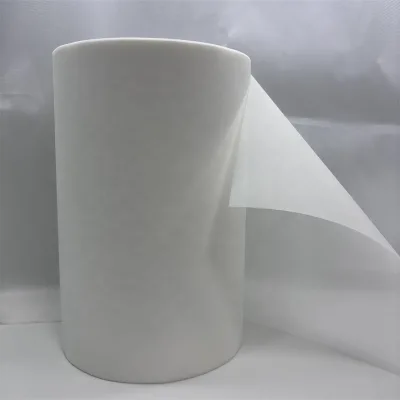
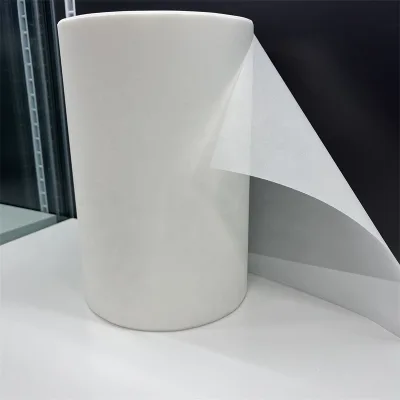
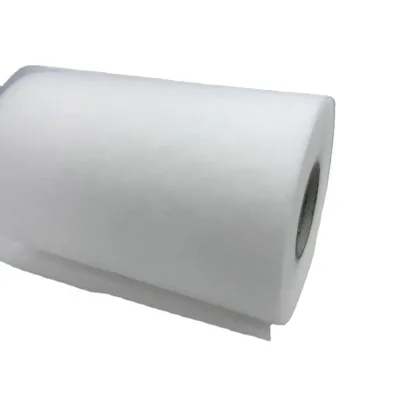
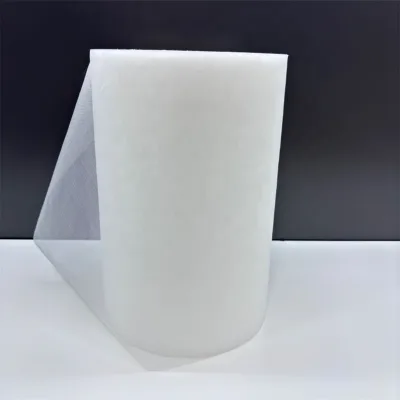
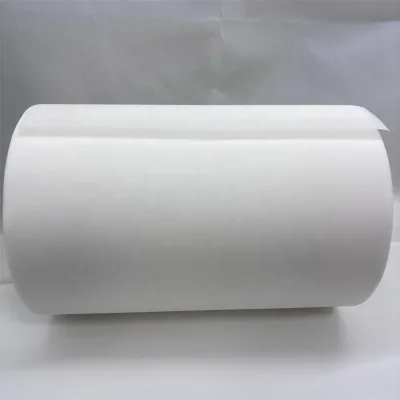
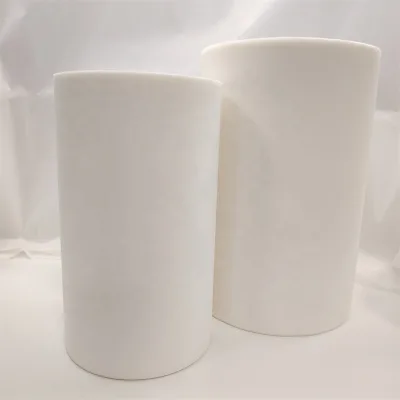
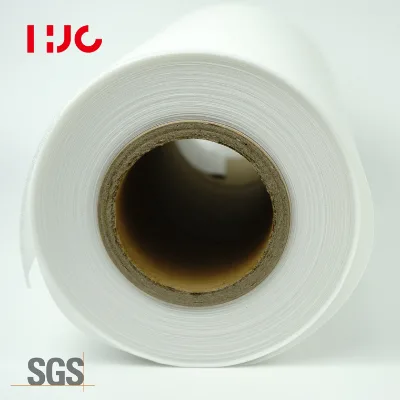
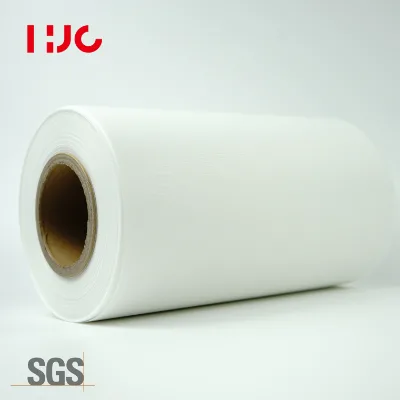
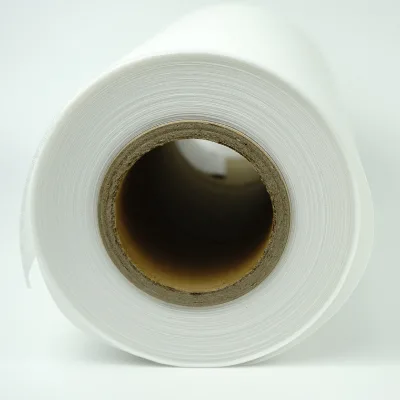
HJC A-752 a 752 RO Membrane Material PET RO Permeate Carrier for Reverse Osmosis Membane
$2.40 - $2.80
MOQ: 1000 meters


Comprehensive Sourcing Guide
Strategic Sourcing Guide for Hexagonal RO Permeate Carrier Materials
Procuring Hexagonal RO Permeate Carrier materials requires a nuanced understanding of the intersection between textile engineering and reverse osmosis membrane performance. The core keyword "Hexagonal RO Permeate Carrier" points to a specific class of non-woven or tricot fabrics designed to serve as the permeate layer within spiral-wound membrane elements. This guide synthesizes available product attributes and industry standards to provide a disciplined framework for B2B buyers. The objective is to navigate the complexities of material selection, ensuring that the chosen permeate carrier meets the rigorous demands of water treatment applications while adhering to strict quality and compliance protocols.
Technical Specifications and Material Composition
The foundation of a successful procurement strategy lies in the precise definition of technical specifications. Based on observed market data, the primary raw materials for these carriers are Polyethylene Terephthalate (PET) and Polypropylene (PP). The choice between PET and PP often dictates the chemical resistance and thermal stability of the final membrane element. Buyers must verify the specific raw material composition for their application, as PET generally offers superior mechanical strength, while PP provides distinct chemical inertness in certain environments.
A critical specification observed in the market is the thickness of the material. Standard thicknesses range from 0.30±0.01mm to 0.33±0.025mm. The precision of this tolerance is vital; deviations can alter the flow dynamics within the membrane element, leading to pressure drops or reduced permeate flux. The "10mil" and "8.7mil" designations frequently appear in product models, correlating to specific thickness standards. Furthermore, the manufacturing method is identified as "Manufacturing Cloth," indicating a specific weaving or non-woven process that creates the structural integrity required for high-pressure operations.
The geometric structure of the carrier is equally significant. The "Hexagonal" attribute refers to the pore shape or the weave pattern that facilitates the flow of permeate water. This hexagonal configuration is engineered to maximize surface area while maintaining structural rigidity under the high pressures typical of reverse osmosis systems. The "Course" and "Strands" dimensions, observed at 34cm and 33 inches respectively, provide insight into the fabric's width and structural density. Buyers should ensure that the supplier can consistently maintain these dimensional tolerances across large production runs to prevent assembly issues during membrane element manufacturing.
Compliance, Certification, and Standard Verification
In the water treatment industry, compliance is not merely a formality but a prerequisite for operational safety and longevity. While specific certification bodies are not explicitly listed in the provided data, the presence of "machinery test reports" suggests that suppliers are expected to provide documentation verifying the performance of their materials. Buyers must insist on these reports as a standard part of the procurement package. These reports should validate the material's ability to withstand the operating conditions of the RO system, including pressure ratings and flow rates.
The "prod_standard" attribute lists ranges such as 8.7-12mil and 8.7-14mil. These are not arbitrary numbers but likely represent industry-accepted thickness tolerances or specific model series standards. Procurement teams must verify that the supplier's production adheres to these specific standard ranges. Any deviation outside the 8.7-14mil spectrum without a justified technical explanation could indicate a quality control failure. Additionally, the "processing capacity" of 98% mentioned in the data likely refers to the filtration efficiency or the yield of the manufacturing process. Buyers should request detailed data sheets that define what this percentage represents in the context of the specific permeate carrier model.
Regarding certifications, buyers should look for evidence of adherence to international quality management systems, though specific brand names or certification logos should not be assumed without verification. The "warranty" of 1 year is a common offering, but the scope of this warranty must be clearly defined. Does it cover material defects only, or does it extend to performance degradation? Clarifying these terms is essential before signing a purchase agreement.
Cost Drivers and Pricing Dynamics
The pricing for hexagonal RO permeate carriers is influenced by a complex interplay of factors, including raw material costs, manufacturing complexity, and order volume. The observed price range of $0.08 to $6,000 USD reflects the vast difference between small sample orders and bulk industrial procurement. The lower end of the spectrum likely corresponds to single-item units or small rolls, while the upper end represents large-scale industrial contracts or specialized custom configurations.
The Minimum Order Quantity (MOQ) is a significant cost driver. Data indicates an MOQ range from 1 to 50,000 units, with a specific observation of 500 meters for certain product lines. For buyers with lower volume needs, the unit cost will be significantly higher due to the fixed costs of setup and logistics. Conversely, buyers capable of meeting higher MOQ thresholds can negotiate more favorable pricing. The "weight" of the product, ranging from 2 kg to 200 kg per unit, also impacts shipping costs. Buyers must calculate the total landed cost, including freight, which can vary drastically depending on the density and volume of the shipment.
Customization is a key variable in cost. The "Customization: Available" attribute suggests that buyers can request specific colors (White or customized), dimensions, or material blends. However, custom orders typically incur higher setup fees and longer lead times. The "Selling Units" being listed as "Single item" implies that the market supports both bulk and unit purchases, but the economic efficiency is heavily skewed toward larger volumes.
Typical Applications and Operational Context
The primary application for hexagonal RO permeate carriers is in the manufacturing of Reverse Osmosis (RO) membranes. These materials serve as the permeate carrier layer, which is essential for transporting the purified water away from the semi-permeable membrane surface. The "Usage" is explicitly defined as "Liquid Filter," highlighting its role in separating impurities from water. The "Appliaction" (Application) is categorized as "Domestic" and "Industrial," indicating versatility across a wide spectrum of water treatment needs.
In domestic settings, these carriers are used in residential water purification systems to ensure high-quality drinking water. In industrial applications, they are critical for large-scale desalination plants, pharmaceutical water production, and food and beverage processing. The "Product name" variations, such as "RO MEMBANE MATERIAL FOR REVERSE OSMOSIS MEMBRANE PERMEATE CARRIER" and "domestic industry RO Membrane Tricot Permeate Carrier Filter Cloth," confirm their dual-purpose nature.
The "Function" of the material is to act as the structural backbone for the membrane element. The "flow rate" being listed as "Other" suggests that it is a variable dependent on the specific system design and operating pressure. Buyers must understand that the permeate carrier is not a standalone product but a critical component within a larger system. Its performance is directly linked to the overall efficiency of the RO process. The "core components" listed as "Gearbox" in some contexts may refer to the machinery used to manufacture the carrier or the equipment in which the final membrane element is tested, rather than the carrier itself.
Supplier Evaluation and Quality Control
Evaluating suppliers for hexagonal RO permeate carriers requires a rigorous approach to quality control. The "place of origin" is consistently identified as China, specifically Henan. While this provides a geographic baseline, buyers must look beyond location to assess the supplier's manufacturing capabilities. The "manufacturing method" of "Manufacturing Cloth" implies a specific production line that must be capable of maintaining the tight tolerances required for RO applications.
Quality control should begin with the verification of raw materials. Suppliers must provide certificates of analysis for the PET or PP used. The "machinery test report" is a crucial document that buyers should request and review. This report should detail the results of stress tests, flow rate measurements, and dimensional accuracy checks. The "warranty" of 1 year is a standard indicator of supplier confidence, but it should be backed by a clear claims process.
Buyers should also evaluate the supplier's ability to handle customization. The "Customization: Available" attribute is a positive sign, but it requires a robust communication channel to ensure that specific requirements are met. The "color" options, including white or customized, should be verified against the buyer's branding or operational needs. Furthermore, the "packing types" such as "Carton Box" or "Corrugated Box" must be sufficient to protect the material during transit, especially given the sensitivity of the fabric to moisture and physical damage.
Long-Term Procurement Considerations
Sourcing hexagonal RO permeate carriers is not a one-time transaction but a long-term partnership that impacts the reliability of water treatment systems. The "productivity" of 2000L/Hour mentioned in the data likely refers to the capacity of the manufacturing equipment or the performance of the resulting membrane element. Buyers should consider the scalability of the supplier's production capabilities. Can they meet increased demand without compromising quality? The "weight" of the product, ranging from 2 kg to 200 kg, also suggests that storage and inventory management will be a significant factor in the procurement strategy.
Sustainability is another emerging consideration. While not explicitly detailed in the provided data, the choice of raw materials (PET vs. PP) has environmental implications. Buyers should inquire about the recyclability of the materials and the supplier's environmental policies. The "keyword" "permeate carrier tricot filter cloth" suggests a specific type of fabric that may have different lifecycle characteristics compared to other weaving methods.
Finally, the "model number" variations, such as "DW 13-33" and "WTD-25-1016," indicate a diverse product portfolio. Buyers should ensure that the supplier can provide consistent support for these specific models over the long term. Obsolescence of specific models can disrupt supply chains, so maintaining a relationship with a supplier who offers a range of compatible models is prudent. The "Single volume" and "Single gross weight" being listed as 0 cm³ and 0.0 kg in some entries likely indicate data entry errors or placeholders, reinforcing the need for buyers to verify all specifications directly with the supplier before finalizing orders.
Conclusion
Procuring Hexagonal RO Permeate Carrier materials demands a meticulous approach that balances technical precision with strategic supply chain management. By focusing on the verified attributes of raw material composition, thickness tolerances, and manufacturing standards, buyers can mitigate risks associated with product failure. The observed data highlights a market with significant variability in pricing, MOQ, and customization options. Success in this sector relies on thorough due diligence, rigorous quality control checks, and a clear understanding of the operational context in which these materials will be deployed. As the demand for high-quality water treatment solutions continues to grow, the role of the permeate carrier becomes increasingly critical, making the selection of the right supplier a decisive factor in the overall success of water purification projects.
FAQs
What raw materials are used for Hexagonal RO Permeate Carrier?
The primary raw materials are PET and PP. PET offers superior mechanical strength while PP provides chemical inertness. Buyers must verify the specific composition for their application to ensure compatibility with the RO system's operating conditions.
Which thickness standards apply to Hexagonal RO Permeate Carrier?
Standard thicknesses range from 0.30±0.01mm to 0.33±0.025mm. Models often correlate to 8.7mil, 10mil, or 12mil specifications. Precise tolerance is vital to maintain flow dynamics and prevent pressure drops within the membrane element.
Can buyers customize the color and dimensions of the carrier?
Yes, customization is available for color and dimensions. Options include white or customized colors, with specific width and strand counts like 34cm or 33 inches. Custom orders may incur higher setup fees and require longer lead times.
What is the typical MOQ for Hexagonal RO Permeate Carrier?
The MOQ ranges from 1 to 50,000 units depending on the supplier. A specific observation notes an MOQ of 500 meters for certain product lines. Lower volume orders typically result in higher unit costs due to fixed setup expenses.
How is the hexagonal structure of the carrier defined?
The hexagonal attribute refers to the pore shape or weave pattern designed to maximize surface area. This configuration maintains structural rigidity under high pressure. Dimensions like course and strands define the fabric's density and width for assembly.
Which certifications or reports are provided for the material?
Suppliers provide machinery test reports to verify performance under operating conditions. While specific certification bodies are not listed, these reports validate pressure ratings and flow rates. Buyers should request these documents to ensure quality compliance before purchase.
Where are hexagonal ro permeate carriers typically manufactured?
The place of origin is consistently identified as China, specifically Henan. The manufacturing method involves producing cloth with specific weaving or non-woven processes. Buyers should verify the supplier's production capabilities to maintain tight dimensional tolerances.