Source Hexagonal Handle Copper Tube Expander for HVAC
Find a Hexagonal Handle Copper Tube Expander for refrigeration and air conditioning maintenance. Compare 30 models from Chinese manufacturers, noting features like stainless steel handles and professional quality grades. Evaluate specifications and request quotes for your tooling needs; compare the available evidence and request quotations based on your requirements.
Key considerations
Products List


Refrigeration Maintenance Tubing Tools Manual Copper Tube Expander Tool
$14.20 - $15.40
MOQ: 50 Pieces


Manul Copper Tube Expander Refrigeration Hand Tools Kit Copper Tube Cutter
$9.88 - $64.80
MOQ: 100 Pieces


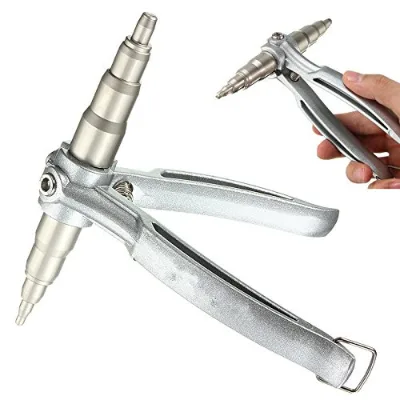


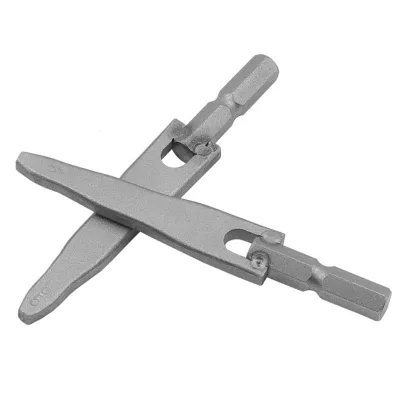

Hydraulic Electric Copper Tube Pipe Expander for Air Conditioner Refrigeration HVAC Tubing
$6999.00 - $15999.00
MOQ: 1 set/sets

Automatic Hydraulic Tube Expander for HVAC Copper Pipes and Air Conditioner Components
$6999.00 - $25999.00
MOQ: 1 set/sets


Manual Copper Pipe Expander Tool for HVAC Air Conditioner Tube Expansion
$4.60 - $5.00
MOQ: 100 Pieces

Manual Copper Tube Expander Tool for HVAC Air Conditioning Pipe Installation
$4.40 - $5.00
MOQ: 100 Pieces

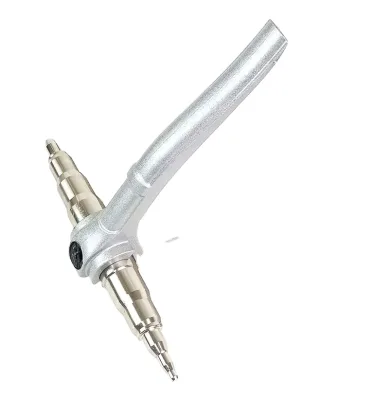
Comprehensive Sourcing Guide
Hexagonal Handle Copper Tube Expander Sourcing Guide
The Hexagonal Handle Copper Tube Expander is a specialized manual tool designed for expanding copper tubing in refrigeration and air conditioning systems. Procurement data indicates these tools are available in professional and DIY quality grades, with specific models like the CT-300A serving as primary examples for hydraulic and manual applications. Buyers must distinguish between hand-operated units and hydraulic variants, as the hexagonal handle design specifically facilitates manual torque application for precise tube expansion without requiring external power sources.
When evaluating listings, buyers should note that product attributes vary significantly regarding folding mechanisms and packaging standards. Some units are described as unfolded while others are folded, and packaging ranges from seaworthy cartons to blister cards. The observed market includes tools with specific model numbers such as CT-300M and general designations, requiring careful verification of the exact configuration needed for the intended service task.
Product Scope and Observed Listing Signals
Buyers must verify the specific application scope, as these expanders are primarily intended for refrigeration and air conditioning maintenance. The observed product data confirms usage for manual copper tube expansion, with models supporting a wide range of tube diameters from 1/4 inch up to 1-1/8 inch outer diameter. It is critical to match the tool's capacity to the specific tubing sizes encountered in the project, as using an undersized or oversized expander can compromise the integrity of the joint.
Listing signals also reveal variations in the physical condition and warranty terms of available units. Most observed products are listed as new with a one-year warranty, yet the quality grade fluctuates between professional and DIY levels. Procurement teams should scrutinize the "Quality Grade" attribute to ensure the tool meets the durability requirements of their specific operational environment, as professional-grade tools typically offer higher resistance to wear during frequent commercial use.
Technical Specifications to Verify
Technical verification begins with confirming the operating language and the specific model designation required for the job. The observed data lists English as the operating language, which is essential for safety instructions and maintenance guides. Buyers should cross-reference the model number, such as CT-300A or CT-300M, against the required tube expansion range to ensure compatibility, as some models are specified for general use while others target specific diameter sets like 1/4, 5/16, and 3/8 inches.
The physical specifications of the tool, including its standard dimensions and material composition, are equally critical for performance assessment. Stainless steel handles are a common feature, providing durability and resistance to corrosion in humid environments. Additionally, the standard dimensions for the tool body, such as 40cm by 40cm by 5cm or other specific measurements, must align with the available workspace and the ergonomic needs of the technician performing the expansion task.
Compliance and Safety Documentation
Compliance verification requires checking for recognized safety certifications that validate the tool's manufacturing standards. The observed listings frequently mention certifications such as CE, RoHS, GS, and CCC, which indicate adherence to specific regional safety and environmental regulations. Buyers should request current certification documents to ensure the product meets the legal requirements of the destination market, as these standards often dictate the permissible use of materials and the safety of the tool's mechanical components.
Beyond certifications, buyers must verify adherence to international industry standards that govern tool performance and safety. The data indicates compliance with standards like JIS, DIN, and ANSI, which provide benchmarks for dimensional accuracy and material strength. Ensuring the tool meets these specific standards is vital for maintaining the structural integrity of the copper tubes during expansion, preventing leaks or failures that could arise from substandard manufacturing practices.
Cost Drivers and Commercial Terms
Cost drivers for hexagonal handle copper tube expanders are heavily influenced by the quality grade and the specific certification package included. Professional-level tools with comprehensive certifications like GS and CE typically command higher prices compared to DIY-grade alternatives. Buyers should analyze the price range observed in the market, which spans from approximately 2.2 to 25,999 USD, to understand the correlation between price, quality, and the specific features offered by different suppliers.
Commercial terms such as minimum order quantity and delivery time are significant factors in the procurement decision. The observed data shows a wide MOQ range from 1 to 1000 pieces, with specific models often requiring orders of 50 or 100 pieces. Furthermore, a standard delivery time of 25 days is noted, which impacts project scheduling and inventory planning. Buyers must negotiate these terms to align with their production timelines and budget constraints.
Supplier Qualification and Quality Control
Supplier qualification should focus on the geographic origin and the consistency of their manufacturing output. The observed products originate from regions like Zhejiang and Ningbo in China, which are known hubs for hand tool manufacturing. Buyers should verify the supplier's ability to maintain consistent quality across batches, as the product data shows variations in packaging and model specifications that could indicate different production lines or quality control standards.
Quality control processes must be validated through the supplier's ability to provide consistent product attributes and condition guarantees. The observed listings consistently describe products as new with a one-year warranty, suggesting a baseline for quality assurance. However, buyers should implement their own inspection protocols to verify the stainless steel handle quality and the precision of the expansion mechanism, ensuring the tool performs reliably under the specific loads expected in refrigeration and air conditioning applications.
Long-Term Procurement Checks
Long-term procurement success depends on establishing a reliable supply chain for replacement parts and future tool acquisitions. Buyers should assess the supplier's capacity to provide consistent model numbers and specifications over time, as the market data shows a variety of models like CT-300A and CT-300M that may have different component availability. Ensuring a stable supply of compatible tools is essential for maintaining operational efficiency in ongoing maintenance projects.
Finally, buyers must monitor the evolution of safety standards and certification requirements to ensure continued compliance. As regulations in the refrigeration and air conditioning sectors evolve, the tools used must remain up to date with the latest safety and environmental standards. Regular audits of the supplier's certification status and product specifications will help mitigate risks associated with non-compliant tools and ensure the longevity of the procurement relationship.
FAQs
What is the MOQ for the CT-300A copper tube expander?
The minimum order quantity is 100 pieces for the CT-300A model. This requirement ensures efficient production scheduling and cost-effective shipping for bulk buyers. Buyers should verify specific supplier terms as some vendors may offer flexible MOQs for standard models.
Which certifications are available for these tube expanders?
Available certifications include CE, RoHS, CCC, and GS. These documents verify compliance with international safety and environmental standards. Buyers requiring specific regional compliance should request valid certificates from the supplier before finalizing the purchase order.
How long is the delivery time for orders?
The standard delivery time is 25 days after order confirmation. This timeline applies to most standard models like the CT-300A. Expedited shipping options may be available for urgent projects, but buyers should confirm exact lead times with the supplier.
Can the product be customized for specific needs?
Yes, customization is available for many tube expander models. Buyers can request specific handle materials, packaging, or branding options. Custom orders may affect the lead time and pricing, so detailed specifications should be communicated clearly to the manufacturer.
What is the warranty period for these tools?
The standard warranty period is one year for new units. This coverage typically includes manufacturing defects and material failures. Buyers should retain proof of purchase and follow usage guidelines to maintain warranty validity throughout the coverage period.
Where are these copper tube expanders manufactured?
These tools are manufactured in Zhejiang, China, with specific origins in Ningbo. This region is known for producing high-quality hand tools and industrial equipment. Buyers can verify the exact place of origin on the product specification sheet.