Source High Density Aquarium Filter Sponge for Fish Tanks, Ponds, and Water Filtration
Browse 30 listings of High Density Aquarium Filter Sponge products from suppliers offering customized sizes, colors, and packaging. Buyers can compare specifications such as dimensions, materials, MOQ ranges, and pricing to identify options suited to fish tanks, ponds, and water filtration systems.
Key considerations
Products List


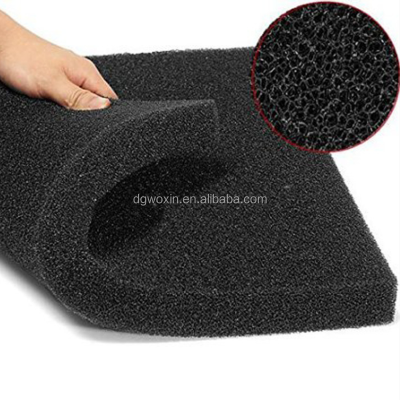
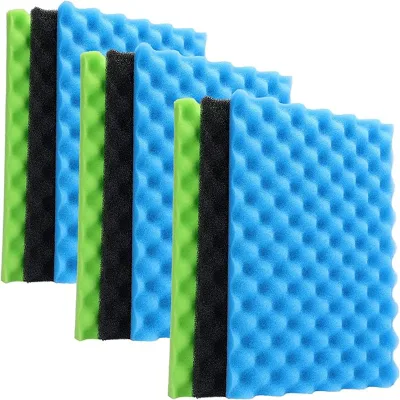


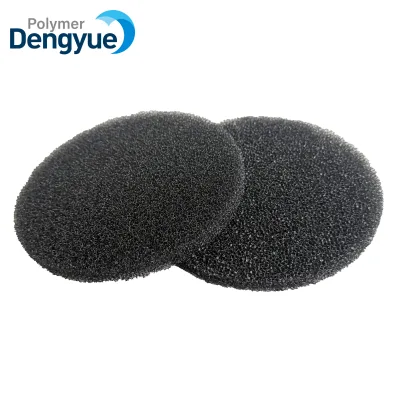
Aquarium Filter Cotton Internal Biochemical Sponge Filtration Foam Sponge
$0.02 - $0.08
MOQ: 1000 Pieces


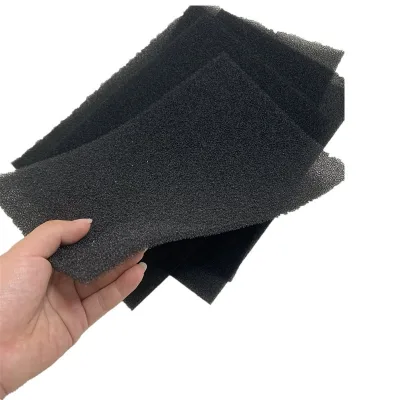
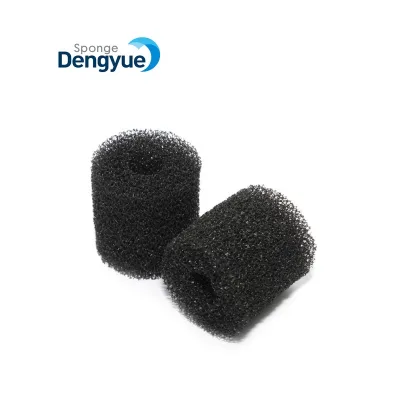

Comprehensive Sourcing Guide
High Density Aquarium Filter Sponge Sourcing Guide
Sourcing High Density Aquarium Filter Sponge requires a nuanced understanding of material composition, structural integrity, and biological compatibility. These sponges serve as the primary mechanical and biological filtration medium in various aquatic setups, ranging from small home aquariums to large commercial breeding tanks. The core function of these products is to trap particulate waste while providing a vast surface area for beneficial bacteria to colonize, thereby maintaining water quality and fish health. Buyers must distinguish between standard polyurethane foams and specialized high-density variants that offer superior durability and flow resistance. The decision to source these items involves evaluating not just the physical dimensions but also the chemical stability of the foam, ensuring it does not leach harmful substances into the water column over time.
The procurement landscape for these sponges is characterized by a wide variance in manufacturing origins, primarily concentrated in China, with significant production hubs in Guangdong and Yancheng. Suppliers often offer extensive customization options, allowing buyers to specify exact dimensions, colors, and packaging requirements to suit their brand or specific operational needs. This flexibility is crucial for businesses looking to create proprietary filtration products or integrate these sponges into larger filtration systems. However, this customization capability also introduces complexity in quality control, as variations in foam density and pore structure can significantly impact filtration efficiency. Buyers must therefore establish clear technical specifications before engaging with suppliers to ensure that the final product meets the rigorous demands of aquatic environments.
Product Scope and Observed Listing Signals
The observed market signals indicate a diverse range of product configurations, with prices ranging from $0.02 to $300 USD, reflecting differences in material quality, size, and packaging. Minimum Order Quantities (MOQs) vary widely from 1 to 5,000 pieces, suggesting that suppliers cater to both small-scale retailers and large industrial buyers. Common material specifications include standard sponge foam, with some listings highlighting advanced materials such as graphene-infused or activated carbon thickened high-density filter sponges. These specialized variants are designed to enhance chemical filtration alongside mechanical filtration, offering a multi-stage cleaning solution for sensitive aquatic environments. Buyers should note that while "high density" is a common descriptor, the actual density values are not always standardized across listings, requiring direct verification with the supplier.
Color options are extensive, including black, white, green, yellow, red, and blue, with many suppliers offering custom color matching. This variety allows for aesthetic integration into different aquarium designs or functional differentiation in multi-tank setups. Packaging methods also vary, with options ranging from simple carton boxes to vacuum-sealed bags, which help maintain the sponge's shape and hygiene during transit. Some listings specify single package sizes, such as 10x10x5 cm or 20x20x1 cm, providing clear logistical data for freight planning. Additionally, certain products are marketed for specific uses beyond standard aquariums, including water tanks and swimming pools, indicating a broader application scope that buyers should consider when evaluating product suitability.
Technical Specifications to Verify
Verifying the physical dimensions and structural properties of the sponge is the first critical step in the procurement process. Standard sizes observed in the market include 12.5x8.5x1.5 cm, 9.5x12.5 cm, and 20x20x1 cm, with many suppliers offering fully customizable dimensions to meet specific tank requirements. Buyers must confirm the exact thickness and pore size, as these factors directly influence water flow rate and filtration efficiency. High-density foams typically have smaller pores that trap finer particles but may require more frequent cleaning or higher pump pressure. It is essential to request detailed technical drawings or samples to verify that the sponge fits precisely into existing filter housings or custom-built filtration units.
The core components and material composition are equally important to verify, as they determine the sponge's longevity and biological performance. Some products are described as having a "filter foam" core, while others specify "activated carbon thickened high density filter sponge" or "graphene filtering material." These distinctions indicate different filtration mechanisms, with carbon-infused sponges providing additional chemical filtration capabilities. Buyers should inquire about the foam's resistance to degradation, particularly its ability to withstand repeated cleaning cycles without breaking down or losing structural integrity. Additionally, features such as center hole drilling, with diameters around 40mm, may be relevant for specific mounting or airflow requirements, so these details must be confirmed against the intended application.
Compliance and Safety Documentation
Ensuring the safety of the filter sponge for aquatic life is paramount, requiring verification of material safety and chemical stability. Buyers should request documentation confirming that the sponge is free from harmful additives, heavy metals, or toxic adhesives that could leach into the water. While specific certifications are not always listed, reputable suppliers should be able to provide material safety data sheets (MSDS) or declarations of compliance with relevant aquatic safety standards. The absence of machinery test reports in some listings suggests that buyers must rely on supplier assurances or third-party testing for performance validation. It is advisable to ask for samples to conduct independent water quality tests, ensuring that the sponge does not alter pH levels or introduce contaminants.
Warranty and inspection services provide additional layers of assurance for buyers. Some suppliers offer a 3-month warranty, indicating confidence in the product's durability and performance. Video outgoing-inspection services are also available, allowing buyers to visually verify the quality and packaging of the goods before shipment. This transparency helps mitigate the risk of receiving defective or substandard products. Buyers should clarify the terms of the warranty, including what constitutes a defect and the process for claims. Additionally, understanding the inspection process can help buyers identify potential quality issues early, such as inconsistent density or improper cutting, which could affect the sponge's filtration efficiency.
Cost Drivers and Commercial Terms
The cost of high density aquarium filter sponges is influenced by several factors, including material composition, customization level, and order volume. Basic sponge foams are generally more affordable, while specialized variants with activated carbon or graphene additives command higher prices. Customization, such as specific sizes, colors, or packaging, can also increase costs due to the additional setup and production time required. Buyers should negotiate pricing based on volume, as larger orders often qualify for discounts. Understanding the MOQ requirements is crucial, as some suppliers may have minimum thresholds that impact the total cost per unit for smaller buyers.
Commercial terms, including payment methods, shipping options, and lead times, play a significant role in the overall procurement strategy. While specific lead times are not always disclosed, buyers should inquire about production schedules to ensure timely delivery, especially for large orders. Packaging options, such as vacuum packaging or carton boxes, can affect shipping costs and product protection. Buyers should also consider the total landed cost, including freight, insurance, and customs duties, when evaluating supplier quotes. Clear communication regarding these terms helps avoid unexpected expenses and ensures a smooth transaction process.
Supplier Qualification and Quality Control
Evaluating supplier qualifications is essential to ensure a reliable supply chain for high density aquarium filter sponges. Buyers should verify the manufacturer's background, including their production capacity, quality control processes, and experience in the industry. Suppliers like Yancheng Oukai Sponge Factory and others in Guangdong and Shanghai have established reputations, but buyers should conduct due diligence to confirm their capabilities. Requesting references or case studies from previous clients can provide insights into the supplier's reliability and product quality. Additionally, checking for any relevant industry memberships or associations can further validate the supplier's credibility.
Quality control measures should be clearly defined and agreed upon before placing an order. Buyers should specify acceptance criteria for product quality, including dimensions, density, color consistency, and packaging integrity. Implementing pre-shipment inspections, either through third-party agencies or internal teams, can help identify and rectify quality issues before goods are dispatched. Clear communication of these requirements ensures that the supplier understands the buyer's expectations and can align their production processes accordingly. Establishing a robust quality control framework minimizes the risk of receiving defective products and maintains the integrity of the buyer's brand.
Long-Term Procurement Checks
Establishing long-term relationships with suppliers requires ongoing monitoring and evaluation of product performance and supplier reliability. Buyers should regularly review product quality, delivery times, and customer feedback to identify any trends or issues. Consistent communication with the supplier helps address any concerns promptly and fosters a collaborative partnership. Buyers should also stay informed about industry developments and new product innovations, such as advanced filtration materials or improved manufacturing techniques, to ensure they remain competitive. Periodic audits of the supplier's quality control processes can help maintain high standards and prevent quality degradation over time.
Adapting to market changes and evolving customer needs is crucial for long-term success in the aquarium filter sponge market. Buyers should continuously assess their product offerings and supply chain strategies to ensure they meet current demands. This may involve exploring new suppliers, negotiating better terms, or introducing new product variants. By maintaining a proactive approach to procurement and supplier management, buyers can secure a stable supply of high-quality filter sponges and drive business growth. Regularly updating procurement policies and procedures ensures that the buyer remains agile and responsive to market dynamics.
FAQs
What is the standard size for High Density Aquarium Filter Sponge
Common dimensions include 12.5 by 8.5 by 1.5 cm and 20 by 20 by 1 cm. Many manufacturers offer custom sizes to fit specific tank or filter requirements. Buyers should verify the exact pore density and thickness needed for their filtration system before ordering.
Can High Density Aquarium Filter Sponge be customized for specific shapes
Yes, customization is available for various shapes and sizes. Suppliers can produce sponges with center holes, such as approximately 40mm, to fit specific filter mechanisms. Customization options typically include color, density, and specific dimensions to match your equipment.
What is the minimum order quantity for High Density Aquarium Filter Sponge
The minimum order quantity varies by supplier, with some listing 1000 pieces as the standard MOQ. However, other suppliers may accept smaller quantities starting from 1 piece for sampling or small batches. Always confirm the specific MOQ with the manufacturer before placing an order.
How is High Density Aquarium Filter Sponge typically packaged for shipping
Sponges are often packed in cartons or bags plus cartons to protect them during transit. Some suppliers use vacuum packaging to reduce volume and shipping costs. The single package size can vary, with examples including 10x10x5 cm or 20x20x1 cm depending on the product.
What materials are used in High Density Aquarium Filter Sponge
The primary material is sponge, often referred to as filter foam or filter sponge. Some high-density variants may incorporate activated carbon or graphene for enhanced filtration capabilities. The core component is designed to trap debris while allowing water to flow through.
Where are High Density Aquarium Filter Sponge manufacturers located
Major manufacturing hubs are located in China, specifically in regions like Guangdong and Shanghai. These areas host numerous factories specializing in sponge production for the aquarium and industrial filtration markets. Sourcing from these locations often provides competitive pricing and varied customization options.
What is the warranty period for High Density Aquarium Filter Sponge
Some suppliers offer a warranty period of 3 months for their filter sponge products. This warranty typically covers manufacturing defects rather than normal wear and tear. Buyers should review the specific warranty terms and conditions provided by the manufacturer before purchase.