Source Portable Professional Nail Drill for Salon Home Gift
Find 30 Portable Professional Nail Drill options featuring brushed motors, rechargeable batteries, and adjustable speeds up to 35000rpm. Compare specifications, certifications, and pricing for salon, home, and commercial use.
Key considerations
Products List
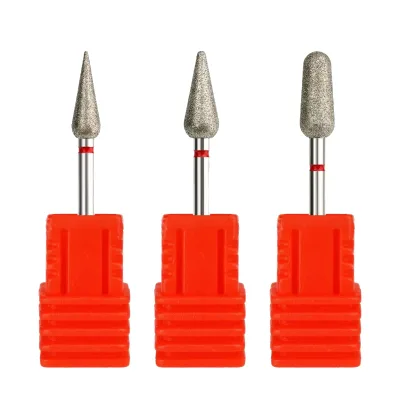


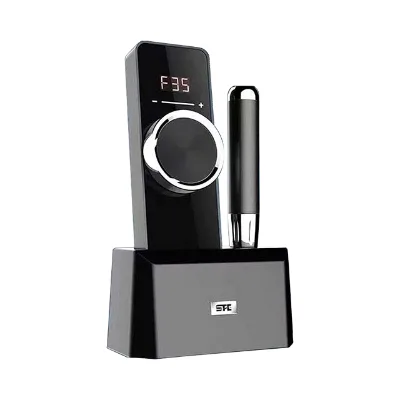
Premium Electric Portable Nail Drill Micromotor for Professional Manicure
$137.90 - $145.90
MOQ: 1 Pieces


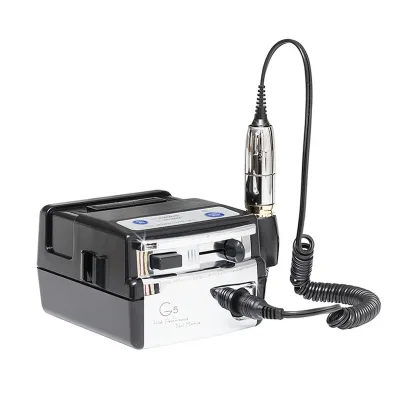
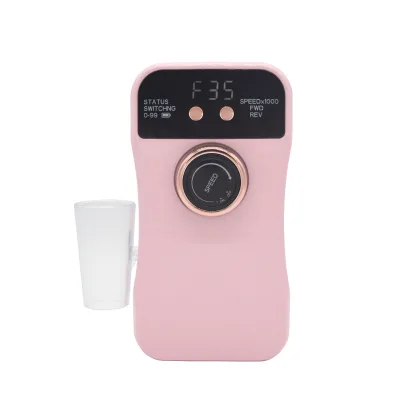
Duofu Portable Nail Drill for Professional and Home Manicure Experiences
$17.99 - $22.99
MOQ: 1 Pieces

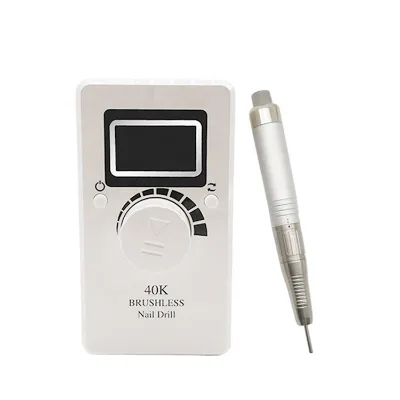
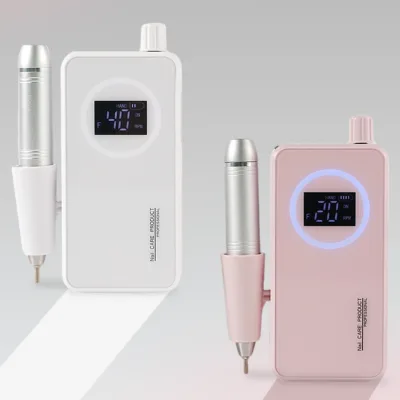
Duofu Professional Nail Drill with Adjustable Speed for Stunning Manicures
$9.99 - $16.99
MOQ: 1 Pieces


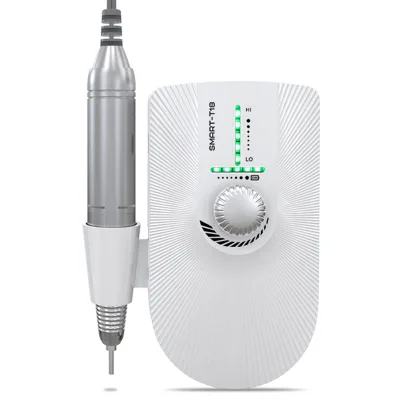
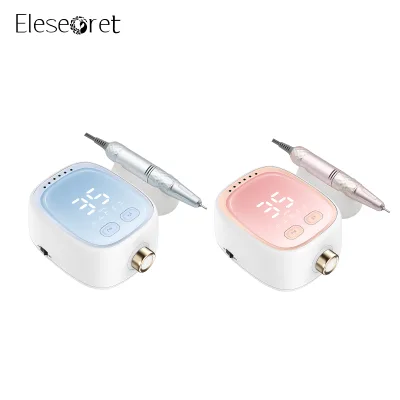
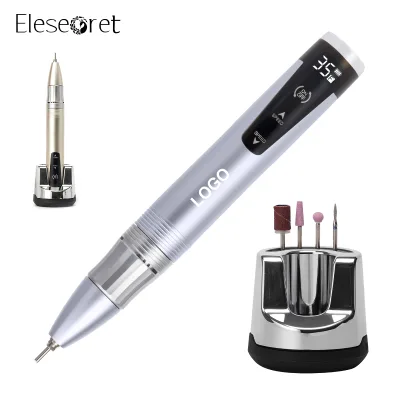
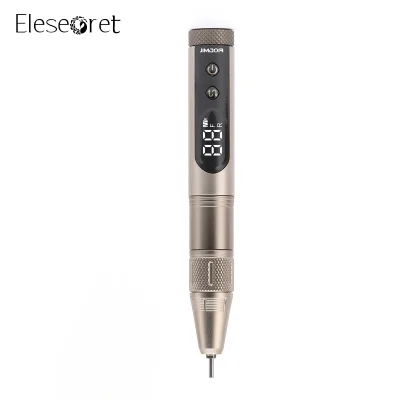

Comprehensive Sourcing Guide
Strategic Sourcing Guide for Portable Professional Nail Drills
The global market for portable professional nail drills has expanded significantly, driven by the dual demand from commercial salons and the growing home-care sector. For procurement officers and business owners, sourcing these devices requires a disciplined approach that balances technical performance with regulatory compliance and supply chain reliability. The following guide outlines the critical factors for evaluating portable professional nail drills, grounded in observed market specifications and industry standards.
Technical Specifications and Performance Metrics
When evaluating a Portable Professional Nail Drill, the primary focus must be on the motor performance, speed control, and physical durability. The core functionality of these devices relies on high-speed rotation to file, shape, and buff nails efficiently. Market observations indicate that professional-grade units typically operate within a speed range of 0 to 35,000 RPM, while some models are optimized for specific tasks with ranges like 1 to 28,000 RPM. Buyers must verify the actual speed range of the specific model, as lower-end units may not reach the upper thresholds required for heavy-duty professional work.
The motor type is another critical specification. Brushed motors are commonly observed in portable units, offering a balance of cost and performance. However, the longevity and maintenance requirements of brushed motors differ from brushless alternatives. The power source is predominantly electrical, often utilizing rechargeable lithium batteries such as 18650 cells or general Li-ion batteries to ensure portability. This allows for cordless operation in salons or while traveling, though users must confirm the battery capacity and charging time.
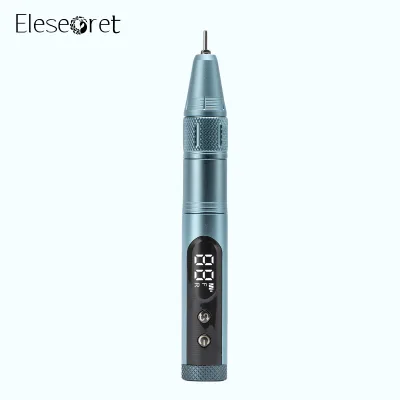
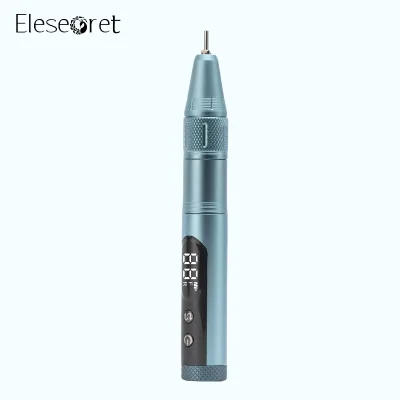
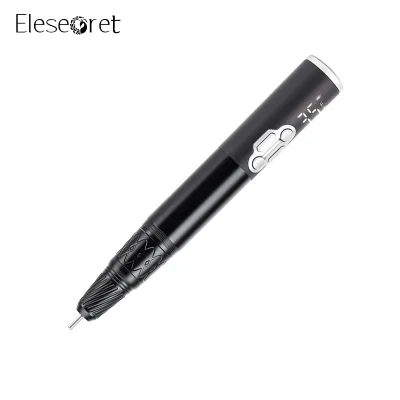
Physical design attributes also play a significant role in usability. Many professional drills feature a tapered shape to allow for precise maneuvering around cuticles and nail edges. The shank size, which determines the compatibility of drill bits, varies; observed specifications include 1.6mm, 2.35mm, 3.0mm, and 3.175mm. Procurement teams should ensure the selected model supports the shank sizes required by their existing inventory of drill bits. Additionally, the device casing is often constructed from stainless steel or durable plastics, with surface finishes ranging from glossy to minimalist designs. The weight and ergonomics are vital for reducing hand fatigue during extended use.
Compliance and Certification Verification
In the B2B procurement of electronic devices, compliance with international safety and environmental standards is non-negotiable. Portable nail drills are electrical appliances that must adhere to strict regulations regarding electromagnetic compatibility, electrical safety, and hazardous materials. Buyers should verify that the supplier provides documentation for certifications such as CE, RoHS, FCC, EMC, and IEC. These certifications indicate that the product meets European and international safety standards for electrical equipment and restricts the use of hazardous substances.
Furthermore, because these devices often contain lithium batteries, compliance with UN38.3 is essential for safe transportation. This standard covers the testing requirements for lithium cells and batteries to ensure they can withstand transport conditions without failing. Additionally, the Material Safety Data Sheet (MSDS) should be available to confirm the chemical composition and safety handling procedures for the product. Without these documents, the product may face customs delays or be rejected in certain markets.
The electrical input voltage is another area requiring strict verification. Observed specifications show a wide range of input voltages, including AC100-110V at 60Hz and AC200-240V at 50Hz. Some models support dual voltage or OEM-specific voltage requirements. Buyers must match the product's voltage specifications to the local power grid of the destination market to prevent equipment failure or safety hazards. The plug type must also align with the target region, with options including CN, EU, US, UK, AU, and JP plugs.
Cost Drivers and Pricing Structures
The pricing of portable professional nail drills is influenced by several variables, including the complexity of the motor, the quality of the battery, and the level of customization offered. Market data indicates a broad price range, with observed values spanning from approximately $0.25 to over $400 per unit. This wide disparity suggests that the market includes both basic entry-level tools and high-end professional systems with advanced features.
Key cost drivers include the inclusion of a rechargeable battery, the precision of the speed control mechanism, and the materials used in construction. Models featuring stainless steel bodies and high-torque brushed motors typically command higher prices. Customization options, such as OEM branding or specific color finishes, also add to the unit cost. Buyers should be aware that while low-cost options exist, they may lack the durability or performance required for professional salon environments.
The Minimum Order Quantity (MOQ) is another factor affecting the total cost of procurement. Observed MOQs range from 1 unit to 500 units. Suppliers often offer tiered pricing, where the unit cost decreases as the order volume increases. For businesses testing the market, suppliers that accept small quantity orders are preferable, allowing for lower initial capital expenditure. However, for established retailers, negotiating a higher volume order can significantly reduce the per-unit cost.
Typical Applications and Market Segmentation
Portable professional nail drills serve a diverse range of applications, from high-volume commercial salons to individual home users. The primary application is for nail care procedures such as filing, shaping, and buffing. In a commercial setting, the device must withstand continuous daily use, requiring robust construction and reliable motor performance. The "Professional" designation in the product name often implies suitability for salon environments, where speed and precision are paramount.
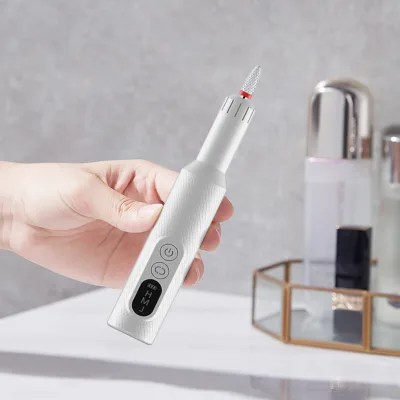
Beyond professional salons, these tools are increasingly used in home care settings. The portability and cordless nature of the devices make them ideal for consumers who wish to perform manicures at home. The market also includes the gift and holiday sectors, where aesthetically designed units with features like glossy finishes and minimalist styles are popular. Some suppliers explicitly list usage for "Salon Home, Commercial, Gift, and Holiday," indicating the versatility of the product line.
The design style of the drill can also influence its market segment. Minimalist designs appeal to modern salons seeking a clean aesthetic, while "Luxe" designs may target premium markets. The setting type, such as flat back, and the adhesive method, which is typically non-adhesive for the drill bits themselves, are also considerations for the end-user experience. Understanding the specific application of the target market helps in selecting the right model features and specifications.
Supplier Evaluation and Customization Capabilities
Selecting the right supplier is critical for ensuring product quality and supply chain stability. Buyers should evaluate suppliers based on their ability to provide OEM and ODM services. Many manufacturers offer customization options, allowing buyers to brand the product with their own logo or modify specifications to meet specific market needs. The availability of customization is a strong indicator of a supplier's flexibility and manufacturing capability.
The place of origin is another factor to consider. Observed data points to major manufacturing hubs such as Shanghai and Fujian in China. These regions have established supply chains for electronic components and precision machining, which can lead to competitive pricing and efficient production. However, buyers should verify the specific factory location and capabilities to ensure they align with their quality expectations.
Lead times are a crucial component of supplier evaluation. The observed lead time for these products ranges from 7 to 25 days, depending on the order quantity. Buyers must factor this into their inventory planning to avoid stockouts. Suppliers that can consistently meet these lead times while maintaining quality are preferable. Additionally, the ability to accept small quantity orders can be a significant advantage for new buyers or those testing new product lines.
Quality Control and Long-Term Procurement Considerations
Implementing a robust quality control (QC) process is essential for mitigating risks associated with electronic devices. Buyers should request pre-shipment inspections to verify that the products meet the agreed-upon specifications, including speed, battery life, and build quality. The packing method, whether boxed or in cartons, should be inspected to ensure the product arrives without damage. The standard packaging dimensions, such as 21165 CM or 18.574.5 CM, should be confirmed to optimize logistics and storage.
Long-term procurement considerations involve building a relationship with a supplier who can support future growth. This includes the availability of spare parts, such as drill bits and replacement batteries, and the supplier's capacity to scale production as demand increases. The "Advantage" of a specific model, such as being the "perfect choice for professional nail designers," should be validated through performance testing rather than relying solely on marketing claims.
Finally, buyers should consider the lifecycle of the product. A durable device with a reliable motor and battery will reduce the need for replacements and minimize waste. The standard dimensions and weight of the product also impact the user experience and portability. By focusing on these long-term factors, procurement teams can ensure a sustainable and profitable supply chain for portable professional nail drills.
| Feature Category | Key Observation | Verification Requirement |
|---|---|---|
| Speed Range | 0-35,000 RPM or 1-28,000 RPM | Confirm actual max RPM for intended use |
| Motor Type | Brushed Motor | Check for maintenance requirements |
| Battery | 18650 Li-ion or Li-ion | Verify capacity and charging time |
| Shank Size | 1.6mm, 2.35mm, 3.0mm, 3.175mm | Ensure compatibility with existing bits |
| Certifications | CE, RoHS, FCC, UN38.3 | Request valid certificates for target market |
| Voltage | AC100-110V / AC200-240V | Match to local grid frequency and voltage |
| Lead Time | 7-25 Days | Plan inventory based on order volume |
| MOQ | 1-500 Units | Negotiate based on initial order size |
FAQs
What certifications do portable professional nail drills have?
These devices typically hold CE, RoHS, FCC, EMC, IEC, UN38.3, and MSDS certifications. Buyers must verify valid documentation for each target market to ensure compliance with international safety and environmental standards before importing.
Which speed ranges are available for professional nail drills?
Observed models operate within speed ranges of 0 to 35,000 RPM or 1 to 28,000 RPM. Procurement teams should confirm the specific maximum RPM for the intended model to ensure it meets professional salon performance requirements.
Can I order small quantities of portable nail drills?
Yes, suppliers often accept small quantity orders with Minimum Order Quantities ranging from 1 to 500 units. This flexibility allows new buyers to test the market with lower initial capital expenditure before committing to larger volumes.
What battery types are used in these electric nail tools?
Most portable units utilize rechargeable lithium batteries, specifically 18650 cells or general Li-ion batteries. Users should verify the battery capacity and charging time to ensure sufficient cordless operation for salon or home use.
How long is the lead time for these products?
The standard lead time ranges from 7 to 25 days depending on the order quantity. Buyers must factor this duration into their inventory planning to avoid stockouts and ensure timely delivery to their destination markets.
Which shank sizes are compatible with these nail drills?
Compatible shank sizes include 1.6mm, 2.35mm, 3.0mm, and 3.175mm. Buyers must ensure the selected model supports the specific shank sizes required by their existing inventory of drill bits for seamless operation.