Source High Density Memory Foam Insole for Shoes, Boots, and Slippers
Compare 15 listings for High Density Memory Foam Insole from Chinese manufacturers. Buyers can evaluate customization options, thickness ranges, and packaging details to find suitable suppliers for casual footwear applications; compare the available evidence and request quotations based on your requirements.
Key considerations
Products List


$0.55 - $2.00
MOQ: 3000 Square Meters


Eco-Friendly Foam Insole Material High Density High Quality Foam
$0.33 - $0.37
MOQ: 2000 Square Meters


Memory Foam Height Increase Insole Breathable Invisible Increased Insole
$1.10 - $1.50
MOQ: 1000 Pairs

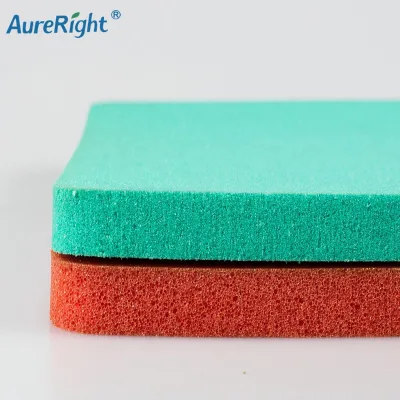
Comprehensive Sourcing Guide
High Density Memory Foam Insole Sourcing Guide
Procuring high density memory foam insoles requires a disciplined approach to material verification and supplier qualification. Buyers must distinguish between standard polyurethane foams and true high-density variants that offer superior durability and load-bearing capacity. The observed market signals indicate a strong presence of sponge-based materials, which often serve as the foundational layer for memory foam constructions. Understanding the distinction between raw material composition and finished product performance is critical for ensuring that the insoles meet specific ergonomic and longevity requirements.
The sourcing landscape reveals a diverse range of product models and customization options available from manufacturers. Listings show a wide variety of thicknesses, widths, and packaging formats, suggesting that suppliers are equipped to handle bespoke orders. However, the presence of generic terms like "sponge" alongside specific model numbers indicates that buyers must look beyond surface-level descriptions. It is essential to request physical samples to verify the actual density and recovery rate of the foam, as these properties directly impact comfort and support in the final footwear application.
Product Scope and Observed Listing Signals
The current market offers a broad spectrum of insole materials, with sponge and polyurethane being the most frequently cited components. Observed listings highlight a price range that suggests competitive pricing for bulk orders, though buyers should remain cautious of prices that seem unusually low for high-density variants. The availability of customization options, including logo printing and specific color choices, indicates that many suppliers are willing to tailor products to brand specifications. This flexibility is particularly valuable for private label buyers seeking unique market positioning.
Thickness and width specifications vary significantly across different product models, with some suppliers offering rolls of material in standard widths like 1.4m or 1.5m. Other listings specify discrete insole units with thicknesses ranging from 2mm to 20mm, catering to diverse footwear needs. The observed packaging methods, including OPP bags and polybags with paper inserts, suggest a focus on protecting the material during transit. Buyers should verify whether the packaging is designed to maintain the shape and integrity of the memory foam, especially for products that are sensitive to compression during storage.
Technical Specifications to Verify
Verifying the raw material composition is the first step in ensuring product quality. While some listings mention MDI as a raw material, which is common in polyurethane foam production, buyers must confirm the specific density rating of the finished insole. High-density memory foam typically exhibits a slower recovery rate and greater resilience compared to standard sponge materials. Requesting detailed technical data sheets that specify the foam's density in kg/m³ is essential for comparing suppliers objectively and ensuring that the product meets the intended performance standards.
Thickness and structural integrity are critical technical parameters that influence the comfort and fit of the insole. Listings indicate a wide range of available thicknesses, from thin inserts to substantial cushioning layers. Buyers should verify the consistency of thickness across the entire surface of the insole, as variations can lead to uneven wear and discomfort. Additionally, the edge finishing and shape stability of the insole should be assessed to ensure that it maintains its form under repeated loading and unloading cycles, which is a key characteristic of high-quality memory foam.
Compliance and Safety Documentation
Ensuring that insoles meet relevant safety and environmental standards is a crucial aspect of the sourcing process. Buyers should request documentation that confirms the absence of harmful substances such as formaldehyde, heavy metals, and volatile organic compounds. While specific certification statuses are not universally listed, reputable suppliers should be able to provide test reports from accredited laboratories. These reports should cover both material safety and durability, ensuring that the insoles are safe for prolonged skin contact and do not degrade prematurely.
Labeling and packaging compliance are also important considerations, particularly for markets with strict regulatory requirements. Buyers must ensure that the product packaging includes accurate information regarding material composition, care instructions, and country of origin. Some listings mention custom standards and packaging options, which can be leveraged to meet specific regional labeling laws. It is advisable to work with suppliers who have experience in exporting to your target market, as they will be more familiar with the necessary compliance documentation and labeling requirements.
Cost Drivers and Commercial Terms
Several factors influence the final cost of high density memory foam insoles, including material density, thickness, and customization requirements. Higher density foams generally command a premium due to the increased material usage and more complex manufacturing processes. Customization options, such as specific logos, colors, and packaging, can also add to the overall cost. Buyers should request detailed quotations that break down these costs to understand the true value proposition of each supplier and avoid hidden fees.
Minimum order quantities and payment terms are significant commercial considerations that impact cash flow and inventory management. Observed MOQs range from 1000 to 3000 units, which is typical for customized footwear components. Buyers should negotiate terms that align with their sales forecasts and storage capabilities. Additionally, understanding the lead times for production and shipping is essential for planning inventory replenishment. Suppliers that offer free samples for quality checking can help mitigate risk, allowing buyers to validate the product before committing to larger orders.
Supplier Qualification and Quality Control
Conducting thorough supplier qualification is essential to ensure a reliable supply chain. Buyers should verify the supplier's manufacturing capabilities, including their production capacity and quality control processes. Suppliers that offer customization and have a wide range of product models are likely to have more flexible and robust production lines. It is advisable to request references or case studies from previous clients to gauge the supplier's reliability and consistency. Visiting the factory or conducting a virtual audit can provide valuable insights into their operational standards.
Implementing a rigorous quality control process is crucial for maintaining product consistency. Buyers should establish clear acceptance criteria for density, thickness, and appearance, and conduct regular inspections during production. Sampling plans should be defined to ensure that a representative portion of the order is checked for defects. Suppliers that provide free samples for quality checking demonstrate confidence in their product, but buyers should still perform their own independent testing to verify that the bulk production matches the sample quality.
Long-Term Procurement Checks
Building a long-term relationship with a reliable supplier requires ongoing monitoring and evaluation. Buyers should track key performance indicators such as on-time delivery, product quality, and responsiveness to issues. Regular communication with the supplier can help identify potential problems early and foster a collaborative partnership. Suppliers that are willing to adapt to changing market demands and offer continuous improvements are valuable partners for long-term procurement.
Reviewing and updating procurement strategies periodically is essential to stay competitive. Buyers should monitor market trends and technological advancements in foam materials to ensure that their products remain relevant. Engaging with multiple suppliers can provide leverage in negotiations and reduce dependency on a single source. By maintaining a diversified supplier base and continuously evaluating performance, buyers can mitigate risks and ensure a steady supply of high-quality high density memory foam insoles.
FAQs
What thickness options are available for High Density Memory Foam Insole material?
High Density Memory Foam Insole material is typically supplied in thicknesses from 2mm to 20mm, allowing you to match different shoe styles. Thinner sheets suit dress and casual shoes, while thicker options fit sports and comfort insoles. When requesting quotes, confirm your required thickness, since sheet or roll pricing can vary by grade and density.
What raw material is used to make High Density Memory Foam Insole sheets?
These insole sheets are produced from MDI-based sponge foam, which gives the material its high density and resilient cushioning. MDI formulation supports consistent firmness across batches, which matters for comfort and durability. Always confirm the raw material specification with your supplier when comparing samples before placing a bulk order.
Can High Density Memory Foam Insole material be customized for my brand?
Yes, customization is generally available. Suppliers commonly offer custom colors, thicknesses, die-cut shapes, and logo printing on the material or packaging. Provide your specification sheet, artwork, and target quantity when requesting quotations. Sampling before mass production is recommended so you can verify density, color accuracy, and packaging against your requirements.
Are free samples of High Density Memory Foam Insole material available?
Yes, free samples for quality checking are commonly offered before bulk production. You typically pay only for freight, and sample lead time is shorter than production time. Before ordering, test samples for density, thickness tolerance, recovery after compression, and odor. Use approved samples as the reference standard in your purchase contract to avoid disputes.
How is High Density Memory Foam Insole material packed and supplied?
Material is usually supplied in rolls of 1.4m or 1.5m width, or as sheets packed in bags with PU paper, or in strong polybags with around 20 sheets per bag. Finished insoles are often packed in OPP bags. Confirm packing style, sheet count per bag, and carton markings with the supplier, since packaging affects freight cost and warehouse handling.
What is the typical MOQ and price range for High Density Memory Foam Insole products?
Listed products generally show MOQs from 1000 to 3000 pieces or sheets, with unit prices ranging roughly from 0.33 to 3.5 USD depending on thickness, density, customization, and order volume. Lower MOQs usually carry higher unit prices. Request tiered quotations at different volumes to find the best balance between inventory cost and unit pricing.