Source Kids Halloween Shoe Charms for clogs, wristbands, and flats
Compare 30 listings of Kids Halloween Shoe Charms made from PVC, rubber, and fabric. Buyers can evaluate prices, MOQs, and customization options for clog shoes, wristbands, and flat shoes decoration; compare the available evidence and request quotations based on your requirements.
Key considerations
Products List
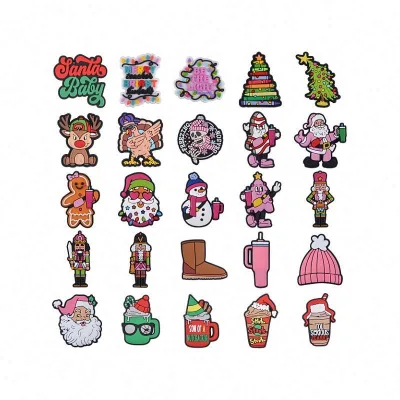
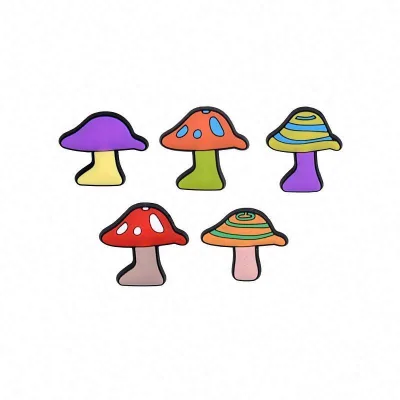
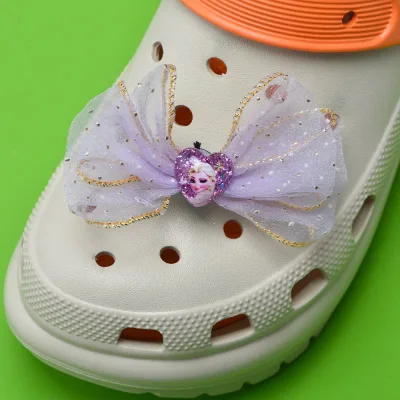
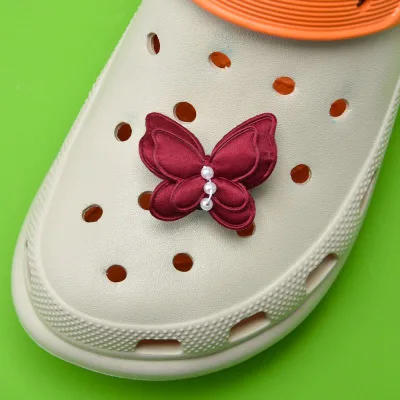
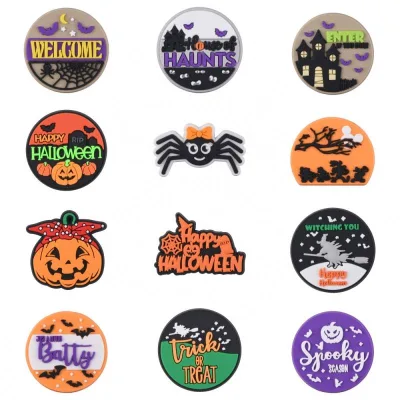


Wholesale Custom Mini Cartoon Sneakers Charms Party Decorations Shoe Charms
$0.09 - $0.16
MOQ: 2000 Pieces

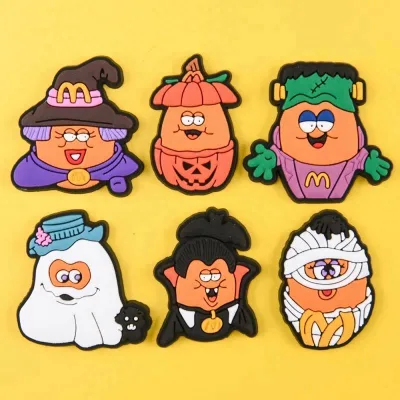


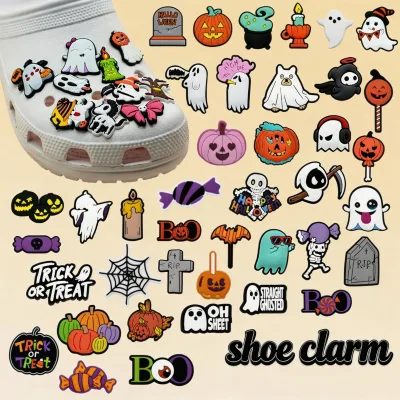
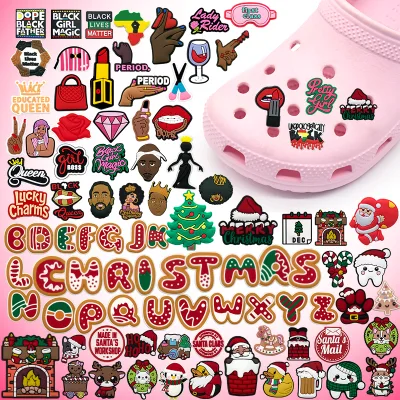
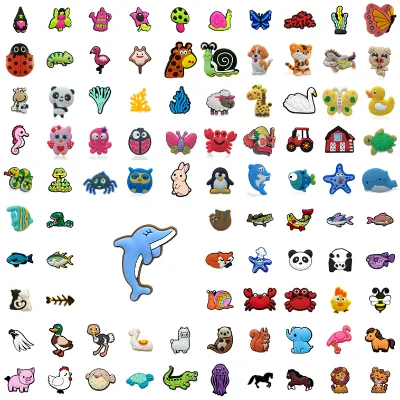
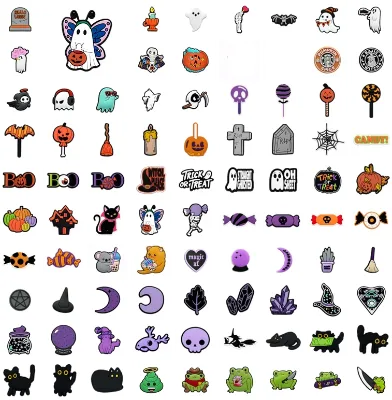

Comprehensive Sourcing Guide
Kids Halloween Shoe Charms Sourcing Guide
Procuring Halloween-themed shoe charms for children requires a strategic focus on material safety and visual appeal, as these accessories are often handled by young hands. The market offers a diverse range of options, including soft PVC and fabric-based designs that cater to various aesthetic preferences while maintaining durability. Buyers must prioritize items that balance festive imagery with the structural integrity needed for daily wear on clogs and flat shoes.
Sourcing decisions should also account for the specific customization capabilities of suppliers, as many vendors support custom logos and unique styles to align with seasonal marketing campaigns. The ability to select from a wide palette of colors and shapes allows retailers to create cohesive product lines that resonate with target demographics. Understanding these variables ensures that the final selection meets both safety standards and commercial expectations for the holiday season.
Product Scope and Observed Listing Signals
The current market landscape for children's shoe charms features a significant concentration of PVC and soft plastic materials, which are favored for their flexibility and vibrant color retention. Listings frequently highlight specific design elements such as cartoon characters, bows, and buckles, which serve as primary decoration points for clogs and wristbands. These items are generally categorized as unisex accessories, making them versatile for various age groups and footwear types during the Halloween season.
Observations indicate a wide variance in minimum order quantities, ranging from small batches of two pieces to larger wholesale orders of up to three thousand units. This flexibility allows buyers to test market demand with low-risk initial orders before committing to larger inventory volumes. The packaging is typically simple, often utilizing individual OPP bags, which helps keep shipping costs low while protecting the delicate charms from damage during transit.
Technical Specifications to Verify
When evaluating product specifications, the physical dimensions of the charms are critical for ensuring they fit securely on various shoe models without causing discomfort. Typical single package sizes range from 3x3x1 cm to 5.5x5.5x5 cm, with individual weights varying between 2 grams and 8 grams depending on the material density and design complexity. Buyers should verify that the size specifications align with the intended footwear, particularly for smaller children's shoes where oversized charms might be impractical.
Material composition is another vital technical parameter, with most listings specifying soft PVC, rubber, or fabric blends. The choice of material directly impacts the tactile experience and durability of the charm, as soft PVC offers a pliable feel while fabric options provide a different texture. It is essential to confirm whether the product is designed as a 2D or 3D ornament, as this affects the visual depth and how the charm sits on the shoe surface.
Compliance and Safety Documentation
Safety compliance is paramount when sourcing products intended for children, as these items are often placed near the mouth or handled frequently by young users. While specific certification names are not universally listed in all product descriptions, buyers must ensure that materials meet relevant international safety standards for toys and children's accessories. This includes verifying that the PVC or rubber used is free from harmful phthalates and heavy metals that could pose health risks.
Documentation regarding the origin of materials and manufacturing processes should be requested to confirm adherence to safety regulations. Suppliers should be able to provide test reports or declarations of conformity that validate the non-toxic nature of the charms. Without this verification, there is a risk of non-compliance with import regulations in key markets, which could lead to product seizures or legal liabilities for the retailer.
Cost Drivers and Commercial Terms
The pricing structure for shoe charms is influenced by several factors, including material costs, design complexity, and the volume of the order. Observed price ranges in the market span from very low unit costs to higher prices for customized or premium designs, reflecting the diversity in production methods. Buyers should analyze the cost per unit relative to the minimum order quantity to determine the most economical purchasing strategy for their specific needs.
Commercial terms such as lead times and sample availability play a significant role in the overall procurement timeline. Typical delivery windows range from 10 to 15 days, with sample times often requiring 5 to 7 days for production and shipping. Understanding these timelines is crucial for planning inventory levels ahead of the Halloween season, ensuring that products arrive in time for peak sales periods without incurring rush fees.
Supplier Qualification and Quality Control
Supplier qualification involves assessing the manufacturer's ability to maintain consistent quality across large production runs, especially when custom styles are requested. Many suppliers highlight characteristics such as low cost and high quality, but buyers must independently verify these claims through rigorous quality control checks. This includes inspecting samples for defects in molding, color consistency, and the strength of attachment points like buckles or knots.
Quality control protocols should also address the durability of the charms under normal wear conditions. Since these items are designed for decoration on shoes, they must withstand friction and movement without breaking or losing their shape. Establishing clear acceptance criteria for defects and ensuring that the supplier has a robust process for handling returns or replacements is essential for maintaining brand reputation and customer satisfaction.
Long-Term Procurement Checks
Building a sustainable supply chain for seasonal items requires ongoing monitoring of supplier performance and market trends. Buyers should regularly review the consistency of product quality and the reliability of delivery schedules to identify any potential disruptions early. This proactive approach helps mitigate risks associated with supply chain volatility and ensures a steady flow of inventory for future seasonal cycles.
Long-term success also depends on the ability to adapt to changing consumer preferences and regulatory requirements. As safety standards evolve and design trends shift, suppliers must demonstrate flexibility in updating their product lines. Maintaining open communication with suppliers regarding future customization needs and potential material changes will help buyers stay competitive and responsive to the dynamic nature of the children's accessory market.
FAQs
What materials are used for Kids Halloween Shoe Charms?
Kids Halloween Shoe Charms are primarily crafted from soft PVC, plastic, or fabric. These materials ensure flexibility and safety for children. Some designs incorporate rubber PVC for durability. The choice of material affects the charm's weight and texture, allowing for various decorative styles suitable for clogs and flat shoes.
How much is the minimum order quantity for shoe charms?
The minimum order quantity varies by supplier, ranging from 2 pieces to 3000 pieces. Some vendors require a standard MOQ of 100 pieces for bulk orders. Lower MOQs are available for sample testing or small batches. Buyers should check specific product listings to confirm the exact MOQ requirements for their desired quantity.
Can I customize the logo on these shoe charms?
Yes, many suppliers support custom logo printing on Kids Halloween Shoe Charms. The logo is typically placed on the upper part of the charm. Buyers can request specific designs or branding to match their needs. This customization option allows for unique personalization, making the charms suitable for gifts or branded merchandise.
What is the typical lead time for production?
The typical lead time for production is 10 to 15 days. Sample preparation usually takes 5 to 7 days. These timelines apply to standard orders and may vary based on customization complexity. Buyers should plan their procurement schedule accordingly to ensure timely delivery for events or seasonal demands.
Where are these shoe charms manufactured?
These shoe charms are manufactured in Fujian, China. This region is known for its strong manufacturing capabilities in plastic and rubber products. The location supports efficient production and export logistics. Buyers sourcing from this area benefit from established supply chains and competitive pricing for decorative shoe accessories.
What are the packaging details for shoe charms?
Shoe charms are typically packed in individual OPP bags. This packaging protects the items during shipping and storage. The single package size is approximately 3x3x1 cm or 5x5x5 cm, depending on the design. The gross weight is very light, around 0.003 kg to 0.008 kg per item, facilitating easy handling.