Source High Frequency Nickel Ore Screen for Mining, Quarry, and Coal
Compare 30 High Frequency Nickel Ore Screen options from verified Chinese manufacturers. Buyers can evaluate specifications like linear or circular tracks, spring types, and warranty periods to find suitable equipment for mining, quarrying, and coal processing applications; compare the available evidence and request quotations based on your requirements.
Key considerations
Products List


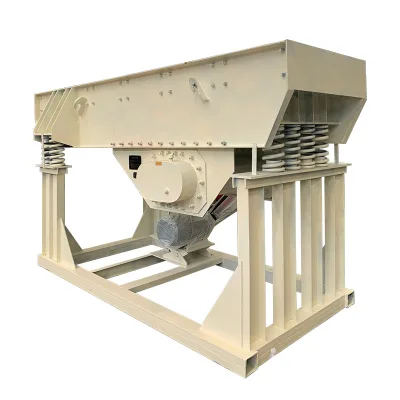

High Frequency Mineral Equipment Vibrating Screen for Ore Dressing Industry
$4000.00 - $10000.00
MOQ: 1 Pieces

High Frequency Vibrating Screen for Gold Zinc Copper Silver Iron Mining Processing
$4000.00 - $10000.00
MOQ: 1 Pieces

Ore Classification Equipment Circular Vibrating Screen for Gold, Coal, Copper, Iron, Stone, Rock
$4000.00 - $10000.00
MOQ: 1 Pieces


High Frequency Electromagnetic Vibrating Screen Is Widely Used in Iron Ore
$5400.00 - $22000.00
MOQ: 1 Pieces


High-Efficiency Vibrating Screen for Aggregate and Mineral Processing
$6000.00 - $20000.00
MOQ: 1 Pieces

High-Efficiency Vibrating Screen for Mineral Processing and Separation
$6000.00 - $20000.00
MOQ: 1 Pieces

Durable Screening Machine Vibrating Screen with Adjustable Frequency
$6000.00 - $20000.00
MOQ: 1 Pieces


High-Frequency for Fine Material Separation Mining Equipment Machine
$59000.00 - $117000.00
MOQ: 1 Pieces


Comprehensive Sourcing Guide
High Frequency Nickel Ore Screen Sourcing Guide
Procuring high-frequency vibrating screens for nickel ore processing requires a precise understanding of mechanical dynamics and material handling capabilities. These machines are engineered to separate fine particles with high efficiency, making them critical for downstream metallurgical operations. Buyers must distinguish between linear and circular motion types, as each serves distinct screening objectives in the mining value chain. The selection process hinges on matching the screen’s vibration frequency and amplitude to the specific granulometry of the nickel ore feed.
Understanding the operational environment is equally vital for successful implementation. Nickel ore often presents challenges such as high moisture content or abrasive wear, which can accelerate component degradation if the equipment is not properly specified. Sourcing guides must emphasize the importance of selecting screens with appropriate deck configurations and screen media materials. This ensures that the machinery can maintain throughput rates while minimizing downtime caused by blinding or excessive wear, ultimately protecting the capital investment in the processing plant.
Product Scope and Observed Listing Signals
Market listings for vibrating screens reveal a diverse range of configurations tailored to different ore types. Observed data indicates a price range from approximately $15.90 to $117,000, reflecting variations in size, motor power, and structural complexity. The minimum order quantity typically spans from one to one hundred units, allowing for both single-unit plant upgrades and large-scale fleet expansions. Buyers should note that these figures represent observed market signals rather than fixed catalog prices, necessitating direct negotiation for accurate budgeting.
Technical attributes vary significantly across suppliers, with some offering single-shaft linear screens while others provide circular vibrating models. Specific models like the GPS-4 and YK Series appear in listings, often accompanied by detailed specifications such as motor models and overall dimensions. Warranty periods generally range from one to two years, indicating the manufacturer’s confidence in durability. Additionally, customization options are frequently available, allowing buyers to tailor the screen’s transmission structure and supporting devices, such as rubber or coil springs, to their specific ore characteristics.
Technical Specifications to Verify
Verifying the motor specifications is a critical step in ensuring the screen meets throughput requirements. Listings often cite specific motor models, such as the Y160m-4, with power ratings around 11 kW, which drive the eccentric or vibrating mechanisms. Buyers must confirm that the motor’s power output aligns with the expected load of the nickel ore, preventing underperformance or premature failure. The overall dimensions, such as 318426702280 mm, also need to be cross-referenced with the available footprint in the processing facility to ensure proper installation and maintenance access.
The screening mechanism’s design directly impacts separation efficiency and product quality. Linear vibrating screens are often preferred for their straight-line motion, which aids in rapid material transport and dewatering. In contrast, circular screens may offer better screening surface utilization for certain particle sizes. Buyers should verify the type of transmission structure, whether it is an eccentric or standard vibrating setup, and ensure that the supporting devices, such as springs, are compatible with the machine’s weight and operational dynamics to minimize vibration transmission to the foundation.
Compliance and Safety Documentation
Safety and regulatory compliance are non-negotiable aspects of industrial equipment procurement. Many suppliers provide certifications such as ISO and CE, which indicate adherence to international quality and safety standards. Buyers must request valid certification documents to ensure that the equipment meets the legal requirements of their operating jurisdiction. These certifications often cover electrical safety, mechanical integrity, and environmental considerations, providing a baseline assurance of the manufacturer’s commitment to quality control and regulatory compliance.
Documentation should also include detailed operational manuals and maintenance guidelines. These resources are essential for training plant operators and maintenance personnel on safe handling procedures. Buyers should verify that the supplier provides comprehensive documentation in the local language, covering startup sequences, emergency stop protocols, and routine inspection checklists. Proper documentation reduces the risk of operational accidents and ensures that the equipment is used within its designed parameters, extending its service life and maintaining consistent performance in nickel ore processing applications.
Cost Drivers and Commercial Terms
Several factors influence the total cost of ownership for high-frequency vibrating screens. The primary cost drivers include the material composition, such as chromium or manganese steel, which affects durability and wear resistance. Heavier units, weighing up to 4675 kg, may incur higher shipping and installation costs. Buyers should also consider the energy consumption of the motor, as higher power ratings can lead to increased operational expenses over the equipment’s lifespan. Evaluating these factors holistically helps in making a cost-effective procurement decision.
Commercial terms and logistics play a significant role in the final acquisition cost. Delivery methods, such as sea transportation, are common for heavy machinery, impacting lead times and insurance costs. Suppliers often offer factory prices, but buyers must account for additional expenses like customs duties, local freight, and installation services. Some providers offer engineer overseas services for installation, which can reduce commissioning risks but adds to the initial project budget. Understanding these commercial nuances allows for more accurate financial planning and negotiation.
Supplier Qualification and Quality Control
Evaluating supplier credibility is essential for securing reliable equipment. Buyers should verify the supplier’s place of origin, with many manufacturers located in regions like Henan or Shandong in China, known for heavy industry expertise. Checking for video outgoing inspections can provide visual confirmation of the machine’s condition before shipment. This transparency helps buyers assess the build quality and finish, ensuring that the equipment meets their specifications before it leaves the factory.
Quality control processes should be rigorously examined to minimize the risk of receiving defective units. Suppliers that offer video inspections and detailed production records demonstrate a commitment to quality assurance. Buyers should inquire about the testing procedures used for motors and structural components. Additionally, verifying the supplier’s after-sales service capabilities, such as offering spare parts for the entire using life, ensures long-term support. A qualified supplier will provide clear channels for technical assistance and rapid response to any operational issues that may arise.
Long-Term Procurement Checks
Establishing a robust maintenance strategy is crucial for maximizing the lifespan of vibrating screens. Buyers should confirm the availability of spare parts, with some suppliers offering components for up to twelve months or more. Regular replacement of wear parts, such as screen media and springs, is necessary to maintain screening efficiency. Procurement contracts should include clear terms for spare parts supply, ensuring that downtime is minimized when components require replacement due to normal wear and tear.
After-sales service agreements should be carefully negotiated to cover the entire operational life of the equipment. Suppliers that offer comprehensive after-sales support can assist with troubleshooting, performance optimization, and major repairs. Buyers should verify the warranty terms, which typically range from one to two years, and understand the conditions under which claims can be made. Long-term procurement checks also involve monitoring the supplier’s reputation and financial stability, ensuring they remain a viable partner for future expansions or replacements in the nickel ore processing facility.
FAQs
What is the warranty period for high frequency nickel ore screens?
The standard warranty period is two years for new linear vibrating screens. This coverage ensures operational reliability for mining applications. Buyers should verify specific terms with the supplier, as some circular models may offer a one-year warranty. Always confirm the warranty duration and scope before finalizing the purchase agreement to protect your investment.
Can high frequency nickel ore screens be customized for specific needs?
Yes, customization is available for many High Frequency Nickel Ore Screen models. Manufacturers offer both customized and non-customized options to suit different mining requirements. You can specify parameters such as motor power, dimensions, or spring types. Contact the supplier directly to discuss your unique operational needs and ensure the equipment matches your site conditions.
What certifications do high frequency nickel ore screens typically hold?
High frequency nickel ore screens typically hold ISO and CE certifications. These standards verify compliance with international quality and safety regulations. Some models may also meet national standards depending on the origin. Buyers should request valid certification documents from the supplier to ensure the equipment meets your local regulatory requirements and operational safety standards.
How is the delivery and installation handled for these screens?
Delivery is usually handled via sea transportation for international orders. Installation support often includes engineer overseas services to ensure proper setup. Spare parts are typically provided for twelve months to maintain continuous operation. Buyers should coordinate logistics early and confirm the availability of technical support to minimize downtime during the initial commissioning phase.
What is the typical power consumption for a standard model?
A standard model often features an 11 Kw motor, such as the Y160m-4 type. This power rating supports efficient screening for ores and stones. The overall dimensions and weight vary by model, affecting installation space. Buyers should verify the exact motor specifications and power requirements with the supplier to ensure compatibility with their existing electrical infrastructure.
Which materials are used in the construction of these screens?
These screens are constructed from durable materials like chromium, manganese, alloy, and steel. The robust construction ensures longevity in harsh mining environments. Supporting devices may include rubber or coil springs depending on the model. Buyers should inquire about specific material grades to ensure the equipment can withstand the abrasion and impact of nickel ore processing.