Source Wet Grid Ball Mill for Mining, Cement, and Construction
Explore 26 Wet Grid Ball Mill options from verified Chinese manufacturers. Buyers can compare specifications like motor power, capacity, and certifications to find suitable equipment for mineral operations, cement making, and construction projects; compare the available evidence and request quotations based on your requirements.
Key considerations
Products List


$50000.00 - $180000.00
MOQ: 1 Pieces


Wet and Dry Continuous Ball Mill for Mineral Processing, Ball Grinding Mill
$5600.00 - $200000.00
MOQ: 1 Pieces




Comprehensive Sourcing Guide
Wet Grid Ball Mill Sourcing Guide
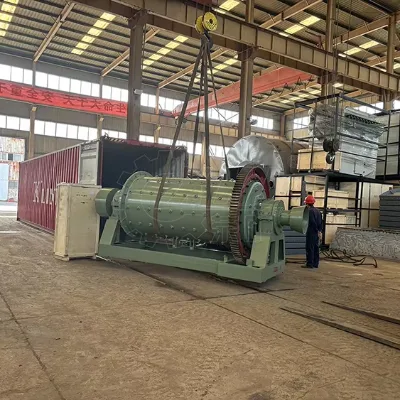
The Wet Grid Ball Mill is a critical grinding unit designed for mineral processing, chemical industries, and construction applications where fine particle reduction is essential. Buyers must recognize that these machines operate with a semiautomatic grade, utilizing iron or carbon steel components to ensure durability during high-volume operations. The grid structure facilitates efficient slurry flow, making the equipment particularly suitable for gold mining, cement making, and quarry operations where consistent grinding capacity is required.
When evaluating listings, procurement teams should note that observed models vary significantly in dimensions, with diameters reaching up to six meters and specific configurations like the 3660 or 900*1100 models. The market presents a wide price spectrum, ranging from 550 to over one million USD, reflecting differences in motor power, capacity, and customization levels. Buyers must carefully distinguish between standard export packages and custom requirements to align the purchase with their specific logistical and operational needs.
Product Scope and Observed Listing Signals
Sourcing signals indicate that these mills are primarily manufactured in Henan, China, with a strong emphasis on customization to meet specific customer requirements. The observed product attributes highlight a focus on energy-saving features and stable grinding capacity, which are vital for maintaining operational efficiency in continuous mining and cement production environments. Buyers should verify that the listed "New" condition applies to the specific unit, as the market includes both brand-new and refurbished options that may differ in warranty coverage.
The application scope extends beyond simple grinding to include complex mineral operations where heat-resistant materials and specific surface treatments like oxidation are necessary. Listings often specify motor types as AC motors with power ratings such as 7.5KW, though higher capacities are available for larger industrial setups. Procurement teams must scrutinize the "Required" or "Customerized" color options and packing standards, ensuring that the selected unit supports long-distance sea transportation without compromising the integrity of the machinery during transit.
Technical Specifications to Verify
Technical verification begins with confirming the rotation speed, which typically ranges between 16 and 18 revolutions per minute for optimal grinding performance. Buyers must cross-reference the listed diameter and model number, such as HZ-1.2*4.5 or MQG, against their plant's physical constraints and throughput requirements. The capacity range of 1 to 300 tons per hour is a critical metric that dictates the scale of the operation, requiring precise alignment with the mill's internal geometry and liner design.
Motor power and installation requirements are equally critical, as the equipment often necessitates engineer-guided installation to ensure proper alignment and safety. The standard export package dimensions, such as 1.51.11.6 meters or 500022802050mm, must be validated against shipping container limits and on-site handling capabilities. Additionally, the plate material, whether steel or copper alloy, must be verified to ensure compatibility with the specific chemical or mineral environment where the mill will operate.
Compliance and Safety Documentation
Compliance verification requires confirming that the equipment meets ISO 9001 and CE standards, which are frequently cited in product certifications for these industrial mills. Buyers should request the Machinery Test Report provided by the supplier to validate performance claims and ensure the unit adheres to ASME standards where applicable. The absence of specific certification details in a listing should trigger a request for documentation before any financial commitment is made.
Safety documentation must also address the installation process and the availability of spare parts for long-term maintenance. The supplier's commitment to providing video technical support and online assistance is a key indicator of their ability to support the buyer post-delivery. Procurement teams should ensure that the warranty period, typically one year, is clearly defined in the contract and that the after-warranty service plan includes comprehensive spare part supply to minimize downtime.
Cost Drivers and Commercial Terms
Cost drivers for wet grid ball mills are heavily influenced by the level of customization, material quality, and the specific motor power required for the application. The observed price range of 550 to 1,000,000 USD reflects the vast difference between small-scale units and large industrial systems capable of handling hundreds of tons per hour. Buyers must analyze the total cost of ownership, including shipping costs for standard export packaging and the potential expenses associated with custom modifications.
Commercial terms should explicitly define the minimum order quantity, which ranges from 1 to 25 units depending on the supplier's production capacity. Lead times and payment terms are often tied to the customization level, with custom orders requiring longer production schedules. It is essential to clarify whether the price includes the engineer guide for installation or if this is a separate line item, as this significantly impacts the overall project budget and timeline.
Supplier Qualification and Quality Control
Supplier qualification hinges on their ability to provide consistent quality control and reliable after-sales support throughout the machine's lifecycle. Buyers should prioritize suppliers who offer video technical support and online assistance, as these services are crucial for troubleshooting operational issues without requiring immediate physical intervention. The availability of spare parts support is a key differentiator, ensuring that the mill can remain operational even after the initial warranty period expires.
Quality control processes must be verified through the supplier's adherence to manufacturing standards and their ability to provide detailed machinery test reports. The use of high-quality materials like carbon steel and copper alloy, along with processes such as stamping and oxidation, indicates a commitment to durability. Procurement teams should assess the supplier's track record in the mineral and chemical industries to ensure they have the expertise to deliver a mill that meets the rigorous demands of these sectors.
Long-Term Procurement Checks
Long-term procurement checks focus on the sustainability of the supply chain and the availability of technical support over the machine's entire lifespan. Buyers should establish a clear agreement for the supply of spare parts and the provision of ongoing technical assistance, as these are critical for maintaining high grinding efficiency and stable capacity. The "Whole Using Life" service promise should be backed by a concrete plan for parts delivery and remote support capabilities.
Regular audits of the supplier's production capabilities and quality assurance processes are necessary to ensure continued compliance with ISO and CE standards. Buyers must also monitor the supplier's ability to adapt to changing requirements, such as updates in environmental regulations or shifts in production capacity needs. Establishing a strong partnership with a qualified supplier ensures that the Wet Grid Ball Mill remains a reliable asset for years of continuous mineral and industrial processing operations.
FAQs
What certifications do wet grid ball mills typically hold?
Wet grid ball mills commonly hold ISO and ISO 9001 certifications, often accompanied by CE marks. These standards verify that the manufacturing processes and quality management systems meet international requirements. Buyers should verify specific certification documents provided by the supplier to ensure compliance with their local regulatory standards and operational safety protocols.
Can wet grid ball mills be customized for specific applications?
Yes, wet grid ball mills are available for customization to suit specific industrial needs. Manufacturers offer tailored solutions for mineral operations, chemical industries, and construction sectors. Customization options include adjusting the motor power, rotation speed, and overall dimensions to match the unique requirements of gold mining, cement making, or quarrying processes effectively.
What is the typical warranty and after-sales support for these mills?
Most wet grid ball mills come with a one-year warranty and comprehensive after-sales support. Services typically include video technical support, online assistance, and spare parts supply throughout the machine's lifecycle. Engineers may also provide installation guidance to ensure proper setup, helping buyers maintain stable grinding capacity and operational efficiency over time.
How are wet grid ball mills packaged for international shipping?
Wet grid ball mills are packaged in standard export packages suitable for long-distance and sea transportation. The packaging is designed to protect the machinery during transit, ensuring it arrives in new condition. This method aligns with customer requirements and facilitates safe delivery to various global locations, minimizing the risk of damage during handling and logistics.
What materials are used in the construction of wet grid ball mills?
Wet grid ball mills are primarily constructed from durable materials such as iron, carbon steel, and copper alloys. Some components may feature heat-resistant properties and oxidation surface treatments. These materials ensure the mill can withstand the rigorous demands of grinding operations in mining and cement industries while maintaining structural integrity and performance stability.
What is the maximum diameter for Wet Grid Ball Mill models?
The maximum diameter for Wet Grid Ball Mill models can reach up to six meters. This specification allows for large-scale processing capabilities in industrial applications. Buyers should consult specific product models, such as the 3660 or HZ-1.2*4.5, to determine the exact dimensions and capacity that best fit their production requirements and facility constraints.