Source High-Molecular Polymer Petroleum Jelly for Lubrication
Find 30 listings for high-molecular polymer petroleum jelly from verified suppliers. Buyers can compare specifications, pricing, and packaging options for industrial lubrication, waterproofing, and rust prevention applications.
Key considerations
Products List
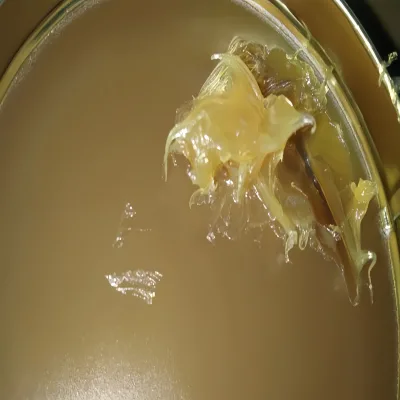
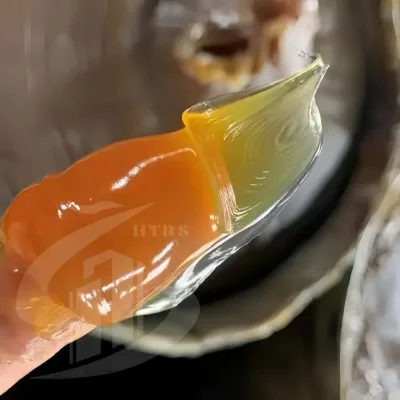
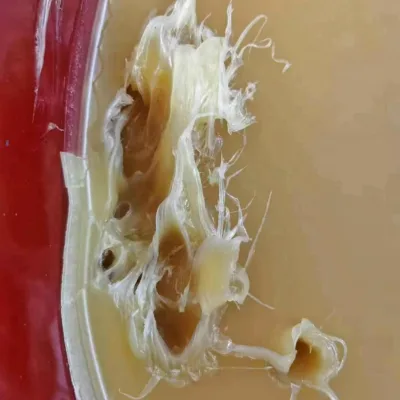

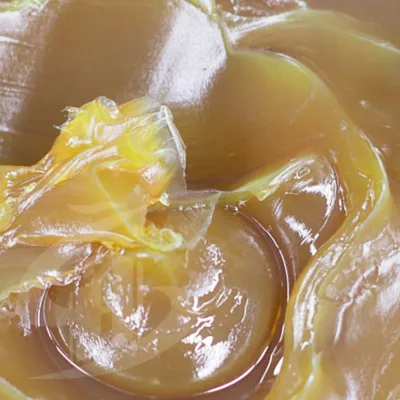
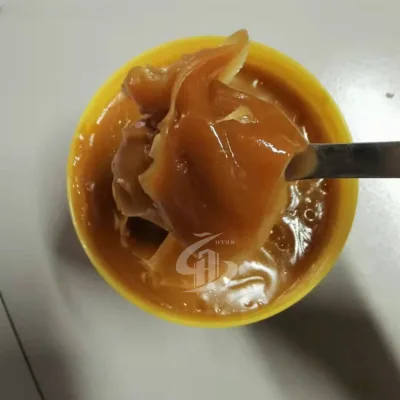


High Temperature Industrial Yellow Petroleum Jelly for Lubrication and Sealing
$1000.00 - $1500.00
MOQ: 10 Pieces

High Purity White Petroleum Jelly for Anti-Dryness and Soothing Formulations
$1000.00 - $1500.00
MOQ: 10 Pieces

Industrial Grade Petroleum Jelly for Rubber Softening and Mold Release
$1000.00 - $1500.00
MOQ: 10 Pieces

High Quality Industrial Petroleum Jelly for Paints and Coating Additives
$1000.00 - $1500.00
MOQ: 10 Pieces




Comprehensive Sourcing Guide
Strategic Sourcing Guide for High-Molecular Polymer Petroleum Jelly
Understanding Product Definitions and Material Variants
When sourcing high-molecular polymer petroleum jelly, buyers must first distinguish between the broad category of petrochemical products and specific grade variations. The market offers products ranging from industrial-grade petrolatum to cosmetic-grade variants, often described using terms such as "White Soft Paraffin" or "White Petroleum Jelly Oil." The core material is a refined mixture of hydrocarbons, typically characterized by its appearance as a white or yellow ointment. While the term "high-molecular polymer" suggests a specific chemical structure, the supplied data indicates that available products are often categorized simply as "Pure Petroleum Jelly" or "Industrial-grade cosmetic grade."
Buyers should verify the exact refinement level, as the product is frequently listed as "Refined" with a purity of ≥99%. The physical state is consistently described as an ointment with a melting point range of 45-60℃. This thermal property is critical for applications requiring stability at ambient temperatures but meltability under specific processing conditions. The density of the material typically falls between 0.8 and 0.92 g/cm³, with a boiling point reported around 322 °C and a refractive index of N20/D 1.45. These physical constants serve as baseline verification points for any incoming shipment, ensuring the material matches the expected chemical profile of a high-molecular weight paraffinic mixture.
Technical Specifications and Performance Attributes
Technical due diligence requires a granular review of the product's physical and chemical attributes. The supplied product data highlights a single package size of 40x40x110 cm, though this likely refers to a palletized or containerized unit rather than the individual drum, which is commonly listed as 165kg or 180kg per drum. The gross weight of such units can reach approximately 1030.5 kg, indicating significant logistical considerations for freight calculation.
The application scope is broad, spanning lubrication, waterproofing, rust prevention, and use as a rubber softener or mold release agent. In the cosmetic sector, the material serves as a skin care ingredient, while in industrial settings, it is utilized for machinery lubrication, food processing equipment, and construction applications. The "Industrial-grade cosmetic grade" designation suggests a dual-purpose material, but buyers must confirm the specific grade intended for their use case, as contamination risks differ between food-grade or cosmetic-grade requirements and heavy industrial lubrication.
The following table outlines the key technical parameters observed in the market data:
| Parameter | Observed Value / Range | Verification Requirement |
|---|---|---|
| Appearance | White/Yellow Ointment | Visual inspection for consistency and color uniformity. |
| Melting Point | 45-60℃ | Differential Scanning Calorimetry (DSC) test. |
| Density | 0.8-0.92 g/cm³ | Hydrometer or pycnometer test. |
| Purity | ≥99% | Gas Chromatography (GC) analysis. |
| Refractive Index | N20/D 1.45 | Refractometer measurement at 20℃. |
| Boiling Point | 322 °C | Distillation test. |
| Shelf Life | 2 Years | Verification of packaging integrity and storage conditions. |
Buyers must note that while "High Purity" is a stated attribute, the specific impurity profile (e.g., polycyclic aromatic hydrocarbons) is not explicitly detailed in the provided facts. Therefore, requesting a Certificate of Analysis (CoA) with specific impurity limits is essential for applications involving skin contact or food processing.
Compliance, Certification, and Regulatory Checks
Navigating the compliance landscape for petroleum jelly requires careful attention to regional regulations and industry-specific standards. The supplied context mentions "ISO 9001:2015" as a low-confidence background item, meaning it should not be assumed as a guaranteed certification for any specific supplier without direct verification. Buyers must treat such claims as assertions to be validated rather than established facts.
For cosmetic applications, compliance with pharmacopoeia standards (such as USP or EP) is often mandatory, though these specific standards are not listed in the source data. In industrial contexts, compliance may focus on environmental regulations regarding volatile organic compounds (VOCs) and heavy metal content. The "Refined" status of the product implies a processing step designed to remove impurities, but the degree of refinement must be confirmed.
Buyers should explicitly request documentation regarding the "Grade" of the product. The market lists "Cosmetic Industry Grade" and "Industrial Grade" as distinct categories. If the intended use involves food processing or direct human contact, the supplier must provide evidence that the product meets the relevant safety standards for those specific applications. Additionally, the "Customization" availability noted in the data suggests that some suppliers may offer tailored formulations, which introduces a need for rigorous validation of the custom batch to ensure it meets the original safety and performance criteria.
Cost Drivers and Pricing Dynamics
The pricing structure for high-molecular polymer petroleum jelly is influenced by several volatile factors, including raw material costs, refining complexity, and logistics. The observed listed price range in the market spans from $0.3 to $2000 USD, a vast disparity that reflects differences in packaging, grade, quantity, and supplier positioning. A unit price of $0.3 likely corresponds to bulk industrial drum purchases, whereas the $2000 figure may represent small, specialized cosmetic-grade packages or custom formulations.
The Minimum Order Quantity (MOQ) is a significant cost driver, with observed ranges from 1 unit to 30,000 units. A specific entry notes an MOQ of 1 Ton, which is a common threshold for industrial buyers. Smaller orders, such as the "Provide 1kg" sample option, will inherently carry a higher per-unit cost due to packaging and handling overheads. The "Selling Units" are listed as "Single item," which can be misleading; buyers must clarify whether this refers to a single drum, a single pallet, or a single kilogram sample.
Logistics costs are substantial given the product's weight and volume. With a single gross weight of over 1000 kg for standard packaging, freight charges will constitute a significant portion of the landed cost. The "Place of Origin" is consistently listed as Beijing, China, which implies specific shipping routes and potential tariffs depending on the destination country. Buyers should factor in the "Lead time" variability, which is not explicitly defined in the data but is implied by the "Sample: Available" status versus bulk production cycles.
Supplier Evaluation and Sourcing Strategy
Evaluating suppliers for petroleum jelly requires a focus on transparency and capability verification. The market data lists multiple brand names, including "kunlun" and "HTRS," indicating a competitive landscape with various manufacturers. However, buyers should not rely on brand recognition alone. Instead, the evaluation should center on the supplier's ability to provide consistent quality and documentation.
Key evaluation criteria include the availability of samples, which is explicitly noted as "Availiable" and "Provide 1kg" in the data. Requesting a sample is a critical step to verify the physical attributes, such as color, texture, and melting point, before committing to a bulk order. The "Customization: Available" attribute suggests that some suppliers are flexible, but this flexibility must be balanced against the risk of inconsistent quality in custom batches.
Buyers should also scrutinize the "Payment" terms, which are listed as "T/T or as customers requirement." This indicates a standard Telegraphic Transfer method but allows for negotiation. Establishing clear payment milestones tied to quality acceptance can mitigate financial risk. Furthermore, the "Place of Origin" being Beijing suggests a centralized manufacturing hub, but buyers should verify if the supplier operates multiple facilities or if the product is sourced from third-party refineries.
Quality Control and Testing Protocols
Implementing a robust quality control (QC) protocol is essential for managing the risks associated with petroleum jelly procurement. The "Purity: ≥99%" claim requires independent verification through laboratory testing. Buyers should mandate a Certificate of Analysis (CoA) for every batch, ensuring that the reported values for density, melting point, and refractive index align with the observed ranges.
Visual inspection is the first line of defense. The product is described as having a "White/Yellow Colour" or "White and Yellow Color." Any deviation from this, such as darkening or discoloration, could indicate oxidation or contamination. The "Shelf Life: 2 Years" is a critical parameter; buyers must verify that the product is within its validity period upon receipt and that the packaging (e.g., 165kg/drum) maintains its integrity to prevent moisture ingress or contamination.
For high-molecular polymer applications, the molecular weight distribution is a key quality indicator. While not explicitly detailed in the provided facts, buyers should request data on the molecular weight range to ensure the product meets the "high-molecular" requirement for specific applications like heavy-duty lubrication or specialized rubber softening. The "Standard: 99%" listed in the data likely refers to purity, but buyers should clarify if this refers to a specific industry standard or a general purity claim.
Long-Term Procurement and Supply Chain Resilience
Sourcing high-molecular polymer petroleum jelly is not merely a transactional activity but a strategic supply chain decision. The "Usage" list includes diverse sectors such as "Daily Chemical, Fine Chemical Raw Materials," "Industrial Machinery," and "Construction." This versatility makes the product susceptible to demand fluctuations across different industries. Buyers should develop long-term relationships with suppliers who can guarantee consistent supply during market volatility.
The "Application" diversity also implies that the product may be subject to changing regulatory requirements. For instance, if a buyer moves from industrial machinery to food processing, the compliance requirements will shift dramatically. Suppliers who offer "Customization" and "Sample" services are better positioned to adapt to these changing needs. However, buyers must ensure that any customization is accompanied by rigorous re-validation of safety and performance.
Finally, the "Packing" specifications, such as "180kg 25kg," offer flexibility in storage and handling. Buyers should assess their storage capabilities to determine the optimal packaging size. Larger drums reduce per-unit packaging costs but require significant storage space and handling equipment. Smaller packages offer flexibility but increase the cost per kilogram. A strategic approach involves balancing these factors to optimize total cost of ownership while maintaining supply chain resilience. By focusing on verified technical data, rigorous quality control, and transparent supplier relationships, buyers can secure a reliable supply of high-molecular polymer petroleum jelly that meets their specific operational needs.
FAQs
What is the melting point range for high-molecular polymer petroleum jelly?
The melting point typically ranges from 45 to 60 degrees Celsius. This thermal property ensures stability at ambient temperatures while allowing meltability under specific processing conditions for industrial applications.
How is the density of high-molecular polymer petroleum jelly measured?
The density generally falls between 0.8 and 0.92 grams per cubic centimeter. Buyers should verify this value using a hydrometer or pycnometer test to ensure the material matches the expected chemical profile.
Which grades of high-molecular polymer petroleum jelly are available?
Available grades include industrial grade, cosmetic grade, and industrial-grade cosmetic grade. Buyers must confirm the specific grade intended for their use case to avoid contamination risks in food or skin contact applications.
Can samples of high-molecular polymer petroleum jelly be provided?
Yes, samples are available, with options to provide 1 kilogram units. Requesting a sample is critical to verify physical attributes like color, texture, and melting point before committing to a bulk order.
What is the minimum order quantity for high-molecular polymer petroleum jelly?
The minimum order quantity can be as low as 1 ton for industrial buyers. Smaller orders like samples incur higher per-unit costs due to packaging and handling overheads associated with single item sales.
How is high-molecular polymer petroleum jelly packaged for shipment?
Products are commonly packed in drums of 165kg or 180kg, with some options for 25kg units. The gross weight of standard packaging units can reach approximately 1030.5 kg, impacting freight calculations significantly.
What is the shelf life of high-molecular polymer petroleum jelly?
The shelf life is typically 2 years when stored correctly. Buyers must verify that the product is within its validity period upon receipt and that the packaging maintains integrity to prevent moisture ingress.