Source High Precision Cacao Bean Grinder for Coffee, Vanilla, Cocoa
Compare 30 High Precision Cacao Bean Grinder options from verified Chinese manufacturers. These machines support grinding for coffee, vanilla, and cocoa powder with customizable features and ISO certifications.
Key considerations
Products List


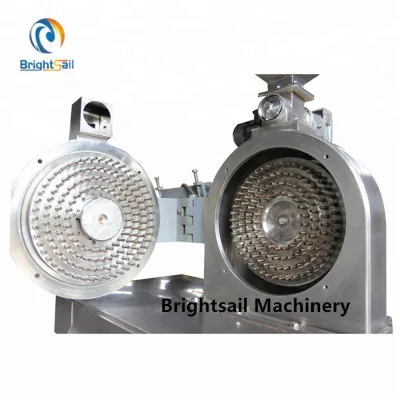
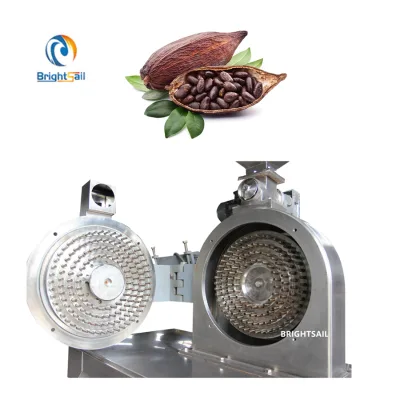

Factory Direct Supply Commercial Grinder Powder Grinder Cacao Bean Grinder
$1520.00 - $36880.00
MOQ: 1 Pieces


Industrial Cocoa Grinding Machine Cocoa Bean Grinding Machine Cocoa Bean Grinder Machine
$2500.00 - $10000.00
MOQ: 1 Pieces


Commercial Electric Espresso Cocoa Bean Coffee Bean Grinder Machine Powder Grinder
$860.00 - $1050.00
MOQ: 100 Pieces


Adjustable Quantities Wholesale Cheapest Coffee Bean Grinders Machine
$380.00 - $550.00
MOQ: 100 Pieces


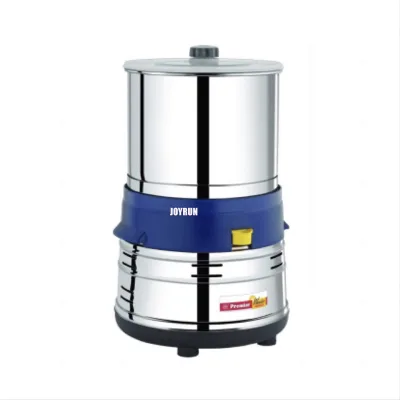


High Quality Cocoa Bean Grinding Machine Cocoa Powder Production Line
$3000.00 - $15000.00
MOQ: 1 Sets
Comprehensive Sourcing Guide
High Precision Cacao Bean Grinder Sourcing Guide
The procurement of high precision cacao bean grinders requires a clear distinction between general-purpose milling equipment and machines specifically engineered for the delicate processing of cocoa beans. While the observed market data includes multi-use grinding machines capable of crushing corn, sorghum, and wheat, the specific requirements for cacao involve maintaining precise particle size distributions to preserve the complex flavor profiles of the bean. Buyers must verify that the selected unit, whether labeled as a pulverizer or a specialized grinder, is constructed with food-grade materials like SUS304 stainless steel to prevent contamination and ensure hygiene standards are met during the grinding of cocoa powder.
Sourcing decisions should be grounded in the specific operational parameters observed in the market, such as power ratings ranging from 5.5 to 27 kilowatts and capacities that vary significantly between 100-300kg/H and heavier industrial units weighing up to 1300 kg. The presence of CNC controlling modes and universal cylindrical grinder types in the broader market suggests that high-precision options may utilize advanced automation to manage the grinding wheel abrasives and processing objects. However, buyers must carefully cross-reference these general specifications with the specific needs of cacao processing, ensuring the machine's application aligns with the production of fine cocoa powder rather than coarse feed or grain crushing.
Product Scope and Observed Listing Signals
The current market listing signals indicate a diverse range of equipment, from compact units with a single volume of 0 cm to large industrial systems with dimensions around 6007001450mm. When searching for a High Precision Cacao Bean Grinder, buyers should look for specific product names and models that explicitly mention cocoa or vanilla bean applications, as general "multi-use grinding machines" may lack the necessary finesse for chocolate manufacturing. The observed data includes specific models like the BSZ and GL-100, which are associated with vanilla and coffee bean grinding, serving as a proxy for the type of machinery that might be adapted or specifically designed for cocoa processing.
Buyers must navigate the variance in product attributes, noting that some listings describe the product type as a "Pulverizer" while others specify "Vanilla Bean Grinder Beans Powder Mill," which often share similar mechanical architectures. The color of the machinery, observed as white or brown, and the packaging details, which frequently include wooden cases or standard packaging, are secondary indicators of the machine's build quality and shipping readiness. It is critical to distinguish between machines designed for high-volume grain crushing and those intended for the precise, low-heat grinding required to produce high-quality cocoa butter and powder, as the latter demands stricter control over the grinding wheel and material flow.
Technical Specifications to Verify
When evaluating technical specifications, the power source and motor capacity are primary determinants of a grinder's ability to handle the density and oil content of cacao beans. The observed power range of 5.5-7.5kw for certain units and 16-27kw for others suggests a significant variance in throughput and torque; buyers must select a motor size that matches their desired output without overheating the beans, which can degrade flavor. The material of construction is equally critical, with SUS304 stainless steel being a verified standard in the observed listings for food-grade applications, ensuring that the grinding chamber and contact surfaces do not react with the acidic or fatty components of the cocoa.
Precision and control mechanisms are the defining features of a high-precision grinder, and the observed availability of CNC controlling modes and precision classifications should be prioritized. Buyers should verify the specific type of grinding wheel abrasives and the processing object compatibility, ensuring the machine can handle the specific hardness and moisture content of the cacao beans being processed. Additionally, the weight of the machine, ranging from 250kg to over 1300kg, impacts the stability required for high-speed grinding, and the dimensions must be compatible with the available floor space in the production facility.
Compliance and Safety Documentation
Compliance documentation for industrial grinding machinery often includes a suite of certifications such as ISO9001, CE, SGS, and BV, which are explicitly mentioned in the observed product data. These standards serve as a baseline for quality management and safety, but buyers must verify that the specific certification applies to the food processing application and not just general industrial manufacturing. The presence of CE and ISO certifications in the listings indicates that the machinery meets certain European and international safety standards, which is essential for importing equipment into regulated markets.
Safety documentation should also cover the operational protocols for the grinding wheel and the electrical systems, particularly given the high power ratings observed. Buyers should request detailed manuals that outline the maintenance of the grinding wheel abrasives and the safety interlocks required for the CNC controlling modes. Furthermore, the "Engineers available to service machinery overseas" attribute observed in the listings is a crucial component of safety and compliance, ensuring that any operational hazards can be addressed by qualified personnel who understand the specific mechanical and electrical risks of the grinder.
Cost Drivers and Commercial Terms
The cost of a High Precision Cacao Bean Grinder is driven by several factors, including the power rating, the complexity of the CNC control system, and the material grade of the construction. The observed price range of 50 to 50,000 USD reflects the vast difference between small-scale units and large industrial systems, and buyers must align their budget with the specific throughput and precision requirements of their production line. The minimum order quantity (MOQ) of 1 set observed in the market allows for flexibility in procurement, but buyers should be aware that higher precision models may carry a premium due to the specialized engineering required for cocoa processing.
Commercial terms such as production time, shipment methods, and warranty coverage are significant variables in the total cost of ownership. The observed production time of 2 days and the availability of fast shipment options suggest a responsive supply chain, but buyers must confirm these timelines for custom-configured units. The warranty period of 1 year and the provision of after-sales service are critical financial protections, ensuring that the high capital investment in the grinder is safeguarded against mechanical failures. Buyers should also consider the packaging details, such as wooden cases, which add to the shipping cost but are necessary for protecting the precision components during transit.
Supplier Qualification and Quality Control
Supplier qualification for high precision grinding equipment requires a thorough vetting of the manufacturer's origin and their track record in food-grade machinery. The observed data points to suppliers located in Henan, Zhengzhou, and Jiangsu, China, regions known for their manufacturing capabilities, but buyers must verify the specific factory's experience with cocoa processing applications. The brand name "BrightSail" and the specific model numbers like BSZ and GL-100 provide traceability, but buyers should ensure that the supplier can demonstrate a history of successful installations for similar food processing tasks.
Quality control processes should be verified through the supplier's adherence to the observed standards, including ISO9001 and CE certifications, and their ability to provide test results for the grinding precision. The attribute of "Customization" being available suggests that suppliers can tailor the machine to specific cacao processing needs, but buyers must establish clear quality control checkpoints for these customizations. The supply ability of 30 sets per month indicates a moderate production capacity, and buyers should assess whether the supplier can scale production to meet their demand without compromising the quality of the grinding wheels or the CNC control systems.
Long-Term Procurement Checks
Long-term procurement success depends on the availability of spare parts and the continuity of technical support for the high precision grinder. The observed provision of engineers available to service machinery overseas is a strong indicator of a supplier's commitment to long-term support, but buyers should formalize these agreements to ensure rapid response times for critical repairs. The warranty of 1 year provides a baseline for protection, but buyers should negotiate extended service contracts that cover the wear and tear of the grinding wheel abrasives and the maintenance of the CNC systems.
Buyers must also plan for the lifecycle of the machine, considering the potential need for upgrades or modifications as production requirements evolve. The observed production time of 2 days and the fast shipment options are beneficial for initial procurement, but long-term checks should include the lead times for replacement parts and the availability of software updates for the controlling mode. By maintaining a proactive relationship with the supplier and regularly reviewing the machine's performance against the original precision specifications, buyers can ensure that their High Precision Cacao Bean Grinder continues to deliver consistent quality over its operational lifespan.
FAQs
What certifications do high precision cacao bean grinders typically have?
High precision cacao bean grinders typically hold CE and ISO certifications. These standards ensure the machinery meets international safety and quality requirements. Many models also comply with ISO9001, SGS, and BV standards. Buyers should verify specific certification documents to confirm compliance with local regulations and operational safety protocols.
Can high precision cacao bean grinders be customized for specific needs?
Yes, high precision cacao bean grinders can be customized. Manufacturers offer customization options to adapt the machine to specific production requirements. This includes adjusting dimensions, power sources, and functional settings. Customized solutions help ensure the equipment integrates seamlessly into existing processing lines while maintaining high precision output.
What is the typical power consumption for these grinding machines?
Typical power consumption ranges from 5.5 to 7.5 kW for standard models. Some advanced units may require 16 to 27 kW depending on capacity and function. The power source is electric, ensuring stable operation. Buyers should select the appropriate power rating based on their facility's electrical infrastructure and desired throughput capacity.
How is the packaging handled for shipping these industrial grinders?
These grinders are typically packed in wooden cases or standard packaging. This method protects the machinery during transit and prevents damage. The packaging is designed to secure heavy components, such as those weighing up to 1300 kg. Proper packaging ensures the equipment arrives in new condition, ready for immediate installation and operation.
What after-sales service is provided for these grinding machines?
Providers typically offer engineers available to service machinery overseas. This support ensures proper installation, maintenance, and troubleshooting. Buyers receive technical assistance to maximize machine uptime and performance. The service covers operational guidance and repair needs, ensuring long-term reliability and efficiency in cacao processing operations.
What is the minimum order quantity for these grinding machines?
The minimum order quantity is often one set. This allows buyers to purchase single units for testing or small-scale production. The flexible MOQ supports various business sizes. Buyers can acquire the necessary equipment without committing to large bulk orders, facilitating easier entry into cacao processing markets.