Source Rotary Electric Rice Drying Machine for Food, Plastics, Chemicals
Compare 30 rotary electric rice drying machines from verified Chinese suppliers. These units support continuous drying for food, plastics, and chemicals with options for coal, gas, or electric heating and capacities up to 2 tons per hour; compare the available evidence and request quotations based on your requirements.
Key considerations
Products List

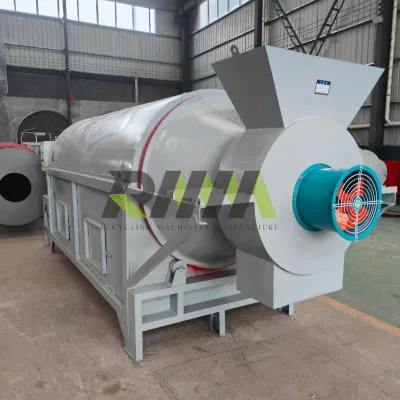


Electric Grain Rotary Tumble Dryer Corn Wheat Rice Coffee Bean Drying Equipment
$17000.00 - $19000.00
MOQ: 1 Pieces


Rice Wheat Dryer Outstanding Drying Quality Stainless Steel Drying Machine
$14810.00 - $15590.00
MOQ: 1 Pieces


Corn Maize Grain Dryer Machine Grain Dryer Drying Machine for Rice Wheat
$15650.00 - $16500.00
MOQ: 1 Pieces


Electric Heating Drying Grain Drying Machine Rotary Small Drum Dryer
$1587.00 - $9523.00
MOQ: 1 Pieces


Corn and Rice Grain Dryer Paddy and Wheat Dryer Machine Agricultural Dryer Machine
$13000.00 - $35000.00
MOQ: 1 set
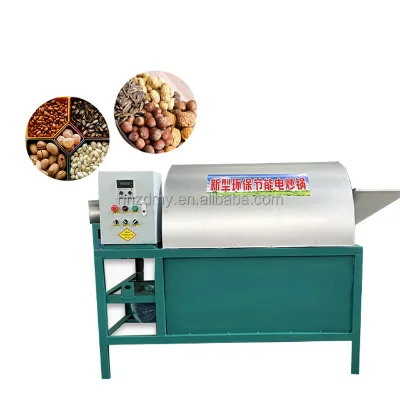

Grain Drying Machine for Drying Grain Rotary Rice Corn Multi Grain Dryer Machine
$29999.00 - $32999.00
MOQ: 1 Pieces


Automatic Agricultural Rice Grain Dryer Machine Rice Drying Equipment Paddy Dryer Machine
$29999.00 - $32999.00
MOQ: 1 Pieces
Comprehensive Sourcing Guide
Rotary Electric Rice Drying Machine Sourcing Guide
Procuring a Rotary Electric Rice Drying Machine requires careful alignment of thermal input methods with operational efficiency goals. While the core keyword specifies electric heating, observed market listings frequently feature units powered by coal, natural gas, biomass, or petroleum. Buyers must explicitly verify the heating method during supplier inquiries to ensure the equipment matches their facility’s energy infrastructure. Misalignment between the specified electric requirement and a gas-fired unit can lead to significant operational disruptions and increased utility costs.
The observed product range includes various drying technologies, such as drum drying equipment and rotary atomization systems, which operate under different flow conditions like cross-flow or contra-flow. It is critical to distinguish between these mechanical designs, as they impact moisture removal rates and grain quality. Sourcing guides must emphasize that "electric" is not a universal attribute for all rotary dryers in this category. Procurement teams should request detailed technical datasheets that confirm the power source, ensuring the selected machine integrates seamlessly with existing electrical grids without requiring extensive retrofitting.
Product Scope and Observed Listing Signals
The current market presents a diverse array of drying solutions, with observed prices ranging from $249 to $400,000 USD. This wide variance reflects differences in capacity, automation levels, and material construction. Listings often highlight key selling points such as high productivity, automatic operation, and eco-friendly features. Buyers should interpret these claims as marketing observations rather than guaranteed performance metrics. A thorough review of the product description is necessary to understand what specific capabilities are included in the base price versus optional upgrades.
Observed minimum order quantities (MOQ) are consistently listed as one unit, indicating that suppliers are willing to sell single items for pilot testing or small-scale operations. The typical capacity for these machines ranges from 1 to 2 tons per hour, suitable for medium-sized processing facilities. However, some listings describe much larger industrial standards, such as dimensions reaching 18,000 mm in length. Procurement specialists must clarify whether the quoted capacity applies to the specific model being purchased, as larger units may require specialized logistics and installation services that are not included in the standard package.
Technical Specifications to Verify
Voltage compatibility is a primary technical consideration, with observed specifications listing 220V, 380V, and 15KW power ratings. Some smaller units operate at 1.5KW, while larger industrial models may require significantly higher power inputs. Buyers must confirm the voltage requirements match their local electrical supply to avoid damage to the motor or control systems. The core components, typically including the motor, should be verified for quality and origin. Ensuring the motor is rated for continuous operation under high-temperature conditions is essential for long-term reliability.
Dimensional constraints are another critical verification point, with observed standard sizes varying from 480x150x180 mm to 6700x2200x2200 mm. The physical footprint of the machine must fit within the designated processing area, accounting for maintenance access and airflow requirements. Additionally, the weight of the equipment, often around 500 kg for smaller units, impacts floor loading and transportation logistics. Buyers should request precise dimensional drawings and weight specifications to plan for foundation preparation and crane or forklift requirements during installation.
Compliance and Safety Documentation
Certification status is a key indicator of manufacturing quality, with many suppliers providing CE and ISO certifications. These marks suggest adherence to European safety standards and international quality management systems. However, buyers should verify the validity of these certificates directly with the issuing bodies. Compliance with local electrical and mechanical safety regulations is mandatory, regardless of international certifications. Procurement teams must ensure that the supplier provides all necessary documentation for customs clearance and local regulatory approval.
Safety features, such as emergency stop buttons and thermal overload protection, should be explicitly confirmed in the product specifications. The drying process involves high temperatures, typically ranging from 600 to 1000 degrees Celsius, which poses significant fire and burn risks. Buyers should inquire about the machine’s safety interlocks and alarm systems. Additionally, the provision of machinery test reports is a positive indicator, offering evidence of pre-shipment performance validation. These reports should be reviewed to ensure the machine meets the specified drying efficiency and temperature control parameters.
Cost Drivers and Commercial Terms
The total cost of ownership extends beyond the initial purchase price, encompassing energy consumption, maintenance, and spare parts. Units advertised with advantages like low consumption and high efficiency may offer better long-term value, but these claims require verification through energy audits. The type of heating method significantly impacts operational costs, with electric heating potentially being more expensive than biomass or gas depending on local energy prices. Buyers should calculate the estimated annual energy expenditure based on the machine’s power rating and expected usage hours.
Warranty terms are typically listed as one year, covering core components and general workmanship. Buyers should clarify what specific parts are excluded from the warranty and the process for claiming repairs. Shipping and packaging costs are also significant, with wooden cases or boxes commonly used for protection. The origin of the machinery, often Henan, China, influences freight rates and lead times. Procurement contracts should clearly define responsibilities for shipping, insurance, and installation, ensuring that hidden costs do not erode the initial price advantage.
Supplier Qualification and Quality Control
Supplier verification is crucial, as the market includes a wide range of manufacturers with varying levels of expertise. Buyers should assess the supplier’s production capacity, quality control processes, and after-sales support capabilities. Requesting references from previous clients in the food or chemical processing industries can provide insights into the supplier’s reliability. The availability of customization options is a positive sign, indicating that the supplier can adapt the machine to specific grain types or moisture content requirements.
Quality control should begin with a thorough review of the machinery test reports and certification documents. Buyers may consider third-party inspections before shipment to verify the machine’s condition and performance. The condition of the equipment, typically listed as new, should be confirmed through high-resolution images or video walkthroughs. Additionally, the supplier’s responsiveness to technical queries and willingness to provide detailed operational manuals are indicators of their commitment to customer satisfaction. Establishing a clear communication channel with the supplier’s technical team is essential for troubleshooting any issues during installation.
Long-Term Procurement Checks
Long-term success depends on the availability of spare parts and technical support. Buyers should confirm the supplier’s inventory of critical components, such as motors, heating elements, and control panels. A robust supply chain for spare parts minimizes downtime and ensures continuous operation. The supplier’s ability to provide remote troubleshooting or on-site service visits is also a valuable asset. Procurement teams should negotiate service level agreements that define response times and support coverage periods.
Monitoring the machine’s performance over time is essential for maintaining drying quality and efficiency. Regular maintenance schedules should be established, including cleaning of the drying chamber and inspection of the heating system. Buyers should track energy consumption and drying times to identify any deviations from initial performance metrics. Feedback from the operational team can help identify areas for improvement or necessary adjustments. By maintaining a proactive approach to maintenance and support, buyers can maximize the lifespan and ROI of their Rotary Electric Rice Drying Machine investment.
FAQs
How is the Rotary Electric Rice Drying Machine powered?
The machine operates using electric heating with a power rating of 15KW or 1.5KW depending on the model. It supports voltage options of 220V and 380V to ensure compatibility with various industrial power grids while maintaining efficient drying performance.
What is the drying capacity of this equipment?
This Rotary Electric Rice Drying Machine offers a capacity ranging from 1 to 2 tons per hour. It is designed for continuous operation using cross flow or contra flow methods to handle bulk, cream, or powder materials efficiently.
Can the machine be customized for specific needs?
Yes, customization is available for this Rotary Electric Rice Drying Machine to meet specific production requirements. Buyers can select from various heating methods including gas or electric options to tailor the equipment to their unique processing workflows.
What certifications does the drying machine hold?
The equipment comes with CE and ISO certifications to ensure compliance with international safety and quality standards. These certifications verify that the machinery meets rigorous operational requirements for use in food, chemical, and plastics processing industries.
How is the machine packed for shipping?
The Rotary Electric Rice Drying Machine is packed in a sturdy wooden case or wooden box for safe transport. This packaging method protects the vertical drum drying equipment during transit and ensures it arrives in new condition ready for installation.
What is the warranty period for this dryer?
The machine includes a standard one-year warranty to cover potential defects or operational issues. This warranty applies to the core components like the motor and ensures buyers receive support for the initial period of continuous operation.
Which materials can this dryer process effectively?
This dryer is suitable for processing corn, rice, and other grains with moisture content between 20% and 80%. It handles bulk, cream, and powder materials using rotary atomization and atmospheric pressure for optimal drying results in various applications.