Source High Precision CNC Collet for Lathe, Swiss-Type, and Screw Machines
Compare 25 High Precision CNC Collet options from verified Chinese suppliers. Buyers can evaluate models like ER, SK, and DC series with hardness up to 62 HRC, ISO 9001 certification, and custom logo printing capabilities for diverse machining needs.
Key considerations
Products List


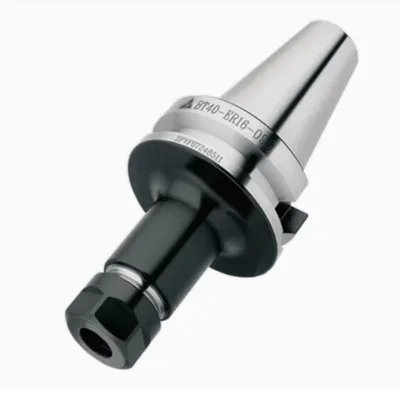
High Durability Machine Tools CNC Machine Accessories Part Machine Collet
$25.00 - $30.00
MOQ: 10 pieces


Comprehensive Sourcing Guide
Strategic Sourcing Guide for High Precision CNC Collets
Understanding Technical Specifications and Material Integrity
When sourcing high precision CNC collets, the primary objective is to secure components that maintain dimensional stability under high-speed rotation and significant clamping forces. The market offers a diverse array of specifications, ranging from small to large sizes, with specific models such as ER11, ER20, ER08, and SK series being prevalent. Buyers must recognize that "high precision" is not a monolithic attribute but a variable defined by the specific application requirements. Observed data indicates that accuracy tolerances can reach as tight as 0.005mm, a critical threshold for operations demanding micron-level repeatability.
Material selection is the foundation of collet performance. The supply chain presents options including 65Mn spring steel and Aluminum 6061-T6, each serving distinct purposes. 65Mn is frequently cited for its high hardness, with observed ranges between 58-62 HRC, making it suitable for heavy-duty clamping applications where wear resistance is paramount. In contrast, Aluminum 6061-T6 offers a lighter alternative, potentially beneficial for specific automated setups where mass reduction is a priority. The hardness of the tooling is equally critical; while some units are rated between HRC44-48, others achieve the higher 58-62 HRC range. Buyers must verify that the hardness specification aligns with the intended tool holder interface, such as BT tool holders, to prevent premature deformation or slippage during machining cycles.
The standardization of collet types is another vital technical consideration. The market supports American Type, Metric, and German Type standards, with specific references to DIN6499b. This variation necessitates a rigorous review of the machine tool's interface compatibility. A mismatch between the collet standard and the spindle or tool holder can lead to catastrophic failure. Furthermore, the physical dimensions vary significantly, with some products listed as "Small," "Middle," or "Large," and specific model numbers like Sk10 or DC6/DC8/DC12 indicating specific geometric profiles. Understanding these nomenclatures is essential for ensuring that the purchased components integrate seamlessly into existing production lines.
Compliance, Certification, and Quality Assurance Protocols
In the B2B procurement of precision tooling, compliance with international standards serves as a proxy for manufacturing maturity. The presence of ISO 9001 certification is a common indicator of a supplier's commitment to quality management systems. However, buyers should exercise caution, as certification status can vary; some listings indicate "ISO 9001:Customized" or "Non-Customized," suggesting that the certification scope may differ based on the specific product configuration. Additionally, certifications such as CE and GS may be present, indicating adherence to specific safety and electromagnetic compatibility directives, particularly for machinery components intended for the European market.
Quality assurance extends beyond paper certifications to the tangible attributes of the product. Surface treatments, such as Anti-Corrosion Coating, are critical for extending the lifespan of collets, especially in environments where coolant or humidity is present. The origin of the product is also a factor in compliance; many high-precision collets are sourced from China, with specific manufacturing hubs noted in regions like Shandong. While origin does not inherently dictate quality, it influences the supply chain dynamics and the specific regulatory frameworks the supplier must navigate.
Buyers must verify that the "High Precision" claim is backed by verifiable data. The observed accuracy of 0.005mm is a specific data point that should be validated through third-party inspection reports rather than relying solely on supplier marketing. Similarly, the standardization of packaging, ranging from paper boxes to cartons and plastic boxes, can impact the condition of the product upon arrival. Proper packaging is a component of the quality assurance process, ensuring that the delicate tolerances of the collet are not compromised during transit.
Cost Drivers and Pricing Dynamics
The pricing structure for high precision CNC collets is influenced by a complex interplay of material costs, manufacturing complexity, and order volume. The observed price range in the market spans from $1.89 to $50 USD, reflecting the vast diversity in product types, from basic ER series collets to specialized, custom-engineered units. This wide variance suggests that cost is not linearly correlated with precision alone but is heavily dependent on the material grade, the specific model complexity, and the level of customization required.
Material costs are a primary driver. Collets made from 65Mn steel generally command different price points compared to those utilizing Aluminum 6061-T6, driven by the raw material market and the energy-intensive processes required for heat treatment to achieve high hardness ratings. Customization is another significant cost factor. Listings indicate that "Customized" options are available, including logo printing and specific dimensional modifications. These bespoke requirements typically incur higher unit costs and may affect the minimum order quantity (MOQ) thresholds.
MOQs vary widely, with observed ranges from 1 to 10 pieces for trial or low-volume needs, up to 50 PCS or more for standard production runs. This flexibility allows buyers to manage cash flow effectively, though higher volumes often unlock better unit pricing. Lead times, observed between 5 to 20 days for orders of 1 to 1000 pieces, also impact the total cost of ownership. Faster delivery options may carry a premium, while standard lead times allow for more efficient inventory planning. Buyers should also consider payment terms, such as T/T, which are standard in the industry, and how these terms might influence the final negotiated price.
Typical Applications and Operational Compatibility
High precision CNC collets are integral to a variety of machining operations, with their application defined by the specific requirements of the machine tool and the workpiece. The data highlights usage in BT tool holders and Swiss-Type CNC Lathes, as well as Automatic Screw Machines. These applications demand collets that can withstand high rotational speeds and maintain concentricity under dynamic loads. The "Elastic Collet" designation suggests a specific design philosophy focused on flexibility and grip, essential for holding irregular or delicate workpieces without causing deformation.
The versatility of these components is evident in the range of models available, from ER series collets (ER08, ER11, ER20) to SK and DC series variants. Each model is tailored to specific spindle interfaces and clamping ranges. For instance, the ER series is widely recognized for its versatility in general CNC machining, while the SK series may be preferred for specific tool holder configurations. The "Lathe Collet" keyword further underscores the application in turning operations, where the collet must provide consistent radial force to prevent workpiece slippage during cutting.
Application equipment compatibility is a critical factor in the selection process. Buyers must ensure that the collet's standard (American, Metric, or German) matches the machine's spindle interface. Mismatches can lead to reduced accuracy, tool damage, or safety hazards. Furthermore, the size of the collet, whether small, middle, or large, must align with the diameter of the workpiece and the capacity of the machine. The ability to customize the collet, including logo printing and specific dimensions, allows for integration into specialized production lines where standard off-the-shelf components may not suffice.
Supplier Evaluation and Service Capabilities
Selecting a reliable supplier for high precision CNC collets requires a comprehensive evaluation of their technical capabilities and after-sales support. A key differentiator in the market is the availability of engineering support. Suppliers offering "Engineers Available to Service Machinery Overseas" provide a significant advantage, particularly for international buyers who may require on-site troubleshooting or technical consultation. This level of support indicates a mature supply chain capable of addressing complex issues that arise during the integration of new tooling.
The condition of the product is another critical evaluation metric. The market predominantly offers "New" condition items, which is the standard expectation for precision tooling. However, buyers should verify the manufacturing process to ensure that the "New" status implies fresh production rather than refurbished stock. The production scope, often listed as "Parts Production Line," suggests that the supplier has the capacity to manufacture these components in-house, which can lead to better quality control and consistency.
Logistics and packaging are also vital components of supplier evaluation. The variety of packaging options, including paper boxes, cartons, and plastic boxes, indicates different levels of protection and handling requirements. Suppliers who provide video outgoing documentation offer a transparent view of the product before shipment, allowing buyers to verify the physical condition and specifications. This transparency is a strong indicator of a supplier's confidence in their product quality and their commitment to customer satisfaction.
Quality Control and Long-Term Procurement Considerations
Ensuring the long-term reliability of high precision CNC collets requires a robust quality control strategy. The observed data points, such as hardness ratings and accuracy tolerances, should be validated through regular inspection protocols. Buyers should establish a quality assurance framework that includes incoming inspection of the collets to verify that the actual hardness (e.g., 58-62 HRC) and accuracy (e.g., 0.005mm) match the supplier's specifications. Surface treatments like Anti-Corrosion Coating should be inspected for uniformity and adhesion to ensure they provide the promised protection against environmental degradation.
Long-term procurement considerations extend beyond the initial purchase to the lifecycle management of the tooling. The availability of customization, including logo printing and specific model modifications, allows buyers to tailor the tooling to their specific operational needs, potentially reducing wear and improving efficiency. The lead time of 5 to 20 days for orders up to 1000 pieces suggests that suppliers can accommodate both urgent and planned procurement cycles. However, buyers should plan for potential variability in lead times, especially during periods of high demand or supply chain disruptions.
Payment terms, such as T/T, are standard but should be negotiated to align with the buyer's cash flow requirements. The flexibility in MOQs, ranging from single pieces to bulk orders, allows for a scalable procurement strategy. By maintaining a relationship with suppliers who offer comprehensive after-sales support and engineering assistance, buyers can ensure that their high precision CNC collets remain a reliable asset in their production lines. Ultimately, the success of the procurement process depends on a balanced approach that considers technical specifications, compliance, cost, and the long-term support capabilities of the supplier.
Comparative Analysis of Collet Specifications
To facilitate informed decision-making, the following table summarizes the key specifications observed in the market for high precision CNC collets. This comparison highlights the diversity in models, materials, and standards, aiding buyers in selecting the most appropriate component for their specific application.
| Feature | Observation A | Observation B | Observation C |
|---|---|---|---|
| Model Series | ER11, ER20, ER08 | Sk10, DC6, DC8, DC12 | SK, ER/Se/Sk |
| Material | 65Mn | Aluminum 6061-T6 | Metal (General) |
| Hardness | 58-62 HRC | HRC44-48 | Not Specified |
| Accuracy | 0.005mm | Not Specified | Not Specified |
| Standard | DIN6499b | American, Metric, German | DC6/DC8/DC12 |
| Size | Small, Middle, Large | Small | Large |
| Packaging | Paper Box, Carton, Plastic Box | Carton | Plastic Boxs |
| Origin | China (Shandong) | China | Not Specified |
| Certification | ISO 9001, CE, GS | ISO 9001 (Customized) | Not Specified |
| Usage | BT Tool Holder, Swiss-Type CNC | Parts Production Line | Lathe Collet |
This comparative view underscores the importance of matching specific technical requirements with the available market options. Buyers should use this data as a starting point for deeper due diligence, ensuring that the selected collets meet the rigorous demands of their high precision CNC operations.
FAQs
What accuracy tolerance do high precision CNC collets offer?
High precision CNC collets can achieve an accuracy tolerance of 0.005mm. This level of precision is critical for operations demanding micron-level repeatability and dimensional stability under high-speed rotation.
Which materials are commonly used for manufacturing these collets?
Common materials include 65Mn spring steel and Aluminum 6061-T6. The 65Mn steel offers high hardness ranging from 58-62 HRC for heavy-duty applications, while aluminum provides a lighter alternative.
Can these collets be customized with specific logos or dimensions?
Yes, customization is available for logos and specific dimensions. Buyers can request logo printing or tailored specifications, though these bespoke requirements may affect the minimum order quantity and unit pricing.
What certifications should I look for in a reliable supplier?
Look for ISO 9001 certification, which indicates a commitment to quality management systems. Some listings may also include CE or GS certifications, depending on the specific product configuration and target market.
How long does it take to receive an order of these collets?
The lead time typically ranges from 5 to 20 days for orders between 1 and 1000 pieces. This timeframe allows for efficient inventory planning while accommodating both urgent and standard procurement cycles.
What is the minimum order quantity for purchasing these items?
The minimum order quantity varies from 1 to 50 pieces depending on the specific product and customization level. Standard production runs often require 50 pieces, while trial orders may accept lower quantities.
Where are these high precision collets primarily manufactured?
These collets are primarily manufactured in China, with specific production hubs noted in regions like Shandong. The origin influences supply chain dynamics and the regulatory frameworks the supplier must navigate.