Source High Precision Custom CNC Machining for Auto Parts
Find High Precision Custom CNC Machining solutions for 30 available products. Compare specifications including ISO9001 and RoHS certifications, materials like aluminum and steel, and lead times of 7-20 days for metal processing machinery parts and hardware tools; compare the available evidence and request quotations based on your requirements.
Updated
Key considerations
Products List





Comprehensive Sourcing Guide
High Precision Custom CNC Machining Sourcing Guide
Sourcing High Precision Custom CNC Machining components requires a strategic approach that balances technical accuracy with commercial viability. Buyers must first define the specific geometric tolerances and surface finish requirements, as these factors directly influence the manufacturing process and final cost. The observed market data indicates a wide range of capabilities, from standard metal casting machinery parts to specialized metal engraving and forging accessories. Understanding these application nuances is critical for selecting the right supplier who can handle the specific material and machining method, such as CNC turning or precision milling, required for your project.
Procurement teams should also evaluate the supplier’s flexibility in handling custom designs and logo requirements. Many manufacturers offer customization services, accepting various drawing formats including 2D PDFs and 3D files like IGES or STEP. This flexibility allows for tailored solutions that meet unique operational needs. However, buyers must ensure that the supplier’s production type, whether mass production or small batch, aligns with their volume requirements. Verifying the supplier’s ability to handle custom packaging and shipping methods, such as sea or air shipment, ensures that the logistics chain remains efficient and cost-effective throughout the procurement lifecycle.
Product Scope and Observed Listing Signals
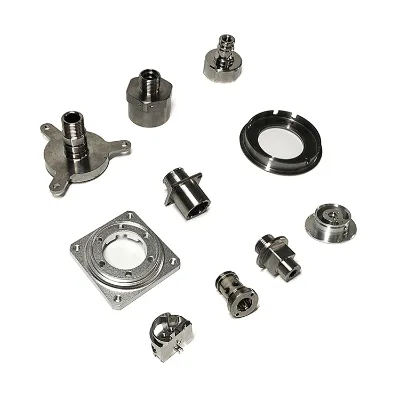
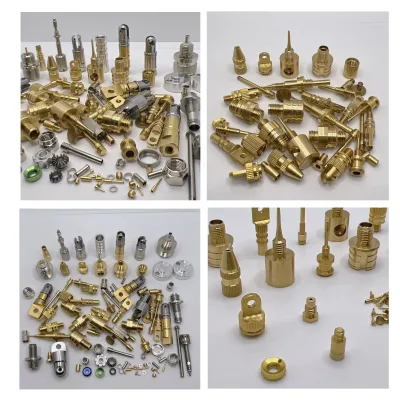
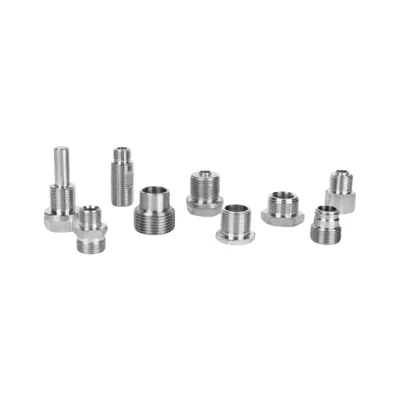
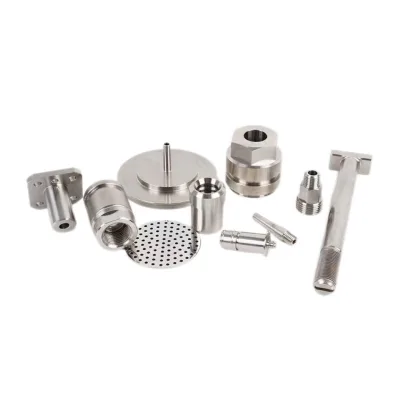
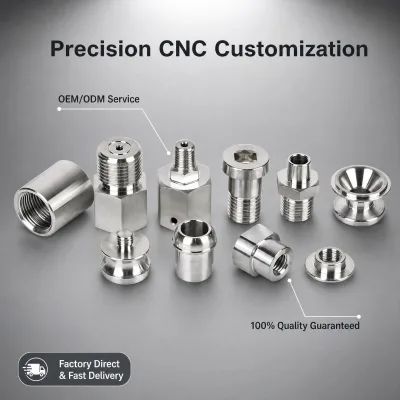
The current market for High Precision Custom CNC Machining parts exhibits a diverse product scope, primarily focused on metal processing applications. Observed listings highlight components used in metal coating machinery, metal engraving machinery, and metal recycling machines. These parts often serve as hardware tools, machinery accessories, or fasteners for automotive and motorcycle applications. The material palette is extensive, including iron, aluminum, copper, alloy, brass, steel, and nylon, allowing for versatile engineering solutions. Buyers should note that while some listings mention low prices, the actual cost is highly dependent on the complexity of the design and the chosen material, necessitating detailed quotation requests rather than relying on generic price ranges.
Listing signals also reveal significant variation in production standards and origins. Suppliers are located in key manufacturing hubs such as Suzhou, Qingdao, and Guangdong in China, each offering different logistical advantages. Some products are certified under ISO9001 and SGS, while others may only list general certifications like CE or RoHS. The observed minimum order quantities (MOQ) range from as low as one unit to one thousand, indicating that suppliers cater to both prototyping and large-scale production needs. Buyers must carefully review these signals to ensure that the supplier’s operational scale and geographic location align with their supply chain strategy and volume expectations.
Technical Specifications to Verify
Technical verification begins with confirming the machining method and tolerance capabilities. The observed data specifies CNC turning as a common method, with some suppliers claiming a tight tolerance of ±0.005mm. Buyers must verify if this tolerance is achievable for their specific part geometry and material, as tighter tolerances often require more complex setups and longer lead times. Additionally, the surface treatment options, such as anodizing, polishing, plating, or painting, significantly impact the part’s durability and aesthetic appeal. It is crucial to specify whether the finish requires hard anodizing or electroplating, as these processes have different environmental and performance implications.
Drawing file compatibility is another critical technical specification. Suppliers typically accept 2D PDFs and 3D formats like IGES or STEP. Buyers should ensure that their design files are fully compatible with the supplier’s CAM software to avoid interpretation errors. The standard dimensions, such as 20*20 or customized sizes, must be clearly defined in the technical drawings. Furthermore, the production model, whether labeled as OEM or custom machining, should match the buyer’s intellectual property and branding requirements. Verifying these technical details upfront prevents costly rework and ensures that the final components meet the exact engineering specifications required for assembly and function.
Compliance and Safety Documentation
Compliance documentation is essential for ensuring that machined parts meet international safety and environmental standards. Observed listings mention certifications such as ISORoHS, CE, ISOGS, and RoHS. Buyers must verify the validity and scope of these certifications, as they may apply to the company rather than the specific product. For instance, CE marking indicates conformity with health, safety, and environmental protection standards for products sold within the European Economic Area. Similarly, RoHS compliance ensures that the parts are free from specific hazardous substances, which is critical for electronics and automotive applications.
Quality control documentation should also be rigorously reviewed. Many suppliers claim to perform 100% inspection before shipment, but buyers should request detailed inspection reports or certificates of analysis. The presence of standards like GB, DIN, EN, GOST, and ASTM suggests that suppliers are familiar with various international norms. However, buyers must confirm which specific standards apply to their order, especially if the parts are intended for regulated industries. Ensuring that the supplier adheres to these standards reduces the risk of non-compliance and potential legal liabilities, providing a solid foundation for long-term business relationships and market access.
Cost Drivers and Commercial Terms
Cost drivers in high precision CNC machining are primarily influenced by material selection, machining complexity, and surface treatment requirements. The observed price range of $0.01 to $200 USD reflects this variability, with simple parts costing significantly less than complex, multi-axis machined components. Buyers should anticipate that tighter tolerances and specialized finishes, such as hard anodizing, will increase the unit cost. Additionally, the lead time, which ranges from 7 to 20 days or 10-15 days depending on the supplier, can impact pricing, especially if expedited shipping is required. Understanding these cost drivers allows buyers to negotiate more effectively and budget accurately for their procurement needs.
Commercial terms also play a significant role in the total cost of ownership. Suppliers offer various trade methods, including EXW, FOB, CIF, CFR, DDP, and DDU. Buyers must choose the term that best aligns with their logistics capabilities and risk tolerance. For example, DDP places the responsibility for delivery and customs clearance on the supplier, while EXW requires the buyer to handle all shipping arrangements. Packaging requirements, such as wooden crates or standard export packaging, can also affect shipping costs. Clarifying these terms early in the negotiation process ensures transparency and prevents unexpected expenses during the delivery phase.
Supplier Qualification and Quality Control
Supplier qualification involves assessing the manufacturer’s production capabilities and quality management systems. The observed data indicates that many suppliers engage in mass production, which suggests established workflows and consistent output. Buyers should verify the supplier’s production type and capacity to ensure they can meet volume requirements without compromising quality. Additionally, the availability of customization services, including logo printing and custom packaging, indicates a customer-centric approach. However, buyers must ensure that these services do not detract from the core machining quality, which is the primary value proposition.
Quality control processes are critical for maintaining consistency in high precision parts. Suppliers often claim 100% inspection before shipment, but buyers should request evidence of this process, such as statistical process control charts or inspection reports. The use of advanced machinery, such as center CNC lathes, supports high precision, but regular maintenance and calibration are essential. Buyers should also inquire about the supplier’s approach to handling defects and non-conforming parts. A robust quality control system not only ensures that the delivered parts meet specifications but also provides peace of mind and reduces the risk of production delays due to quality issues.
Long-Term Procurement Checks
Long-term procurement success depends on establishing reliable supplier relationships and continuous performance monitoring. Buyers should conduct regular audits of supplier performance, focusing on delivery times, quality consistency, and responsiveness to issues. The observed lead times of 7-20 days provide a baseline for evaluation, but buyers must track actual performance against these promises. Consistent adherence to lead times is crucial for maintaining production schedules and minimizing inventory costs. Additionally, buyers should monitor the supplier’s ability to adapt to changing requirements, such as new design iterations or volume fluctuations.
Continuous improvement and communication are key to sustaining long-term partnerships. Buyers should engage in regular feedback sessions with suppliers to discuss areas for improvement and share market insights. This collaborative approach can lead to process optimizations and cost reductions over time. Furthermore, buyers should stay informed about changes in industry standards and regulations that may affect their procurement needs. By maintaining a proactive stance on supplier management, buyers can mitigate risks and ensure a stable supply of High Precision Custom CNC Machining parts, supporting their overall business objectives and competitive advantage.
FAQs
What certifications are available for these parts?
Products typically carry ISORoHS, CE, ISO9001, and SGS certifications. These standards ensure compliance with international quality and safety requirements. Buyers can verify specific documentation during the sourcing process to meet regulatory needs for their target markets.
What is the typical lead time for orders?
Delivery times generally range from 7 to 20 days depending on order complexity. Some standard items may ship within 10 to 15 days. Expedited options are available for urgent requirements, allowing buyers to plan production schedules effectively.
Which materials can be used for machining?
Common materials include iron, aluminum, copper, alloy, brass, steel, and nylon. These options support diverse mechanical properties and applications. Suppliers can select the optimal material based on specific strength, weight, or corrosion resistance requirements for the final component.
Can suppliers provide custom logo printing?
Yes, customized logos are accepted for branding purposes. This service allows buyers to enhance product identity directly on the machined parts. It is suitable for promotional items or specialized industrial components requiring specific corporate identification.
What surface treatments are offered?
Available treatments include anodizing, polishing, plating, painting, and electroplating. These finishes improve durability, aesthetics, and corrosion resistance. Buyers can choose specific treatments based on environmental conditions or functional requirements for the finished metal components.
What is the minimum order quantity?
MOQs range from 1 to 1000 units depending on the supplier. Some vendors offer no minimum order quantity for prototyping or small batches. This flexibility supports both mass production needs and initial sample testing phases.