Find High Precision Datum Chuck for Grinding, Milling, and CNC Machining
Source 30 verified options for the High Precision Datum Chuck tailored for grinding, milling, and CNC machining applications. Buyers can compare pneumatic power models, stainless steel constructions, and customized sizes from suppliers in Zhuhai and Shandong.
Key considerations
Products List


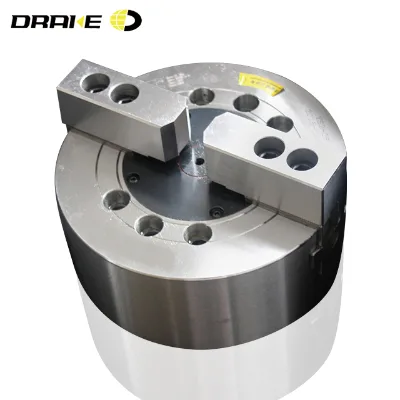
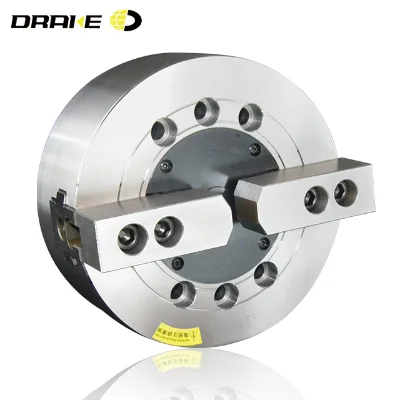


$699.00 - $757.00
MOQ: 1 Pieces


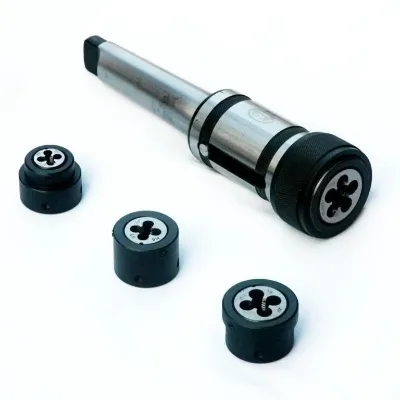


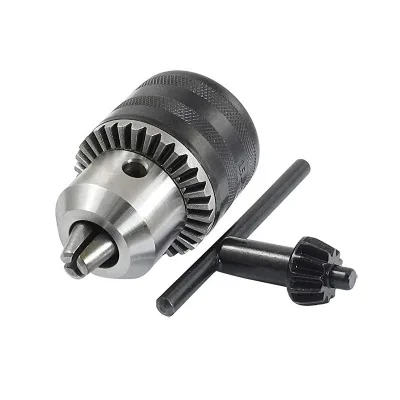
Comprehensive Sourcing Guide
Strategic Sourcing Guide for High Precision Datum Chucks
Understanding Technical Specifications and Core Attributes
When sourcing a High Precision Datum Chuck, the primary objective is to identify components that ensure repeatable accuracy in demanding machining environments. The available market data indicates that these tools are predominantly constructed from Stainless Steel, a material choice that offers superior corrosion resistance and structural integrity compared to standard carbon steels. This material selection is critical for maintaining dimensional stability over extended operational cycles, particularly in environments where coolant exposure is frequent.
The structural design of these chucks is characterized as Solid, which implies a monolithic or rigidly integrated construction rather than a modular assembly that might introduce play or vibration. This solid structure is essential for minimizing deflection during high-torque operations. The power source for these units is identified as Pneumatic, suggesting that the actuation mechanism relies on compressed air to engage the clamping jaws. This pneumatic drive system typically offers faster cycle times and consistent clamping force compared to manual or hydraulic alternatives, provided the facility has a stable air supply.
A critical technical variable is the Size classification, which ranges from Small to Middle in the observed inventory. Buyers must correlate these size categories with their specific workpiece dimensions. For instance, models designated with Small size attributes are likely suited for compact components, while Middle size variants accommodate larger workpieces. The physical dimensions of the chucks vary significantly based on the model. Observed standard specifications include dimensions such as 858567 mm, 16516570.5 mm, and larger configurations like 53017567 mm. These measurements define the envelope of the tool and are vital for ensuring compatibility with the spindle nose and tool changer mechanisms of the buyer's CNC machines.
The Jaw Type is another pivotal specification. The data explicitly notes the availability of Internal Jaw configurations. This specific jaw type is designed for gripping the interior diameter of a workpiece, a requirement common in hollow shaft machining or when the external surface of the part must remain untouched. The model numbers, such as NT-S100P100V1, NT-S200P85V1, and J41, serve as unique identifiers for these configurations. It is important to note that while some models are labeled as Power Milling Chuck or J41 Tapping Chuck, the underlying mechanical principles remain consistent regarding precision and clamping force.
Compliance and Certification Verification
In the realm of high-precision tooling, compliance is not merely a formality but a prerequisite for operational safety and quality assurance. The sourcing landscape for these chucks presents a mix of standardized certifications and customized compliance options. The most frequently observed certifications include CE and ISO 9001. The presence of the CE mark indicates conformity with health, safety, and environmental protection standards for products sold within the European Economic Area, a common requirement for machinery exported globally.
The ISO 9001 certification is a robust indicator of a supplier's commitment to quality management systems. However, the data reveals a nuanced distinction in how this certification is presented. Some listings specify ISO 9001:2008, while others simply list ISO 9001 without a revision year. Furthermore, the certification status is sometimes linked to customization options, appearing as Customized or Non-Customized. This suggests that the certification might be applied to the manufacturing process of the specific batch or the general product line. Buyers must verify whether the specific unit they are purchasing is covered under the current active certification or if the certification applies to the manufacturer's general quality system.
Additional certifications observed include GS and ISO 14001. The GS mark (Geprüfte Sicherheit) is a German safety certification that is often more stringent than the CE mark, providing an extra layer of assurance regarding product safety. ISO 14001 relates to environmental management, indicating that the manufacturer adheres to specific environmental standards in their production processes. While these are positive indicators, the data also lists ISO 24001 as a low-confidence background standard. Buyers should treat this reference with caution and verify its applicability directly with the supplier, as it is not a widely recognized standard for this specific product category compared to ISO 9001.
The origin of these products is primarily noted as Zhuhai and Shandong in China. While the country of origin is China, the specific city of manufacture can influence the logistics and the specific regulatory environment the supplier operates under. Buyers should request documentation that explicitly links the CE and ISO certificates to the specific model numbers being ordered, ensuring that the compliance claims are not generic but apply to the exact hardware being procured.
Cost Drivers and Pricing Dynamics
The pricing structure for high precision datum chucks is influenced by a complex interplay of factors, including material costs, manufacturing complexity, and customization levels. The observed price range in the market is exceptionally broad, spanning from 1 USD to 30,000 USD. This wide variance suggests that the "datum chuck" category encompasses everything from simple, low-volume accessories to highly engineered, multi-axis precision systems.
Several key drivers contribute to these cost fluctuations. First, the Material composition plays a significant role. While Stainless Steel is the standard, the grade of the steel and the precision of the machining required to achieve the Solid structure will impact the base cost. Second, the Power system adds complexity. Pneumatic systems require precise valve integration and sealing mechanisms, which are more expensive to manufacture than manual counterparts. Third, the Customization factor is a major cost determinant. The data indicates that Customization is available for many models, with options ranging from Customized to Non-Customized. Customized chucks, which may feature specific jaw configurations, unique mounting interfaces, or tailored dimensions, invariably command a higher price point due to the additional engineering and setup time required.
The Packing specifications also reflect the value and fragility of the product. High-end chucks are typically shipped in EPE Foam & Packing Box & Wooden Box configurations, or Plastic Box-Power Milling Chuck packaging. The use of wooden boxes and EPE foam indicates a need for heavy-duty protection during transit, which adds to the overall cost but ensures the precision of the tool is not compromised. Conversely, simpler packaging like Cartons or Plastic Box may be associated with lower-cost or smaller units.
Buyers should be aware that the MOQ (Minimum Order Quantity) is generally low, ranging from 1 to 10 units. This low barrier to entry allows for smaller procurement cycles but may result in a higher unit price for single-unit purchases compared to bulk orders. The payment terms observed include T/T (Telegraphic Transfer), which is standard in international trade but requires careful management of cash flow. When evaluating cost, buyers must look beyond the sticker price and consider the total cost of ownership, including the durability of the Stainless Steel construction and the potential for reduced downtime due to higher precision.
Typical Applications and Operational Context
High precision datum chucks are engineered for specific, high-demand applications within the manufacturing sector. The primary use cases identified include Grinding Machine, Milling, and CNC Machining. These applications require a tool that can withstand high rotational speeds and significant cutting forces while maintaining tight tolerances. The Power Milling Chuck designation highlights its suitability for milling operations where the tool must be securely held to prevent runout, which can lead to poor surface finish and tool breakage.
The J41 Tapping Chuck and J52 Tapping Chuck models point to specialized applications in tapping operations. Tapping requires precise synchronization between the spindle rotation and the feed rate, and a high-precision chuck ensures that the tap is held perfectly concentric to the hole being drilled. The Internal Jaw configuration is particularly valuable in these scenarios when working with tubular parts or components where the outer diameter is already machined to a tight tolerance.
The PMC Toolholder and Milling Machine Center Accessories labels suggest that these chucks are integral components of larger CNC machining centers. They serve as the interface between the machine spindle and the workpiece, transferring power and ensuring stability. The Precision Bt30 reference indicates compatibility with specific spindle taper standards, which is a critical compatibility check for buyers. If a buyer's machine utilizes a BT30 spindle, they must ensure the chuck model they select matches this standard to avoid mounting issues.
Furthermore, the Sales category of CNC Machine Tool Accessories reinforces that these are not standalone machines but critical components that enhance the capability of existing equipment. The ability to switch between different chuck types, such as moving from a standard milling chuck to a tapping chuck, allows for flexible manufacturing cells. The Structure being Solid ensures that the chuck can handle the rigors of continuous operation in a high-volume production environment without degrading in performance.
Supplier Evaluation and Selection Criteria
Selecting the right supplier for high precision datum chucks requires a rigorous evaluation process that goes beyond simple price comparison. Given the technical nature of the product, buyers should prioritize suppliers who can demonstrate a clear understanding of the specific requirements of CNC Machining and Grinding applications. The presence of ISO 9001 certification is a baseline requirement, but buyers should also look for evidence of CE and GS compliance, as these indicate adherence to international safety and quality standards.
The Customization capability of the supplier is another critical factor. The data shows that customization is a common feature, with options for Customized or Non-Customized products. A supplier that offers flexible customization can tailor the Jaw Type, Size, and Model to fit specific workpiece geometries. This flexibility is often a sign of a more advanced manufacturing capability and a willingness to collaborate with the buyer to solve unique engineering challenges.
Geographic origin is also a consideration. The observed products originate from Zhuhai and Shandong in China. While these regions are known for their manufacturing capabilities, buyers should verify the specific factory's track record. A supplier located in a region with a strong history of precision tool manufacturing is more likely to deliver consistent quality. Additionally, the Packing standards, such as the use of EPE Foam and Wooden Boxes, can serve as a proxy for the supplier's attention to detail and care in handling high-value items.
Buyers should also assess the supplier's ability to provide clear documentation. The Model numbers, such as NT-S100P100V1 and J41, should be clearly documented in the product specifications. A reputable supplier will provide detailed technical drawings, material certificates, and calibration reports. The Payment terms, such as T/T, should be transparent and agreed upon before the order is placed. Finally, the MOQ of 1 to 10 units suggests that the market is accessible to small and medium-sized enterprises, but buyers should still negotiate for volume discounts if their long-term needs justify larger orders.
Quality Control and Long-Term Procurement Strategy
Ensuring the long-term reliability of high precision datum chucks requires a proactive approach to quality control and procurement planning. The Solid structure and Stainless Steel material are key indicators of durability, but these attributes must be verified through rigorous quality control checks. Buyers should request test results or inspection reports that confirm the dimensional accuracy of the chuck, particularly the concentricity and runout values, which are critical for high-precision applications.
The Certification status should be reviewed regularly. While ISO 9001 and CE are standard, the specific version (e.g., ISO 9001:2008) and the scope of the certification should be checked to ensure they cover the specific manufacturing processes used for the chucks. The presence of ISO 14001 is a positive sign for environmental compliance, but it should not be the sole criterion for selection.
For long-term procurement, buyers should establish a relationship with suppliers who offer Customized solutions. This allows for the optimization of the chuck design over time as the buyer's machining needs evolve. The Packing specifications, such as EPE Foam & Packing Box & Wooden Box, should be maintained to ensure the chucks arrive in perfect condition. Any damage during transit can compromise the precision of the tool, leading to costly production errors.
The Price range of 1 to 30,000 USD indicates a wide spectrum of products. Buyers should focus on the total cost of ownership rather than the initial purchase price. A higher-priced chuck with superior Stainless Steel construction and Pneumatic reliability may offer better long-term value by reducing downtime and tool wear. The MOQ of 1 to 10 units allows for a phased procurement strategy, where buyers can start with small orders to test the supplier's quality before committing to larger volumes.
Finally, buyers should monitor the Model numbers and Standard specifications closely. The transition from older models to newer ones, such as from NT-S100P80V1 to NT-S200P85V1, may indicate improvements in design or performance. Staying informed about these updates ensures that the procurement strategy remains aligned with the latest technological advancements in the industry. By focusing on these key areas, buyers can secure a reliable supply of high precision datum chucks that meet their rigorous manufacturing requirements.
FAQs
What certifications do high precision datum chucks typically have?
These chucks commonly carry CE and ISO 9001 certifications. Some models also include GS marks or ISO 14001, while others offer customized compliance options depending on the specific batch and manufacturing process requirements.
Which material is used to construct these precision chucks?
The primary material used is stainless steel. This choice ensures superior corrosion resistance and structural integrity, which is critical for maintaining dimensional stability during extended operational cycles in demanding machining environments.
How is the power source for these chucks configured?
The power source is pneumatic, relying on compressed air to engage the clamping jaws. This system typically offers faster cycle times and consistent clamping force compared to manual or hydraulic alternatives for high-speed operations.
Can these chucks be customized for specific needs?
Yes, customization is available for many models. Buyers can select between customized or non-customized options, which may affect the certification status and specific configuration of the tool to match unique workpiece dimensions.
What are the standard dimensions for these products?
Standard dimensions vary by model, with examples including 85x85x67 mm and 165x165x70.5 mm. Larger configurations can reach up to 530x175x67 mm, defining the envelope required for compatibility with CNC machine spindles.
Where are these high precision chucks manufactured?
Products originate from locations such as Zhuhai and Shandong in China. The specific city of manufacture can influence logistics and the regulatory environment the supplier operates under for international shipments.
What is the minimum order quantity for these items?
The minimum order quantity ranges from one to ten units. This low barrier allows for smaller procurement cycles, though single-unit purchases may carry a higher unit price compared to bulk orders.