Source High Precision Flat Shims for Shock Absorbers, Machinery, and Electronics
Find and compare 30 high precision flat shim options from Zhejiang suppliers. These customizable OEM parts are available in stainless steel, aluminum, and copper, featuring tight tolerances of +/-0.02mm and various thicknesses for shock absorber and electronic product applications.
Key considerations
Products List


Replacement Shims for All Shock Absorbers High Quality Shock Shims ODM OEM
$0.01 - $0.20
MOQ: 100 pieces


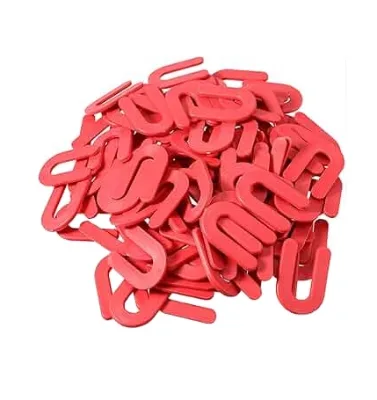
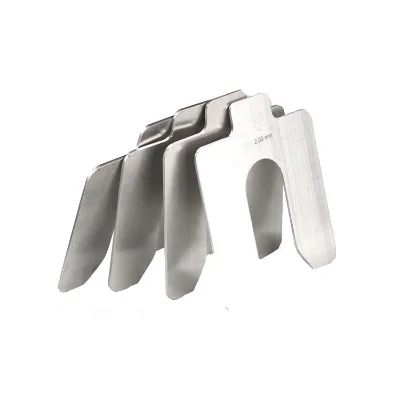
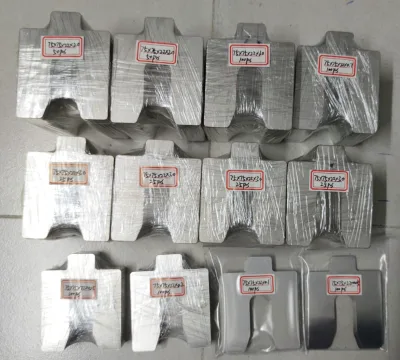



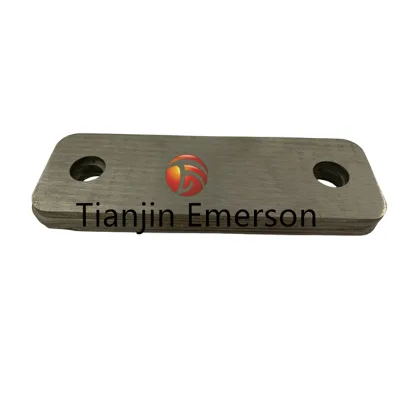


High Precision Machinery Parts Shock Metal Shims Hot Sales C418-46-55140
$0.10 - $0.20
MOQ: 100 Pieces
Comprehensive Sourcing Guide
High Precision Flat Shims Sourcing Guide
High Precision Flat Shims are critical components designed to fill gaps, adjust clearances, and ensure proper alignment in mechanical assemblies, particularly within automotive suspension systems and heavy machinery. These nonstandard parts serve as essential tools for repair and replacement, offering a solution for maintaining optimal performance in shock absorbers and electronic products where dimensional accuracy is paramount. The ability to customize these shims allows manufacturers to address specific engineering challenges without resorting to expensive redesigns of entire assemblies.
When sourcing these components, buyers must navigate a market characterized by significant variability in customization capabilities and material grades. The observed product landscape includes options ranging from standard dimensions to fully customized profiles, with materials spanning stainless steel, aluminum, copper, and brass. Understanding the specific application requirements, such as the need for high durability or specific elastic properties, is the first step in selecting the right supplier who can deliver precision parts that meet rigorous operational demands.
Product Scope and Observed Listing Signals
The product scope for High Precision Flat Shims encompasses a wide array of configurations, including flat gaskets and precision nonstandard parts tailored for OEM services. Listings indicate that these items are available in various colors, such as white, black, or original finishes, and are often supplied with surface treatments like drying antirust or oiling to prevent corrosion during storage and transit. The packaging details suggest a robust logistics approach, with items typically packed in PE bags, cartons, and pallets to ensure they arrive in pristine condition, ready for immediate integration into production lines.
Buyers should observe that the market offers a broad spectrum of supply capabilities, with some suppliers boasting monthly capacities of up to 600,000 sets, while others may have different production scales. The observed listing signals reveal that customization is a central feature, with many suppliers offering molds for over 3,500 different configurations to support diverse client needs. This flexibility extends to the product model, which can be standard or customized according to specific client requirements, ensuring that the final component fits the intended application perfectly.
Technical Specifications to Verify
Dimensional accuracy is the primary technical specification to verify when sourcing High Precision Flat Shims, as the tolerance levels directly impact the performance of the final assembly. The observed data indicates a tolerance range of +/-0.02mm, which is critical for applications requiring tight clearances in shock absorbers and machinery. Buyers must confirm that the supplier can consistently maintain these tolerances across the entire production batch, as even minor deviations can lead to premature wear or failure in sensitive mechanical systems.
Material selection and thickness are equally vital considerations that define the functional longevity of the shim. The available materials include stainless steel, aluminum, copper, and brass, each offering distinct properties such as hardness, durability, and elasticity. Thickness ranges observed in the market span from 0.1mm to 3.5mm, allowing for precise adjustments in various gap-filling scenarios. It is essential to verify that the chosen material grade aligns with the environmental conditions and load-bearing requirements of the specific application to ensure long-term reliability.
Compliance and Safety Documentation
Compliance and safety documentation for High Precision Flat Shims often revolve around quality management systems that ensure consistent manufacturing standards. The observed listings highlight the presence of TS16949 certification, a standard specifically designed for the automotive industry to ensure quality and safety in production processes. Buyers should request proof of this certification to confirm that the supplier adheres to rigorous quality control protocols, which is particularly important when sourcing parts for automotive applications where safety is non-negotiable.
In addition to certification, buyers must verify the supplier's internal quality control procedures to ensure that every batch meets the required specifications. The documented QC processes typically include Incoming Quality Control (IQC), In-Process Quality Control (IPQC), and Outgoing Quality Control (OQC), alongside dimensional and visual inspections. These steps are crucial for identifying defects early in the production cycle and ensuring that the final product is free from surface imperfections or dimensional errors that could compromise the integrity of the assembly.
Cost Drivers and Commercial Terms
The cost of High Precision Flat Shims is driven by several factors, including the complexity of customization, the material grade selected, and the volume of the order. While the observed price range varies significantly, the cost structure is heavily influenced by the need for specialized tooling and the precision required to achieve tight tolerances. Buyers should anticipate that fully customized dimensions and specific material requirements will incur higher costs compared to standard off-the-shelf options, reflecting the additional engineering and manufacturing effort involved.
Commercial terms and payment conditions are also key elements that influence the total cost of ownership. The observed listings indicate that EXW (Ex Works) is a common price term, meaning the buyer is responsible for all costs and risks associated with transporting the goods from the supplier's facility. Additionally, the Minimum Order Quantity (MOQ) can range from as low as 100 pieces to much higher volumes, affecting the unit price and the feasibility of small-batch procurement. Understanding these terms is essential for budgeting and managing the logistics of the supply chain effectively.
Supplier Qualification and Quality Control
Supplier qualification for High Precision Flat Shims requires a thorough assessment of their manufacturing capabilities and quality assurance infrastructure. The presence of over 3,500 molds suggests a supplier with extensive experience in producing diverse part geometries, which is a strong indicator of their ability to handle complex customization requests. Buyers should verify the supplier's production capacity, which can reach up to 600,000 sets per month, to ensure they can meet demand without compromising on quality or delivery timelines.
Quality control is the backbone of a reliable supply chain, and buyers must ensure that the supplier implements a comprehensive inspection regime. The documented QC processes, including IQC, IPQC, and OQC, along with dimensional and visual inspections, provide a framework for maintaining high standards. It is advisable to request sample products for evaluation before committing to a large order, as this allows the buyer to verify the supplier's ability to meet the specified tolerances and surface finish requirements in a real-world context.
Long-Term Procurement Checks
Long-term procurement of High Precision Flat Shims requires establishing a partnership based on consistent quality and reliable supply. Buyers should conduct periodic audits of the supplier's production processes to ensure that they continue to adhere to the agreed-upon standards and certifications. This ongoing verification helps mitigate the risk of quality drift over time and ensures that the supplier remains capable of meeting evolving production needs and technical specifications.
Sustainability and adaptability are also critical factors for long-term success in this sector. As product designs evolve, the supplier must demonstrate the flexibility to adapt their tooling and processes to accommodate new requirements. Buyers should maintain open communication channels with their suppliers to discuss future projects and potential changes in material or design specifications. This proactive approach fosters a collaborative relationship that can lead to continuous improvement and innovation in the supply chain.
FAQs
What customization options are available for flat shims?
Customization is available for these precision nonstandard parts. You can request specific dimensions, thicknesses ranging from 0.1mm to 3.5mm, and various colors including white, black, or original finishes to meet your unique engineering requirements.
How is the minimum order quantity determined for these shims?
The minimum order quantity starts at 100 pieces for standard orders. However, the supplier can accommodate larger volumes up to one million units, with a monthly supply ability of 600,000 sets to support high-demand production schedules.
Which certifications do the manufacturers hold for quality assurance?
The products are certified under TS16949 standards to ensure high quality. This certification validates the manufacturing process for automotive and industrial applications, ensuring that the shims meet strict dimensional tolerances and durability requirements.
Can I obtain samples before placing a bulk order?
Samples are acceptable and can be provided for evaluation. This allows buyers to verify the material grade, surface treatment, and dimensional accuracy before committing to a larger purchase order for shock absorber or machinery applications.
What materials are used to manufacture these precision shims?
Stainless steel is the primary material used for these durable and elastic components. Additional options include aluminum, copper, and brass, allowing selection based on specific application needs like corrosion resistance or electrical conductivity.
How are the shims packaged for international shipping?
Packaging includes drying antirust or oiled finishes followed by PE bags, cartons, and pallets. Individual items are packed in boxes, ensuring protection during transit while maintaining the precision and cleanliness required for industrial assembly.