Source High Precision GNSS Module for Surveying, Mapping, and Navigation
Find and compare High Precision GNSS Module options from 30 listings. Evaluate dual-frequency L1+L5 receivers supporting GPS, BDS, Galileo, and Glonass for positioning, surveying, and mapping applications. Review specifications like update rates, voltage, and certifications to select the right component.
Key considerations
Products List


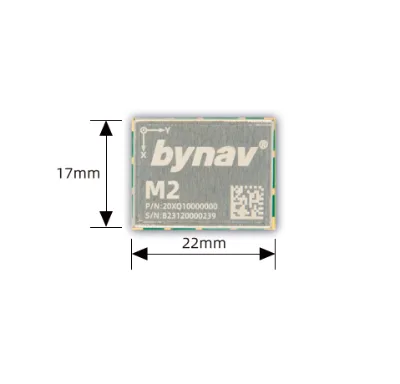


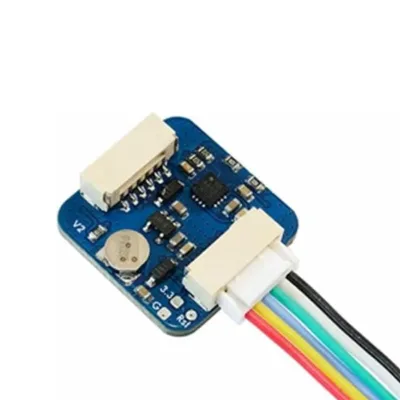
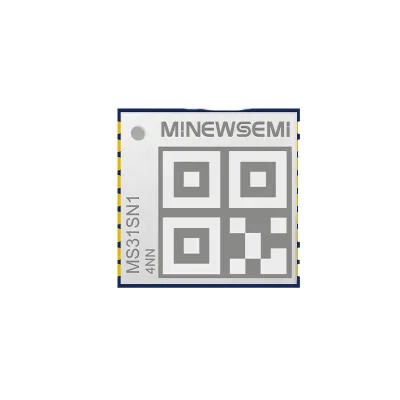

If3500 High Precision Fiber Optic Inertial Navigation System Dual Gnss+Ins Rtk Module
$38799.00 - $42679.00
MOQ: 1 Pieces

Comprehensive Sourcing Guide
High Precision GNSS Module Sourcing Guide
Sourcing high-precision GNSS modules requires a disciplined approach to distinguishing between general positioning units and specialized receivers capable of multi-constellation support. The market offers a diverse array of options, ranging from compact 10mm by 9.7mm units to larger 28mm by 28mm modules, each tailored for specific integration needs. Buyers must first define whether their application demands a dual-frequency receiver for enhanced accuracy or a standard single-frequency unit suitable for basic navigation tasks. Understanding the physical footprint and interface requirements is the foundational step before evaluating technical performance or commercial terms.
The procurement landscape for these components is characterized by significant variability in model numbers and standard specifications, necessitating careful verification of the exact part number against the intended use case. While some listings highlight specific models like the WT-62-RK or WT-2828-RD, others may reference generic identifiers or different chipset architectures. A buyer must ensure that the selected module aligns with the required operating voltage, update frequency, and NMEA message output to guarantee seamless integration with existing electronic systems. This initial alignment prevents costly redesigns and ensures that the hardware can support the intended application, whether it is surveying, mapping, or general electronic product positioning.
Product Scope and Observed Listing Signals
The observed product listings reveal a wide spectrum of physical dimensions and functional capabilities, indicating that the market is not monolithic but segmented by application complexity. Listings show standard sizes such as 12.2mm by 16mm and 26mm by 26mm, alongside specific model identifiers like WT-11-XY and Bynav M20. These variations suggest that buyers should not assume a single form factor will suffice for all projects; instead, the physical size must be matched to the available PCB real estate and thermal constraints of the final device. The presence of dual-frequency receiver attributes in some listings signals a higher tier of performance, while others may be limited to single-band operations.
Commercial signals in the listings, such as the availability of customization and a broad range of shipping methods including DHL, UPS, and FedEx, indicate a flexible supply chain capable of serving both prototype and production needs. The observed minimum order quantities (MOQ) range from single pieces to 100 units, allowing for low-risk sampling and rapid prototyping without the burden of large inventory commitments. However, the presence of "Other" packing types and varying single package sizes implies that logistics planning must be handled on a case-by-case basis. Buyers should verify the specific packaging requirements to ensure the modules arrive without damage, especially given the delicate nature of the internal components.
Technical Specifications to Verify
Verifying the technical specifications is critical to ensuring the module meets the precision and reliability requirements of the target application. Buyers must confirm the supported GNSS constellations, as some units support GPS, BDS, Galileo, and Glonass concurrently, while others may be limited to specific bands like L1 or L5. The update frequency, typically ranging from 1Hz to 10Hz, is a key performance metric that dictates how often the module can provide position data, which is vital for dynamic applications like surveying or vehicle navigation. Additionally, the operating voltage range of 1.7V to 3.6V must be compatible with the system's power management architecture to prevent instability or failure.
Interface and data output capabilities are equally important, with baud rates varying from 4800BPS to 921600BPS and default settings often at 9600BPS. The specific NMEA messages supported, such as RMC, VTG, GGA, GSA, and GLL, determine the richness of the data available to the host processor. Buyers should also scrutinize the chipset architecture, as some listings mention specific processors like the STM32H5 ARM Cortex-M33, which can influence processing speed and power consumption. Ensuring that the module's operating mode, such as BDS-only or multi-constellation, matches the project's geographic and accuracy requirements is essential for avoiding performance bottlenecks.
Compliance and Safety Documentation
Compliance documentation serves as a primary indicator of a supplier's adherence to international safety and environmental standards. The observed listings frequently cite certifications such as RoHS, CE, and FCC, which are essential for market access in Europe, North America, and other regulated regions. RoHS compliance ensures that the module is free from hazardous substances, while CE and FCC certifications indicate conformity with electromagnetic compatibility and safety directives. Buyers must request valid certification documents for each specific model, as these certifications are not automatically transferable across different product lines or manufacturing batches.
Beyond basic certifications, buyers should verify the origin of the components and the quality assurance processes employed by the manufacturer. Many listings indicate an origin in Guangdong, China, which is a major hub for electronics manufacturing, but this does not guarantee uniform quality without proper oversight. The presence of a one-year warranty on some units suggests a baseline level of confidence in product durability, yet this should be corroborated with the supplier's specific terms and conditions. It is crucial to ensure that the documentation provided matches the actual hardware being supplied, as discrepancies can lead to regulatory hurdles or product recalls in the final market.
Cost Drivers and Commercial Terms
The cost of high-precision GNSS modules is influenced by a complex mix of factors, including the chipset technology, supported constellations, and physical dimensions. Listings show a price range from $0.07 to over $42,000, reflecting the vast difference between basic positioning units and specialized, high-end receivers or complete development boards. The inclusion of features like dual-frequency reception, multi-channel processing, and advanced NMEA message sets typically commands a premium price. Buyers must carefully evaluate the cost-to-performance ratio, ensuring they do not overpay for features that are unnecessary for their specific application, nor underinvest in a unit that lacks the required precision.
Commercial terms such as payment methods, lead times, and shipping options play a significant role in the total cost of ownership and project timeline. The availability of payment options like TT, PayPal, Western Union, and Trade Assurance provides flexibility but also requires buyers to assess the security of the transaction. Lead times can vary significantly, with some suppliers offering rapid delivery within 1-3 working days, while others may have longer production cycles depending on stock levels. The MOQ of 1 piece allows for low-volume testing, but buyers should be aware that unit costs may decrease with higher volume orders, and they should negotiate based on their projected annual requirements.
Supplier Qualification and Quality Control
Supplier qualification is a critical step in mitigating the risks associated with electronic component procurement, particularly when dealing with specialized modules like GNSS receivers. Buyers should verify the supplier's ability to provide original, high-quality products, as the market contains a mix of genuine components and potential counterfeits. The mention of "Original High-quality" and "Original Brands" in listings is a positive signal, but it must be backed by verifiable supply chain records and traceability data. Engaging with suppliers who offer one-stop BOM services can streamline the procurement process, but it requires due diligence to ensure they are not merely aggregating products from unknown sources.
Quality control measures should be explicitly defined and agreed upon before placing an order. This includes verifying the date code (D/C) of the components, with some listings indicating a 2021+ date code, which ensures the parts are not obsolete or degraded. The single gross weight and package dimensions provided in listings help in planning logistics, but buyers should also request quality inspection reports or test results for critical parameters. Establishing a clear protocol for handling defective units and understanding the warranty claims process is essential for maintaining operational continuity. A supplier's willingness to provide detailed technical support and after-sales service is often a strong indicator of their reliability and commitment to customer satisfaction.
Long-Term Procurement Checks
Long-term procurement success depends on establishing a sustainable relationship with suppliers who can guarantee consistent supply and technical support over time. Buyers should monitor the supplier's ability to maintain stock levels and manage lead times, especially for critical components that may face supply chain disruptions. The availability of a warranty period, such as the one year observed in some listings, provides a safety net, but buyers must understand the specific conditions under which this warranty applies. Regular audits of the supplier's quality control processes and certification status help ensure that the product quality remains consistent across different production batches.
Future-proofing the procurement strategy involves staying informed about technological advancements and potential obsolescence of current models. As GNSS technology evolves, suppliers may introduce new models with improved accuracy or additional features, and buyers should maintain a flexible roadmap to incorporate these upgrades. The compatibility of the current modules with future systems, such as the ability to work with various brands like Cuav or others, should be assessed to avoid vendor lock-in. By maintaining open communication with suppliers and regularly reviewing the technical specifications of the market, buyers can ensure their products remain competitive and reliable in the long run.
FAQs
What certifications do the high precision gnss modules have?
The modules hold RoHS, CE, and FCC certifications. These standards ensure compliance with environmental and safety regulations for electronic products used in positioning and surveying applications across various industries.
Which GNSS constellations are supported by these receivers?
The receivers support GPS, BDS, Galileo, and Glonass simultaneously. This multi-constellation capability ensures robust signal acquisition and improved accuracy for navigation and surveying tasks in diverse environments.
Can I customize the High Precision GNSS Module specifications?
Yes, customization is available for these modules. Buyers can request specific configurations to meet unique project requirements while maintaining compatibility with existing electronic systems and applications.
What is the lead time for ordering these modules?
The lead time is typically 1 to 3 working days. This rapid turnaround supports urgent procurement needs for electronic components used in positioning and mapping projects.
How many channels does the multi-channel receiver support?
The receiver features a multi-channel architecture designed for concurrent signal processing. This design allows for tracking multiple satellites across different frequencies like L1 and L5 simultaneously.
What is the operating voltage range for these modules?
The operating voltage ranges from 1.7V to 3.6V. This wide input range ensures compatibility with various power supply systems used in portable and embedded electronic devices.
Which suppliers offer these modules with a one-year warranty?
Suppliers provide a one-year warranty for these high precision modules. This coverage protects buyers against defects and ensures reliability for applications in surveying and mapping sectors.