Source High Pressure Jetting Pump for Industrial and Water Solutions
Find and compare high pressure jetting pump options from verified Chinese manufacturers. This sourcing guide covers 30 available models, including horizontal multistage and vertical inline variants, with flow rates up to 1450 m3/h and heads reaching 1050m for diverse industrial applications.
Key considerations
Products List
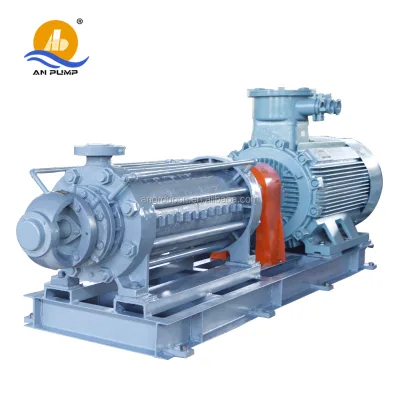
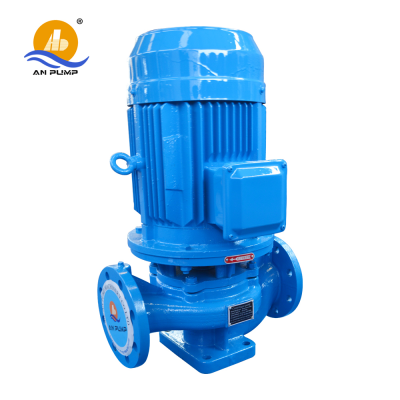


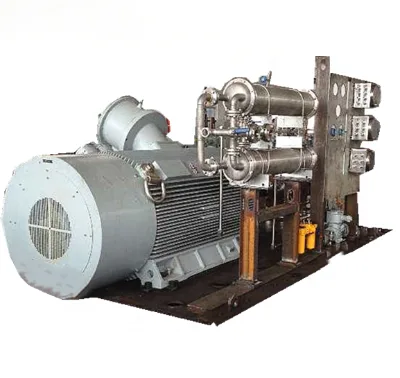


Comprehensive Sourcing Guide
High Pressure Jetting Pump Sourcing Guide
Procuring high-pressure jetting pumps requires a nuanced understanding of industrial fluid dynamics and specific application demands. These pumps are critical for maintaining system integrity in environments ranging from automotive manufacturing to district energy networks. Buyers must distinguish between general-purpose centrifugal units and specialized high-head multistage configurations designed for rigorous operational cycles. The selection process hinges on aligning pump architecture with the precise hydraulic requirements of the target industry, ensuring that the chosen equipment can sustain the necessary pressure differentials without compromising efficiency or longevity.
The market offers diverse configurations, including horizontal and vertical multistage designs, each suited to different spatial and operational constraints. Horizontal units often facilitate easier maintenance access, while vertical inline models provide space-saving advantages for tight installations. Understanding the distinction between single-stage and multistage structures is vital, as multistage pumps are typically preferred for applications requiring higher heads and more stable pressure output. Buyers should evaluate the specific mechanical advantages of each type against their facility’s layout and maintenance capabilities to ensure optimal integration into existing infrastructure.
Product Scope and Observed Listing Signals
Current market listings indicate a broad spectrum of applications, including drinking water treatment, industrial boilers, and food and beverage processing. Suppliers frequently highlight features such as high head capacity and large flow rates, which are essential for effective jetting and booster operations. The observed product range includes models with horsepower ratings spanning from 0.75 kW to over 1000 kW, reflecting the variability in power requirements across different industrial scales. This diversity allows buyers to select units that precisely match their throughput needs, whether for small-scale family home systems or large-scale commercial building utilities.
Listing signals also reveal significant variation in material composition and construction standards. Common materials include cast iron, stainless steel, and high-chromium alloys, chosen for their resistance to wear and corrosion in demanding environments. Some listings specify oil or grease lubrication for shafts, indicating a focus on long-term mechanical reliability. Additionally, the presence of OEM and ODM support suggests that manufacturers are willing to customize specifications, allowing buyers to tailor pump characteristics to unique operational challenges. This flexibility is particularly valuable for industries with non-standard fluid handling requirements or specific spatial constraints.
Technical Specifications to Verify
Verifying technical specifications is paramount to ensuring pump compatibility with the intended application. Key parameters to confirm include flow rate, maximum head, and voltage requirements, as these directly impact performance and energy consumption. For instance, flow rates may range from 1 to 1450 m³/h, while maximum heads can vary significantly, necessitating careful alignment with system pressure needs. Buyers should also verify the motor construction, ensuring it utilizes high-quality materials such as 100% copper wire for durability and efficiency. Misalignment in these specifications can lead to operational inefficiencies or premature equipment failure.
The structural design of the pump, whether single-stage or multistage, must be validated against the specific hydraulic demands of the system. Multistage pumps are often preferred for high-pressure applications due to their ability to generate greater head pressure through multiple impeller stages. Additionally, the type of lubrication system, whether oil or grease, should be confirmed to ensure it meets the maintenance capabilities of the facility. Buyers must also check the installation type, such as DC, CR, or ZVZ configurations, to ensure compatibility with existing piping and electrical infrastructure.
Compliance and Safety Documentation
Compliance with international standards is a critical factor in the procurement of high-pressure jetting pumps. Certifications such as TUV, ISO, and CE are commonly cited, indicating adherence to rigorous quality and safety benchmarks. Buyers should request documentation to verify that the pump meets the specific regulatory requirements of their operating region. This is particularly important for applications involving drinking water treatment or food and beverage processing, where material safety and hygiene standards are strictly enforced. Non-compliant equipment can pose significant legal and operational risks.
Safety features and operational safeguards should also be thoroughly reviewed. This includes verifying the pressure ratings and ensuring that the pump is designed to handle the maximum expected operating pressure without risk of failure. Buyers should inquire about the warranty terms, which typically range from one to three years, to understand the manufacturer’s confidence in their product’s durability. Additionally, confirming the place of origin and manufacturing standards can provide insights into the quality control processes employed by the supplier, further mitigating the risk of procuring substandard equipment.
Cost Drivers and Commercial Terms
Several factors influence the total cost of ownership for high-pressure jetting pumps, including material quality, horsepower rating, and customization requirements. Pumps constructed from high-chromium alloys or stainless steel may command higher initial prices but offer superior longevity and resistance to wear. Similarly, higher horsepower units capable of delivering greater flow rates and heads will typically be more expensive. Buyers should consider the long-term operational costs, such as energy consumption and maintenance frequency, when evaluating the initial purchase price.
Commercial terms, including minimum order quantities (MOQ) and lead times, also play a significant role in procurement planning. MOQs can vary widely, from single units to thousands, depending on the supplier’s production capacity and the level of customization required. Buyers should negotiate clear terms regarding shipping, packaging, and after-sales support to avoid unexpected costs. Understanding the single gross weight and package dimensions is also essential for logistics planning, ensuring that the equipment can be transported and installed efficiently within the facility.
Supplier Qualification and Quality Control
Evaluating supplier qualifications is essential to ensure the reliability and consistency of the procured equipment. Buyers should assess the manufacturer’s experience in producing high-pressure pumps and their ability to provide OEM or ODM services. A robust quality control process, often indicated by certifications like ISO, is a strong indicator of a supplier’s commitment to product integrity. Additionally, verifying the supplier’s track record in delivering to similar industries can provide insights into their understanding of specific application challenges and their ability to meet those needs.
Quality control measures should extend beyond initial manufacturing to include pre-shipment inspections and testing protocols. Buyers should inquire about the testing procedures used to verify pump performance, including flow rate and pressure tests. Ensuring that the supplier provides comprehensive documentation, including operation manuals and maintenance guidelines, is also crucial for long-term operational success. Establishing a clear communication channel with the supplier for technical support and troubleshooting can further enhance the procurement experience and mitigate potential operational disruptions.
Long-Term Procurement Checks
Long-term procurement success depends on establishing a sustainable relationship with suppliers who can support ongoing operational needs. Buyers should prioritize suppliers who offer comprehensive warranty coverage and readily available spare parts, such as pump components and motor replacements. This ensures minimal downtime in the event of equipment failure and extends the overall lifespan of the pump. Additionally, suppliers who provide regular maintenance support and technical updates can help optimize pump performance and adapt to changing operational requirements.
Regular performance monitoring and periodic audits of the installed pumps are also recommended to identify potential issues before they escalate. Buyers should maintain detailed records of pump performance, maintenance activities, and any modifications made to the system. This data can be invaluable for future procurement decisions, allowing buyers to make informed choices based on actual operational experience. By focusing on long-term reliability and supplier partnership, buyers can ensure that their high-pressure jetting pump investments continue to deliver value over time.
FAQs
What certifications do high pressure jetting pumps have?
These pumps typically hold TUV, ISO, CE, and BV certifications. Such standards ensure compliance with international safety and quality requirements for industrial applications like boiler feed water and urban sewage treatment systems.
Which materials are used for high pressure jetting pump construction?
Manufacturers use A03, A05, stainless steel, cast iron, and high-chromium alloy materials. These options provide wear resistance and durability for high head applications ranging from 69 to 1050 meters in various industrial settings.
Can I get customized support for high pressure jetting pumps?
Yes, OEM and ODM customized support are available for these units. Buyers can request specific configurations to meet unique requirements for automotive, biofuel, or commercial building water treatment projects without compromising performance standards.
What is the warranty period for high pressure jetting pumps?
Warranty periods vary between one year and three years depending on the specific model and supplier. Buyers should verify the exact terms before purchase to ensure adequate protection for their industrial or commercial water systems.
How is the power source configured for high pressure jetting pumps?
These pumps operate on electric power sources with customizable voltage requirements. Motor options range from 0.75 to 160 kW or up to 1050 kW, ensuring sufficient horsepower for diverse flow rates and head pressures in industrial utilities.
What is the maximum head capacity for high pressure jetting pumps?
Maximum head capacities range from 7 to 154 meters for booster models and up to 1050 meters for multistage variants. This wide range supports applications from family homes to large-scale district energy and industrial boiler feed systems.
Where are high pressure jetting pumps manufactured?
These pumps are primarily manufactured in China, with specific origins noted in Hebei. Buyers can source products directly from these regions, ensuring access to established supply chains for multistage and vertical inline pipeline pump configurations.