Source High Pressure Seamless Steel Pipe for Oil Gas and Construction
Find 30 listings for High Pressure Seamless Steel Pipe suitable for oil and gas drilling, chemical industry, and construction applications. Compare specifications like wall thickness, outer diameter, and surface treatment from suppliers in Mainland China.
Key considerations
Products List

High Pressure Seamless Steel Tube Hydraulic Seamless Carbon Steel Pipe
$1780.00 - $1800.00
MOQ: 1 Tons


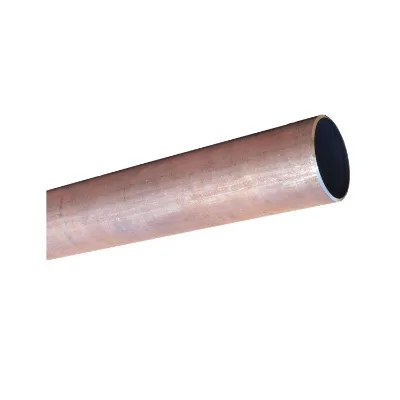


$900.00 - $1000.00
MOQ: 1 Tons


Comprehensive Sourcing Guide
Strategic Sourcing Guide for High Pressure Seamless Steel Pipe
Understanding Technical Specifications and Material Variability
When sourcing high-pressure seamless steel pipes, buyers must first navigate a complex landscape of technical specifications where material composition and manufacturing processes dictate performance. The product data indicates a distinct bifurcation in material availability, with listings explicitly citing both Carbon Steel and Stainless Steel as primary options. This distinction is critical because the selection between these materials depends entirely on the specific fluid being transported, the operating temperature, and the required corrosion resistance. For high-pressure applications, the manufacturing technique is equally vital. The observed data highlights two primary production methods: Hot Rolled and Cold Drawn. Hot rolled processes are often associated with robust structural integrity for general industrial use, while Cold Drawn techniques typically offer tighter dimensional tolerances and smoother surface finishes, which are often preferred for precision hydraulic or high-pressure systems.
The dimensional parameters for these pipes vary significantly across the market. While specific listings mention an Outer Diameter of 2 inches, a broader range of 20 to 820 mm is also observed, suggesting that suppliers cater to both small-bore instrumentation lines and large-scale transmission pipelines. Wall thickness is another variable that requires careful scrutiny. The data presents conflicting or complementary ranges, with some entries specifying a standard Schedule 40, while others indicate a customized thickness ranging from 3mm to 100mm. This variance implies that "high pressure" is not a fixed specification but a design outcome achieved by selecting the appropriate wall thickness relative to the operating pressure. Buyers must verify that the selected wall thickness aligns with the specific pressure ratings required for their application, as a standard Schedule 40 pipe may not suffice for extreme pressure environments without custom engineering.
Furthermore, the surface treatment processes vary, with options including Varnishing, Black coating, Pickling, Polishing, and Bright Annealing. These treatments are not merely aesthetic; they serve functional roles in preventing corrosion and ensuring smooth flow characteristics. For instance, pickling and bright annealing are common in stainless steel applications to remove surface contaminants and restore the passive oxide layer, which is essential for maintaining the integrity of the pipe in corrosive chemical or pharmaceutical environments. The shape is consistently noted as Round, and the connection methods include Threaded, Welded, Flanged, and Groove options, providing flexibility for various installation requirements.
Compliance, Certification, and Standard Verification
Navigating the compliance landscape for high-pressure seamless steel pipes requires a rigorous verification of certifications and adherence to international standards. The supply chain data reveals a diverse array of certifications, including ISO, ASTM, GB, DIN, JIS, AISI, EN, IBR, and RoHS. However, the presence of these acronyms in product listings does not automatically guarantee that a specific unit meets all these standards simultaneously. Buyers must treat these as potential attributes rather than universal guarantees. For high-pressure applications, the most critical standards often relate to material testing and dimensional tolerances. The data explicitly references ASTM A312, A213, and A790 as tolerance standards, which are widely recognized for stainless steel pipes and tubes.
In addition to material standards, the data lists specific tolerance ranges that buyers should use as a baseline for quality verification. The tolerance of diameter is noted as ranging from +/-0.13mm to +/-1.26mm, while the tolerance of thickness is specified as +/-10%. These numerical values are significant because high-pressure systems are sensitive to dimensional deviations that could lead to stress concentrations or leakage points. A buyer must ensure that the supplier can consistently meet these tight tolerances, particularly for the inner diameter, which affects flow dynamics and pressure calculations.
The certification landscape also includes RoHS and SGS, indicating compliance with environmental and quality management requirements. However, the data also lists "ISOCE" and "ISOEnd Connection:Beveled End," which suggests a mix of general quality certifications and specific technical descriptors. It is imperative for procurement teams to request specific test reports and certificates of conformity for the exact batch of pipes being purchased. Relying on a supplier's general claim of "ISO Certified" is insufficient for high-pressure applications where failure can be catastrophic. Buyers should verify that the certification covers the specific grade and standard (e.g., ASTM A333 for low-temperature service or ASTM A106 for high-temperature service) relevant to their project. The presence of standards like JIS G3459 or EN 10216-5 in background knowledge suggests these are industry benchmarks, but the primary verification must come from the supplier's documentation for the specific product ordered.
Cost Drivers and Pricing Dynamics
The pricing structure for high-pressure seamless steel pipes is influenced by a multitude of factors, creating a wide observed range of 450 to 3500 USD. This significant variance cannot be attributed to a single variable but rather a combination of material grade, manufacturing complexity, and order volume. The primary cost driver is the raw material. Carbon steel pipes generally command a lower price point compared to stainless steel variants, particularly those in the 300 series or other high-grade alloys designed for extreme corrosion resistance. The data confirms the availability of both material types, meaning a buyer's budget will fluctuate drastically depending on the chemical environment of the intended application.
Manufacturing technique also plays a pivotal role in cost determination. Cold drawn pipes, which require additional processing steps to achieve precise dimensions and superior surface finishes, typically cost more than hot-rolled equivalents. Similarly, the wall thickness is a direct cost factor; pipes with thicknesses approaching the upper limit of the observed 3mm-100mm range will require significantly more raw material and processing time, driving up the unit price. The surface treatment adds another layer of cost. A pipe requiring pickling, polishing, and bright annealing will be more expensive than one with a simple black coating or varnishing.
Order volume and payment terms further influence the final landed cost. The observed Minimum Order Quantity (MOQ) ranges from 1 unit to 10 units, with some specific listings indicating an MOQ of 1 Ton. This suggests that while small orders are possible, the unit price for very small quantities may be higher due to setup costs. Payment terms such as CIF, FOB, CFR, and EXW are standard, and the choice of Incoterm will affect the buyer's total cost by shifting the responsibility and expense of shipping and insurance. For instance, an EXW price will appear lower but will require the buyer to manage logistics from the factory gate, whereas a CIF price includes freight and insurance to the destination port. Buyers must calculate the total cost of ownership, including logistics, rather than focusing solely on the base product price.
Typical Applications and Industry Suitability
High-pressure seamless steel pipes are engineered for demanding environments where reliability is paramount. The product data highlights a broad spectrum of applications, ranging from Oil and Gas Drilling to Construction, Chemical Industry, and even Food and Beverage processing. In the Oil and Gas sector, these pipes are essential for drilling operations, pipeline transport, and subsea applications where they must withstand immense internal pressures and harsh external conditions. The seamless nature of the pipe eliminates the weak points associated with welded seams, making it the preferred choice for high-pressure transmission lines.
The Chemical and Pharmaceutical industries also rely heavily on these pipes, particularly those made from stainless steel. The data mentions usage in the Pharmaceutical Industry and Food/Beverage/Dairy Products, which necessitates high levels of hygiene and corrosion resistance. In these sectors, the surface treatment (such as pickling or bright annealing) is crucial to prevent contamination and ensure the purity of the transported fluids. The ability to customize the pipe's dimensions and material grade allows manufacturers to tailor solutions for specific chemical compositions and temperature ranges.
Additionally, the Machinery Industry and Automotive sectors utilize these pipes for hydraulic systems and special-purpose applications. The data notes "Hydraulic/Automobile Pipe" as a specific usage category, indicating that these pipes are often used in high-pressure hydraulic lines where failure could lead to system collapse or safety hazards. The "Thick Wall Pipe" classification in the data further supports their use in heavy machinery and structural applications. The versatility of the product is evident in the diverse list of applications, but it underscores the need for buyers to match the specific pipe specifications to the operational demands of their industry.
Supplier Evaluation and Quality Control Protocols
Evaluating suppliers for high-pressure seamless steel pipes requires a multi-faceted approach that goes beyond price comparisons. The origin of the products is consistently listed as China or Mainland China, which is a major hub for steel production. However, the quality of manufacturing can vary significantly between suppliers. Buyers should prioritize suppliers who can provide transparent documentation regarding their production processes, including the specific techniques used (Hot Rolled vs. Cold Drawn) and the quality control measures in place. The data mentions "Standard Export Packing" and "Bundles Tied with Steel Strips," which are good indicators of professional handling, but buyers should also verify the supplier's ability to provide custom packaging if required.
Quality control is non-negotiable in this sector. Buyers must insist on mill test reports (MTRs) that verify the chemical composition and mechanical properties of the steel. The data lists various standards like ASTM, GB, and DIN, and the supplier must demonstrate compliance with the specific standard chosen for the project. Inspection protocols should include visual checks for surface defects, dimensional verification against the specified tolerances (e.g., +/-0.13mm to +/-1.26mm for diameter), and non-destructive testing (NDT) such as hydrostatic testing or ultrasonic testing. The "High Pressure" designation implies that the pipes must undergo rigorous pressure testing before shipment. Buyers should also evaluate the supplier's lead time capabilities, as the data indicates that delivery time depends on quantity, which can impact project schedules.
Long-Term Procurement and Risk Management
Long-term procurement of high-pressure seamless steel pipes involves strategic planning to mitigate risks associated with supply chain disruptions and quality inconsistencies. The data shows that customization is available for length, thickness, and surface treatment, which is a significant advantage for buyers with specific project requirements. However, relying on custom specifications can extend lead times and increase costs. Buyers should establish long-term contracts with suppliers who have a proven track record of delivering consistent quality and adhering to agreed-upon standards.
Risk management also involves diversifying the supplier base to avoid dependency on a single source. Given the global nature of the steel market, price fluctuations and raw material shortages can impact availability. Buyers should monitor market trends and maintain a buffer stock of critical components where feasible. The payment terms (CIF, FOB, CFR, EXW) offer flexibility, but buyers should structure contracts to include penalties for non-compliance with quality standards or delivery delays. Finally, regular audits and performance reviews of suppliers are essential to ensure that the long-term relationship remains beneficial and that the high-pressure pipes continue to meet the evolving safety and performance requirements of the buyer's operations.
FAQs
What materials are available for High Pressure Seamless Steel Pipe?
Both carbon steel and stainless steel are available options for these pipes. Buyers must select the material based on the specific fluid being transported and the required corrosion resistance for their application environment.
Which manufacturing techniques are used for these pipes?
The pipes are produced using hot rolled and cold drawn techniques. Hot rolled processes offer robust structural integrity, while cold drawn methods provide tighter dimensional tolerances and smoother surface finishes for precision systems.
Can the wall thickness be customized for specific pressure needs?
Yes, wall thickness can be customized ranging from 3mm to 100mm or specified as Schedule 40. Selecting the appropriate thickness is critical as it determines the pipe's ability to withstand the required operating pressure.
What certifications and standards apply to these seamless pipes?
Products comply with standards such as ASTM, GB, DIN, JIS, and ISO. Specific tolerance standards like ASTM A312, A213, and A790 are referenced for dimensional accuracy, and certifications like RoHS and SGS are also available.
How does the price range vary for these steel pipes?
The observed price range is between 450 and 3500 USD per unit. Costs fluctuate based on material grade, manufacturing complexity, wall thickness, and surface treatment requirements like pickling or bright annealing.
What are the typical minimum order quantities for these pipes?
Minimum order quantities range from 1 unit to 10 units, with some listings requiring a minimum of 1 ton. Small orders are possible but may incur higher unit prices due to setup costs.
Which industries commonly use high pressure seamless steel pipes?
These pipes are widely used in the oil and gas, chemical, construction, and machinery industries. They are also suitable for hydraulic systems, automotive applications, and food or pharmaceutical processing where hygiene is critical.
What surface treatments are offered for these pipes?
Available surface treatments include varnishing, black coating, pickling, polishing, and bright annealing. These processes prevent corrosion and ensure smooth flow characteristics, with specific treatments chosen based on the application environment.