Source High Speed Hydraulic Collet Chuck for Lathe, Milling, CNC
Find and compare High Speed Hydraulic Collet Chuck options from verified suppliers. With 30 products available, buyers can review specifications like CNC machining centers, ISO certifications, and lead times to select the right tool for lathe, milling, and CNC applications.
Key considerations
Products List


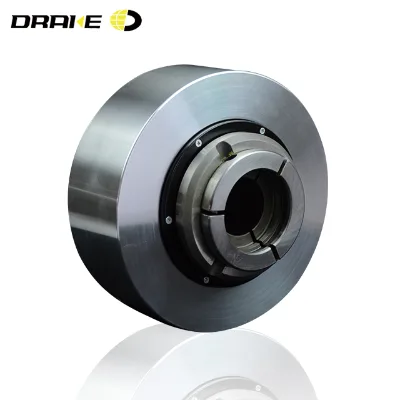
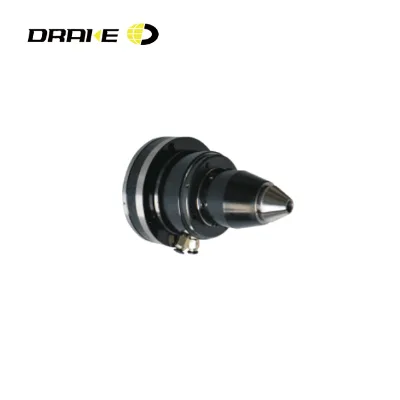
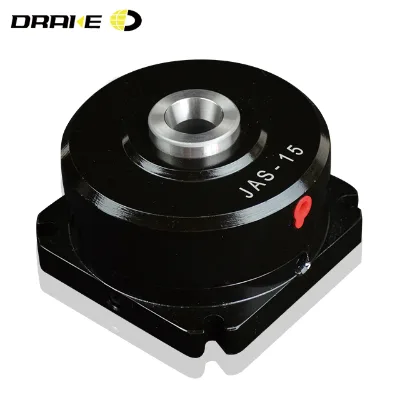
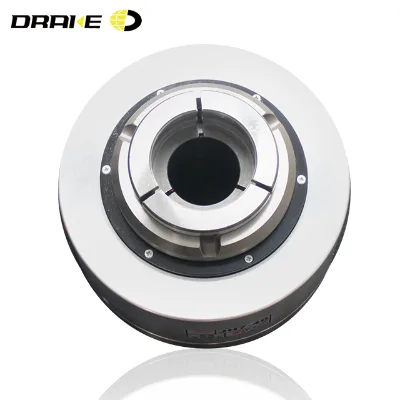
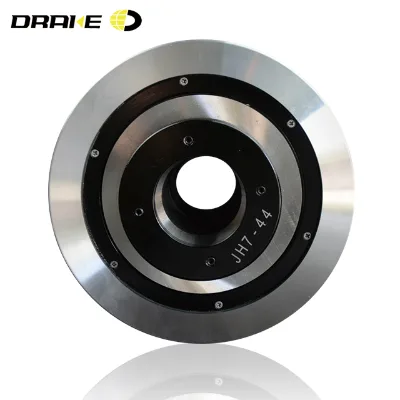
Milling Collet Chuck YB-15 Universal High Precision Fixing collet chuck
$280.26 - $580.21
MOQ: 1 Minimum
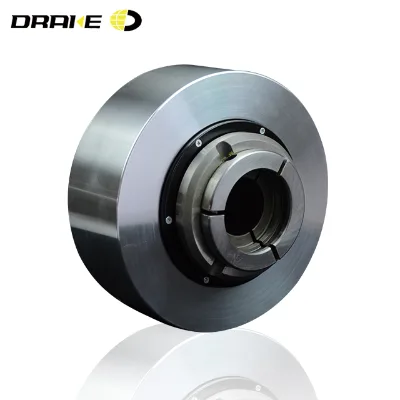


Comprehensive Sourcing Guide
Strategic Sourcing Guide for High-Speed Hydraulic Collet Chucks
Understanding Technical Specifications and Operational Capabilities
When evaluating high-speed hydraulic collet chucks for industrial procurement, the primary focus must remain on the intersection of mechanical precision, power delivery, and material compatibility. The core functionality of these devices relies on hydraulic pressure as the driving force, ensuring consistent clamping force across varying operational speeds. This hydraulic mechanism is distinct from manual or pneumatic alternatives, offering superior stability during high-RPM machining operations where centrifugal forces can compromise tool holding integrity. The observed product attributes indicate that these systems are designed for high-efficiency performance, a critical requirement for modern CNC milling environments where cycle times directly impact profitability.
Precision is a non-negotiable metric in this category. The technical data suggests tolerance levels as tight as 1 micrometer (±0.001 mm), which is essential for maintaining the geometric accuracy of machined parts. This level of precision is often supported by CNC machining centers capable of 3, 4, or 5-axis operations, allowing for complex geometries to be executed without re-clamping. The hardness of the chuck components is typically rated between HRC 44 and 48, providing a balance between wear resistance and the toughness required to withstand the shock loads of heavy cutting. Furthermore, the knurling capabilities observed in the market include compatibility with Cooper, Steel, Metal, and Aluminum Alloy workpieces, indicating a versatile gripping surface designed to handle diverse material properties without slippage.
The physical dimensions and standardization of the chuck are equally critical. Specifications indicate standard sizes such as 100x100 mm, alongside specific model identifiers like ER, BT, and DIN69871. These models correspond to established industry standards, including BT40, BT50, DIN40, and DIN50, which dictate the taper and mounting interface. Buyers must verify that the selected chuck matches the spindle interface of their specific machine tools. The product models also reference specific dimensions like 20.00 cm x 20.00 cm x 10.00 cm, which likely refer to the overall envelope or packaging dimensions rather than the gripping capacity. Understanding these distinctions is vital to ensure the physical footprint of the chuck fits within the machine's workspace and does not interfere with other tooling or machine components.
Compliance, Certification, and Standard Verification
In the global supply chain for industrial tooling, compliance and certification serve as the primary indicators of quality assurance and regulatory adherence. The observed market data highlights that reputable suppliers for high-speed hydraulic collet chucks often hold ISO 9001 certification, a standard that validates the supplier's quality management systems. Additionally, CE marking is frequently cited, indicating conformity with health, safety, and environmental protection standards for products sold within the European Economic Area. These certifications are not merely administrative formalities; they represent a commitment to consistent manufacturing processes and traceability.
Beyond general quality certifications, specific product standards must be scrutinized. The data references standards such as TXT25~50 and specific model standards like BT and DIN series. These standards define the mechanical interfaces and performance thresholds that the chuck must meet. Buyers should verify that the product documentation explicitly states compliance with these standards, rather than relying on general claims. The presence of "Customized" certification entries suggests that some suppliers offer tailored compliance documentation, which can be beneficial for specialized applications or industries with unique regulatory requirements.
It is important to note that while certifications are a strong indicator of reliability, they do not guarantee the performance of every individual unit. The "Customized" nature of some certifications implies that specific batches or models may have unique compliance profiles. Therefore, procurement teams should request current, valid certificates for the specific lot of equipment being purchased. This due diligence ensures that the equipment meets the necessary legal and safety requirements for the intended operating environment, particularly in high-speed applications where failure can result in significant safety hazards.
Cost Drivers and Pricing Dynamics
The pricing structure for high-speed hydraulic collet chucks is influenced by a complex array of factors, ranging from raw material costs to the level of customization required. The observed price range in the market spans from $0.80 to $2,503.35, a vast disparity that reflects the diversity of product configurations, from basic components to fully integrated, high-precision systems. This wide range underscores the importance of defining exact requirements before soliciting quotes, as the cost of a standard ER collet chuck will differ significantly from a custom-designed hydraulic system with advanced features.
Material composition is a primary cost driver. The use of high-grade metals, such as steel and aluminum alloys, directly impacts the final price. The hardness rating of HRC 44-48 suggests the use of specialized alloy steels, which are more expensive than standard carbon steels but necessary for durability in high-speed applications. Additionally, the complexity of the forging forming method, specifically mold forging, adds to the manufacturing cost. This process ensures uniform grain structure and superior mechanical properties, but it requires significant tooling investment and precise control, which is reflected in the unit price.
Customization is another significant factor influencing cost. While some products are available as standard items with "Without Logo Printing," others offer "With Logo Printing" or fully customized specifications. The ability to tailor the chuck to specific machine interfaces or application requirements increases the unit cost but can reduce long-term operational expenses by improving efficiency and reducing downtime. Furthermore, the lead time for production, observed between 5 to 20 days for quantities of 1 to 1000 pieces, can affect pricing. Rush orders or expedited shipping may incur additional charges, while standard lead times allow for more competitive pricing.
Typical Applications and Operational Scope
High-speed hydraulic collet chucks are engineered for a broad spectrum of industrial applications, with a primary focus on CNC milling and lathe operations. The observed application data points to their use in CNC milling machines, where the combination of high precision and hydraulic stability is essential for complex part machining. These chucks are particularly valuable in environments requiring high-efficiency production, where the ability to maintain tight tolerances over long production runs is critical. The "Use Widely" attribute suggests that these tools are versatile enough to handle various industries, from automotive to aerospace, where component accuracy is paramount.
The specific design features, such as the ability to handle round, hexagon, or square hole shapes, indicate their adaptability to different workpiece geometries. This versatility makes them suitable for multi-axis machining centers that require rapid tool changes and consistent clamping force. The "Production Scope" of parts production line further confirms their role in mass production environments where reliability and speed are key performance indicators. Additionally, the "Video Outgoing" feature suggests that suppliers may provide visual documentation of the manufacturing or testing process, which can be useful for verifying the condition and quality of the equipment before shipment.
In terms of automation, the observed "Manual" automation level suggests that while the chuck itself is hydraulic, the overall operation may still require some manual intervention for loading and unloading. However, the integration with CNC systems allows for automated tool changes, enhancing the overall efficiency of the production line. The "Engineers Available to Service Machinery Overseas" attribute highlights the importance of after-sales support, particularly for international buyers who may require technical assistance for installation, maintenance, or troubleshooting. This support network is crucial for minimizing downtime and ensuring the longevity of the equipment.
Supplier Evaluation and Selection Criteria
Selecting the right supplier for high-speed hydraulic collet chucks requires a rigorous evaluation process that goes beyond price comparison. The "After-sales Service" attribute, specifically the availability of engineers for overseas service, is a critical differentiator. Buyers should prioritize suppliers who demonstrate a commitment to long-term support, including technical assistance, spare parts availability, and troubleshooting capabilities. The "24 Months Warranty" observed in the market provides a baseline for expected reliability, but the scope and terms of this warranty should be carefully reviewed to understand what is covered and what is excluded.
The origin of the product, with "China" and "Shandong" cited as common locations, indicates a concentration of manufacturing in this region. While this can offer competitive pricing, buyers must ensure that the supplier maintains strict quality control standards to meet international expectations. The "G.W" (Gross Weight) values of 1kg and 2kgs suggest that the chucks are relatively lightweight, which can be advantageous for handling and installation, but the actual weight may vary based on the specific model and size. Buyers should verify the shipping weight and dimensions to plan for logistics and storage effectively.
Another key factor in supplier evaluation is the "Customization" capability. The market offers both "Customized" and "Non-Customized" options, and the supplier's ability to meet specific requirements can be a decisive factor. Buyers should assess the supplier's flexibility in accommodating design changes, logo printing, and specific standard compliance. The "Production Scope" of parts production line also indicates the supplier's capacity to handle large orders, which is important for buyers looking to scale their operations. Finally, the "Lead Time" of 5-20 days should be factored into the procurement timeline, with contingency plans in place for potential delays.
Quality Control and Long-Term Procurement Considerations
Ensuring the quality of high-speed hydraulic collet chucks requires a multi-faceted approach that includes rigorous testing, inspection, and ongoing performance monitoring. The "Accuracy" of 0.015mm and "Tolerance" of 1 micrometer are key metrics that should be verified through independent testing or third-party inspection reports. Buyers should request detailed quality control documentation, including material certificates, hardness test results, and dimensional inspection reports, to ensure that the products meet the specified standards. The "Video Outgoing" feature can also serve as a visual verification tool, allowing buyers to inspect the condition of the equipment before it leaves the factory.
Long-term procurement considerations extend beyond the initial purchase to include maintenance, replacement, and lifecycle management. The "24 Months Warranty" provides a safety net for early failures, but buyers should also consider the availability of spare parts and the cost of maintenance over the equipment's lifespan. The "After-sales Service" and "Technical Support" attributes are crucial for ensuring that the equipment remains operational and efficient over time. Buyers should establish a clear communication channel with the supplier for any issues that arise and ensure that the supplier has the capacity to provide timely support.
Furthermore, the "Condition: New" attribute indicates that the products are manufactured to new standards, but buyers should verify the storage and handling conditions during transit to prevent any damage. The "Wooden Box" and "Carton" packing options suggest that the products are well-protected for shipping, but buyers should inspect the packaging upon receipt to ensure that the equipment has not been compromised. Finally, the "Feature: Durable, Long Lifespan" claim should be validated through real-world performance data and user feedback, as the actual lifespan of the chuck will depend on the operating conditions and maintenance practices.
Summary of Key Specifications and Standards
To facilitate a comprehensive understanding of the market landscape, the following table summarizes the key specifications and standards observed in the supply of high-speed hydraulic collet chucks. This summary serves as a reference for buyers to compare products and identify the most suitable options for their specific needs.
| Category | Observed Attribute/Standard | Notes for Verification |
|---|---|---|
| Power Source | Hydraulic Pressure | Essential for high-speed stability |
| Tolerance | 1 Micrometer (±0.001) | Critical for precision machining |
| Accuracy | 0.015mm | Verify with inspection reports |
| Hardness | HRC 44-48 | Indicates material durability |
| Certification | ISO 9001, CE | Check validity and scope |
| Standard | BT40, BT50, DIN40, DIN50 | Match to machine spindle |
| Model | ER, BT, DIN69871 | Verify compatibility |
| Material | Metal (Steel, Aluminum Alloy) | Confirm grade and composition |
| Warranty | 24 Months | Review terms and conditions |
| Lead Time | 5-20 Days | Plan for production and shipping |
| Origin | China, Shandong | Consider logistics and tariffs |
| Packing | Wooden Box, Carton | Inspect for damage upon arrival |
By adhering to these guidelines and verifying the specific attributes of each product, buyers can make informed decisions that align with their operational requirements and quality standards. The combination of technical precision, regulatory compliance, and robust supplier support forms the foundation of a successful procurement strategy for high-speed hydraulic collet chucks.
FAQs
What certification do high speed hydraulic collet chucks typically have?
These chucks often carry ISO 9001 and CE certifications to ensure quality and safety compliance. Some suppliers also offer customized certification documentation for specific batches or specialized industrial requirements.
How precise are the tolerances for these hydraulic collet chucks?
The tolerance levels can reach as tight as 1 micrometer plus or minus 0.001 mm. This high precision supports complex 3, 4, or 5-axis CNC machining operations requiring strict geometric accuracy.
Which lead times are available for ordering these hydraulic chucks?
Standard lead times range from 5 to 20 days for quantities between 1 and 1000 pieces. Some specific models may have a fixed 15-day production window depending on customization needs.
Can these chucks be customized with specific logos or features?
Yes, customization is available for logo printing and specific product specifications. Buyers can choose between options with or without logo printing based on their branding requirements.
What warranty period is provided for these hydraulic collet chucks?
A standard warranty of 24 months is typically provided for these industrial components. This coverage ensures reliability and offers protection against manufacturing defects during the initial operational period.
How does the hardness rating affect the durability of the chucks?
The hardness rating of HRC 44 to 48 ensures a balance between wear resistance and toughness. This specification allows the chucks to withstand shock loads during heavy cutting operations effectively.
Where are these high speed hydraulic collet chucks manufactured?
Products originate from China, with specific manufacturing hubs located in Shandong. This regional concentration supports competitive pricing and established supply chains for industrial tooling.