Source High-Strength Water-Stop Sheet Pile for Construction
Find and compare high-strength water-stop sheet pile options from 30 verified suppliers. Buyers can evaluate structural steel and PVC models for building, functional components, and exterior applications with customizable dimensions and certifications.
Key considerations
Products List


High Strength Vinyl Sheet Pile for Waterfront Barrier and Erosion Control
$15.00 - $17.00
MOQ: 10 Meters


FRP Breakwater Sheet Pile for Water Conservancy and Farmland Construction Projects
$1.00 - $300.00
MOQ: 10 Meters




Comprehensive Sourcing Guide
Strategic Sourcing Guide for High-Strength Water-Stop Sheet Piles
Understanding Product Variants and Technical Specifications
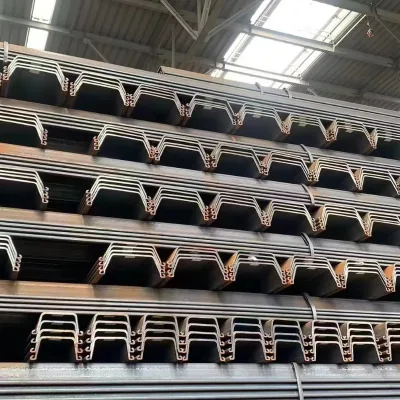
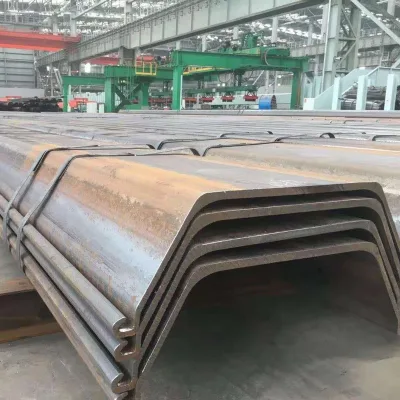
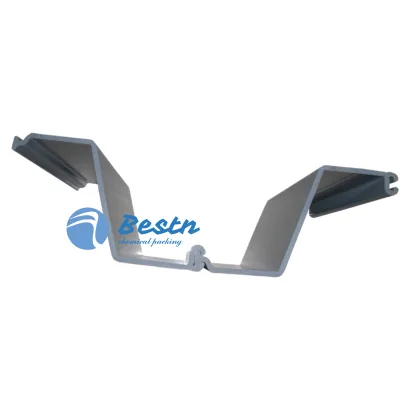
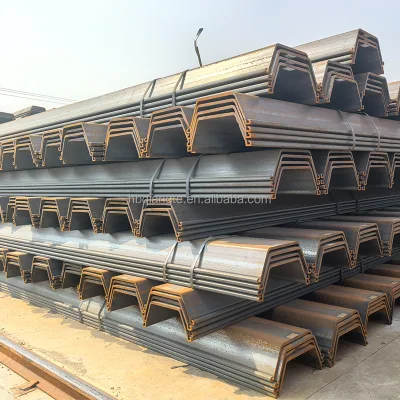
When sourcing high-strength water-stop sheet piles, buyers must first navigate the distinct material and structural categories available in the global market. The term "sheet pile" encompasses a broad spectrum of products, ranging from traditional structural steel to modern polymer solutions. Based on current market observations, the primary distinction lies between steel-based structural components and plastic-based functional elements. Steel variants are frequently categorized under standards such as AISI, ASTM, BS, DIN, GB, and JIS, with specific production techniques like hot rolling being common for structural steel bars. These products are often designated for heavy-duty applications, including structural steel bars and high-strength steel plates. In contrast, a significant segment of the market offers PVC sheet piles, which are manufactured through extrusion processes. These plastic variants are characterized by specific dimensions, such as a section width of 457mm and a depth of 254mm, with model identifiers like Z457 or Sz402.
The technical specifications for these products vary significantly based on their intended use. For steel sheet piles, the surface finish is typically black, and the material properties emphasize high impact resistance and wear resistance. These products are often utilized in building and construction sectors where structural integrity is paramount. Conversely, PVC sheet piles are designed for exterior usage and offer specific material properties such as UV and weather resistance. The forming way for these plastic components is extrusion, and they are often available in single or multi-color options. Buyers must verify the exact model number, such as Z457 or Sz402, as these identifiers often correlate with specific section widths and depths. The length of the sheet piles is frequently customizable, allowing for tailored solutions to specific project requirements. Understanding these fundamental differences is critical, as the performance characteristics of a high-strength steel sheet pile differ vastly from those of a PVC sheet pile, particularly regarding load-bearing capacity and environmental resistance.
Compliance and Certification Verification
Ensuring that sheet piles meet international and regional compliance standards is a non-negotiable aspect of B2B procurement. The market exhibits a wide array of certifications and standards that suppliers may claim to adhere to. For steel products, compliance is often linked to established standards such as ASTM, GB, and ISO. Specific certifications observed in the market include CE, ISO, SGS, and RoHS. Buyers should be aware that while some suppliers list broad standard families like ASTM or GB, the specific grade or version of the standard (e.g., ASTM A572-60 or ASTM A690) requires explicit verification from the supplier, as these are not universally applied to every listed product. For PVC sheet piles, certifications such as CE and ISO are common, with some products also carrying RoHS compliance to ensure they are free from hazardous substances.
The verification process should extend beyond the mere presence of a certificate. Buyers must confirm that the certification is valid for the specific product model and material composition being purchased. For instance, a supplier may claim ISO certification for their general manufacturing process, but this does not automatically guarantee that a specific batch of PVC sheet piles meets the required material properties. Similarly, the presence of an ASTM or GB standard reference should be cross-referenced with the actual product specifications. It is essential to request the specific test reports or certificates of analysis that correspond to the product's material properties, such as high impact resistance for steel or UV resistance for PVC. Relying solely on marketing claims without documentary evidence can lead to procurement of non-compliant materials. Furthermore, the origin of the product, often cited as China or specifically Zhejiang, China, should be verified against the certification body's jurisdiction to ensure the standards applied are recognized and enforceable in the buyer's region.
Cost Drivers and Pricing Dynamics
The pricing of sheet piles is influenced by a complex interplay of material costs, manufacturing processes, and customization requirements. The observed price range in the market spans from $1 to $2,000, reflecting the diversity of product types and specifications. For steel sheet piles, the cost is heavily driven by the raw material price of steel, the complexity of the hot rolling process, and the specific alloy composition required for high-strength applications. Products designated as high-strength steel plates or wear-resistant steel will command a premium over standard structural steel bars. Additionally, surface finishing processes, such as black coating or other treatments, can add to the overall cost.
For PVC sheet piles, the cost structure is different, primarily influenced by the price of raw plastic resin and the extrusion technology used. The customization of dimensions, such as the specific section width of 457mm or the depth of 254mm, can affect the unit price. Customization is a significant cost driver across both material types. Suppliers often offer OEM services, including logo customization and tailored packing solutions, which can increase the final price. The Minimum Order Quantity (MOQ) also plays a crucial role in pricing; observed MOQs range from 1 to 500 units, with some specific PVC models requiring a minimum of 100 units. Larger orders typically benefit from economies of scale, reducing the per-unit cost. Buyers should also consider the packaging requirements, as options range from bulk shipping to wooden frames or wooden pallets, each with different associated costs. The production time, which can vary from 10 to 20 days or be reconcilable based on order volume, also impacts the overall procurement timeline and potential rush fees.
Typical Applications and Functional Requirements
The application of sheet piles is diverse, ranging from heavy civil engineering projects to specialized decorative or functional components. Steel sheet piles are predominantly used in building and construction applications, serving as structural steel bars or high-strength steel plates. Their high impact resistance and wear resistance make them suitable for retaining walls, cofferdams, and foundation support in challenging soil conditions. The specific models, such as U sheet piles and Z sheet piles, are designed to interlock effectively, providing continuous barriers against water and soil. These products are essential in scenarios requiring high structural integrity and load-bearing capacity.
PVC sheet piles, on the other hand, are often utilized for exterior applications where corrosion resistance and weather durability are critical. Their material properties, including UV and weather resistance, make them ideal for environments exposed to harsh climatic conditions. These products are frequently used as functional components in drainage systems, landscaping, and decorative parts. The ability to customize the color, with options for single or multi-color finishes, allows for aesthetic integration in public spaces or residential projects. The service life of these products is a key consideration, with some PVC variants claiming a lifespan of up to 50 years. Buyers must align the product's application with its material properties; for instance, using a PVC sheet pile in a high-load structural application would be inappropriate, just as using a standard steel pile in a highly corrosive chemical environment without proper coating could lead to premature failure.
Supplier Evaluation and Production Capabilities
Evaluating suppliers requires a comprehensive assessment of their production capabilities, customization options, and logistical reliability. A key indicator of a supplier's flexibility is their ability to accommodate custom requests. Many suppliers in the market offer customization services, including logo customization (OEM) and tailored packing solutions according to customer requests. The production time is another critical factor; while some suppliers offer standard lead times of 10 to 20 days, others may have reconcilable timelines depending on order volume and complexity. Buyers should verify the supplier's capacity to handle specific model numbers, such as Z457 or Sz402, and ensure they can meet the required specifications for section width and depth.
The origin of the product, often cited as China or Zhejiang, China, should be considered in the context of the supplier's reputation and track record. Buyers should inquire about the supplier's quality control processes and their ability to provide consistent product quality. The availability of certifications like CE, ISO, and SGS is a positive indicator, but it should be complemented by a review of the supplier's past performance and client references. Additionally, the supplier's ability to manage packaging, whether in bulk, wooden frames, or wooden pallets, is essential for ensuring the safe delivery of the products. Buyers should also assess the supplier's responsiveness to inquiries and their willingness to provide detailed technical documentation. A supplier that is transparent about their production processes and willing to engage in a detailed discussion about product specifications is more likely to deliver a satisfactory procurement experience.
Quality Control and Long-Term Procurement Considerations
Implementing a robust quality control (QC) strategy is vital for mitigating risks associated with sheet pile procurement. Given the wide range of observed specifications and standards, buyers must establish clear acceptance criteria before placing orders. This includes verifying the material properties, such as high impact resistance for steel or UV resistance for PVC, through independent testing or supplier-provided test reports. The surface finish, whether black for steel or finished for PVC, should be inspected for consistency and adherence to the agreed-upon standards. For products with specific model numbers like Z457, dimensional accuracy is paramount, and buyers should request samples or detailed measurement reports to ensure compliance with the specified section width and depth.
Long-term procurement considerations involve building a sustainable relationship with suppliers that can adapt to changing project needs. The ability to customize products, such as adjusting the length or color, is a valuable asset for long-term projects. Buyers should also consider the total cost of ownership, including maintenance and replacement costs. For steel sheet piles, the potential for corrosion and the need for protective coatings should be factored into the lifecycle analysis. For PVC sheet piles, the durability of the UV and weather resistance coatings is crucial for ensuring a long service life, potentially up to 50 years. Establishing clear communication channels and agreeing on a standardized QC protocol with the supplier can help maintain product quality over time. Additionally, buyers should monitor market trends and standard updates to ensure that their procurement strategies remain aligned with the latest industry requirements and technological advancements.
FAQs
What certifications are available for high-strength water-stop sheet piles?
Certifications include CE, ISO, SGS, and RoHS depending on the product type. Steel variants often adhere to ASTM, GB, and ISO standards, while PVC options may carry CE and ISO marks to ensure compliance with international safety and quality requirements.
Which material properties define high-strength water-stop sheet piles?
Steel piles offer high impact resistance and wear resistance for structural applications. PVC variants provide UV and weather resistance suitable for exterior use, ensuring durability in harsh environmental conditions without compromising structural integrity.
Can I customize the dimensions of high-strength water-stop sheet piles?
Yes, length and dimensions like section width can be customized to meet specific project needs. Suppliers accept OEM requests and can tailor specifications such as the 457mm width or 254mm depth based on customer requirements.
How long is the production time for high-strength water-stop sheet piles?
Production time typically ranges from 10 to 20 days for standard orders. Some suppliers offer reconcilable timelines depending on order volume and customization complexity, allowing flexibility for urgent project schedules.
What is the minimum order quantity for high-strength water-stop sheet piles?
MOQs vary from 1 to 500 units depending on the supplier and product model. Specific PVC models may require a minimum of 100 units, while other variants allow for smaller trial orders to facilitate initial procurement.
Where are high-strength water-stop sheet piles manufactured?
Products originate primarily from China, with specific manufacturing hubs in Zhejiang. Buyers should verify the origin to ensure the supplier meets regional standards and can provide valid documentation for the specific product batch.
What packaging options are available for high-strength water-stop sheet piles?
Packaging includes wooden frames, wooden pallets, or bulk shipping based on customer requests. Suppliers can customize packing solutions to ensure safe transport, with options ranging from no package for bulk orders to protective wooden structures.