Source High Temperature Resistant PTFE Fabric for insulation filters
Compare 30 listings of High Temperature Resistant PTFE Fabric from verified suppliers. Evaluate specifications including temperature range, width, and weight to find suitable options for insulation, filtration, and wall covering applications.
Key considerations
Products List

High-Temperature Resistant PTFE Fiberglass Fabric for Industrial Use
$3.50 - $5.50
MOQ: 200 Square Feet

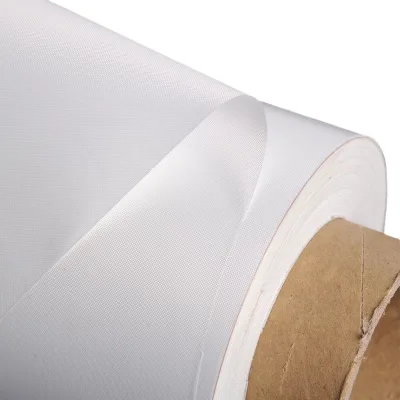
High-Performance Heat Resistant PTFE Laminated Fiberglass Fabric Roll
$3.50 - $5.50
MOQ: 200 Square Meters




Comprehensive Sourcing Guide
Strategic Sourcing Guide for High-Temperature Resistant PTFE Fabric
Understanding Technical Specifications and Material Composition
When sourcing high-temperature resistant PTFE fabric, buyers must first distinguish between the base substrate and the coating application. The core material for these textiles is typically Fiberglass Yarn, specifically E-Glass, which provides the necessary tensile strength and structural integrity under thermal stress. The fabric construction is predominantly Plain Woven, a configuration that ensures uniform distribution of load and consistent performance across the material surface.
A critical observation in the current market data indicates that the base fiberglass cloth often features an Alkali Free composition. This attribute is essential for maintaining chemical stability, particularly when the fabric is exposed to harsh environments or specific chemical treatments during the manufacturing process. The thickness of these materials varies significantly depending on the intended application, with observed ranges spanning from 0.08 mm to as high as 1.2 mm. Some specific product models indicate a thickness range of 0.08 mm to 0.90 mm, while others extend up to 1 mm. Buyers should verify the exact thickness required for their specific project, as this parameter directly influences the fabric's flexibility, durability, and heat resistance capabilities.
The width of the fabric is another pivotal specification. Market listings show widths ranging from 0.5 meters to 1.5 meters, with some specialized rolls available in widths of 1250 mm, 1000 mm, or extending up to 4000 mm. The standard widths often include 1 meter, 1.2 meters, 1.5 meters, and 1.8 meters, though customized widths are frequently available to meet specific project requirements. The weight of the fabric, measured in grams per square meter (GSM), is equally variable, with observed values ranging from 158 GSM to 1740 GSM. This wide range suggests that the fabric can be engineered for both lightweight filtration applications and heavy-duty structural coverings.
Thermal Performance and Operational Limits
The defining characteristic of high-temperature resistant PTFE fabric is its ability to withstand extreme thermal conditions without degrading. The supplied data highlights a continuous service temperature range of -70°C to 260°C. This range is critical for applications involving hot air, chemical fumes, or industrial exhaust systems. In addition to continuous operating temperatures, some product variants list a standing temperature capability of 200°C to 1000°C. It is vital for procurement teams to understand the distinction between continuous operating limits and short-term peak temperature resistance. The PTFE coating provides the primary thermal barrier, while the fiberglass yarn substrate ensures the fabric does not melt or lose structural integrity at these elevated temperatures.
Color options for these fabrics are generally limited to White or Black, with some suppliers offering Brown or Custom-Made colors. While color may seem like a minor aesthetic detail, it can sometimes indicate the presence of specific additives or the type of coating used. For instance, black coatings may offer different UV resistance properties compared to white. Buyers should confirm if the color is an intrinsic part of the PTFE coating or a surface treatment, as this can affect the long-term weatherability of the material.
Compliance, Certification, and Regulatory Standards
Navigating the compliance landscape is a non-negotiable step in sourcing industrial textiles. The market data confirms that reputable suppliers in this sector typically hold a portfolio of certifications including ISO, CE, BSCI, UL, and RoHS. The presence of ISO certification suggests adherence to international quality management standards, while CE marking indicates conformity with health, safety, and environmental protection standards for products sold within the European Economic Area.
Specifically, the UL certification is highly relevant for applications requiring fire resistance or electrical safety, as it verifies that the material meets rigorous testing protocols set by Underwriters Laboratories. RoHS compliance ensures that the fabric is free from specific hazardous substances, which is a mandatory requirement for many electronics and automotive applications. While background knowledge often references ISO 9001 or ISO 13485, buyers should request current, valid certificates from the supplier rather than assuming compliance based on general industry standards. The specific product models listed, such as FY-HY0006 and FY-M01, are associated with PTFE Coated Fiberglass Fabric standards, but the exact standard number must be verified against the supplier's documentation for each specific order.
Cost Drivers and Pricing Dynamics
The pricing for high-temperature resistant PTFE fabric is influenced by several complex factors. The observed price range in the market is extensive, spanning from $0.02 to $110 per unit. This vast disparity is not indicative of a single product but rather reflects differences in material thickness, width, coating quality, and order volume. The Minimum Order Quantity (MOQ) also plays a significant role in the final unit cost, with observed MOQs ranging from 1 unit to as high as 2,500 units.
Buyers should anticipate that lower MOQs, such as 1 unit, often come with a significantly higher per-unit price due to the setup costs associated with small-batch production. Conversely, larger orders allow suppliers to optimize their production lines, resulting in lower unit costs. The "Make-to-Order" supply type mentioned in the data suggests that many suppliers do not hold large inventories of finished goods, which can impact lead times and pricing stability. Customization is a major cost driver; requests for specific widths, colors, or thicknesses outside the standard 1m, 1.2m, or 1.5m options will incur additional engineering and setup fees. Additionally, the complexity of the processing services required, such as bending, decoiling, molding, welding, or punching, will add to the overall cost of the final product.
Typical Applications and Functional Use Cases
The versatility of PTFE-coated fiberglass fabric makes it suitable for a diverse array of industrial applications. The primary use cases identified in the market data include Wall and Roof Covering Cloth, where the material serves as a durable, weather-resistant membrane for architectural structures. The high tensile strength and temperature resistance make it ideal for tensile architecture, such as stadium roofs and exhibition halls.
Beyond construction, the fabric is widely used in the filtration industry as Filter Cloth. The specific weave and coating allow for the separation of particulates from gases or liquids at high temperatures, making it essential for cement plants, power generation facilities, and waste incineration units. The data also lists applications for Blinds, suggesting a use in specialized window coverings that require heat resistance or light filtering properties. In the context of industrial processing, the fabric is used for conveyor belts, expansion joints, and gaskets, where the ability to withstand thermal expansion and chemical exposure is paramount. The "Other Appellation" of PTFE Fiberglass Cloth further underscores its role in specialized industrial sectors where standard textiles would fail.
Supplier Evaluation and Quality Control Protocols
Evaluating a supplier for high-temperature resistant PTFE fabric requires a rigorous assessment of their capabilities and quality control systems. Buyers should prioritize suppliers who offer customization services, as this indicates a flexible manufacturing process capable of meeting specific project needs. The origin of the products is predominantly Shandong, China, a region known for its textile manufacturing base. However, the geographic origin alone is not a guarantee of quality; buyers must verify the supplier's specific production facilities and quality assurance protocols.
Quality control should focus on verifying the consistency of the PTFE coating and the integrity of the fiberglass yarn. Buyers should request test reports that confirm the temperature resistance claims, specifically verifying the -70°C to 260°C range. It is also essential to check the packing specifications, as the fabric is typically shipped in Cartons, on Pallets, or in Roll Packing. Proper packaging is crucial to prevent damage during transit, especially for materials that may be sensitive to moisture or physical compression. The presence of processing services like welding and punching suggests that the supplier may offer value-added services, but buyers must ensure that these processes do not compromise the thermal properties of the fabric.
Long-Term Procurement Considerations and Strategic Planning
Sourcing high-temperature resistant PTFE fabric is a long-term strategic decision that requires careful planning beyond the initial purchase. Buyers should consider the lifecycle of the material and its performance under continuous operation. The "Make-to-Order" nature of the supply chain means that lead times can vary, and buyers must factor this into their project schedules. Establishing a relationship with a supplier who can provide consistent quality over time is more valuable than finding the lowest initial price.
Buyers should also plan for the potential need for replacement or expansion. Since the fabric is often used in critical infrastructure or industrial processes, having a reliable source for reorders is essential. The availability of customized widths and colors allows for future-proofing designs, but it also requires clear documentation of specifications to ensure that subsequent orders match the original requirements. Finally, buyers should maintain a clear understanding of the certification requirements for their specific industry, ensuring that the supplier can provide updated documentation as regulations evolve. By focusing on technical specifications, verified certifications, and a robust supplier evaluation process, buyers can secure a reliable supply of high-temperature resistant PTFE fabric that meets their operational needs.
Comparative Analysis of Key Product Attributes
To assist in the decision-making process, the following table summarizes the key attributes observed in the market data for high-temperature resistant PTFE fabric. This comparison highlights the variability in specifications and helps buyers identify the parameters that require specific verification.
| Attribute | Observed Range / Options | Verification Requirement |
|---|---|---|
| Material Composition | Fiberglass Yarn (E-Glass) | Confirm Alkali Free status and yarn quality. |
| Thickness | 0.08 mm - 1.2 mm | Verify exact thickness for load-bearing needs. |
| Width | 0.5m - 4.0m (Standard: 1m-1.8m) | Confirm if custom width is required for the project. |
| Temperature Range | -70°C to 260°C (Continuous) | Verify standing temperature limits (up to 1000°C). |
| Weight | 158 GSM - 1740 GSM | Select based on filtration or structural requirements. |
| Certifications | ISO, CE, BSCI, UL, RoHS | Request current certificates for specific models. |
| Packing | Cartons, Pallets, Roll Packing | Ensure packaging prevents damage during shipping. |
| Customization | Available (Width, Color, Model) | Define exact specifications to avoid production errors. |
This structured approach to sourcing ensures that buyers can navigate the complexities of the high-temperature resistant PTFE fabric market with confidence, relying on verified data rather than assumptions.
FAQs
What certifications do High Temperature Resistant PTFE Fabric suppliers typically hold?
Suppliers typically hold ISO, CE, BSCI, UL, and RoHS certifications. These credentials verify adherence to international quality management standards and safety requirements for hazardous substances in industrial applications.
How does the thickness of High Temperature Resistant PTFE Fabric affect performance?
Thickness ranges from 0.08 mm to 1.2 mm and directly influences flexibility and durability. Buyers must verify the exact thickness required as it impacts the fabric's ability to withstand thermal stress and structural loads.
Can High Temperature Resistant PTFE Fabric be customized for specific widths?
Yes, customization is available for widths ranging from 0.5m to 4m or specific standard sizes like 1.2m and 1.5m. Custom orders may incur additional engineering fees and affect lead times due to the make-to-order supply type.
What is the continuous operating temperature range for this fabric?
The continuous service temperature range is -70°C to 260°C. Some variants also support a standing temperature capability of up to 1000°C for short-term peak resistance in extreme industrial environments.
Which materials are used to construct High Temperature Resistant PTFE Fabric?
The fabric is constructed using E-Glass Fiberglass Yarn with an alkali-free composition. This base material provides tensile strength and structural integrity while the PTFE coating offers thermal and chemical resistance.
How is High Temperature Resistant PTFE Fabric typically packed for shipping?
Products are commonly packed in cartons, on pallets, or in roll packing configurations. Proper packaging is essential to prevent damage during transit, especially for materials sensitive to moisture or physical compression.