Source High Temperature Synthetic Braiding Hair for Cosplay, Parties, Events
Compare 30 listings of High Temperature Synthetic Braiding Hair from verified suppliers. Buyers can evaluate fiber types, lengths, and pricing for cosplay, theme parties, and daily styling needs. Options include various colors and styles suitable for full head applications; compare the available evidence and request quotations based on your requirements.
Key considerations
Products List


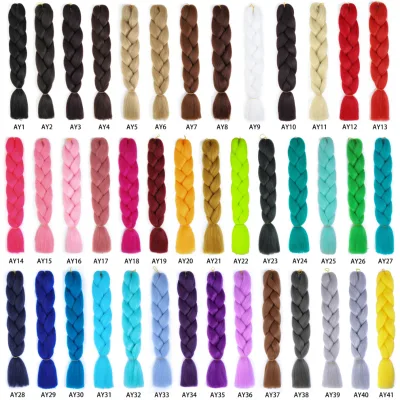
Wholesale Price Heat Resistant Synthetic Braiding Hair Jumbo X Pression African Braid
$0.90 - $1.05
MOQ: 3000 Pieces


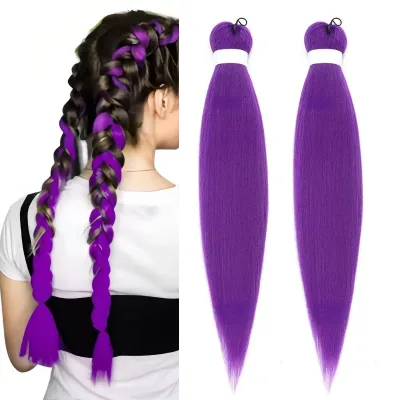
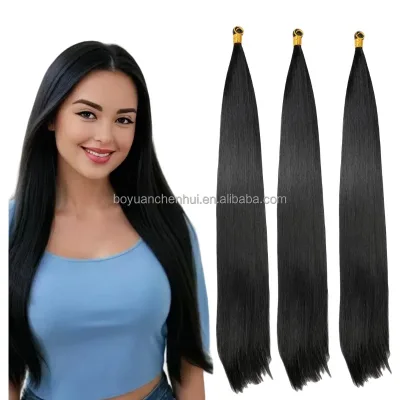
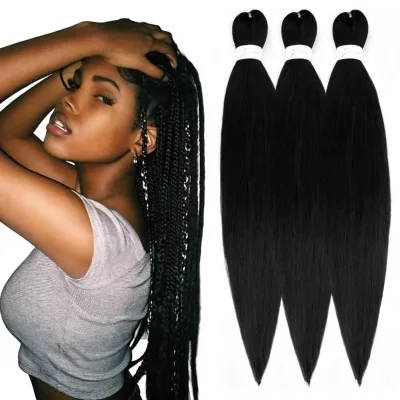
Prestretched Yaki Braiding Hair - Synthetic Fiber for Effortless Braiding
$0.55 - $0.95
MOQ: 10 Pieces


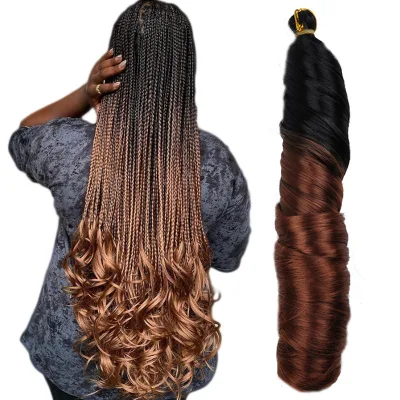
Comprehensive Sourcing Guide
High Temperature Synthetic Braiding Hair Sourcing Guide
Procuring high-temperature synthetic braiding hair requires a nuanced understanding of material science and supply chain dynamics, particularly when balancing aesthetic versatility with functional durability. Buyers must recognize that "high temperature" refers to the fiber's ability to withstand heat styling tools without melting or frizzing, a critical feature for maintaining the integrity of complex braids and twists. This category encompasses various styles, including jumbo braids, twists, and curly textures, often marketed under specific model numbers like WD-BH-22 or KN-1. The market is dominated by synthetic fibers, specifically Korean heat-resistant variants, which offer a cost-effective alternative to natural hair while providing consistent volume and color retention.
The sourcing landscape is characterized by significant variability in product specifications, even within the same keyword search. Listings frequently display conflicting attributes, such as dyeable versus non-dyeable properties, or varying hair grades like non-Remy synthetic options. This inconsistency necessitates rigorous verification of individual product listings rather than relying on general category descriptions. Buyers should focus on identifying suppliers who clearly define their fiber composition, packing standards, and minimum order quantities, as these factors directly impact the feasibility of large-scale procurement for events like Halloween, cosplay, or theme parties.
Product Scope and Observed Listing Signals
The observed product range reveals a diverse array of synthetic braiding hair options, primarily constructed from synthetic materials rather than human hair. Key attributes include multi-color offerings, specific shades like purple or black, and various lengths ranging from 12 to 24 inches. The products are often designed for specific styling needs, such as curly textures or straight yaki finishes, with some listings explicitly noting suitability for female consumers. The presence of "many colors in stock" suggests a high degree of customization potential, allowing buyers to select from a broad palette without waiting for custom dyeing processes, which is advantageous for rapid inventory turnover.
Packaging and weight specifications provide critical insights into the product's value proposition and logistical requirements. Standard packaging often involves soft PVC bags or cartons, with individual packs weighing between 80 and 110 grams. Some listings specify a weight of 85-100 grams per pack, while others note 15 strands per pack, indicating variations in density and volume. These physical attributes are essential for calculating the number of packs needed for a full head, which typically requires four to five packs. Buyers must carefully review these details to ensure the product meets their specific volume and aesthetic requirements, avoiding discrepancies between expected and received goods.
Technical Specifications to Verify
Verifying the fiber composition is paramount when sourcing high-temperature synthetic hair, as not all synthetic fibers are created equal. Buyers should confirm whether the hair is made from Korean heat-resistant fiber or other synthetic blends, as this directly impacts the hair's ability to withstand heat styling. Additionally, the dyeability of the hair is a crucial technical specification; some listings indicate the hair is dyeable, while others state it is not. This distinction affects the customization options available to the end-user and the supplier's ability to offer bespoke color solutions. Clear confirmation of these properties prevents misunderstandings and ensures the product aligns with the buyer's styling capabilities.
Length and model number verification are essential for maintaining consistency across large orders. Listings often specify lengths such as 12, 14, 18, or 24 inches, along with specific model codes like WD-BH-14 or YAKI 18". These identifiers help buyers track inventory and ensure that subsequent orders match the initial samples. Furthermore, the hair extension type, whether it is for braiding, twisting, or other styles, should be clearly defined. Buyers must also consider the quantity required for a full head, which can vary based on the desired volume and braid thickness, to avoid overstocking or understocking issues.
Compliance and Safety Documentation
While specific certification details are not always explicitly listed in product descriptions, buyers must prioritize safety and compliance when sourcing synthetic hair products. The use of synthetic fibers, particularly those marketed as heat-resistant, raises questions about chemical treatments and flame retardancy. Buyers should request documentation confirming that the fibers meet relevant safety standards for cosmetic products, ensuring they are free from harmful substances like formaldehyde or heavy metals. This is particularly important for products intended for direct contact with the scalp and hair, as safety compliance protects both the brand and the end-consumer from potential health risks.
Transparency in manufacturing origins and processes is another critical aspect of compliance. Many listings indicate that the products originate from Guangzhou, China, a major hub for hair product manufacturing. Buyers should verify the supplier's adherence to local and international manufacturing regulations, including labor standards and environmental protections. Requesting information about the production facility's quality management systems can provide additional assurance of product consistency and safety. By prioritizing suppliers with robust compliance frameworks, buyers can mitigate risks associated with regulatory violations and ensure a sustainable supply chain.
Cost Drivers and Commercial Terms
The pricing structure for synthetic braiding hair is influenced by several factors, including color, length, and order volume. Listings often indicate that different colors come with different prices, reflecting the cost of dyes and production complexity. The observed price range varies significantly, suggesting that buyers can find options at various price points depending on their budget and quality expectations. Additionally, the advantage of direct factory pricing is frequently highlighted, which can offer cost savings for bulk purchases. However, buyers must consider the total cost of ownership, including shipping and handling, which can vary based on the chosen logistics provider.
Payment terms and minimum order quantities (MOQ) are key commercial considerations that impact procurement flexibility. Suppliers typically accept payments via PayPal, T/T, Western Union, or Money Gram, offering various options for international transactions. MOQs can range from as low as one piece to several thousand, depending on the supplier and product type. Some listings specify an MOQ of 50 pieces or 30 pieces per style and color, which can influence inventory planning. Buyers should negotiate terms that align with their cash flow and storage capabilities, ensuring that the commercial agreement supports their business model without excessive financial strain.
Supplier Qualification and Quality Control
Evaluating supplier reliability is crucial for maintaining consistent product quality and service levels. Buyers should assess the supplier's production capacity, lead times, and ability to meet customization requests, such as specific styles or packaging requirements. The availability of customization options, including customerized styles and specific packing methods, indicates a supplier's flexibility and responsiveness to market demands. Additionally, suppliers who offer a wide range of colors and lengths demonstrate a robust inventory management system, which is essential for fulfilling diverse customer orders efficiently.
Quality control measures should be a primary focus during supplier selection. Buyers should inquire about the supplier's internal quality assurance processes, including inspections for fiber consistency, color accuracy, and packaging integrity. Requesting samples before placing large orders allows buyers to verify the product's quality firsthand, ensuring it meets their standards for softness, cleanliness, and durability. Furthermore, establishing clear communication channels with the supplier can facilitate timely resolution of any issues that arise during production or delivery, fostering a collaborative and trustworthy business relationship.
Long-Term Procurement Checks
Establishing long-term procurement strategies requires ongoing monitoring of supplier performance and market trends. Buyers should regularly review supplier metrics, such as on-time delivery rates, product defect rates, and responsiveness to inquiries, to ensure continued reliability. Tracking changes in product specifications, such as fiber composition or packaging standards, helps buyers stay informed about potential shifts in product quality or availability. By maintaining a proactive approach to supplier management, buyers can mitigate risks and ensure a stable supply of high-quality synthetic braiding hair.
Adapting to market demands is essential for sustaining competitive advantage in the hair product industry. Buyers should stay informed about emerging trends in braiding styles, colors, and textures, adjusting their procurement strategies accordingly. Engaging with customers to gather feedback on product performance and satisfaction can provide valuable insights for future purchasing decisions. Additionally, exploring opportunities for product diversification, such as introducing new heat-resistant fibers or eco-friendly packaging options, can enhance the brand's appeal and differentiate it from competitors. By continuously evaluating and refining their procurement processes, buyers can achieve long-term success in the dynamic hair product market.
FAQs
Can I dye High Temperature Synthetic Braiding Hair?
No, this synthetic hair is not dyeable. The fibers are pre-colored and treated to maintain their vibrant hues and heat resistance. Attempting to dye the hair may damage the synthetic material, causing frizz or melting. Buyers should select from the available multi-color options or specific shades like purple and black to achieve their desired look without risking product integrity.
What is the minimum order quantity for these braids?
The minimum order quantity varies by supplier and style. Some vendors accept a minimum of one piece, while others require fifty pieces or thirty pieces per style and color. Buyers should check specific product listings for exact MOQ requirements, as some factories may have different thresholds depending on the customization needs and the specific model of braiding hair selected.
How many packs are needed for a full head?
It typically requires four to five packs to create a full head of braids. This estimate ensures adequate volume for a complete and dense installation. The exact number may vary based on the desired thickness and length of the braids. Buyers should plan their purchase accordingly to ensure they have enough material for a satisfactory result without running short during the styling process.
What packaging is used for shipping synthetic braiding hair?
The hair is usually packaged in soft PVC bags or standard cartons. Some suppliers offer custom packaging according to buyer requirements. The standard weight per pack is approximately 110 grams, with some variations ranging from 80 to 88 grams or 85 to 100 grams. This packaging protects the hair during transit and keeps it clean and ready for immediate use upon arrival.
Where is this synthetic braiding hair manufactured?
This synthetic braiding hair is manufactured in China, with specific origins noted in Guangzhou. The products are sourced directly from factories, which helps keep prices competitive. Buyers can expect shipping via major carriers like DHL, UPS, FedEx, EMS, or TNT. The direct factory pricing model ensures that customers receive high-quality synthetic hair at cost-effective rates without unnecessary middleman markups.
What payment methods are accepted for these orders?
Common payment methods include PayPal, T/T, Western Union, and Money Gram. These options provide flexibility for international B2B transactions. Buyers should confirm the preferred payment method with their specific supplier before placing an order. The availability of multiple payment channels ensures that transactions can be processed securely and conveniently, accommodating different financial preferences and regional banking restrictions.