Source High Torque Helical Gearbox for Cars, Motors, and Machinery
Find 30 High Torque Helical Gearbox options with customizable features for cars, agricultural machinery, and motors. Compare specifications including gear ratios, torque capacity, and installation types from verified suppliers in Zhejiang and Pingyao; compare the available evidence and request quotations based on your requirements.
Updated
Key considerations
Products List


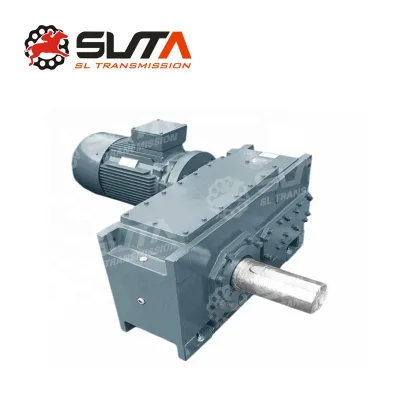


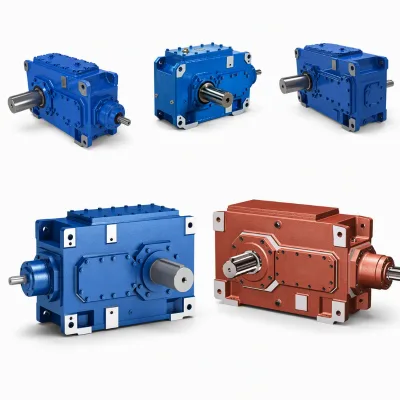

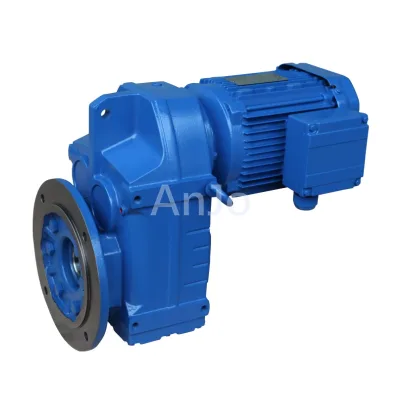
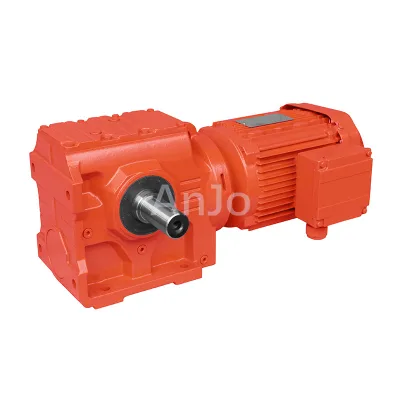


High Torque Inline Helical Gearbox for Durable Geared Motor Solutions
$200.00 - $4000.00
MOQ: 10 Pieces

High Quality R Series Inline Helical Gearbox with High Torque Geared Motor
$200.00 - $4000.00
MOQ: 10 Pieces

High Torque Compact Helical Gearbox for Motors in Heavy Duty Operations
$200.00 - $4000.00
MOQ: 10 Pieces

Durable Heavy Duty Helical Gearbox with Precision Geared Motor Technology
$200.00 - $4000.00
MOQ: 10 Pieces
Comprehensive Sourcing Guide
High Torque Helical Gearbox Sourcing Guide
Procuring high torque helical gearboxes requires a disciplined approach to matching mechanical specifications with operational demands. Buyers must first identify the specific torque and speed requirements of their machinery, ensuring the selected unit can handle the load without premature failure. The observed market offers a wide range of models, from the BKM Series to the F and H Series, each catering to different installation and performance needs. Understanding these distinctions is critical for selecting a gearbox that integrates seamlessly into existing systems, whether for agricultural machinery, marine applications, or general industrial motors.
Beyond basic torque ratings, buyers should evaluate the customization options available from suppliers. Many manufacturers support custom configurations, allowing for tailored gear ratios, colors, and mounting styles to fit unique spatial or aesthetic constraints. This flexibility is particularly valuable in specialized industries where standard off-the-shelf units may not meet precise engineering tolerances. By prioritizing suppliers who offer robust customization services, buyers can ensure that the final product aligns perfectly with their technical specifications, reducing the need for costly modifications or additional adapters during installation.
Product Scope and Observed Listing Signals
The current market landscape for helical gearboxes includes a diverse array of product types, such as worm gear boxes, cylindrical gear reducers, and bevel gear units. Listings indicate that these components are designed for various functions, including speed increase, reduction, changing drive direction, and torque adjustment. The observed product count of thirty items suggests a competitive market with multiple sourcing options. Buyers should note that applications span from electric cars and motorcycles to heavy-duty agricultural machinery and marine vessels, highlighting the versatility of these mechanical components across different sectors.
Installation methods and physical characteristics vary significantly among suppliers, with options ranging from horizontal to vertical types and even 90-degree coaxial layouts. Some units are specified with hardened tooth surfaces and specific gear shapes like cylindrical or bevel gears, which directly impact durability and efficiency. Packaging is typically handled in wooden cases or standard export wood packing, ensuring safe transit. Buyers must carefully review these physical attributes to ensure compatibility with their facility’s space constraints and handling capabilities, as mismatched installation types can lead to significant integration challenges.
Technical Specifications to Verify
When evaluating technical data, buyers must verify critical parameters such as gear ratio, maximum torque, and operating temperature ranges. Observed specifications include gear ratios like 12.5, 18, 25, and 35.5, with some units capable of handling up to 95,000 N·M of torque. Operating temperatures can range from -40℃ to 40℃ or -20℃ to 45℃, depending on the model. It is essential to confirm that the selected gearbox can withstand the environmental conditions of the intended application, as extreme temperatures can affect lubrication performance and material integrity over time.
Center distance, weight, and motor pairing capabilities are also vital technical considerations. Some heavy-duty units weigh up to 5600 Kg with a center distance of 1300 mm, requiring robust structural support. Buyers should verify if the supplier supports motor pairing or provides matched motors, as this can simplify integration and ensure optimal performance. Additionally, checking the motor speed limits, such as those below 1500 rpm, helps in selecting a unit that operates within safe and efficient parameters. Misalignment in these specifications can lead to mechanical stress, reduced lifespan, and increased maintenance costs.
Compliance and Safety Documentation
While specific certification statuses are not universally confirmed for all listings, buyers should inquire about adherence to recognized quality and safety standards. Background context mentions ISO 9001:2015, ISO 45001:2018, and ISO 14001:2015, which are relevant for quality management, occupational health, and environmental management. Buyers should request documentation proving compliance with these or equivalent standards to ensure that the supplier maintains rigorous manufacturing controls. This due diligence helps mitigate risks associated with product defects and ensures that the gearbox meets international safety benchmarks.
Safety documentation should also include detailed operating manuals and maintenance guidelines. Buyers must verify that the supplier provides clear instructions for installation, lubrication, and troubleshooting. Given the high torque capabilities of these units, proper handling procedures are crucial to prevent accidents during installation and operation. Additionally, checking for any region-specific regulatory requirements, such as DIN 743, is important for buyers operating in markets with strict industrial regulations. Ensuring comprehensive documentation is available before purchase supports long-term operational safety and regulatory compliance.
Cost Drivers and Commercial Terms
Pricing for helical gearboxes varies widely, with observed ranges from $1 to $7,000, influenced by factors such as torque capacity, customization level, and material quality. Buyers should analyze the cost structure to understand what drives the price, such as the use of hardened tooth surfaces or custom packaging. Minimum order quantities (MOQ) are typically low, ranging from 1 to 10 units, making these products accessible for both small-scale projects and larger industrial deployments. Understanding these commercial terms helps buyers budget effectively and negotiate favorable terms based on volume or long-term partnership potential.
Warranty and after-sales support are significant components of the total cost of ownership. Many suppliers offer one-year warranties and three years of maintenance support, which can reduce long-term operational risks. Buyers should clarify the scope of these services, including whether they cover parts, labor, or on-site support. Additionally, lead times and shipping terms should be negotiated to ensure timely delivery, especially for custom orders. Clear commercial terms protect buyers from unexpected costs and ensure that the supplier is committed to supporting the product throughout its lifecycle.
Supplier Qualification and Quality Control
Supplier qualification involves verifying the manufacturer’s production capabilities and quality control processes. Buyers should assess whether the supplier has a dedicated facility in regions like Zhejiang or Pingyao, which are known for industrial manufacturing. Customization support indicates a flexible production line capable of meeting specific client requirements. Buyers should request evidence of quality control measures, such as pre-shipment inspections or material certifications, to ensure that the gearbox meets specified standards. This verification step is crucial for maintaining consistency and reliability in the supply chain.
Quality control should also extend to the packaging and shipping process. Observed packaging methods, such as wooden cases or standard export packing, are designed to protect the gearbox during transit. Buyers should verify that the supplier uses appropriate packaging to prevent damage, especially for heavy units weighing up to 5600 Kg. Additionally, checking the supplier’s track record for on-time delivery and customer satisfaction can provide insights into their operational reliability. A qualified supplier will demonstrate a commitment to quality at every stage, from manufacturing to final delivery, ensuring that the product arrives in optimal condition.
Long-Term Procurement Checks
Long-term procurement success depends on establishing a reliable supply chain and maintaining strong supplier relationships. Buyers should conduct periodic reviews of supplier performance, focusing on delivery times, product quality, and after-sales support. Regular communication with the supplier can help address any issues promptly and ensure that future orders meet evolving requirements. Building a partnership with a supplier who offers customization and robust support can provide a competitive advantage by enabling faster response to market changes and technical challenges.
Continuous monitoring of market trends and technological advancements is also essential. As machinery applications evolve, the demand for higher efficiency and lower maintenance gearboxes may increase. Buyers should stay informed about new product developments, such as improved gear ratios or enhanced operating temperature ranges, to ensure their procurement strategy remains relevant. By proactively engaging with suppliers and staying updated on industry innovations, buyers can optimize their gearbox sourcing strategy, ensuring long-term operational efficiency and cost-effectiveness.
FAQs
What functions do high torque helical gearboxes provide?
These gearboxes provide speed increase, speed reduction, speed changing, change drive direction, and change drive torque. They are designed for applications including cars, agricultural machinery, toys, marine vessels, general machinery, motorcycles, electric cars, and motors.
Which installation types are available for these gearboxes?
Available installation types include horizontal and vertical configurations. Some specific models support a 90-degree layout, allowing flexible integration into various machinery setups depending on the specific product series and application requirements.
Can the material and color be customized for orders?
Yes, material can be customized upon request, and colors such as grey, blue, or red are available. Customization is supported for various attributes, ensuring the product meets specific buyer preferences and operational needs.
What is the maximum torque capacity for these units?
The maximum torque capacity reaches 95,000 N·M for specific high-capacity models. This high torque capability supports heavy-duty applications in agricultural machinery and general industrial machinery requiring significant power transmission.
How long is the warranty period for these gearboxes?
The standard warranty period is one year, with three years of maintenance support available. This after-sales service ensures long-term reliability and operational continuity for buyers investing in industrial drive solutions.
What packaging is used for shipping these gearboxes?
Products are packed in wooden cases or wooden packages to ensure safe transport. Standard export wood packing is also utilized for specific models, protecting the units during international shipping from origins like Zhejiang or Pingyao.
Which gear shapes are used in these reducer units?
Gear shapes include cylindrical gears and bevel gears depending on the specific series. These shapes are selected to optimize performance for different functions like speed reduction and torque change in various mechanical applications.
What is the operating temperature range for these gearboxes?
Operating temperature ranges vary by model, typically spanning from -40°C to 40°C or -20°C to 45°C. These ranges ensure reliable performance under diverse environmental conditions for industrial and outdoor machinery applications.