Source Food Grade Madder Extract for Capsules, Tablets, and Beverages
Find 30 verified suppliers of Food Grade Madder Extract for health care products, edible applications, and industrial uses. Compare specifications, certifications, and pricing to identify the right natural plant extract for your manufacturing needs; compare the available evidence and request quotations based on your requirements.
Key considerations
Products List




Comprehensive Sourcing Guide
India Madder Root Extract Sourcing Guide
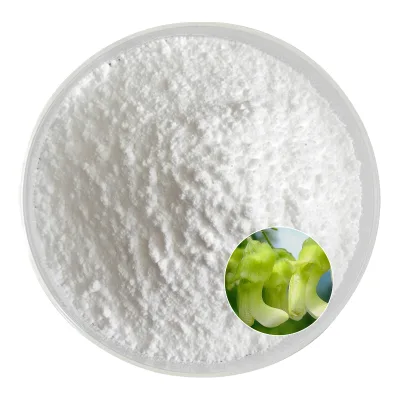
Procuring India Madder Root extract requires a disciplined approach to verifying botanical identity and chemical consistency, as the market offers a wide spectrum of quality tiers. Buyers must first confirm the Latin name Rubia cordifolia Linn. to ensure the correct species is being supplied, as misidentification can lead to ineffective formulations or regulatory non-compliance. The observed product attributes indicate a fine yellow-brown powder, which serves as the primary visual indicator of quality, though visual inspection alone is insufficient for validation. Sourcing teams should prioritize suppliers who provide clear evidence of the extraction ratio, such as 5:1, 10:1, or 20:1, as these ratios directly impact the potency and cost-efficiency of the final product.
The application scope for this extract is broad, spanning edible food products, health care supplements, and industrial uses, which necessitates strict adherence to grade specifications. Food grade classification is a critical baseline, ensuring the material meets safety standards for human consumption, while industrial applications may tolerate different purity thresholds. Buyers should evaluate the assay method, typically HPLC or UV, to guarantee accurate quantification of active substances, which are reported to exceed 90% in some listings. Understanding these technical distinctions allows procurement professionals to align supplier capabilities with their specific formulation requirements, avoiding costly mismatches between raw material performance and end-product expectations.
Product Scope and Observed Listing Signals
The current market landscape for madder root extract reveals a diverse range of packaging and stock availability, which significantly influences procurement logistics. Listings frequently indicate that products are in stock, offering a distinct advantage for buyers requiring rapid fulfillment and reduced lead times. Packaging options vary from aluminum foil bags and drums to paper bags, with standard weights including 25kg, 50kg, and 1000kg configurations. This variability allows buyers to select packaging that best suits their storage infrastructure and handling capabilities, while the availability of free samples provides a crucial opportunity to verify physical attributes before committing to larger orders.
Price and minimum order quantity (MOQ) signals suggest a flexible commercial environment, with observed MOQs starting as low as 1kg and extending up to 20,000kg. This wide range accommodates both small-scale R&D trials and large-scale industrial production runs, enabling buyers to scale their procurement strategies effectively. The observed price range is substantial, reflecting differences in extraction ratios, purity levels, and certification statuses. Buyers should interpret these signals as indicators of market diversity rather than fixed benchmarks, focusing instead on the value proposition offered by each supplier in terms of quality assurance and service reliability.
Technical Specifications to Verify
Verification of technical specifications is paramount to ensuring the extract meets the rigorous demands of food and pharmaceutical applications. Buyers must confirm the assay method used by the supplier, with HPLC and UV being the most common techniques for quantifying active ingredients. The presence of specific markers, such as gingerols in related extracts, highlights the importance of precise analytical methods, although madder root itself requires verification of its unique phytochemical profile. Ensuring that the active substance content is accurately reported, often exceeding 90%, is essential for maintaining consistency in final product efficacy and quality control protocols.
Particle size and mesh pass rates are critical physical attributes that affect solubility and dispersion in various formulations. Specifications such as 90% passing through an 80-mesh screen indicate a fine powder consistency, which is desirable for uniform mixing in capsules, tablets, and liquid foods. Buyers should also verify the extraction ratio, which defines the concentration of the active compounds relative to the raw plant material. Ratios like 5:1, 10:1, and 20:1 are commonly cited, and selecting the appropriate ratio depends on the desired potency and cost structure of the final product. Clear documentation of these parameters ensures that the supplier’s output aligns with the buyer’s technical requirements.
Compliance and Safety Documentation
Navigating the complex landscape of certifications is essential for global trade and regulatory compliance. Suppliers often provide a suite of certifications, including HACCP, ISO, FDA, and Kosher/Halal approvals, which demonstrate adherence to international quality and safety standards. The presence of USDA Organic or EU Organic certifications is particularly valuable for buyers targeting the health-conscious consumer market, as it validates the natural origin and sustainable farming practices associated with the raw material. Buyers must verify the validity and scope of these certificates, ensuring they cover the specific product batch and manufacturing facility.
Food grade status is a non-negotiable requirement for extracts intended for human consumption, and documentation must explicitly confirm this classification. Additional standards, such as 99% purity or specific CAS numbers, provide further assurance of chemical identity and quality. Buyers should request Certificates of Analysis (CoA) that align with the claimed certifications, cross-referencing test results with regulatory limits for contaminants like heavy metals and pesticides. This rigorous documentation review mitigates legal risks and ensures that the product can be legally marketed and distributed in target jurisdictions, protecting brand integrity and consumer safety.
Cost Drivers and Commercial Terms
Understanding the factors that influence pricing is crucial for effective budget management and negotiation. The extraction ratio is a primary cost driver, with higher ratios like 20:1 commanding premium prices due to the increased amount of raw material required. Purity levels and assay results also significantly impact cost, as achieving higher concentrations of active substances requires more sophisticated processing techniques. Buyers should analyze the total cost of ownership, including shipping, handling, and potential tariffs, rather than focusing solely on the unit price, to make informed procurement decisions.
Commercial terms, including MOQ and payment conditions, play a vital role in cash flow management and inventory planning. The observed MOQ range of 1kg to 20,000kg offers flexibility, allowing buyers to start with small orders for testing before scaling up. However, larger orders may offer better unit pricing, so buyers should balance inventory holding costs against potential savings. Lead times and stock availability are also key considerations, as in-stock items can reduce delays and ensure supply chain continuity. Clear communication regarding these terms helps establish realistic expectations and fosters a collaborative relationship with suppliers.
Supplier Qualification and Quality Control
Supplier qualification involves a thorough assessment of manufacturing capabilities and quality management systems. Buyers should verify that suppliers have robust QC processes in place, including in-house testing standards and regular third-party audits. The availability of free samples is a positive indicator, allowing buyers to conduct independent testing and verify product attributes before finalizing contracts. Suppliers who are transparent about their production processes and willing to accommodate customization requests demonstrate a commitment to customer satisfaction and product excellence.
Quality control extends beyond initial sampling to include ongoing batch-to-batch consistency checks. Buyers should establish clear acceptance criteria for key parameters such as appearance, assay results, and microbial limits. Regular communication with suppliers regarding quality performance helps identify and address potential issues early. Additionally, verifying the supplier’s ability to provide traceability from raw material sourcing to final packaging ensures accountability and facilitates rapid response to any quality concerns. This proactive approach to supplier management minimizes risks and ensures a steady supply of high-quality madder root extract.
Long-Term Procurement Checks
Establishing long-term procurement strategies requires continuous monitoring of market trends and supplier performance. Buyers should regularly review supplier certifications to ensure they remain valid and up-to-date, as regulatory requirements can change over time. Tracking price fluctuations and availability trends helps in forecasting costs and planning inventory levels effectively. Building a diversified supplier base can mitigate risks associated with supply chain disruptions, ensuring business continuity even if one supplier faces challenges.
Feedback loops between procurement, quality assurance, and production teams are essential for optimizing the use of madder root extract. Regularly assessing the performance of the material in final products provides valuable insights for future sourcing decisions. Buyers should also stay informed about emerging technologies and standards in the botanical extract industry, which may offer new opportunities for cost savings or quality improvements. By maintaining a proactive and informed approach, procurement professionals can secure a reliable supply of high-quality madder root extract that supports their business objectives and meets consumer expectations.
FAQs
What certifications does the Food Grade Madder Extract have?
The product holds multiple certifications including FDA, ISO, HACCP, USDA Organic, EU Organic, Kosher, and Halal. These documents verify compliance with international safety and quality standards for edible and industrial applications.
How is the madder root extract packaged for shipment?
Packaging options include aluminum foil bags, drums, paper bags, and cartons with weights ranging from 25kg to 1000kg. The specific packing method depends on the order quantity and customer requirements for storage and transport.
What is the minimum order quantity for this extract?
The minimum order quantity is 1 kilogram, though some listings indicate a range up to 20000 units. Buyers can request free samples to evaluate quality before committing to larger bulk orders for their production needs.
Which applications are suitable for this plant extract?
This extract is suitable for food, medicine, health care products, and industrial applications. It is available in forms like capsules and tablets, serving as a natural ingredient for various commercial manufacturing processes and formulations.
Can I get a free sample of the madder root extract?
Yes, free samples are available for potential buyers to test the product quality before placing a bulk order. This allows clients to verify the appearance, assay results, and overall suitability for their specific production requirements.
What is the shelf life of the Food Grade Madder Extract?
The product has a shelf life of over 12 months, with some specifications indicating up to 2 years. Proper storage in normal conditions ensures the stability and efficacy of the active substances during this period.
What is the origin of the madder root extract?
The product originates from China, where it is sourced from the natural plant Rubia cordifolia Linn. This origin ensures the availability of high-quality raw materials processed into fine yellow-brown powder for global distribution.