Source High Voltage Aerial Marker Ball for Power Lines
Find and compare 30 high voltage aerial marker ball options for power line visibility, aviation safety, and infrastructure marking. Review specifications like FRP material, IP68 ratings, and customizable colors to select the right aerial marker for your project needs; compare the available evidence and request quotations based on your requirements.
Key considerations
Products List






Comprehensive Sourcing Guide
High Voltage Aerial Marker Ball Sourcing Guide
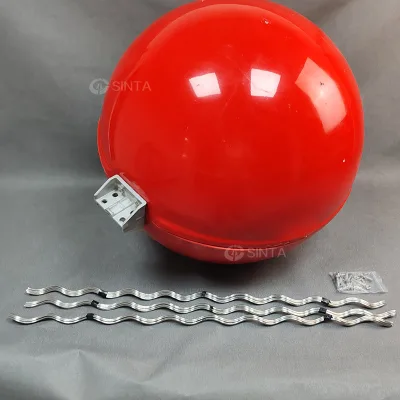
Procurement of high voltage aerial marker balls requires careful selection of materials that ensure visibility and structural integrity under extreme environmental stress. The observed market data indicates that manufacturers primarily utilize Fiberglass Reinforced Plastic (FRP) or composite blends of FRP and aluminum alloy to achieve the necessary durability. Buyers must verify that the selected material offers high flame retardancy, as this is a critical safety attribute for installations near active power lines. The choice between solid FRP and alloy-reinforced variants often depends on the specific mechanical loads and wind resistance requirements of the installation site.
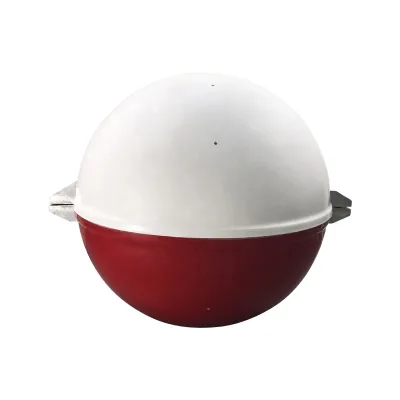
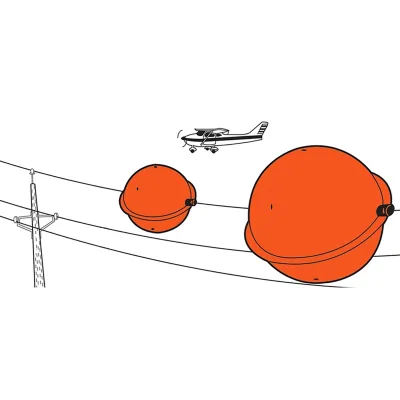
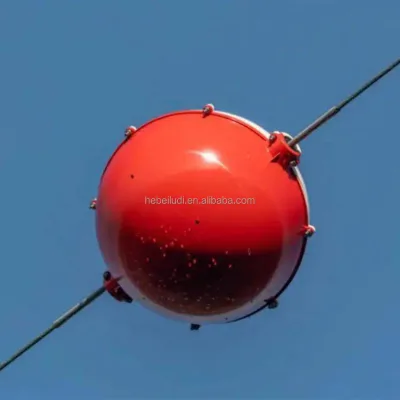
Beyond material composition, the visual design and color configuration are paramount for aviation safety compliance. Listings frequently feature high-contrast color schemes such as orange and white or red and white, which are customizable to meet specific regulatory visibility standards. Some products are explicitly designed as aircraft warning spheres with self-shining properties or obstruction span markers to ensure detection during low-light conditions. Sourcing teams should confirm that the chosen color pattern aligns with local aviation authority requirements and that the customization options allow for precise branding or identification needs.
Product Scope and Observed Listing Signals
The product scope for high voltage aerial marker balls encompasses a variety of sizes, ranging from 340mm to 600mm, with some suppliers offering larger dimensions like 9, 12, 20, or 24 inches. Buyers should note that the Minimum Order Quantity (MOQ) can vary significantly, with some suppliers requiring orders of 500 pieces while others may accept smaller quantities starting from a single unit. This variance necessitates a clear assessment of inventory needs before engaging with potential vendors to avoid unnecessary capital tie-up or supply chain bottlenecks.
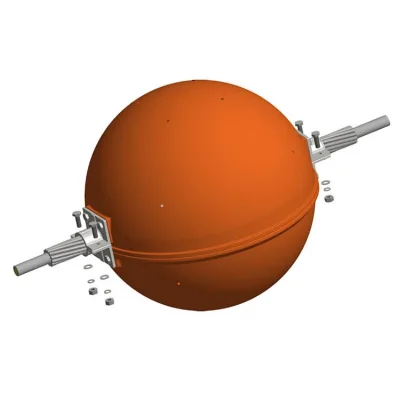
Listing signals also reveal diverse packaging standards, including wooden cases, plywood cases, and export cartons, which directly impact shipping costs and product protection. The observed product models, such as HQ-300, HQ-600, and YRTM, suggest a range of specific engineering designs tailored to different wire diameters, typically supporting cables between 16mm and 19mm. Procurement teams must cross-reference these model numbers with their specific infrastructure requirements to ensure the fitting sets, which often include clamps, bolts, and armor rods, are compatible with existing high-voltage line configurations.
Technical Specifications to Verify
Technical verification must begin with the physical dimensions and wall thickness of the sphere, as these factors determine the ball's buoyancy and resistance to wind loads. Observed specifications indicate a ball thickness of 2.5mm for certain models, but buyers should request detailed engineering drawings to confirm that the wall thickness is sufficient for the intended altitude and wind speed conditions. The size of the sphere, whether 600mm or other custom dimensions, must be matched precisely to the span of the power line to ensure effective visual warning coverage for aircraft.
In addition to physical dimensions, the electrical and mechanical compatibility of the fitting sets is a critical verification point. The product listings mention specific components like armor rods and clamps, which must be made from aluminum alloy to prevent corrosion and ensure a secure connection to the high-voltage conductor. Buyers should verify that the applicable wire diameter range of the selected model matches their infrastructure exactly, as mismatches can lead to installation failures or dangerous slippage during high-wind events.
Compliance and Safety Documentation
Compliance with international safety standards is non-negotiable for high voltage aerial marker balls, as these products are integral to aviation security systems. The observed market data confirms that reputable suppliers provide certifications such as ISO, CE, RoHS, and SGS, which validate the product's adherence to quality and environmental management systems. Procurement teams must request current certification documents to ensure that the specific batch of products being purchased meets the latest regulatory requirements for electrical safety and material composition.
Safety documentation also extends to the flame retardant properties and the IP rating of the product, which are essential for long-term reliability in harsh outdoor environments. Listings indicate high flame retardancy and IP68 ratings, suggesting that the markers are designed to withstand submersion and resist ignition sources. Buyers should verify that the supplier can provide test reports confirming these specific attributes, ensuring that the markers will not degrade or become hazardous when exposed to the extreme conditions often found near high-voltage transmission lines.
Cost Drivers and Commercial Terms
The cost of high voltage aerial marker balls is driven by several factors, including the complexity of the material composition, the degree of customization required, and the specific packaging needs. Products featuring custom colors or specialized fittings like aluminum alloy armor rods often command higher prices than standard off-the-shelf units. Additionally, the choice between wooden cases and plywood cases for shipping can influence the final landed cost, as heavier or more robust packaging increases freight expenses.
Commercial terms such as the Minimum Order Quantity (MOQ) and lead times are significant variables that affect the total cost of ownership. While some suppliers list an MOQ of 500 pieces, others may offer more flexible terms for smaller orders, though potentially at a higher unit price. Buyers should negotiate clearly on payment terms and delivery schedules, as the origin of the product, often listed as China or Hebei, can impact shipping durations and import duties. Understanding these cost drivers allows for more accurate budgeting and prevents unexpected financial overruns during the procurement process.
Supplier Qualification and Quality Control
Supplier qualification requires a rigorous assessment of their manufacturing capabilities and their track record in the aviation and power transmission sectors. Buyers should prioritize suppliers who demonstrate a consistent history of providing products with high-quality certifications like ISO and CE, as these indicate a commitment to standardized production processes. It is essential to verify that the supplier has the capacity to handle custom orders, as many listings highlight customization availability for colors and dimensions, which requires flexible and precise manufacturing lines.
Quality control measures must be explicitly defined in the procurement agreement to ensure that every delivered unit meets the specified technical and safety standards. Buyers should request evidence of in-house testing for flame retardancy and structural integrity, as well as a clear warranty policy, such as the observed two-year warranty mentioned in some listings. Establishing a protocol for pre-shipment inspections and requiring detailed quality assurance reports will help mitigate the risk of receiving defective products that could compromise the safety of the high-voltage infrastructure.
Long-Term Procurement Checks
Long-term procurement success depends on establishing a reliable supply chain that can consistently meet the evolving needs of high-voltage infrastructure projects. Buyers should maintain regular communication with suppliers to monitor changes in material availability, such as the supply of FRP or aluminum alloy, which can impact production timelines and costs. Building a relationship with a supplier who offers robust customization services ensures that future projects with unique requirements can be fulfilled without significant delays or quality compromises.
Continuous monitoring of product performance and regulatory changes is also vital for maintaining the safety and compliance of the installed marker balls. Procurement teams should schedule periodic reviews of the installed units to check for signs of wear, discoloration, or structural degradation that might indicate a need for replacement. Staying informed about updates to aviation safety standards and electrical codes ensures that the procurement strategy remains aligned with current best practices, protecting the investment and ensuring the continued safety of the power grid.
FAQs
What materials are used for high voltage aerial marker balls?
High voltage aerial marker balls are typically constructed from FRP, fiberglass, or aluminum alloy. These materials provide the necessary durability and lightweight properties for overhead power lines. Some models combine FRP with aluminum alloy for enhanced structural integrity. The choice of material ensures resistance to environmental factors while maintaining visibility for aviation safety.
What certifications do these marker balls usually have?
These marker balls commonly hold ISO, RoHS, CE, and SGS certifications. Some products also feature CCC certification for specific regional compliance. These standards ensure the products meet international quality and safety requirements. Buyers should verify specific certification documents with suppliers to confirm compliance with local aviation and electrical regulations for their project.
Can the color of the marker balls be customized?
Yes, customization is available for the color of aerial marker balls. Standard options include orange, white, red, or combinations like orange and white. Buyers can request specific color schemes to meet aviation warning requirements. Customization allows for tailored visibility solutions, ensuring the markers stand out against various backgrounds while adhering to safety standards.
What sizes are available for these aviation warning spheres?
Available sizes include 340mm, 600mm, and larger dimensions like 9, 12, 20, or 24 inches. The 600mm size is a common standard for many applications. Custom dimensions are also supported to fit specific wire diameters ranging from 16mm to 19mm. Selecting the correct size ensures proper visibility and secure attachment to the power line infrastructure.
What is the typical MOQ for purchasing these balls?
The minimum order quantity varies by supplier, with observed ranges from 1 to 500 pieces. Some suppliers set a specific MOQ of 500 pieces for certain models. Buyers should check individual product listings for exact MOQ requirements. Lower MOQs may be available for standard items, while custom orders might require higher volumes to initiate production.
How are these marker balls packaged for shipping?
Packaging typically includes wooden cases, plywood cases, or export cartons with wooden boxes. This robust packaging protects the spheres during transit. The choice of packaging depends on the supplier and order size. Secure packaging ensures the marker balls arrive without damage, maintaining their structural integrity and surface finish for immediate installation on power lines.