Source Horizontal Biomass Hot Air Furnace for Grain Food Wood
Find 30 verified Horizontal Biomass Hot Air Furnace units with customizable thermal power and direct or indirect heating options. Buyers can compare specifications for grain, food, and wood drying applications from Henan-based manufacturers offering ISO-certified equipment.
Key considerations
Products List


High Efficiency Industrial Coal Biomass Fired Hot Air Furnace for Factory Drying
$4886.00 - $56855.00
MOQ: 1 Pieces


Industrial Direct Biomass Fired Hot Air Furnace and Hot Air Generator
$50000.00 - $300000.00
MOQ: 1 Sets

High-Efficiency Coal/Biomass Fired Hot Air Furnace for Industrial Applications
$50000.00 - $300000.00
MOQ: 1 Sets


Biomass Hot Air Furnace for Advanced Eco-Friendly Energy Applications
$2000.00 - $7000.00
MOQ: 1 Pieces


Sustainable Hot Air Furnace Designed for Biomass Energy Applications
$2000.00 - $7000.00
MOQ: 1 Pieces


Efficient Hot Air Furnace with Advanced Biomass Combustion Technology
$2000.00 - $7000.00
MOQ: 1 Pieces
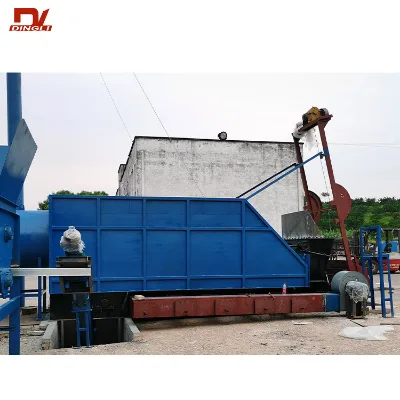
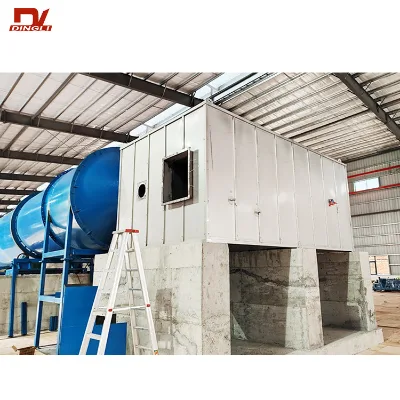
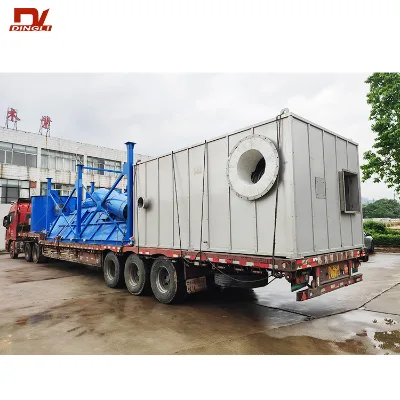


High-Efficiency Biomass Hot Air Furnace for Sustainable Heating Solutions
$98000.00 - $100000.00
MOQ: 1 Sets


Comprehensive Sourcing Guide
Strategic Sourcing Guide for Horizontal Biomass Hot Air Furnaces
Technical Architecture and Operational Specifications
When sourcing a Horizontal Biomass Hot Air Furnace, buyers must first establish a precise understanding of the machine's physical configuration and thermal capabilities. The core design identified in the market is the Horizontal Boiler structure, which distinguishes it from vertical or water-tube alternatives. This horizontal orientation is critical for specific industrial layouts, allowing for easier integration into existing drying lines and facilitating maintenance access to the combustion chamber and heat exchange surfaces. The product classification explicitly defines these units as Hot Air Furnaces or Hot Air Generators, operating on a Direct or Indirect heating principle.
The thermal performance is a primary determinant of procurement value. The observed Rated Thermal Power is typically Customized, meaning the unit must be engineered to match the specific heat load of the buyer's process rather than selecting from a fixed catalog of standard sizes. The Heat Output capacity observed in the market ranges broadly from 250,000 Kcal/Hr up to 20 million Kcal/Hr, indicating that these units are scalable for both small-scale batch operations and large continuous industrial plants. A key performance metric for these horizontal units is the Thermal Efficiency, which is observed to be ≥ 93%. This high efficiency is achieved through optimized combustion chambers and effective heat transfer surfaces, often constructed from Stainless Steel or Carbon Steel depending on the corrosiveness of the fuel and the required operating temperature.
The Operating Pressure for these specific horizontal biomass units is frequently Atmospheric, simplifying the safety requirements and reducing the need for high-pressure vessel certifications. However, the Working Temperature is highly flexible, often listed as as Customer Request, with specific models capable of maintaining a Temperature Adjustment range of 60 ~ 1000°C. The precision of this temperature control is vital for applications like grain drying or chemical processing, where temperature fluctuations can degrade product quality. The system utilizes a Forced Draft Fan for air supply, ensuring consistent airflow through the fuel bed and heat exchanger. Furthermore, the Control systems often employ Frequency Conversion Control, allowing for variable speed adjustments to match the thermal demand dynamically, which contributes to the Energy Saving features highlighted in the product attributes.
Compliance, Certification, and Material Standards
Navigating the regulatory landscape for industrial heating equipment requires rigorous verification of certifications and material standards. While the market lists ISO as a common certification, buyers must verify the specific scope of this certification, as general ISO status does not automatically guarantee compliance with local pressure vessel codes or environmental emission standards. The prod_standard for these units is noted as Depend on boiler capacity and AS PER CLIENT'S NEEDS, indicating that the regulatory framework is often project-specific rather than universally fixed.
Material selection is a critical compliance factor. The Material attribute specifies Stainless Steel Hot Air Generator options, which are essential for applications involving corrosive byproducts or high-temperature chemical processes. However, the standard also lists SS, CS (Stainless Steel, Carbon Steel), meaning the buyer must explicitly define the material grade required for their specific fuel source (e.g., biomass with high chlorine content may require higher-grade stainless steel to prevent corrosion). The Condition of the equipment is consistently listed as New, but buyers should verify the manufacturing level, which is observed as Level A, a designation that often implies a higher tier of engineering and fabrication quality control compared to lower-level classifications.
Environmental compliance is increasingly important. The Dust Content specification is observed at <40mg/Nm3, a figure that buyers must validate against local environmental regulations. This low particulate emission suggests advanced filtration or combustion control systems, but the buyer should request specific test reports or third-party verification to confirm that the unit meets the regulatory limits of their operating jurisdiction. Additionally, the Installation method is listed as Packaged Boiler or Engineer Guide, which impacts the compliance of the final site setup. If the unit is delivered as a packaged system, the integration of safety valves, pressure gauges, and emergency shut-offs must be verified against local boiler safety codes before operation.
Cost Drivers and Procurement Economics
The pricing structure for horizontal biomass hot air furnaces is highly variable, with an observed listed price range spanning from 1 USD to 600,000 USD. This vast range reflects the difference between small, single-unit generators and large, custom-engineered industrial systems with capacities reaching 20 million Kcal/Hr. The MOQ (Minimum Order Quantity) is observed as 1, suggesting that suppliers are willing to accommodate single-unit orders, which is advantageous for small-to-medium enterprises. However, the Capacity is listed as as Customer Requirement or More Than 50 Kcal/Hr, reinforcing that the unit is a custom solution rather than a mass-produced commodity.
Several factors drive the final cost. The Heating Source versatility, which includes Oil/Coal/Gas/Biomass, adds complexity to the design. A unit configured specifically for biomass with a complex fuel feeding system (e.g., auger or screw conveyor) will cost more than a dual-fuel unit. The Customization level is a significant cost driver; since the Rated Thermal Power and Working Temperature are customized, the engineering hours and material procurement for a bespoke unit will exceed the cost of a standard model. The Material choice also impacts price; Stainless Steel components are more expensive than Carbon Steel but offer longer service life in harsh environments.
Buyers should also consider the Installation costs. While the Installation is listed as Packaged Boiler, implying a degree of pre-assembly, the Engineer Guide option suggests that on-site supervision or specialized installation teams may be required, adding to the total cost of ownership. The Warranty is typically 1 Year, which is a standard baseline; buyers should negotiate extended warranty terms if the unit is a critical part of their production line. The prod_packing is listed as Standard Packing or Standard Export Packing, which protects the unit during transit but does not include specialized crating for heavy industrial components unless specified.
Typical Industrial Applications and Process Integration
The versatility of the Horizontal Biomass Hot Air Furnace makes it suitable for a wide array of industrial applications. The Application field explicitly lists Grain, Food, Wood, Chemical, and Building Materials, indicating its broad utility. In the Grain and Food sectors, the Usage is often Drying Wet Materials, where the precise Temperature Adjustment of 60 ~ 1000°C allows for gentle drying of sensitive products or high-temperature curing of others. The Hot Air Temperature stability, noted as ± 5°C, is crucial for maintaining product quality and preventing uneven drying or thermal degradation.
For the Wood and Building Materials industries, the furnace serves as a primary heat source for drying lumber, tiles, or concrete blocks. The Horizontal Fluid Bed and Continuous Vacuum drying equipment types mentioned in the context suggest compatibility with various drying technologies. The Slurry application indicates that these units can also be used in processes involving liquid waste treatment or slurry drying, where the Dust Content control is vital to prevent environmental contamination.
The Cloth Membrane Forms being Top Feed and the Roller Number being Multi-Drum suggest that these furnaces are often integrated into larger drying systems that utilize conveyor belts or rotating drums. The Structure is Horizontal Type, which facilitates the flow of materials through the drying chamber in a linear fashion, optimizing space utilization in factories with limited floor space. The Energy Saving feature is particularly relevant for industries with high energy consumption, as the Thermal Efficiency of ≥ 93% directly translates to reduced fuel costs and lower operational expenses.
Supplier Evaluation and Manufacturing Verification
Evaluating suppliers for horizontal biomass hot air furnaces requires a focus on manufacturing capability and track record. The Manufacturing Level is listed as A, which buyers should interpret as a high standard of production, but they must verify this through site audits or requests for detailed manufacturing process documentation. The prod_origin is consistently Henan or China, indicating a concentration of manufacturing in this region. Buyers should be aware that while the region is a hub for boiler manufacturing, the specific factory capabilities can vary widely.
Buyers should request evidence of the Customization process. Since the Rated Thermal Power and Working Temperature are customized, the supplier must demonstrate a robust engineering team capable of designing a unit that meets specific thermal loads and fuel characteristics. The Installation method, whether Packaged Boiler or Engineer Guide, should be clearly defined in the contract. If the supplier offers Engineer Guide services, the buyer should verify the qualifications of the engineers and the scope of their on-site support.
The Condition of the equipment is listed as New, but buyers should ensure that the supplier uses new, high-quality components and does not refurbish old units. The Warranty of 1 Year is a standard offering, but buyers should inquire about the availability of spare parts and the supplier's response time for service calls. The Certification of ISO is a baseline requirement, but buyers should ask for specific certificates related to the boiler's pressure vessel status and environmental compliance.
Quality Control and Long-Term Procurement Considerations
Quality control for horizontal biomass hot air furnaces extends beyond the initial purchase. The Thermal Efficiency of ≥ 93% and Dust Content of <40mg/Nm3 are key performance indicators that should be verified through third-party testing or on-site commissioning. Buyers should insist on a comprehensive commissioning report that validates these metrics under actual operating conditions. The Control system, utilizing Frequency Conversion Control, should be tested for stability and responsiveness to ensure it can maintain the Hot Air Temperature within the ± 5°C tolerance.
Long-term procurement considerations include the availability of spare parts and the durability of the Material. The Stainless Steel or Carbon Steel construction must be suitable for the specific fuel and operating environment. Buyers should request a maintenance schedule and a list of critical spare parts that should be kept on hand to minimize downtime. The Warranty of 1 Year covers manufacturing defects, but buyers should consider the total cost of ownership, including fuel consumption, maintenance, and potential upgrades.
The Standard Packing and Standard Export Packing are designed to protect the unit during transit, but buyers should verify that the packaging includes all necessary documentation, such as operation manuals, safety instructions, and certification copies. The Lead Time and MOQ are flexible, with an MOQ of 1, but the Customization nature of the product may extend the lead time. Buyers should plan their procurement timeline accordingly to ensure the unit is ready when needed.
In conclusion, sourcing a Horizontal Biomass Hot Air Furnace requires a detailed understanding of the technical specifications, compliance requirements, and cost drivers. By focusing on the Horizontal Boiler structure, Customized thermal power, and High Thermal Efficiency, buyers can select a unit that meets their specific industrial needs. Rigorous supplier evaluation and quality control measures are essential to ensure the long-term performance and reliability of the equipment.
FAQs
What is the thermal efficiency of horizontal biomass hot air furnaces?
The thermal efficiency is typically greater than or equal to 93 percent. This high performance is achieved through optimized combustion chambers and effective heat transfer surfaces designed for industrial drying applications.
Can the rated thermal power be customized for specific needs?
Yes, the rated thermal power is fully customized to match the buyer's specific heat load. Units are engineered to provide heat output ranging from 250,000 Kcal/Hr up to 20 million Kcal/Hr based on requirements.
Which heating sources are compatible with these horizontal furnaces?
These furnaces support multiple heating sources including oil, coal, gas, and biomass. The specific fuel configuration is selected based on the client's needs and the intended application such as grain or chemical processing.
How is the temperature adjustment controlled in the furnace system?
Temperature adjustment ranges from 60 to 1000 degrees Celsius with a precision of plus or minus 5 degrees. The system utilizes frequency conversion control to dynamically adjust airflow and maintain stable thermal conditions.
What material options are available for the furnace construction?
Furnaces are constructed from stainless steel or carbon steel depending on the application. Stainless steel is often used for corrosive environments, while carbon steel is selected for standard industrial drying processes.
What is the operating pressure condition for these horizontal boilers?
The operating pressure is typically atmospheric, which simplifies safety requirements. This design eliminates the need for high-pressure vessel certifications and reduces the complexity of the installation process.
Can the dust content emissions be verified for environmental compliance?
The dust content specification is observed at less than 40 milligrams per cubic meter. Buyers should request specific test reports to confirm that the unit meets the regulatory limits of their operating jurisdiction.
What installation methods are provided for the packaged boiler units?
Installation is available as a packaged boiler or with engineer guide services. The packaged option implies pre-assembly, while engineer guide support ensures proper on-site integration and safety compliance.