Source Hot Rolled Steel Storage Rack for Warehouse, Supermarket, Industrial
Compare 30 listings of Hot Rolled Steel Storage Rack options featuring adjustable mobility, steel construction, and customizable dimensions. Buyers can evaluate middle duty and pallet racking types for warehouse, supermarket, and industrial tool storage needs with OEM support available.
Key considerations
Products List




Comprehensive Sourcing Guide
Strategic Sourcing Guide for Hot Rolled Steel Storage Racks
Understanding the Technical Landscape of Steel Racking Systems
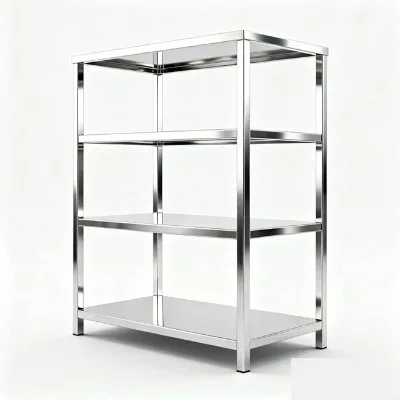
When sourcing hot rolled steel storage racks, buyers must first distinguish between the specific structural configurations available in the market. The core material for these systems is consistently identified as steel, often reinforced with concrete in specific heavy-duty applications. The primary structural forms observed include boltless or rivet racking systems, which are designed for rapid assembly without the need for complex welding on-site. These systems frequently feature a rack structure that is categorized as middle-duty, suitable for general warehouse and supermarket environments.
A critical technical variable is the mobility of the unit. While some configurations are designed as fixed structures to ensure maximum stability in high-density storage, others may offer adjustable mobility features to accommodate changing inventory layouts. The height of these racks typically ranges from 0 to 5 meters, allowing for vertical space optimization in facilities with high ceilings. The standard configuration often involves four layers, though this can be customized based on specific storage requirements. The physical dimensions are frequently standardized, with common sizes including 2000 x 600 x 2000 mm, but buyers should verify if the supplier offers custom dimensions to fit unique facility constraints.
The finish applied to the steel is a vital technical specification that dictates longevity. Common surface treatments include zinc plating, hot-dip galvanizing, and powder coating. These finishes are essential for protecting the hot rolled steel from corrosion, particularly in environments where humidity or chemical exposure is a concern. The posts of these racks are often detachable, facilitating easier transport and reconfiguration. For specific heavy-load applications, the structural integrity relies on precise post dimensions, such as a length of 1510 mm with a width of 60 mm and a thickness of 2.5 mm, ensuring the system can support significant weights without deformation.
Compliance, Certification, and Safety Standards
Navigating the regulatory landscape is a fundamental step in the procurement of industrial storage solutions. Buyers must verify that the products meet recognized international standards to ensure safety and structural integrity. The supply chain data indicates that products often carry CE certification, which is a mandatory conformity mark for products sold within the European Economic Area. Additionally, compliance with ISO standards is frequently cited as a baseline for quality management and product consistency.
When evaluating compliance, it is essential to look for specific standard references rather than relying on general claims. While some background information suggests standards like EN 15512, which pertains to pallet racking systems, buyers should explicitly request documentation proving that the specific model they are purchasing adheres to the relevant safety codes for their region. The certification status should be verified through third-party testing reports rather than supplier self-declaration.
The manufacturing process must also align with safety regulations. The use of hot rolled steel implies a specific metallurgical process that affects the grain structure and strength of the material. Buyers should ensure that the supplier can provide mill test certificates that confirm the chemical composition and mechanical properties of the steel used. This is particularly important for racks intended for high-load applications where the failure of a single component could lead to catastrophic structural collapse. The presence of certifications such as CE and ISO serves as an indicator that the manufacturer has established a quality management system, but the specific test results for the batch being purchased must be reviewed to confirm compliance with the stated standards.
Cost Drivers and Pricing Variables
The pricing of hot rolled steel storage racks is influenced by a complex array of factors, ranging from raw material costs to logistical arrangements. The observed price range in the market is substantial, spanning from approximately $0.75 to $1300 USD per unit or set. This wide variance is not indicative of quality differences alone but reflects the diversity in specifications, load capacities, and customization levels.
Several key variables drive the final cost. First, the load capacity is a primary determinant; racks designed to hold 1500 kg or more will naturally command a higher price due to the increased volume of steel and the reinforcement required. Second, the finish plays a significant role. Hot-dip galvanizing is generally more expensive than standard powder coating due to the energy-intensive process and the superior corrosion resistance it provides. Third, customization is a major cost factor. While standard sizes like 2000 x 600 x 2000 mm are often available at competitive rates, custom dimensions or non-standard layer configurations will incur additional engineering and production costs.
Logistics and payment terms also impact the effective cost. The price type can vary from FOB (Free on Board) to CIF (Cost, Insurance, and Freight) or DDU (Delivered Duty Unpaid), with each term shifting the financial responsibility for shipping and insurance between the buyer and the seller. The quantity ordered is another critical driver; while the minimum order quantity (MOQ) can be as low as one unit, larger orders often benefit from economies of scale. Buyers should also consider the packing method, which can range from simple plastic banding to more protective air bubble bags and cartons, affecting the overall shipping volume and cost.
Typical Applications and Usage Scenarios
Hot rolled steel storage racks are versatile solutions designed for a wide array of industrial and commercial applications. The primary usage scenarios include warehouse storage, supermarket shelving, and industrial tool organization. The middle-duty classification makes these racks particularly suitable for environments where heavy pallets are not the sole storage method, but rather a mix of boxed goods, tools, and lighter bulk items.
In warehouse settings, these racks are often utilized for high-density storage where space is at a premium. The stackability feature, which allows units to be stacked up to four high, is a critical advantage for maximizing vertical space. The adjustable nature of the shelving allows for flexibility in storing items of varying heights, from small components to larger machinery parts. In supermarket environments, the aesthetic and functional design of these racks supports efficient product display and easy access for shoppers.
For industrial applications, the racks serve as robust tool storage solutions. The ability to accommodate specific accessories, such as forklift guides and wheels, enhances their utility in dynamic manufacturing or assembly environments. The detachable posts allow for easy reconfiguration of the storage layout as production needs change. The product shelf life, which can extend up to 3 or 5 years against proper handling, makes these racks a long-term investment for facilities looking to minimize replacement costs. The specific model numbers, such as YD-S027 or HM-PP004, often correspond to specific application profiles, with some models optimized for general storage and others for heavy-duty industrial use.
Supplier Evaluation and Verification Criteria
Selecting the right supplier is as critical as selecting the right product. Buyers should prioritize manufacturers that identify as professional entities with a strong track record in the industry. The origin of the products is a significant factor, with many suppliers located in Jiangsu, China (Mainland), a region known for its manufacturing capabilities. However, the location of the factory should not be the sole criterion; the supplier's ability to provide consistent quality and support is paramount.
When evaluating a supplier, buyers should look for evidence of OEM (Original Equipment Manufacturer) capabilities. The acceptance of OEM requests indicates that the supplier is flexible and willing to tailor products to specific brand or functional requirements. The availability of customization, including color options and size modifications, is another indicator of a supplier's technical proficiency. Buyers should also assess the supplier's serviceability, ensuring that they offer common use support and are responsive to inquiries regarding product specifications and installation.
The packaging method is another area where supplier quality can be assessed. Professional manufacturers typically use robust packaging solutions, such as bubble film for uprights and beams, combined with plastic banding and stretch film wrapping, to prevent damage during transit. The ability to load a significant number of sets into a single container, such as 247 sets in a 40HQ container, demonstrates the supplier's efficiency in logistics and product design. Finally, the warranty terms, such as a one-year product warranty, provide a safety net for buyers and indicate the supplier's confidence in their product's durability.
Quality Control and Long-Term Procurement Considerations
Ensuring the long-term viability of a storage rack investment requires a rigorous approach to quality control. Buyers should implement a verification process that includes checking the structural integrity of the posts and beams, ensuring that the dimensions match the specified tolerances. The use of hot rolled steel must be verified against the mill test certificates to confirm that the material meets the required strength standards. The finish application should be inspected for uniformity and thickness to ensure adequate corrosion protection.
Long-term procurement considerations also involve the availability of spare parts and accessories. The ability to source additional components, such as wheels or forklift guides, is essential for maintaining the functionality of the rack system over time. The stackability feature should be tested to ensure that the locking mechanisms function correctly when units are stacked, preventing accidental collapse. The product shelf life, which is often cited as up to 3 or 5 years, should be understood in the context of proper handling and maintenance practices.
Buyers should also consider the environmental impact and sustainability of the materials used. Hot rolled steel is a recyclable material, and choosing a supplier that emphasizes sustainable manufacturing practices can align with corporate social responsibility goals. The packaging materials should be minimized where possible to reduce waste, and the supplier should be willing to discuss their recycling policies. Finally, the lead time and production capacity of the supplier should be evaluated to ensure that they can meet the buyer's timeline requirements, especially for large-scale projects where delays can have significant operational consequences.
Comparative Analysis of Key Product Attributes
To facilitate a clear decision-making process, it is helpful to compare the key attributes of different rack configurations. The following table summarizes the observed variations in specifications, certifications, and features found in the market.
| Attribute | Standard Configuration | Custom/Heavy-Duty Configuration |
|---|---|---|
| Material | Steel | Steel and Reinforced Concrete |
| Structure | Rack (Boltless/Rivet) | Heavy Duty Pallet Racking |
| Mobility | Fixed | Adjustable |
| Height Range | 0-5m | Up to 5m (Customizable) |
| Load Capacity | Standard (e.g., 1500 Kg) | High Capacity (Custom) |
| Layers | 4 Layers | 4 Layers or as Requested |
| Certification | CE, ISO | CE, ISO, EN 15512 (Verified) |
| Finish | Zinc/Powder Coating | Hot DIP Galvanized |
| Origin | Jiangsu, China | Jiangsu, China |
| Warranty | 1 Year | 1 Year or Extended |
This comparison highlights that while standard configurations offer a baseline of quality and functionality, custom and heavy-duty options provide enhanced performance for specific industrial needs. Buyers should use this matrix to align their procurement strategy with their operational requirements, ensuring that the selected racks meet both current and future storage demands. By focusing on these core attributes, buyers can make informed decisions that balance cost, quality, and performance.
FAQs
What materials are used for hot rolled steel storage racks?
These racks are primarily constructed from steel, with some heavy-duty models incorporating reinforced concrete. The structural integrity relies on hot rolled steel posts and beams, often finished with zinc plating, hot-dip galvanizing, or powder coating to prevent corrosion.
Can I customize the dimensions of the storage rack?
Yes, customization is available for most models, allowing for specific sizes like 2000 x 600 x 2000 mm or other requests. Buyers can also request custom layer configurations, such as four layers, and choose from various colors to match their facility requirements.
Which certifications do these steel racks typically hold?
Products often carry CE certification and comply with ISO standards to ensure safety and structural integrity. Buyers should verify specific test results and mill certificates for the batch being purchased rather than relying solely on general supplier claims regarding compliance.
How much load capacity can the rack support?
Specific models like HM-PP004 can support up to 1500 kg, while other configurations vary based on design. The load capacity depends on the post dimensions and steel thickness, with some units designed for middle-duty warehouse or supermarket environments.
What is the typical price range for these storage units?
The observed price range spans from approximately 0.75 to 1300 USD per unit or set. This variance reflects differences in load capacity, finish types, customization levels, and logistical terms like FOB or CIF included in the final cost.
Where are these hot rolled steel racks manufactured?
The products originate from Jiangsu, China (Mainland), a region known for its manufacturing capabilities. Buyers should prioritize professional manufacturers in this location who offer OEM support and can provide consistent quality for their storage solutions.
How are the racks packed for shipping?
Uprights and beams are typically packed with bubble film, while other components may use plastic banding and stretch film. Some options include air bubble bags and cartons to ensure protection during transit, with specific packing methods varying by supplier.