Source Hot-Rolled Steel Structure Building for Warehouse Villa Workshop
Compare 30 listings for Hot-Rolled Steel Structure Building options including H-section beams and carbon structural steel. Buyers can evaluate customization, surface treatment, and certifications like ISO and SGS for warehouse, villa, or workshop projects.
Key considerations
Products List


High Standard Steel Structure Building Metal Structure Construction
$28.00 - $56.00
MOQ: 100 Square Meters


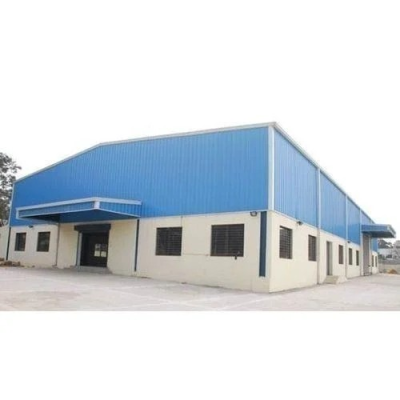


Comprehensive Sourcing Guide
Sourcing Guide for Hot Rolled Steel Structure Buildings
Understanding Technical Specifications and Material Grades
When sourcing hot rolled steel structure buildings, buyers must first establish a clear understanding of the core material properties and forming processes that define the product's integrity. The primary material in these structures is typically carbon structural steel, which serves as the foundational element for beams, columns, and trusses. The specific grades available in the market include Q235, Q345, and Q355, each offering distinct mechanical properties suitable for different load-bearing requirements. Q235 is a common choice for general structural applications, while Q345 and Q355 provide higher strength, making them ideal for high-stress environments or larger span requirements.
The forming process is a critical differentiator in this category. Hot-rolled steel is the standard method used to produce H-section steel beams and columns, ensuring uniform grain structure and consistent mechanical performance. This process involves heating the steel above its recrystallization temperature and rolling it into the desired shape, resulting in a product that is robust and capable of withstanding significant loads. The connection form for these structures is predominantly bolted, which allows for efficient on-site assembly and disassembly, a feature particularly valuable for temporary offices, workshops, and warehouses.
The structural components themselves are often categorized as steel beams, steel columns, or steel trusses. The design of the roof and wall systems can vary, utilizing steel sheets or sandwich panels depending on the thermal and acoustic insulation needs of the facility. For instance, a warehouse requiring temperature control might specify sandwich panels, whereas a simple storage facility may rely on standard steel sheets. The design codes governing these structures typically account for wind load, snow load, and earthquake resistance, with specific references to an earthquake load capacity of 8 Grade in certain regional contexts.
| Component | Typical Material Grade | Forming Process | Connection Method |
|---|---|---|---|
| Main Beam | Q235, Q345, Q355 | Hot-Rolled | Bolt Connection |
| Column | Q235, Q345 | Hot-Rolled | Bolt Connection |
| Truss | Q235, Q345 | Hot-Rolled | Bolt Connection |
| Roof/Wall | Q235 | Hot-Rolled | Bolt/Weld |
Compliance, Certification, and Standard Verification
Navigating the regulatory landscape is essential for ensuring that a steel structure building meets international safety and quality benchmarks. Buyers should verify that suppliers possess valid certifications from recognized bodies such as ISO, CE, SGS, BV, and GB. These certifications indicate that the manufacturer adheres to specific quality management systems and product standards. The presence of multiple certifications, such as ISO, CE, and SGS, suggests a higher level of compliance and reliability in the supply chain.
Standards play a pivotal role in defining the acceptable parameters for steel construction. The market recognizes a wide array of international standards, including GB (Chinese), ASTM (American), DIN (German), JIS (Japanese), AISI (American), and BS (British). When sourcing, it is crucial to confirm that the product standard aligns with the project's location and local building codes. While some listings may claim compliance with specific standards like EN 10025 or ASTM A36, buyers should treat these as background information and request explicit verification from the supplier that the delivered goods meet the specific standard required for the project.
The certification process often involves third-party inspections. Certificates from organizations like SGS and BV provide an independent assessment of the material quality and manufacturing process. Buyers should request copies of these certificates and verify their validity before finalizing any procurement agreement. Additionally, the design codes used by the supplier must be explicitly stated, ensuring that the structural calculations for wind, snow, and earthquake loads are based on the correct regional standards.
Cost Drivers and Pricing Dynamics
The pricing of hot rolled steel structure buildings is influenced by a complex interplay of factors, including material costs, customization levels, and logistical expenses. The observed price range in the market spans from approximately $5.99 to $900 per unit, though this variance is largely dependent on the scale of the order, the specific material grade selected, and the complexity of the design. A simple storage unit will naturally cost less than a customized warehouse with advanced insulation and specialized truss designs.
Material grade is a primary cost driver. Higher-grade steels like Q345 and Q355 are more expensive than Q235 due to their enhanced strength and durability. Furthermore, the surface treatment process adds to the overall cost. Options such as galvanizing, painting, and coating are essential for corrosion protection, especially in harsh environments. The choice between a basic painted finish and a high-performance galvanizing treatment will significantly impact the final price.
Customization is another significant factor. While standard designs may be available at lower price points, bespoke structures designed to client specifications or drawings require additional engineering time and specialized manufacturing processes. The level of customization, from the dimensions of the H-section steel to the specific type of sandwich panels used for the roof, directly correlates with the cost. Buyers should also consider the payment terms, which often include L/C (Letter of Credit) or T/T (Telegraphic Transfer), as these can affect the financial planning and cash flow of the procurement process.
Typical Applications and Usage Scenarios
Hot rolled steel structure buildings are versatile and find application across a wide spectrum of industries and use cases. The most common applications include warehouses, workshops, and storage facilities, where the open-span capabilities of steel beams and trusses are highly valued. These structures provide large, unobstructed interior spaces that are ideal for storing goods or housing heavy machinery.
Beyond industrial use, these buildings are increasingly utilized for temporary offices, villas, and residential purposes. The ability to quickly erect and dismantle these structures makes them perfect for temporary work sites or emergency housing. The design flexibility allows for the creation of multi-purpose spaces that can serve as workshops, storage, and living quarters simultaneously. For example, a steel structure can be designed with specific insulation properties to function as a villa, while maintaining the structural integrity required for a workshop.
The durability of these structures is another key factor in their application. With a service life often exceeding 50 years, steel buildings are a long-term investment for businesses looking to minimize maintenance costs. The earthquake resistance capabilities, particularly in regions prone to seismic activity, make them a safe choice for various building types. Whether the application is a simple storage shed or a complex industrial plant, the adaptability of hot rolled steel ensures that it can meet the specific needs of the user.
Supplier Evaluation and Sourcing Strategy
Evaluating suppliers requires a meticulous approach to ensure that the selected partner can deliver high-quality products that meet all project requirements. Buyers should prioritize suppliers who demonstrate a strong track record in manufacturing steel structures and who can provide comprehensive documentation regarding their certifications and standards compliance. The origin of the product is also a critical consideration; many suppliers are based in regions like Qingdao, Shandong, or other parts of China, which are known for their robust steel manufacturing industries.
When assessing a supplier, buyers should look for evidence of their design capabilities. Suppliers that utilize advanced design software such as SketchUp and AutoCAD can provide detailed 3D models and precise engineering drawings, ensuring that the final product matches the client's vision. The ability to offer customization is a strong indicator of a supplier's flexibility and technical expertise. Additionally, the packaging method, whether it be in bundles, shrink film, paper boxes, or standard export packing, should be evaluated to ensure that the materials will arrive in pristine condition.
Payment terms and logistics are also vital components of the supplier evaluation process. Buyers should negotiate terms that protect their interests, such as L/C or T/T, and ensure that the supplier has a clear understanding of the delivery requirements. The lead time and production capacity should be discussed to avoid delays that could impact the project timeline. By thoroughly vetting suppliers based on these criteria, buyers can mitigate risks and secure a reliable partnership for their steel structure building projects.
Quality Control and Long-Term Procurement Considerations
Ensuring the quality of hot rolled steel structure buildings is paramount to the safety and longevity of the project. Quality control measures should be implemented at every stage of the manufacturing process, from raw material inspection to final assembly. Buyers should request detailed quality reports that include test results for material strength, surface treatment thickness, and dimensional accuracy. The use of high-quality materials, such as Q235 and Q345 steel, combined with rigorous quality control protocols, ensures that the final structure meets all safety and performance standards.
Long-term procurement considerations involve looking beyond the initial purchase to the lifecycle of the building. The service life of a steel structure is typically around 50 years, but this can be extended with proper maintenance and protection against corrosion. Surface treatments like galvanizing and painting are essential for protecting the steel from environmental factors. Buyers should consider the maintenance requirements of the chosen surface treatment and ensure that the supplier provides guidelines for ongoing care.
Additionally, the adaptability of the structure is a key long-term consideration. As business needs evolve, the ability to modify or expand the building is crucial. Bolted connections and modular designs facilitate easy modifications, allowing the structure to grow with the business. Buyers should also consider the environmental impact of the building, looking for suppliers who use sustainable manufacturing practices and recyclable materials. By focusing on these long-term factors, buyers can ensure that their investment in a Hot-Rolled Steel Structure Building remains valuable and functional for decades to come.
FAQs
What certifications do hot rolled steel structure buildings have?
These buildings typically hold ISO, CE, SGS, BV, and GB certifications. Buyers should verify specific certificates like ISO and SGS to ensure compliance with international quality management systems and safety standards before procurement.
Which steel grades are used for hot rolled structure beams?
Common material grades include Q235, Q345, and Q355 carbon structural steel. Q235 is suitable for general applications, while Q345 and Q355 offer higher strength for high-stress environments or larger span requirements.
How are hot rolled steel structures connected on site?
The primary connection form is bolt connection, allowing for efficient assembly and disassembly. This method is particularly valuable for temporary offices, workshops, and warehouses where quick erection is required.
Can hot rolled steel buildings be customized to drawings?
Yes, customization is available based on client requests or specific drawings. Suppliers use design software like SketchUp and AutoCAD to create bespoke structures that match exact engineering specifications and dimensions.
What is the expected service life of these steel structures?
The service life typically exceeds 50 years with proper maintenance. Surface treatments like galvanizing and painting protect the steel from corrosion, ensuring long-term durability for warehouses, villas, and workshops.
Where are hot rolled steel structure buildings manufactured?
These products originate from locations such as Qingdao and Shandong in China. Buyers should confirm the specific origin to ensure alignment with logistics plans and regional manufacturing capabilities.
What payment terms are standard for these steel structures?
Standard payment terms include L/C and T/T options. Buyers should negotiate these terms to protect their financial interests and ensure clear cash flow planning during the procurement process.