Source Hot Runner Helmet Mold for Car, Appliance, and Home Use
Source Hot Runner Helmet Mold from 30 verified listings. Compare UG-designed plastic injection molds with multi-cavity options for automotive, household appliance, and electronic hardware applications. Evaluate steel molds with ISO certification and 15-70 day delivery times; compare the available evidence and request quotations based on your requirements.
Key considerations
Products List


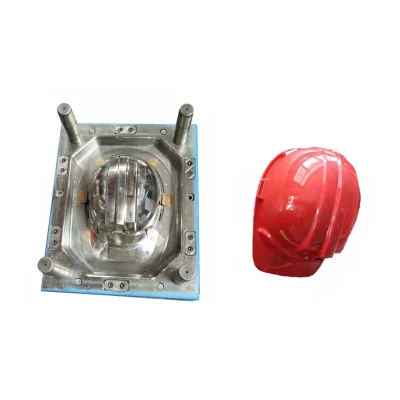


Injection Mould Plastic Motorbike Safe Helmet Mould Motorcycle Helmet Mould
$9000.00 - $18000.00
MOQ: 1 Sets

Engineering Safety Helmet Plastic Injection Mould Safety Helmet Tooling
$6000.00 - $10000.00
MOQ: 1 Sets

1cavity Cool Runner Popular Selling Adult Helmet Plastic Injection Mould
$5000.00 - $8800.00
MOQ: 1 Pieces


The Best and Cheapest Hot Selling Plastic Helmet Injection Mould Manufacturer
$4000.00 - $5000.00
MOQ: 1 Sets


Factory Direct Sales Quality Assurance Custom Injection Plastic Helmet Mold
$7800.00 - $8500.00
MOQ: 1 Sets
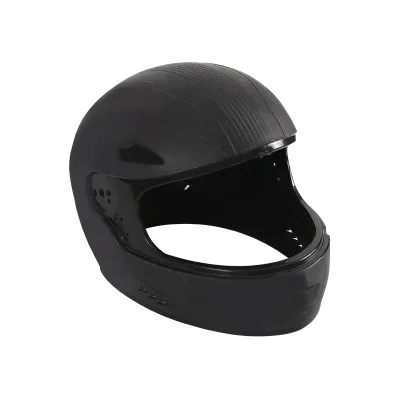
Oem Injection Molds Plastic Safety Helmet Mould Motorcycle Helmet Mouldings
$5148.62 - $10297.24
MOQ: 1 Minimum


Comprehensive Sourcing Guide
Hot Runner Helmet Mold Sourcing Guide
Buyers seeking hot runner helmet molds must first distinguish between single-cavity and multi-cavity configurations, as the observed listings show both options available for different production volumes. The core keyword implies a focus on automated injection molding systems where the runner system is heated to maintain material flow, a feature explicitly noted in the provided data as "Hot Runner" or "hot/cold runner" capability. This distinction is critical because the choice directly impacts cycle time, material waste, and the final surface quality of the safety helmet being produced.
Procurement teams should verify that the design software compatibility aligns with their internal engineering workflows, as the market data indicates support for UG, PROE, and CAD platforms. Since customization is available and the design can be based on drawings or samples, buyers must ensure their technical team can provide precise specifications before engaging with a supplier. The ability to tailor the mold to specific helmet models, ranging from industrial safety gear to household appliance components, requires a supplier capable of adapting their multi-cavity or single-cavity setups to unique geometric requirements.
Product Scope and Observed Listing Signals
The product scope for hot runner helmet molds extends across diverse industries including automotive, household appliances, electronics, and general hardware, reflecting the versatility of the injection molding process. Listings indicate that these molds are designed for materials such as ABS and PC, which are standard for safety helmets due to their impact resistance and durability. Buyers should note that while the primary application is helmet manufacturing, the same tooling technology is often repurposed for other plastic components, necessitating a clear definition of the end-use to avoid specification mismatches.
Observed listing signals reveal significant variation in delivery timelines, ranging from 15 to 70 days depending on the complexity and customization level of the order. Some suppliers offer a rapid turnaround of 15-20 days for standard configurations, while others with more complex requirements or specific material needs may require up to 70 days. This variance suggests that buyers must align their production schedules with the specific lead time commitments of the supplier, rather than assuming a uniform delivery window across the market.
Technical Specifications to Verify
Technical verification must begin with the runner system configuration, as the data explicitly mentions both hot and cold runner options, with hot runners being the preferred choice for efficiency in helmet production. Buyers should confirm whether the mold utilizes a single-process mode or requires complex process combinations, as this affects the machine setup and operational stability. The presence of automatic operating modes and specific machine requirements, such as Haida Plastic Injection Molding Machines, indicates that the mold must be compatible with high-tonnage equipment to ensure consistent cavity filling.
Surface finish and material composition are equally critical, with polishing processes and steel product materials being standard for high-durability applications. The mold life is often customized, meaning buyers must negotiate specific durability expectations based on their production volume rather than relying on generic industry averages. Additionally, the weight of the mold, observed between 0.2t and 10t, dictates the logistics and handling equipment required at the receiving facility, making it a key factor in the initial site preparation and infrastructure planning.
Compliance and Safety Documentation
Compliance verification should prioritize the presence of ISO certification, which is explicitly listed in the product data as a standard attribute for these molds. While specific safety standards for the final helmet product are not detailed in the mold listings, the mold itself must adhere to manufacturing standards such as DME, which governs the dimensional accuracy and structural integrity of the tooling. Buyers must ensure that the supplier provides documentation confirming that the mold construction meets these recognized standards before shipping, as this forms the basis for the safety of the final consumer product.
Safety documentation also extends to the mold testing procedures, where a "Mold Test Before Shipping" is a mandatory verification step to prevent defects in the production run. This testing ensures that the hot runner system functions correctly and that the multi-cavity or single-cavity layout produces consistent parts without flash or short shots. Procurement teams should request detailed test reports that include cycle counts and material flow analysis to validate that the mold meets the required performance benchmarks for safety helmet manufacturing.
Cost Drivers and Commercial Terms
Cost drivers for hot runner helmet molds are heavily influenced by the complexity of the runner system and the number of cavities, with multi-cavity molds generally commanding higher prices due to increased machining time and material usage. The observed price range of 400 to 100,000 USD reflects this variability, where basic single-cavity units sit at the lower end while complex, high-precision multi-cavity systems with advanced hot runner technology reach the upper limits. Buyers must analyze the total cost of ownership, including the potential savings from reduced material waste and faster cycle times offered by hot runner systems, to justify the initial investment.
Commercial terms regarding delivery and packaging are equally significant, with options ranging from wooden cases to PP bags and cartons depending on the mold size and destination. The supply ability of suppliers, noted as 40 sets per month or 500 sets per year, impacts the scalability of the procurement and may require staggered ordering for large projects. Buyers should clarify the port of dispatch, typically Ningbo or Shanghai, and the preferred shipping method, whether by sea or air, to accurately calculate landed costs and ensure timely arrival for production schedules.
Supplier Qualification and Quality Control
Supplier qualification requires a rigorous assessment of their manufacturing capabilities, specifically their use of advanced machinery like CNC, EDM, and EDW for precision machining. The presence of experienced personnel for water cooling and surface finishing processes is a strong indicator of quality control maturity, ensuring that the mold will perform reliably over its intended lifespan. Buyers should verify that the supplier has a dedicated quality assurance team that conducts mold tests before shipping, as this step is critical for identifying and rectifying any potential issues before the tooling leaves the factory.
Quality control protocols must also include a review of the packaging details, which often involve anti-rust coverage, butter application, and plastic membrane wrapping to protect the mold during transit. The use of wooden cases for larger molds and specific packing details for spare parts demonstrates a commitment to preserving the mold's condition until it reaches the buyer's facility. Procurement teams should request a checklist of these quality control measures to ensure that the supplier follows a standardized process that minimizes the risk of damage or corrosion during shipping.
Long-Term Procurement Checks
Long-term procurement checks should focus on the supplier's ability to provide ongoing support and spare parts, as the mold life is often customized and may require maintenance or component replacement over time. The data indicates that some suppliers include spare parts in their packaging, but buyers must confirm the availability of these parts and the lead time for future orders to avoid production downtime. Establishing a clear communication channel for technical support and troubleshooting is essential for maintaining the efficiency of the hot runner system throughout the mold's operational life.
Finally, buyers should monitor the supplier's supply ability and delivery consistency to ensure they can meet future production demands without disruption. The observed supply rates of 40 sets per month suggest that capacity planning is necessary for large-scale projects, and buyers should negotiate volume discounts or priority scheduling if they anticipate recurring orders. Regular performance reviews of the supplier's adherence to delivery times and quality standards will help maintain a reliable supply chain for hot runner helmet molds and associated plastic components.
FAQs
What design software supports Hot Runner Helmet Mold creation?
Hot runner helmet molds are designed using UG, PROE, and CAD software. These tools allow engineers to create precise 3D models based on customer drawings or samples. The design process ensures accurate cavity geometry and runner layout, facilitating efficient manufacturing and seamless integration with injection molding machines for consistent production quality.
Which plastic materials are suitable for helmet injection molding?
ABS and PC are primary plastic materials used for helmet injection molding. These polymers offer the necessary impact resistance and durability required for safety equipment. Manufacturers can customize material selection based on specific performance requirements, ensuring the final product meets industry standards for strength, weight, and environmental resistance during daily use.
How long is the delivery time for custom helmet molds?
Delivery times typically range from 15 to 70 days depending on complexity and order volume. Standard production often takes 15 to 20 days, while larger or more intricate orders may require 30 to 70 days. Some suppliers offer expedited schedules of 40 to 60 days. Buyers should confirm specific timelines during the quotation phase to align with project deadlines.
Can hot runner helmet molds be customized for specific applications?
Yes, hot runner helmet molds are fully customizable to meet specific application needs. Manufacturers offer tailored solutions for various industries including automotive, household appliances, electronics, and hardware. Customization includes adjusting cavity counts, runner systems, and surface finishes like polishing. Buyers can provide drawings or samples to ensure the mold matches their exact product specifications.
What certifications and standards apply to plastic helmet molds?
Plastic helmet molds often comply with ISO certification and DME standards. These frameworks ensure quality management and component interoperability. The molds undergo rigorous testing before shipping to verify performance. Adhering to these standards helps manufacturers maintain consistent quality, reduce defects, and ensure the molds operate reliably within automated injection molding systems for extended production runs.
What packaging methods protect helmet molds during international shipping?
Helmet molds are packed in wooden cases to ensure safe international transport. The process involves covering the core and cavity surfaces with anti-rust agents and butter. Plastic membranes wrap the mold to prevent moisture damage. This robust packaging protects delicate components from corrosion and physical impact during sea or air freight, ensuring the mold arrives in optimal condition.