Source Hot Runner Wash Basin Mould for Household Appliances, Commodity, and Home Use
Find 30 Hot Runner Wash Basin Mould options tailored for household appliances, commodity goods, and home use applications. Compare specifications including mould materials, surface finishes, and precision levels from verified suppliers in China.
Key considerations
Products List


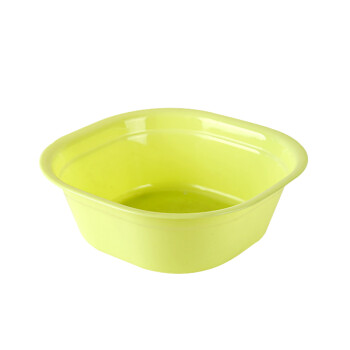
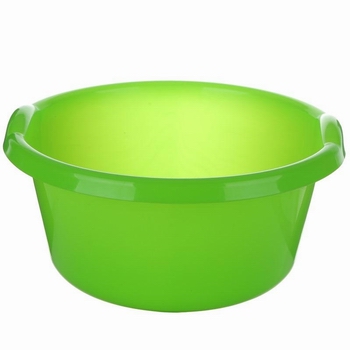


Custom Plastic Injection Molding Washbasin Wash Basin Injection Mould Mold
$500.00 - $50000.00
MOQ: 1 Sets


OEM ODM Custom Plastic Wash Basin Injection Molding Plastic Mould with 1 Cavity
$4000.00 - $5000.00
MOQ: 1 Sets


Good Quality Secondhand Plastic Injection Basin Moulds with Different Design
$2500.00 - $5000.00
MOQ: 1 Sets

Plastic Washbasin Mold Plastic Basin Mould Injection Mould for Plastic Basin
$3000.00 - $6000.00
MOQ: 1 Sets


Comprehensive Sourcing Guide
Strategic Sourcing Guide for Hot Runner Wash Basin Moulds
Understanding the Technical Architecture of Hot Runner Systems
When sourcing a Hot Runner Wash Basin Mould, buyers must first distinguish between the fundamental mechanical architecture of the tooling and the specific thermal management systems employed. The core keyword "hot runner" indicates a system where molten plastic is kept in a liquid state within the runner network, eliminating the need for cold runner scrap and significantly reducing cycle times for high-volume production. Based on observed market data, the design software utilized for these complex moulds often includes industry-standard tools like UG (Unigraphics) and AutoCAD, which are critical for simulating flow patterns and ensuring uniform filling of the basin geometry.
The shaping mode for these units is predominantly injection moulding, a process that requires precise control over temperature and pressure. A key technical observation in the current supply landscape is the variation in runner systems; while the primary focus is on hot runner technology, some listings still reference cold runner configurations. Buyers must verify that the specific unit under consideration explicitly utilizes a hot runner system to ensure the intended efficiency gains. The surface finish process is equally critical for wash basins, where aesthetics and hygiene are paramount. The data indicates that mirror polishing is a common specification for high-end units, while standard polishing is also available. This distinction directly impacts the final product's visual appeal and its ability to resist bacterial adhesion.
Furthermore, the mould cavity configuration is typically single cavity for standard production runs, though the complexity of the wash basin shape requires robust engineering. The mould material is frequently specified as P20h or 718h steel, which offers a balance of hardness, corrosion resistance, and machinability suitable for the abrasive nature of plastics like ABS. The hydraulic cylinder component, often sourced from suppliers like Junfan, plays a vital role in the clamping and ejection phases, ensuring consistent pressure application during the injection cycle. Understanding these interrelated components allows procurement specialists to evaluate whether a supplier's technical proposal aligns with the specific demands of wash basin manufacturing.
Compliance, Certification, and Standard Verification
In the B2B procurement of industrial moulds, compliance is not merely a formality but a prerequisite for operational continuity and market access. The supply chain for hot runner wash basin moulds is heavily influenced by international standards and certifications. Observed product attributes frequently cite ISO certification, with some listings specifying ISO9001:2000 or the more recent ISO9001 standards. These certifications indicate that the manufacturer has established a quality management system, though buyers must verify the specific scope and validity of these certificates rather than accepting them as generic claims. Additionally, SGS certification appears in the market data, suggesting third-party verification of material or process quality, which adds a layer of due diligence for the buyer.
Beyond general quality management, the physical standards of the mould components are often referenced. The HASCO and DME standards are prominent in the observed data. HASCO is a German standard widely adopted for mould components, ensuring interchangeability and high precision, while DME represents a North American standard often associated with specific component dimensions and tolerances. When sourcing, a buyer must determine which standard the mould adheres to, as this affects the availability of replacement parts and the compatibility with existing machinery. The precision of the mould is another critical metric, with observed specifications citing a tolerance of +/- 0.01mm. This level of precision is essential for wash basins to ensure proper fitment with faucets and to prevent leaks, but it requires rigorous verification during the inspection phase.
It is important to note that while some listings mention "Home Use" as a standard, this is an application category rather than a technical standard. Buyers should not conflate the intended use with the manufacturing standard. The actual standards governing the mould's construction are the ISO, HASCO, or DME references. Furthermore, the origin of the product, often listed as Zhejiang, China, or simply China, implies a specific manufacturing ecosystem. While this region is a global hub for mould making, the buyer must ensure that the specific supplier's facility adheres to the claimed standards, regardless of the geographic location. The verification of these certifications and standards should be a primary step in the supplier evaluation process, ensuring that the mould meets the regulatory and quality expectations of the target market.
Cost Drivers and Economic Factors in Mould Procurement
The pricing landscape for hot runner wash basin moulds is characterized by extreme variability, reflecting the complexity of the tooling and the customization required. Observed data indicates a price range spanning from approximately $28 to over $50,000 USD. This vast disparity is not indicative of market inconsistency but rather reflects the difference between simple, standardized components and fully customized, high-precision injection moulds. The lower end of the spectrum may correspond to basic components or smaller-scale tools, while the upper end represents complete, multi-cavity or highly engineered systems with advanced hot runner manifolds.
Several specific factors drive these costs. The choice of mould material is a primary determinant; P20h and 718h steels are premium materials that command higher prices due to their durability and performance characteristics. The surface finish process also significantly impacts cost; mirror polishing requires significantly more labor and time than standard polishing, directly increasing the unit price. Additionally, the complexity of the design software used, such as UG versus AutoCAD, can influence the engineering hours billed. The customization level is another major cost driver. While some moulds are available as standard models, the majority of wash basin moulds are "Customized" to match specific product drawings or samples. This bespoke nature means that each project involves unique engineering, prototyping, and testing phases, which are reflected in the final price.
The number of holes or cavities in the mould is another economic variable. Although single cavity is common, the option for multiple cavities increases the initial investment but lowers the per-unit cost of the final product. The inclusion of specific components, such as the Junfan hydraulic cylinder, also adds to the cost structure. Buyers must understand that the Minimum Order Quantity (MOQ) observed in the market is often as low as 1 unit, which is typical for custom moulds where the buyer purchases a single tool for their specific production line. This low MOQ flexibility comes at a premium compared to mass-produced standard tools. Therefore, when evaluating cost, buyers should look beyond the sticker price and consider the total cost of ownership, including maintenance, energy efficiency from the hot runner system, and the expected lifespan of the mould, which is influenced by the material and precision specifications.
Typical Applications and Product Compatibility
The application scope of hot runner wash basin moulds is diverse, extending beyond simple household fixtures. The observed product attributes list applications such as Household Appliances, Commodity, Home Use, and Furniture. This indicates that these moulds are versatile tools capable of producing components for a wide range of end products. The primary application remains the manufacturing of plastic wash basins, which are essential fixtures in residential and commercial bathrooms. The use of ABS plastic material is frequently noted, which is chosen for its impact resistance, ease of molding, and aesthetic finish. However, the versatility of the moulding process allows for the production of other commodity items, suggesting that the same or similar tooling platforms can be adapted for various plastic components.
The specific design of the mould, including the runner system and cavity configuration, is tailored to the requirements of these applications. For instance, the "Mirror Polishing" finish is particularly relevant for wash basins where a high-gloss, hygienic surface is required. In contrast, standard polishing might be sufficient for less visible components or furniture parts. The "Single Cavity" design is ideal for producing large, complex items like wash basins where dimensional accuracy is critical. The "Compound Die" process combination mentioned in some listings suggests that these moulds may be part of a larger manufacturing workflow, potentially involving secondary operations or complex assembly sequences.
Buyers should also consider the "Customized" nature of these moulds in relation to their specific product lines. The ability to produce moulds based on "Your Drawing/Sample" allows manufacturers to create unique designs that differentiate their products in the market. This customization extends to the "Number of Holes," which can be adjusted to meet production volume requirements. Whether the end product is a simple commodity item or a high-end home appliance component, the Hot Runner Wash Basin Mould serves as the foundational tool that enables mass production with consistent quality. Understanding these application nuances helps buyers align their procurement strategy with their specific production goals, ensuring that the selected mould meets the functional and aesthetic demands of the final product.
Supplier Evaluation and Quality Assurance Protocols
Evaluating a supplier for hot runner wash basin moulds requires a rigorous approach that goes beyond basic price comparisons. The first step is verifying the supplier's technical capabilities, specifically their proficiency with design software like UG and AutoCAD. A supplier's ability to simulate and optimize the injection process is crucial for preventing defects such as warping or incomplete filling. Buyers should request evidence of past projects that demonstrate the supplier's experience with the specific materials, such as ABS, and the specific finishing processes, like mirror polishing, required for wash basins.
Quality assurance protocols are equally critical. The observed precision of +/- 0.01mm is a high standard that requires sophisticated manufacturing equipment and skilled labor. Buyers must inquire about the supplier's internal quality control measures, including how they verify dimensional accuracy and surface finish. The presence of ISO and SGS certifications is a positive indicator, but these should be validated through recent audit reports. Additionally, the supplier's track record with specific components, such as the Junfan hydraulic cylinder, can be a proxy for their overall supply chain reliability.
The customization aspect of the moulds means that communication and project management are vital. Buyers should assess the supplier's ability to translate drawings and samples into functional moulds. The "According to Your Drawing/Sample" specification implies a high degree of collaboration. A reliable supplier will have a clear process for design review, prototyping, and trial runs. They should also provide detailed documentation, including material certificates, process parameters, and maintenance guides. The "Wooden Case" packing specification is a minor but important detail, indicating that the supplier considers the protection of the tool during shipping, which is essential for maintaining the precision of the mould.
Long-Term Procurement and Maintenance Considerations
Procuring a Hot Runner Wash Basin Mould is a long-term investment that requires careful consideration of maintenance and lifecycle management. The hot runner system, while efficient, introduces complexity that necessitates regular maintenance to prevent issues such as clogging or thermal degradation. Buyers should ensure that the supplier provides comprehensive training and support for the operation and maintenance of the hot runner manifold. The choice of mould material, such as P20h or 718h, affects the longevity of the tool, but even high-grade steels require proper care to maintain their precision over thousands of cycles.
The cycle time, observed in the range of 50-60 seconds, is a key performance metric that impacts production efficiency. Over time, wear and tear can affect this cycle time, leading to increased production costs. Buyers should discuss with the supplier the expected lifespan of the mould and the availability of replacement parts, such as heating elements or thermocouples. The "Fixed" installation type suggests that the mould is designed for a specific machine setup, which means that future compatibility with different machinery may be limited. Therefore, buyers should plan for the long-term use of the mould within their existing production environment.
Finally, the "Customized" nature of the mould means that it is a unique asset. Buyers should maintain detailed records of the mould's specifications, including the design software files, material certifications, and process parameters. This documentation is essential for troubleshooting, replication, or future upgrades. By adopting a proactive approach to maintenance and documentation, buyers can maximize the return on their investment in hot runner wash basin moulds, ensuring consistent production quality and operational efficiency over the long term.
FAQs
What design software is used for hot runner wash basin moulds?
Design software like UG and AutoCAD is commonly used for creating these moulds. These tools simulate flow patterns and ensure uniform filling of the basin geometry, which is critical for complex injection moulding processes.
Which certifications should I verify for hot runner wash basin moulds?
You should verify ISO and SGS certifications to ensure quality management. Some listings also reference ISO9001 or ISO9001:2000 standards, indicating the manufacturer has established a quality management system for production.
How is the surface finish processed for these moulds?
The surface finish is typically achieved through mirror polishing or standard polishing. Mirror polishing is common for high-end units to ensure a hygienic, high-gloss surface, while standard polishing may be used for other applications.
Can the moulds be customized for specific drawings?
Yes, the moulds are available as fully customized units based on your drawings or samples. This bespoke nature allows manufacturers to create unique designs, though it involves unique engineering and prototyping phases.
What material is used for the hot runner wash basin moulds?
The mould material is frequently specified as P20h or 718h steel. These premium materials offer a balance of hardness, corrosion resistance, and machinability suitable for the abrasive nature of plastics like ABS.
What is the typical precision tolerance for these moulds?
The mould precision is often specified as +/- 0.01mm. This high level of accuracy is essential for wash basins to ensure proper fitment with faucets and to prevent leaks during use.
Where are these moulds typically manufactured?
These moulds are typically manufactured in Zhejiang, China. This region is a global hub for mould making, offering a specific manufacturing ecosystem for industrial tooling components.