Source Household Chlorine Removal Filter Cartridge for Hotel, Commercial, Household
Compare 30 Household Chlorine Removal Filter Cartridge options from Chinese manufacturers. These units feature activated carbon materials, various lengths, and certifications like CE and NSF for pre-filtration in showers, faucets, and under-sink applications.
Key considerations
Products List




Comprehensive Sourcing Guide
Household Chlorine Removal Filter Cartridge Sourcing Guide
Sourcing high-quality filtration media requires a disciplined approach to verifying material integrity and operational compatibility. Buyers must distinguish between general pre-filtration stages and specific contaminant removal capabilities, particularly when targeting chlorine reduction for household or commercial applications. The market offers a wide array of cartridges, ranging from simple sediment filters to complex ion-exchange units, each serving distinct roles in the water treatment chain. Understanding these distinctions is critical to avoiding procurement errors that lead to premature filter failure or inadequate water quality outcomes.
This guide focuses on the technical and commercial realities of sourcing chlorine removal filter cartridges, leveraging observed market data and standard industry practices. It addresses the verification of material specifications, compliance documentation, and supplier reliability. By adhering to the evidence-based insights provided, procurement professionals can establish robust sourcing strategies that mitigate risk and ensure consistent performance across diverse water conditions. The following sections detail the essential steps for evaluating products, negotiating terms, and maintaining long-term supply chain stability.
Product Scope and Observed Listing Signals
The observed market for water filtration components reveals a diverse range of product types, including shower filters, faucet-mounted units, and under-sink cartridges. Listings frequently highlight applications such as household pre-filtration, commercial use, and hotel installations, indicating a broad demand for residential and light commercial solutions. Buyers should note that while many products claim to remove water contaminants, the specific mechanism—whether through activated carbon, ion exchange, or reverse osmosis—varies significantly. It is essential to verify the exact filtration stage, as some units are designed solely for sediment removal, while others target chemical contaminants like chlorine.
Material composition is a primary differentiator in this category, with activated carbon and polypropylene (PP) being common choices. Activated carbon is particularly relevant for chlorine removal due to its adsorption properties, whereas PP is typically used for mechanical filtration. Observed specifications include standard sizes such as 10-inch and 20-inch cartridges, with quick-connect features enhancing ease of installation. Additionally, some products are marketed with specific models like BS-WT or DLCTO, suggesting specialized designs for particular flow rates or pressure requirements. Procurement teams must cross-reference these model numbers with technical datasheets to confirm suitability for their specific water treatment goals.
Technical Specifications to Verify
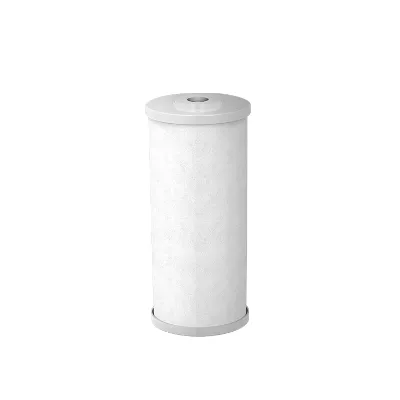
Verification of physical dimensions and connection types is the first step in ensuring compatibility with existing filtration systems. Standard lengths observed in the market include 10-inch, 20-inch, and 30-inch configurations, with end cap outer diameters ranging from 65mm to 115mm and inner diameters around 28mm to 30mm. Buyers must confirm that the cartridge’s end cap geometry matches their housing to prevent leaks or improper seating. Furthermore, the removal rating, often specified as 5um or 10um, indicates the particle size the filter can capture, which is crucial for protecting downstream components from sediment damage.
Operational parameters such as temperature range and pressure tolerance are equally critical for long-term performance. The applicable temperature range for many observed units is between 5-40℃, which aligns with typical household water conditions but may require specialized materials for industrial or high-temperature applications. The motive force is generally pressure-driven, meaning the system relies on water pressure to push water through the filter media. Buyers should also verify the pipe design rate, with some products offering self-cleaning features to extend service life. Confirming these technical details prevents operational failures and ensures the filter performs as expected under real-world conditions.
Compliance and Safety Documentation
Certification status is a key indicator of product quality and regulatory compliance, particularly for products intended for drinking water applications. Observed certifications include CE, ROHS, NSF, and EMC, which signify adherence to European safety standards, restriction of hazardous substances, and electromagnetic compatibility. For water treatment products, NSF certification is often the gold standard, indicating that the filter has been tested for material safety and contaminant reduction claims. Buyers should request valid certification documents and verify their authenticity with the issuing body to ensure the product meets local regulatory requirements.
Management certifications such as ISO further demonstrate a supplier’s commitment to quality control and consistent manufacturing processes. These certifications indicate that the supplier has implemented standardized procedures for production, inspection, and documentation, reducing the risk of batch-to-batch variability. Additionally, products may carry CB or RoHS certifications, which are relevant for electronic components or materials safety. Procurement teams should prioritize suppliers who provide comprehensive documentation, including material safety data sheets (MSDS) and test reports, to ensure the filter media does not leach harmful substances into the treated water.
Cost Drivers and Commercial Terms
Pricing in the filtration market varies widely, with observed ranges from $0.1 to $3000 USD, reflecting differences in material quality, brand reputation, and order volume. The minimum order quantity (MOQ) typically ranges from 1 to 5000 units, offering flexibility for both small-scale buyers and large industrial purchasers. Buyers should negotiate pricing based on volume tiers, as larger orders often qualify for significant discounts. Additionally, the cost is influenced by the complexity of the filter media, with activated carbon and specialized ion-exchange resins commanding higher prices than standard polypropylene filters.
Delivery time and packaging are other critical commercial factors. Observed delivery times are generally 7-10 days, which is relatively fast for manufactured goods, but buyers should confirm lead times for custom orders or large volumes. Packaging options include standard export packing, carton boxes, and shrink wrap, which protect the cartridges during transit. Buyers should specify packaging requirements to prevent damage, especially for fragile components or products with sensitive media. Small orders are often accepted, making it easier for buyers to test new suppliers or fulfill urgent needs without committing to large inventory levels.
Supplier Qualification and Quality Control
Supplier location and production capacity are important indicators of reliability and scalability. Observed production locations include Henan and Hangzhou in China, regions known for their manufacturing infrastructure and supply chain efficiency. Buyers should verify the supplier’s production capacity and quality control processes to ensure they can meet demand consistently. Suppliers with established quality management systems, such as ISO certification, are more likely to deliver products that meet specified standards. Additionally, buyers should assess the supplier’s ability to provide customization, as many listings indicate that customization is available for specific requirements.
Quality control measures should include incoming material inspection, in-process monitoring, and final product testing. Buyers should request samples to evaluate the physical quality of the cartridges, including the integrity of the end caps, the uniformity of the media, and the accuracy of the dimensions. It is also advisable to conduct independent testing to verify the filter’s performance, such as its chlorine removal efficiency and flow rate. Suppliers who are transparent about their quality control processes and willing to accommodate third-party inspections are generally more reliable partners for long-term procurement.
Long-Term Procurement Checks
Establishing a long-term relationship with a supplier requires ongoing monitoring of product performance and supplier responsiveness. Buyers should track key performance indicators such as filter lifespan, replacement frequency, and customer feedback to assess the effectiveness of the purchased cartridges. Regular audits of the supplier’s quality control processes can help identify potential issues before they impact production or sales. Additionally, buyers should maintain open communication with the supplier to address any changes in product specifications or regulatory requirements promptly.
Market trends and technological advancements in water filtration should also be monitored to ensure that the procured products remain competitive. Suppliers who invest in research and development are more likely to offer innovative solutions that address emerging contaminants or improve efficiency. Buyers should encourage suppliers to provide updates on new products or improvements to existing lines. By staying informed and proactive, procurement teams can ensure that their water treatment systems continue to meet the highest standards of safety and performance over time.
FAQs
How long is the delivery time for these filter cartridges?
The delivery time is typically 7 to 10 days from the order date. This timeframe applies to standard orders shipped from production facilities in Henan or Hangzhou, China, using standard export packing methods.
What certifications do the water purification products hold?
The products hold CE, ROHS, NSF, EMC, and ISO management certifications. These standards ensure compliance with international safety and quality requirements for household and commercial water treatment applications.
Can I customize the filter cartridge specifications for my needs?
Yes, customization is available for various product models and specifications. Buyers can request specific dimensions like 10-inch or 20-inch lengths and choose from materials such as activated carbon or PP based on their filtration requirements.
What is the minimum order quantity for these cartridges?
The minimum order quantity ranges from 1 to 5000 units depending on the supplier and product type. Small orders are accepted, allowing buyers to test the market or fulfill immediate household pre-filtration needs without large commitments.
Which materials are used to construct these water filters?
Common materials include activated carbon, ABS plastic, PP, and PC. These materials are selected for their durability and effectiveness in removing water contaminants while ensuring the filter cartridges function correctly in various water treatment scenarios.
Where are these filter cartridges manufactured and shipped from?
The products are manufactured in China, specifically in Henan and Hangzhou regions. Shipments are dispatched from major ports including Qingdao, Ningbo, and Shanghai to ensure efficient logistics for international buyers.