Source Manual Adventure Water Filter Bag for Hiking, Camping, and Travel
Explore 30 options for the Manual Adventure Water Filter Bag designed for outdoor enthusiasts. Compare portable TPU models with capacities up to 150L, featuring NSF certification and OEM branding. Ideal for hiking, camping, and travel, these units offer reliable water purification for various adventures.
Key considerations
Products List
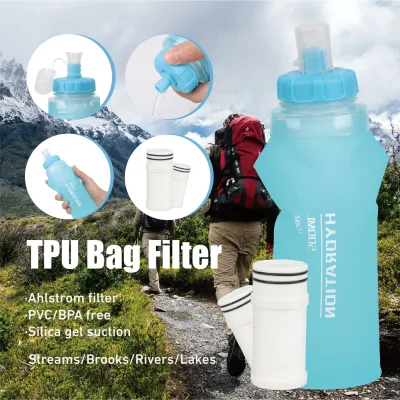
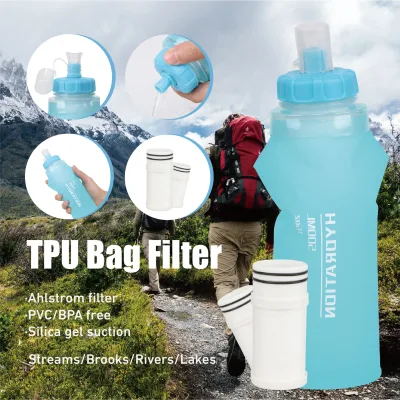
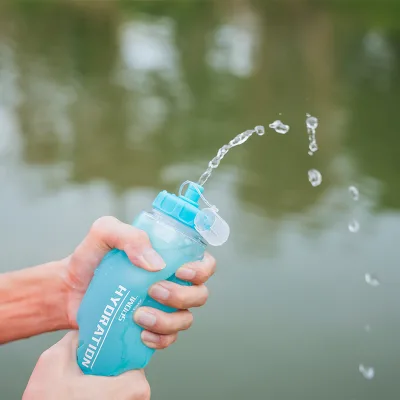
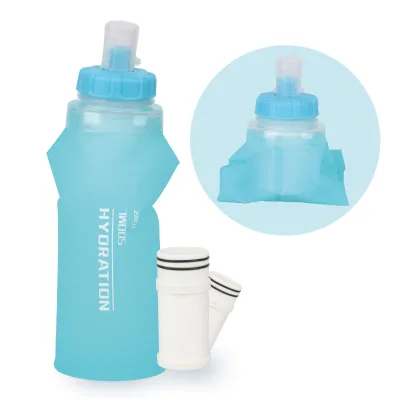
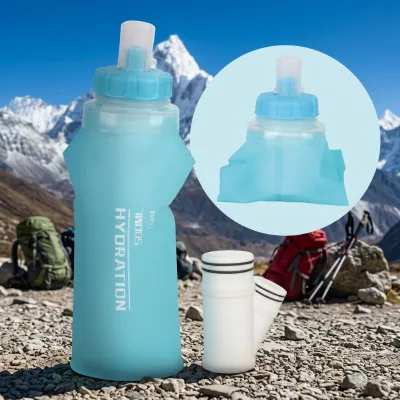
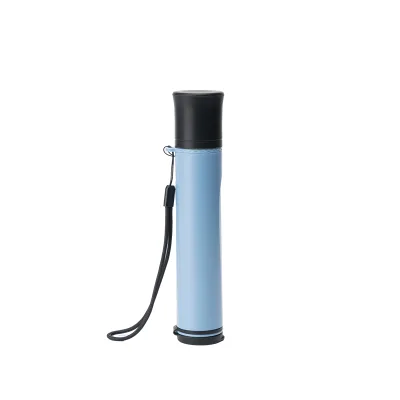
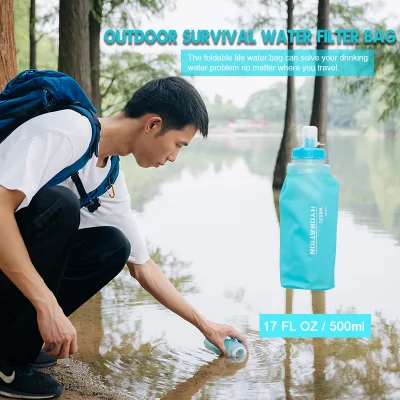
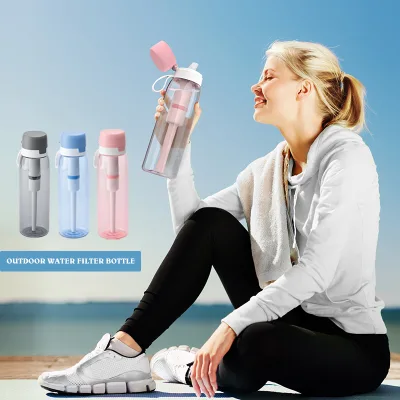
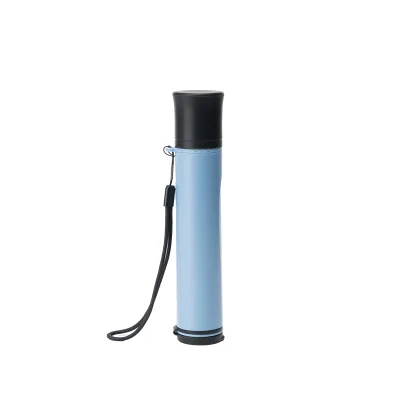


Foldable Backpacking Hiking Emergency Compatible Filter Straw Flex Outdoor Water Bag
$0.50 - $1.30
MOQ: 770 Pieces

Large Capacity Shower Portable Camping Traveling Fishing Hiking Outdoor Water Bag
$0.42 - $1.60
MOQ: 625 Pieces

Portable Camping Shower Screw Lid Pressurebeach Camping Hiking Outdoor Water Bag
$1.30 - $2.90
MOQ: 345 Pieces


Portable Removable Hose Switchable Head Camping Beach Swimming Traveling Outdoor Water Bag
$0.50 - $1.40
MOQ: 715 Pieces

Portable Removable Hose Solid Travel Hiking Beach Camping Must-Have Outdoor Water Bag
$1.30 - $2.70
MOQ: 370 Pieces


Advanced Outdoor Water Filter Kit for Adventure Seekers
$120.00 - $200.00
MOQ: 12 Pieces
Ningbo Chunchen Environmental Protection Technology Co., Ltd.

Premium Portable Water Filtration System for Business Travel
$120.00 - $200.00
MOQ: 12 Pieces
Ningbo Chunchen Environmental Protection Technology Co., Ltd.
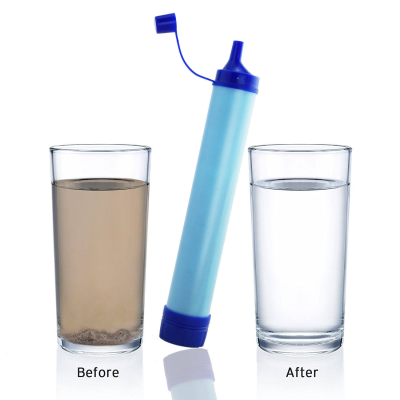
Comprehensive Sourcing Guide
Manual Adventure Water Filter Bag Sourcing Guide
Procurement teams must first distinguish between general filtration bags and specialized manual units designed for high-mobility scenarios. The observed market data indicates a strong focus on portable, foldable designs suitable for hiking, camping, and rock climbing, where weight and volume are critical constraints. Buyers should verify that the selected unit explicitly supports manual power sources, as electric or app-controlled variants are absent from the current listings and unsuitable for remote survival situations.
When evaluating product scope, attention must be paid to the specific material composition and capacity limits that define the unit's utility. The available inventory features TPU construction, which offers durability against abrasion while maintaining flexibility for backpack integration. Sourcing decisions should prioritize models with capacities ranging from under one liter to 150 liters, ensuring the selection matches the specific duration and group size of the intended outdoor expedition.
Product Scope and Observed Listing Signals
Buyers analyzing the current market must recognize that product listings often vary significantly in their stated dimensions and weight profiles. While some units are compacted to roughly 7.5 by 6.5 by 14.5 centimeters and weigh 60 grams, others present larger footprints of 12 by 8 by 6 centimeters with a weight of 100 grams. This variance suggests that procurement strategies must account for specific packaging requirements and the physical space available in a user's gear, rather than assuming a uniform form factor across all suppliers.
The functional scope of these manual bags extends beyond simple filtration to include comprehensive water purification capabilities for diverse environments. Listings confirm applications spanning swimming, diving, fishing, and general travel, indicating that the technology is versatile enough for both recreational and survival contexts. However, buyers must carefully cross-reference the stated "Best for" attributes with their specific operational needs, as some models are explicitly optimized for outdoor survival while others target general sporting activities.
Technical Specifications to Verify
Technical due diligence requires a rigorous check of the filtration mechanism and its ability to remove biological contaminants. The supplied data highlights a specific function of removing bacteria, which is a critical safety parameter for any water purification device intended for human consumption. Procurement teams must demand detailed technical sheets that explain the pore size and filtration media used to achieve this bacterial removal, ensuring the mechanism aligns with the manual operation method described in the product attributes.
Capacity and physical integration are equally vital technical parameters that dictate the practical utility of the filter bag in the field. The observed range includes units with a 150-liter capacity alongside those rated for less than one liter, creating a stark contrast in usage scenarios. Buyers must verify the specific model number, such as K1 or B10, to confirm whether the unit is designed as a standalone backpack, a foldable pouch, or a hybrid system that integrates seamlessly with existing hydration packs.
Compliance and Safety Documentation
Safety assurance in the water filtration sector relies heavily on third-party validation of the purification claims made by manufacturers. The presence of NSF certification in the current listings provides a tangible benchmark for verifying that the product meets established safety standards for drinking water quality. Procurement teams should treat this certification as a minimum requirement, requesting valid certificates that correspond to the specific model being purchased to ensure the filtration process has been independently tested and verified.
Beyond certification, the documentation must clearly outline the operational limits and maintenance requirements of the manual filter system. Since the power source is manual and the unit contains no electrical components, the safety profile is largely dependent on the integrity of the filtration media and the structural durability of the TPU material. Buyers should verify that the supplier provides clear instructions on how to maintain the filter to prevent bacterial regrowth, ensuring that the "Removes Bacteria" claim remains valid throughout the product's lifecycle.
Cost Drivers and Commercial Terms
Pricing in this category is influenced by the complexity of the filtration technology and the specific material costs associated with TPU manufacturing. The observed price range spans from 0.33 to 302 USD, a disparity that likely reflects differences in capacity, certification status, and the inclusion of additional accessories like carrying cases or replacement filters. Buyers must analyze the unit price in the context of the total order volume, as the minimum order quantity can vary significantly between 20 pieces and 5000 pieces, affecting the per-unit cost structure.
Commercial terms regarding customization and branding play a significant role in the final cost and lead time of the procurement. Many suppliers offer OEM services and accept customized logos, which can add value for brands looking to white-label these products for their specific market. However, these customization options often require higher minimum order quantities and may extend the production lead time, necessitating a careful balance between branding needs and inventory budget constraints.
Supplier Qualification and Quality Control
Supplier qualification should begin with a verification of their manufacturing location and their capacity to deliver consistent quality across large batches. The majority of the observed listings originate from Guangdong, China, a region known for its manufacturing infrastructure but requiring strict oversight to ensure product consistency. Buyers must assess the supplier's ability to maintain the specific weight and dimension tolerances observed in the product listings, as deviations can impact the usability of the filter in tight backpacking scenarios.
Quality control protocols must extend to the after-sales support and spare parts availability to ensure long-term reliability in the field. The data indicates that some suppliers provide free spare parts, a critical factor for maintaining the functionality of the filter bag during extended expeditions. Procurement teams should verify the specific terms of this service, including the lead time for replacements and the compatibility of spare parts with different model numbers to avoid operational downtime.
Long-Term Procurement Checks
Sustainable procurement requires a continuous evaluation of the product's performance against the evolving needs of outdoor enthusiasts and survivalists. As the market for manual adventure water filters expands, buyers must monitor whether the current TPU materials and filtration technologies remain competitive against emerging alternatives. Regular reviews of customer feedback and return rates will help identify any recurring issues with the filter's durability or the effectiveness of the bacterial removal process over time.
Finally, the procurement strategy must adapt to changes in supply chain dynamics and regulatory requirements for water safety equipment. The ability of suppliers to accept OEM services and customized logos suggests a flexible market, but buyers must remain vigilant regarding potential shifts in certification standards or material regulations. Establishing a long-term relationship with a qualified supplier ensures that the procurement team can quickly adapt to new model numbers or capacity requirements without compromising the safety and reliability of the water filtration solution.
FAQs
How does a Manual Adventure Water Filter Bag work for outdoor use?
It works by manual water flow through a TPU filter bag that purifies water without any power source, as the power source is manual. You fill the bag with raw water and let it filter for drinking during hiking, camping, fishing, or other outdoor activities. Since it requires no electricity or batteries, it suits remote environments and portable use.
What is the capacity of this Manual Adventure Water Filter Bag?
The listed capacity is 150 liters, which covers extended outdoor trips before the filter needs attention. Capacity depends on water turbidity and usage frequency, so heavily silted sources may reduce effective life. For camping, hiking, and travel, the 150-liter capacity supports one user over multi-day adventures with reasonable maintenance.
Which certifications should I look for when sourcing these filter bags?
NSF certification appears on the listed product, which signals verified water treatment performance and removes bacteria claims. When comparing candidates, request certification documentation directly and confirm it applies to the specific model. Buyers prioritizing regulated markets should treat documented certification as a key selection criterion during sourcing.
Can I order customized logos and packaging for these filter bags?
Yes, OEM service is accepted, including customized logos on the product. Packaging options include a gift box or color box, with blue as the listed color. Minimum order quantity is 20 pieces, making small custom runs practical. Confirm logo file requirements, placement, and packaging artwork with the supplier before production.
What are the packaging and shipping dimensions of the filter bag?
Listed single package sizes are 7.5 x 6.5 x 14.5 cm and 12 x 8 x 6 cm, with single gross weight around 0.1 kg. The product itself weighs 60g to 100g depending on the model, making it lightweight for backpacks. Compact packaging supports low shipping cost and easy retail display in gift or color boxes.
How many pieces can I order for a trial purchase?
The listed minimum order quantity is 20 pieces, which allows low-risk trial orders and market testing. Selling units are single items, so small wholesale quantities are practical for first-time buyers. After evaluating samples or trial batches, you can scale order volumes based on demand for hiking, camping, and other outdoor applications.