Source Hyaluronic Acid Moisturizing Facial Serum for Face, Neck, and Eye Care
Find 30 verified Hyaluronic Acid Moisturizing Facial Serum options from Guangzhou suppliers. Compare OEM/ODM services, certifications like CE and FDA, and bulk pricing for face, neck, and eye applications; compare the available evidence and request quotations based on your requirements.
Key considerations
Products List


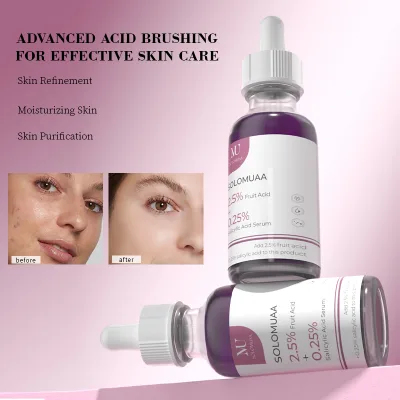
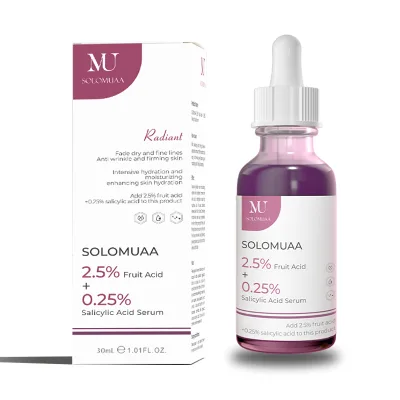


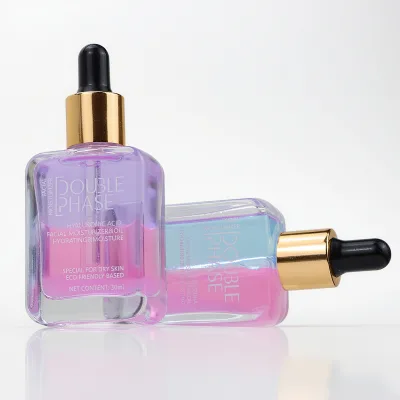


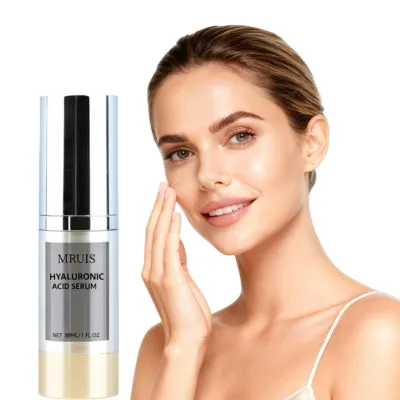


Comprehensive Sourcing Guide
Hyaluronic Acid Moisturizing Facial Serum Sourcing Guide
Sourcing Hyaluronic Acid Moisturizing Facial Serum requires a disciplined approach to balancing efficacy, safety, and commercial viability. Buyers must navigate a market where ingredients like collagen, vitamins, and plant extracts are frequently combined with hyaluronic acid to deliver multi-functional benefits. The primary value proposition centers on deep moisturizing, anti-aging, and skin revitalization, addressing concerns such as wrinkles, dark circles, and pigmentation. Understanding these core features is essential for aligning product specifications with target market demands, ensuring that the final formulation meets consumer expectations for both immediate hydration and long-term skin health improvements.
Procurement decisions should also account for the diverse application areas and customization options available in the supply chain. Products are often designed for use on the face, eyes, neck, and hands, with formulations suitable for both day and night routines. The availability of OEM and ODM services allows brands to tailor packaging, scent, and specific ingredient concentrations to their unique identity. Buyers need to evaluate how these customization capabilities impact production timelines and minimum order quantities, ensuring that the flexibility offered by suppliers does not compromise the consistency or quality of the final cosmetic product delivered to end-users.
Product Scope and Observed Listing Signals
The observed market signals indicate a wide range of product models and packaging formats, reflecting the versatility of hyaluronic acid serums in the global cosmetic industry. Listings frequently highlight specific models such as VC, HAS, and FC, which may denote different formulations or concentration levels tailored to specific skin concerns. Packaging sizes vary from small trial sizes to bulk options, with standard volumes like 5ml, 10ml, 15ml, 30ml, and 50ml being common. This variety allows buyers to select products that fit their distribution strategy, whether focusing on premium single-use units or cost-effective larger containers for retail shelves.
Color and physical attributes also play a role in product differentiation, with transparent formulations being a prevalent choice for hyaluronic acid-based serums. The gross weight of individual units is typically low, around 0.045kg, which influences shipping logistics and cost calculations for international buyers. Additionally, the presence of features like blackhead removal, firming, and whitening suggests that many products are positioned as comprehensive skincare solutions rather than single-purpose treatments. Buyers should verify these claims against actual ingredient lists to ensure that the observed features align with the stated main ingredients, such as plant extracts, vitamins, or collagen, to avoid misalignment between marketing and product reality.
Technical Specifications to Verify
Verifying technical specifications is critical to ensuring that the hyaluronic acid serum meets the desired performance standards. Buyers must confirm the exact concentration of hyaluronic acid and other active ingredients, as these directly impact the serum’s moisturizing and anti-aging efficacy. The product model, whether labeled as HAS, VC, or another identifier, should correspond to a clear formulation sheet that details the ratio of hyaluronic acid to supporting ingredients like collagen or vitamins. This verification process helps prevent discrepancies between the ordered product and the received goods, ensuring that the serum delivers the promised deep hydrating and skin revitalizing effects.
Packaging specifications and material compatibility are equally important technical considerations. The choice between private customized packaging, bulk cartons, or standard retail boxes affects both product protection and brand presentation. Buyers should verify that the packaging materials are suitable for hyaluronic acid formulations, which can be sensitive to light and air exposure. Additionally, the carton packing quantity, such as 360 pieces per carton, impacts storage and handling efficiency. Ensuring that the packaging design maintains the integrity of the serum, particularly for transparent formulations, is essential for preserving product quality throughout the supply chain and until it reaches the end consumer.
Compliance and Safety Documentation
Compliance with international safety and quality standards is non-negotiable for hyaluronic acid moisturizing facial serums. Buyers must ensure that suppliers provide comprehensive documentation, including FDA, CE, ISO, and SGS certifications, which attest to the product’s safety and manufacturing quality. These certifications are crucial for market access in various regions, particularly in North America and Europe, where regulatory scrutiny is high. Verifying the validity of these certificates and ensuring they cover the specific product model and formulation is essential to avoid legal liabilities and ensure that the serum meets all local regulatory requirements for cosmetic products.
In addition to general certifications, specific safety data sheets and test reports are vital for assessing the product’s safety profile. Documents such as MSDS (Material Safety Data Sheet) provide detailed information on the chemical composition and handling requirements, while test reports offer evidence of product stability and efficacy. Buyers should request these documents to verify that the serum is free from harmful contaminants and that the claimed benefits, such as anti-puffiness or dark circle reduction, are supported by scientific testing. This due diligence helps mitigate risks associated with product recalls or consumer complaints, ensuring that the sourced serum is both safe and effective for its intended use.
Cost Drivers and Commercial Terms
Understanding the cost drivers and commercial terms is essential for effective budgeting and negotiation in hyaluronic acid serum procurement. The price range observed in the market, typically between $0.85 and $100 per unit, reflects variations in ingredient quality, packaging complexity, and order volume. Buyers should analyze how factors such as the concentration of hyaluronic acid, the inclusion of premium ingredients like collagen or plant extracts, and the customization of packaging influence the final cost. Recognizing these variables allows for more accurate cost forecasting and helps in identifying suppliers who offer the best value for money without compromising on quality.
Minimum order quantities (MOQ) and delivery times are also significant commercial considerations. MOQs can range from small batches of 1 unit to large volumes of 3000 units, impacting inventory management and cash flow. Suppliers offering flexible MOQs may be advantageous for startups or brands testing new products, while larger MOQs might offer better unit pricing for established brands. Additionally, delivery times, often cited as 1-3 days for production, should be clarified to include shipping and customs clearance, ensuring that the total lead time aligns with the buyer’s supply chain requirements. Negotiating clear terms on these aspects helps in maintaining a smooth and predictable procurement process.
Supplier Qualification and Quality Control
Supplier qualification is a critical step in ensuring the reliability and consistency of Hyaluronic Acid Moisturizing Facial Serum supplies. Buyers should assess suppliers based on their manufacturing capabilities, quality control processes, and track record in the cosmetic industry. Factories with OEM/ODM services often have the flexibility to meet specific brand requirements, but this must be balanced with rigorous quality assurance protocols. Verifying the supplier’s adherence to standards such as ISO9001:2008 and their ability to produce consistent batches is essential for maintaining product quality and brand reputation.
Quality control measures should extend beyond initial supplier audits to include ongoing monitoring of production batches. Buyers should implement incoming quality checks to verify that the received serums match the agreed-upon specifications in terms of ingredient concentration, packaging integrity, and labeling accuracy. Establishing clear communication channels with suppliers for addressing any quality issues promptly is also vital. By maintaining a proactive approach to quality control, buyers can minimize the risk of receiving defective products and ensure that the hyaluronic acid serum meets the high standards expected by consumers in the competitive skincare market.
Long-Term Procurement Checks
Long-term procurement success depends on continuous evaluation of supplier performance and market trends. Buyers should regularly review supplier reliability, including their ability to meet delivery deadlines, maintain consistent quality, and respond to changes in demand. Building strong relationships with suppliers who demonstrate transparency and commitment to quality can lead to better pricing, priority production, and collaborative innovation. Additionally, staying informed about emerging trends in hyaluronic acid formulations, such as new delivery technologies or combined active ingredients, allows buyers to stay competitive and meet evolving consumer preferences.
Regular audits and feedback loops are essential for maintaining high standards in the supply chain. Buyers should conduct periodic reviews of supplier processes, including quality control and compliance documentation, to ensure ongoing adherence to regulatory requirements. Soliciting feedback from end-users and monitoring market reactions to the product can provide valuable insights for future procurement decisions. By integrating these long-term checks into their procurement strategy, buyers can ensure that their Hyaluronic Acid Moisturizing Facial Serum offerings remain relevant, safe, and effective, sustaining brand loyalty and market share in the dynamic cosmetic industry.
FAQs
What certifications are available for Hyaluronic Acid Moisturizing Facial Serum?
The product holds CE, FDA, MSDS, ISO, and SGS certifications. These documents ensure compliance with international safety and quality standards. Buyers can request test reports and specific certificates to verify regulatory adherence for their target markets before placing orders.
Can I customize the packaging for Hyaluronic Acid Moisturizing Facial Serum?
Yes, OEM and ODM services are available with private customized packaging options. Manufacturers support various bottle sizes including 5ml, 10ml, 15ml, 30ml, and 50ml. This flexibility allows brands to create unique identities while maintaining consistent product quality and formulation.
What is the typical lead time for Hyaluronic Acid Moisturizing Facial Serum orders?
The standard delivery time is 1-3 days for ready stock items. For customized OEM orders, lead times may vary based on packaging requirements and volume. Buyers should confirm specific timelines with suppliers to ensure alignment with their launch schedules and inventory needs.
What are the main ingredients in Hyaluronic Acid Moisturizing Facial Serum?
Key ingredients include hyaluronic acid, vitamins, collagen, and plant extracts. These components work together to provide deep moisturizing, anti-aging, and skin revitalizing effects. The formulation targets multiple skin concerns such as wrinkles, dark circles, and loss of firmness for comprehensive care.
Where are Hyaluronic Acid Moisturizing Facial Serum products manufactured?
Products are primarily manufactured in Guangzhou, Guangdong, China. This region is a major hub for cosmetic production with established supply chains. Buyers can source directly from these factories to benefit from competitive pricing and efficient logistics for global distribution.
What is the minimum order quantity for Hyaluronic Acid Moisturizing Facial Serum?
MOQs range from 1 to 3000 pieces depending on the supplier and customization level. Standard items may have lower MOQs, while private labeling requires higher volumes. Buyers should negotiate terms based on their specific quantity requirements and packaging preferences to secure the best deal.