Find Collagen Moisturizing Lip Balm for Daily Care, Gifting, and Retail
Explore 30 Collagen Moisturizing Lip Balm options to compare specifications, certifications, and pricing. This guide helps buyers evaluate product attributes and supplier capabilities for their specific sourcing needs, ensuring you find the right fit for your business requirements; compare the available evidence and request quotations based on your requirements.
Key considerations
Products List


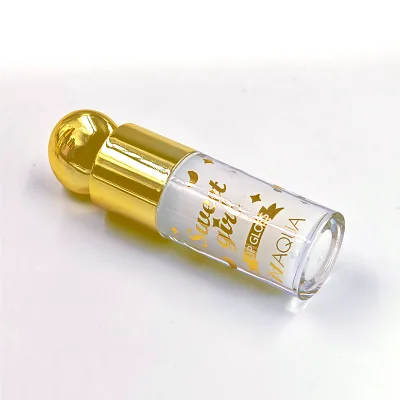
Moisturizing Lip Balm Perfect for on-The-Go Moisture and Makeup Prep Lip Balm
$0.32 - $0.44
MOQ: 12000 Pieces




Comprehensive Sourcing Guide
Collagen Moisturizing Lip Balm Sourcing Guide
Buyers seeking collagen-infused lip care must first distinguish between products explicitly listing collagen and those offering general moisturizing benefits through mineral or herbal bases. The observed catalog features diverse formulations ranging from mineral-based pencils to herbal sticks, with specific models labeled as moisturizing repair or hydrating balms. While the core keyword implies a specific active ingredient, the available data highlights a broader spectrum of lip care solutions where collagen may be a component of a custom formula rather than a universal standard. Procurement teams should verify if the specific "collagen" claim is supported by the supplier's custom formula service or if the product relies on alternative moisturizing agents like herbal extracts.
Commercial listings indicate a wide variance in product forms, including pencils, sticks, and generic balm types, often packaged in boxes or single units. The observed price range of 0.32 to 10.33 USD suggests significant differentiation based on packaging complexity, ingredient quality, and order volume. Buyers must align their budget with the specific product model, such as the 3g or 3.8g standard sizes, or the 10g variants that may offer different value propositions. Understanding these structural differences is essential before engaging suppliers, as the form factor directly influences the manufacturing process and the final retail presentation of the lip balm.
Product Scope and Observed Listing Signals
The market for lip balms in this dataset demonstrates a strong emphasis on customization, with many suppliers offering private labeling, custom designs, and even bespoke formula development. Products are frequently described with attributes like "Moisturizing," "Waterproof," and "Glowy," catering to specific consumer preferences for finish and function. The availability of multi-colored and single-color options, along with customizable scents like berry or other flavors, allows buyers to target niche demographics effectively. This flexibility is particularly valuable for brands looking to differentiate their offerings through unique visual and sensory experiences without developing proprietary technology from scratch.
Observations reveal that the primary usage is consistently for lip care, with specific mentions of "Lip Use" and "Lips" as the application area. The product forms vary from traditional pencils to sticks and standard balms, each serving different application methods and consumer habits. The presence of "Private Label: Yes" and "OEM/ODM: Accept Custom Designs" confirms that the supply chain is geared toward brand owners rather than generic retail. Buyers should note that while the keyword focuses on collagen, the actual product scope includes a wide array of moisturizing and repairing balms that may utilize different primary ingredients, requiring careful specification to ensure the desired collagen content is met.
Technical Specifications to Verify
When evaluating technical specifications, the weight and size of the product are critical parameters that vary significantly across the observed listings. Standard weights include 3g, 3.8g, and 10g options, while package dimensions can range from single units to larger boxes measuring 10x10x10 cm. Buyers must confirm the exact net weight and physical dimensions required for their packaging and shipping logistics, as these factors directly impact unit costs and shelf presentation. The distinction between "Regular Size" and "Customized" weight options suggests that suppliers can accommodate specific volume requirements, but this must be explicitly defined in the purchase order to avoid fulfillment errors.
Form and texture specifications are equally important, with products available as pencils, sticks, or general balms. The observed data includes attributes like "Lip Glowy Balm" and "Moisturizing Repair Lip Balm," indicating that the texture and finish are key differentiators. Buyers should verify the specific texture profile, such as whether the product is a solid stick or a softer balm, as this affects the application method and user experience. Additionally, the "Single Package Size" and "Size Type" fields indicate that packaging dimensions are standardized but can be customized, requiring precise communication to ensure the final product meets the intended design and functional requirements.
Compliance and Safety Documentation
Safety and compliance are paramount in the cosmetics industry, and the observed listings highlight a range of certifications including ISO, GMP, GMPC, MSDS, and FDA. These documents are essential for verifying that the manufacturing processes meet international quality and safety standards. Buyers should request current copies of these certifications to ensure the supplier maintains active compliance, particularly for markets with strict regulatory requirements like the United States or the European Union. The presence of multiple certifications suggests a robust quality management system, but verification of the specific scope and validity dates is necessary to mitigate regulatory risks.
Material safety data sheets (MSDS) are explicitly mentioned, providing critical information on the chemical composition and handling requirements of the lip balm ingredients. This documentation is vital for logistics and safety training, ensuring that the product can be transported and stored without hazards. Buyers must also confirm that the specific formulation, especially if it includes collagen or other active ingredients, is fully disclosed in the MSDS. The availability of these documents indicates a supplier's commitment to transparency and safety, but the buyer must ensure that the specific product batch aligns with the provided safety data before finalizing any procurement agreement.
Cost Drivers and Commercial Terms
Pricing in this sector is heavily influenced by order volume, with observed minimum order quantities (MOQ) ranging from as low as 1 unit to as high as 12,000 units. The wide price range of 0.32 to 10.33 USD reflects the impact of customization, packaging, and ingredient selection on the final cost. Buyers should anticipate that lower unit prices are typically associated with higher order volumes, while custom designs, private labeling, and specialized formulas may incur additional setup or per-unit costs. Understanding the tiered pricing structure is essential for budgeting and determining the optimal order quantity to balance cost efficiency with inventory management needs.
Payment terms and lead times are also significant commercial factors that affect the overall procurement strategy. The observed payment methods include T/T, Western Union, and Money Gram, offering flexibility but requiring careful financial planning. Lead times are noted as 7-10 days for standard orders, which is relatively fast but may extend for custom designs or large volume production runs. Buyers should clarify the exact lead time for their specific order, including any delays caused by custom packaging or formula development. Clear agreement on payment schedules and delivery timelines is crucial to maintain supply chain continuity and manage cash flow effectively.
Supplier Qualification and Quality Control
Supplier qualification should focus on verifying their experience and capacity for custom manufacturing, as many listings highlight "20 Years Experience" and "Custom Formula" services. This experience suggests a mature supply chain capable of handling complex requests, but buyers must validate this through site audits or detailed questionnaires regarding their production capabilities. The ability to offer services like design, packing, and shooting indicates a comprehensive service model, but the buyer must ensure that the supplier has the specific expertise required for collagen-based formulations or other specialized ingredients.
Quality control processes are implied through the presence of certifications like ISO and GMP, but buyers should establish specific quality assurance protocols for their orders. This includes defining acceptance criteria for color, texture, and scent, as well as establishing procedures for batch testing and inspection. The "Top Grade" material designation suggests a focus on quality, but the buyer must confirm that this grade applies to the specific collagen or herbal ingredients used in their product. Regular quality audits and clear communication channels are necessary to ensure that the final product consistently meets the agreed-upon standards and specifications.
Long-Term Procurement Checks
Sustaining a successful procurement relationship requires ongoing monitoring of supplier performance and product consistency over time. Buyers should establish key performance indicators (KPIs) related to delivery reliability, quality consistency, and responsiveness to issues. Regular reviews of the supplier's ability to meet lead times and maintain certification status are essential for long-term stability. The dynamic nature of the cosmetics market means that suppliers must adapt to changing regulations and consumer preferences, making continuous evaluation of their adaptability and innovation capabilities a critical part of the procurement strategy.
Inventory management and supply chain resilience are also key considerations for long-term success. Buyers should assess the supplier's capacity to scale production during peak demand periods and their ability to manage raw material shortages. The availability of custom services and private labeling suggests that the supplier can adapt to changing market needs, but the buyer must ensure that these capabilities remain robust over time. Establishing a strategic partnership with clear communication channels and mutual growth objectives will help mitigate risks and ensure a steady supply of high-quality collagen moisturizing lip balms for the brand.
FAQs
What certifications are available for Collagen Moisturizing Lip Balm?
Certifications such as ISO, GMP, GMPC, MSDS, and FDA are available for Collagen Moisturizing Lip Balm. These standards ensure product safety and quality compliance for international markets. Buyers can verify these credentials to meet regulatory requirements in their target regions, ensuring the lip balm meets global health and manufacturing standards.
Can I customize the formula and packaging for this lip balm?
Yes, customization is available for formula, design, and packaging. Suppliers offer private labeling and custom designs to meet specific brand needs. This service allows buyers to create unique products with tailored ingredients and aesthetics, ensuring the final output aligns perfectly with their brand identity and market positioning strategies.
What is the typical lead time for Collagen Moisturizing Lip Balm orders?
The typical lead time for Collagen Moisturizing Lip Balm orders is 7-10 days. This timeframe allows for efficient production and quality control processes. Buyers should plan their inventory accordingly to ensure timely delivery, considering that expedited options may vary based on order volume and specific customization requirements requested by the client.
What is the minimum order quantity for private label lip balm?
The minimum order quantity for private label lip balm is generally 1000 units or more. This MOQ supports efficient manufacturing runs while allowing for brand-specific customization. Buyers should consider this threshold when planning their initial orders to ensure cost-effectiveness and alignment with supplier production capabilities for private label services.
What ingredients are used in the moisturizing lip balm?
The moisturizing lip balm uses mineral and herbal ingredients to provide hydration and care. These natural components help maintain lip health and comfort. Buyers can choose from various formulations, including cherry or berry scents, to suit their target audience preferences while ensuring the product delivers effective moisturizing benefits for daily use.
Where is the Collagen Moisturizing Lip Balm manufactured?
The Collagen Moisturizing Lip Balm is manufactured in Guangdong, China. This region is known for its robust manufacturing infrastructure and expertise in cosmetics production. Buyers can leverage this location for reliable supply chain management, ensuring consistent quality and timely delivery of products that meet international standards and customer expectations.