Source Hydraulic Automatic Draw Bench for Wire, Metal, and Workshop
Find and compare 30 Hydraulic Automatic Draw Bench options for wire drawing, metal processing, and workshop applications. Evaluate specifications such as drawing force, speed, and power to select the right equipment for your industrial needs.
Key considerations
Products List


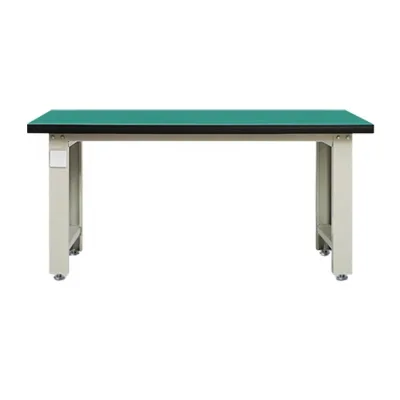


$35.00 - $45.00
MOQ: 500 Square Meters

$35.00 - $45.00
MOQ: 500 Square Meters

$35.00 - $45.00
MOQ: 500 Square Meters


$35.00 - $45.00
MOQ: 500 Square Meters


Work Bench Work Station with Rolling Tool Box Automatic Rolling Benches Single Tier Rolling Bench
$15.00 - $33.00
MOQ: 120 Square Meters

Work Bench Work Station with Rolling Tool Box Double Layer Rolling Bench Ebb Flow Rolling Bench
$15.00 - $33.00
MOQ: 120 Square Meters

Ebb and Flow Bench Systems Rolling Benches Rolling Bench Ebb and Flow Rolling Table Rolling Benches
$15.00 - $33.00
MOQ: 120 Square Meters


Comprehensive Sourcing Guide
Hydraulic Automatic Draw Bench Sourcing Guide
Sourcing a Hydraulic Automatic Draw Bench requires a careful balance between mechanical precision, hydraulic reliability, and operational safety. These machines are engineered to pull metal wire or rod through a series of dies to reduce diameter and increase length, a process critical in manufacturing sectors ranging from construction to automotive components. The "automatic" designation implies a system that manages the drawing cycle with minimal manual intervention, often utilizing pneumatic or hydraulic clamping and reciprocating mechanisms to maintain consistent tension and speed. Buyers must recognize that while the core function is standardized, the specific configuration—such as straight-line versus continuous drawing, or the number of passes—varies significantly based on the target wire gauge and material hardness.
The procurement landscape for these machines is diverse, with suppliers offering everything from basic manual-assist units to fully automated lines. Observed market signals indicate a wide range in pricing and minimum order quantities, suggesting that buyers can find solutions for both small-scale workshops and large industrial facilities. However, this diversity also introduces complexity in verification. A machine advertised as "automatic" may rely on different control systems, from simple pneumatic triggers to complex PLC-based automation. Therefore, the sourcing process must focus on verifying the actual level of automation, the robustness of the hydraulic power unit, and the compatibility of the drawing blocks with the intended wire specifications.
Product Scope and Observed Listing Signals
The current market listings reveal a broad spectrum of capabilities, with observed prices ranging from $1 to $180,000 USD and minimum order quantities (MOQs) as low as one unit. This wide variance suggests that the term "Hydraulic Automatic Draw Bench" encompasses distinct categories of equipment, from lightweight, single-station units suitable for prototype work to heavy-duty, multi-pass industrial machines. Buyers should interpret these price points as indicators of scale and complexity rather than direct comparisons of identical specifications. A lower-priced unit may offer basic functionality with manual loading, while higher-priced models likely include advanced features such as automatic die changing, real-time tension monitoring, and integrated cooling systems.
Observed product attributes highlight specific technical configurations that buyers must align with their production needs. For instance, some listings specify a drawing force of 20 tons with a speed range of 0-15 meters per minute, indicating a machine designed for moderate throughput and high tensile strength materials. Other entries mention effective lengths of 6 meters and block diameters of 560mm, which are critical for determining the maximum wire diameter and the number of drawing passes possible. Additionally, the presence of "customized" standards and OEM/ODM support suggests that many manufacturers are willing to tailor the machine to specific wire gauges, such as inlet diameters up to 8mm and outlet diameters between 0.5-4.5mm. Buyers must carefully cross-reference these observed signals with their own technical requirements to avoid purchasing a machine that is either underpowered or overly complex for their application.
Technical Specifications to Verify
When evaluating technical specifications, the drawing force and speed are paramount. A machine with a 20-ton drawing force is suitable for medium-gauge steel or copper wires, but buyers must verify if this force is consistent across the entire stroke or if it diminishes at higher speeds. The observed speed range of 0-15m/min provides a baseline for throughput, but it is essential to confirm whether this speed is achievable with the maximum load or only with lighter gauges. Additionally, the power rating of 75kw indicates a substantial energy requirement, which must be factored into the facility’s electrical infrastructure planning. Buyers should also inquire about the type of hydraulic pump and motor efficiency, as these directly impact operational costs and heat generation during prolonged use.
The mechanical design and material composition of the draw bench also require close scrutiny. Listings indicate the use of steel iron and stainless steel frames, which contribute to the machine’s rigidity and resistance to vibration during high-tension drawing operations. The "LZ Straight-Line Metal Drawing Machine" type suggests a linear motion system, which is generally more stable for high-precision work compared to rotary systems. Buyers must verify the accuracy grade and the type of display, as some units may feature needle gauges that require manual interpretation, while others might offer digital readouts for better precision. Furthermore, the weight of the machine, observed to be under 100kg for some models, may indicate a portable or benchtop unit, whereas heavier industrial models will require a reinforced foundation. It is crucial to confirm the driven mechanism, whether pneumatic or hydraulic, and how it interacts with the reciprocating pump theory to ensure smooth and reliable operation.
Compliance and Safety Documentation
Safety is a critical concern when operating high-tension drawing machines, and buyers must ensure that the equipment complies with relevant industrial safety standards. While specific certification statuses like CE or ISO 9001:2008 are mentioned in background data, buyers should not assume compliance without verifying the current validity and scope of these certifications for the specific model being purchased. The machine should be equipped with emergency stop mechanisms, protective guards around the drawing blocks, and interlocks that prevent operation when safety covers are open. Buyers should request detailed safety manuals and verify that the hydraulic system includes pressure relief valves to prevent over-pressurization, which could lead to catastrophic failure.
Documentation should also include comprehensive operational and maintenance guides that detail the proper procedures for loading wire, adjusting die positions, and performing routine maintenance. Given that the machine may involve pneumatic and hydraulic components, buyers must ensure that the supplier provides clear instructions on lubrication, seal replacement, and fluid management. It is advisable to verify that the electrical components meet local voltage and frequency requirements and are protected against dust and moisture, especially in workshop environments. Buyers should also inquire about the availability of spare parts, particularly for wear items such as seals, hoses, and drawing blocks, to minimize downtime and ensure long-term operational safety.
Cost Drivers and Commercial Terms
The cost of a Hydraulic Automatic Draw Bench is influenced by several factors, including the drawing force, automation level, and material quality. Machines with higher drawing forces and more advanced automation features, such as PLC controls and automatic die changers, will naturally command higher prices. The observed MOQ of 1 suggests that buyers can purchase single units, but volume discounts may be available for larger orders. Buyers should also consider the total cost of ownership, which includes energy consumption, maintenance, and potential downtime. A machine with a 75kw power rating will have significant electricity costs, so evaluating the efficiency of the hydraulic system is crucial for long-term budgeting.
Commercial terms such as warranty, packaging, and shipping should be clearly defined in the purchase agreement. The observed warranty of 3 years is a positive indicator of manufacturer confidence, but buyers should verify what components are covered and whether on-site service is included. Packaging details, ranging from bare container loading to wooden case packing, affect the risk of damage during transit and should be aligned with the shipping method. Buyers should also clarify the lead time for production and delivery, as well as the terms for payment and after-sales support. It is important to ensure that the supplier provides clear instructions for installation and commissioning, as improper setup can lead to performance issues and safety hazards.
Supplier Qualification and Quality Control
Selecting a reliable supplier is essential for ensuring the quality and longevity of the Hydraulic Automatic Draw Bench. Buyers should verify the supplier’s manufacturing capabilities, including their experience in producing drawing machines and their ability to customize designs to meet specific requirements. The observed customization options, such as OEM and ODM support, indicate that many suppliers are flexible, but buyers must ensure that the supplier has a robust quality control process in place. This includes testing the hydraulic system for leaks, verifying the accuracy of the drawing force, and checking the alignment of the drawing blocks.
Buyers should also assess the supplier’s after-sales service capabilities, including the availability of technical support, spare parts, and training. A supplier with a strong reputation for customer service is more likely to provide timely assistance in the event of a malfunction. It is advisable to request references from previous customers and to review any available case studies or testimonials. Additionally, buyers should verify the supplier’s location and logistics capabilities, as this can impact shipping costs and delivery times. Ensuring that the supplier is transparent about their manufacturing process and quality standards will help mitigate risks and ensure a successful procurement outcome.
Long-Term Procurement Checks
Long-term procurement success depends on establishing a strong relationship with the supplier and implementing a proactive maintenance strategy. Buyers should schedule regular inspections of the hydraulic system, pneumatic components, and electrical connections to identify potential issues before they lead to failures. Keeping a detailed log of maintenance activities, including part replacements and repairs, will help track the machine’s performance over time and inform future procurement decisions. Buyers should also stay informed about advancements in drawing technology, as newer models may offer improved efficiency, safety, and automation features.
It is also important to monitor the supplier’s product updates and support services. Suppliers may release new models or upgrade existing ones with improved components or software, which could enhance performance or reduce operating costs. Buyers should maintain open communication with the supplier to stay informed about these developments and to discuss any potential upgrades or modifications to their current equipment. By staying engaged with the supplier and prioritizing maintenance, buyers can maximize the lifespan and productivity of their Hydraulic Automatic Draw Bench, ensuring a strong return on investment.
FAQs
What is the maximum drawing force of the Hydraulic Automatic Draw Bench?
The maximum drawing force is 20 tons for the ZHAPPLB-20T model. This capacity allows the machine to process heavy-duty wire drawing tasks efficiently while maintaining stability during operation.
Can the Hydraulic Automatic Draw Bench be customized for specific needs?
Yes, customization is available for this equipment. Buyers can request specific standards and configurations to match their unique production requirements without compromising the core functionality of the machine.
What is the effective length of the Hydraulic Automatic Draw Bench?
The effective length of the machine is 6 meters. This dimension ensures sufficient space for the wire drawing process and accommodates various workpiece lengths within the specified operational range.
How fast can the Hydraulic Automatic Draw Bench operate?
The drawing speed ranges from 0 to 15 meters per minute. This adjustable speed allows operators to optimize the process based on the material type and desired output quality.
What is the power consumption of the Hydraulic Automatic Draw Bench?
The power rating is 75 kilowatts. This energy requirement supports the high-performance operation of the machine while ensuring consistent power delivery for continuous industrial wire drawing applications.
Where is the Hydraulic Automatic Draw Bench manufactured?
The product originates from China, with specific manufacturing locations including Shandong and Jinan. These regions are known for producing industrial machinery that meets international quality standards.
What is the minimum order quantity for the Hydraulic Automatic Draw Bench?
The minimum order quantity is 1 unit. This low threshold allows buyers to purchase single units for testing or small-scale production needs without requiring bulk commitments.
How is the Hydraulic Automatic Draw Bench packaged for shipping?
Packaging options include bare loaded in containers, plastic film, or wooden case packing. The specific method depends on the model and shipping requirements to ensure safe transport.