Source Hydraulic Elevator Oil Buffer for Office, Public, and Industrial Use
Find 30 Hydraulic Elevator Oil Buffer options from verified Chinese suppliers. Buyers can compare specifications, prices, and customization features for office buildings, public traffic areas, and industrial applications.
Key considerations
Products List


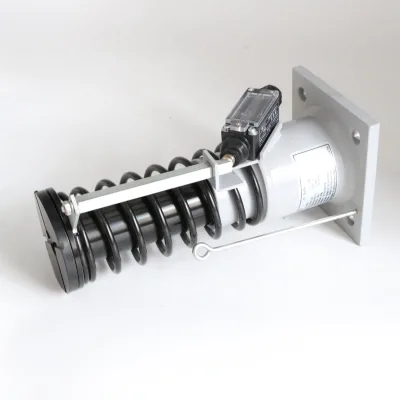
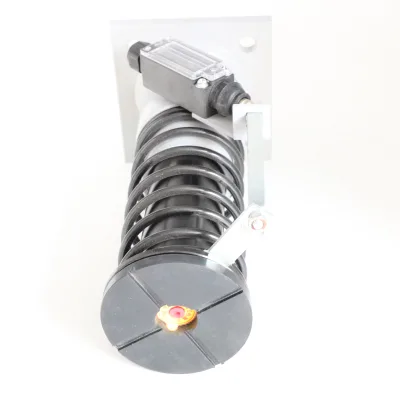
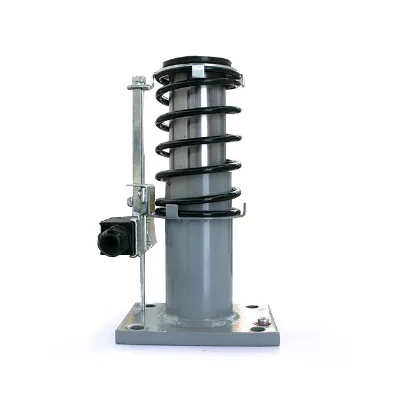
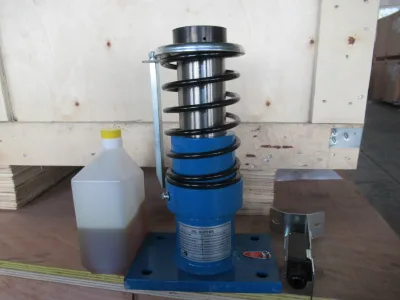
Elevator Safety Hydraulic Buffer - Durable Shock Absorber for Lift System
$45.74 - $101.64
MOQ: 2 pieces


Elevator Oil Buffer, Elevator Polyurethane Buffer, Elevator Hydraulic Buffer
$50.00 - $150.00
MOQ: 10 Bags


Safety Elevator Parts Hydraulic Buffer Oil Buffer for Passenger Elevator
$30.00 - $100.00
MOQ: 1 Pieces


Elevator Oil Buffer, Elevator Polyurethane Buffer, Elevator Hydraulic Buffer
$30.00 - $100.00
MOQ: 10 Pieces




Comprehensive Sourcing Guide
Strategic Sourcing Guide for Hydraulic Elevator Oil Buffers
Understanding the Core Component and Technical Specifications
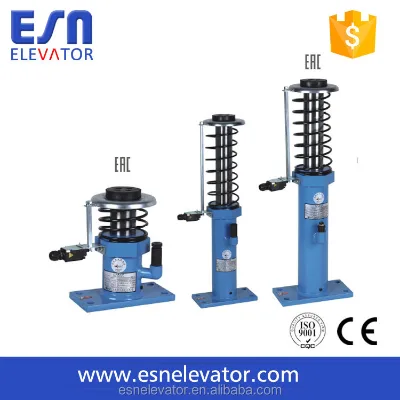
The Hydraulic Elevator Oil Buffer is a critical safety device designed to absorb the kinetic energy of an elevator car or counterweight in the event of an over-travel situation. Unlike mechanical buffers, which rely on spring compression, hydraulic buffers utilize a piston moving through a viscous fluid to provide a controlled deceleration, ensuring a smooth stop that minimizes shock to the structure and passengers. When sourcing these components, buyers must recognize that they are procuring a specialized safety system rather than a generic mechanical part. The primary function is to act as the final line of defense in the elevator's safety hierarchy, specifically categorized under the "Safety System" type within the broader elevator spare parts market.
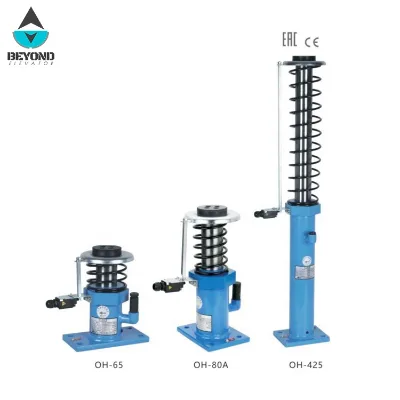
Technical specifications for these units vary significantly based on the elevator's design parameters. The observed market data indicates that these buffers are often compatible with hydraulic elevator systems, with a specific design style noted as "Hydraulic." The physical dimensions and model numbers are critical identifiers for compatibility. Available model numbers in the current supply chain include specific designations such as Oh-70, 220, 275, 65, 80A, 425, FHB80A, and NV. These alphanumeric codes typically correspond to the stroke length, piston diameter, or specific mounting requirements of the elevator shaft. For instance, the model FHB80A and the NV series represent distinct configurations that must be matched precisely to the existing elevator infrastructure.
The physical construction of these buffers is another vital consideration. The material composition is predominantly Stainless Steel, which offers superior corrosion resistance and durability compared to standard carbon steel alternatives. This material choice is essential for components that may be exposed to varying environmental conditions within the elevator pit. The color of the finished product is typically Gray, though this is a secondary aesthetic detail compared to the structural integrity provided by the stainless steel housing. The single package size for these units can vary, with observed dimensions ranging from compact 37x35x15 cm configurations to larger industrial packages measuring 300x300x120 cm, depending on the specific model and packaging density. The single gross weight also fluctuates, with observed values ranging from 5.8 kg for smaller units to 30.0 kg for heavier industrial variants. Understanding these physical attributes is the first step in ensuring the physical fitment of the buffer within the elevator pit.
Compliance, Certification, and Regulatory Standards
In the realm of elevator safety, compliance is not merely a suggestion but a legal and operational imperative. Buyers must verify that any hydraulic oil buffer they procure meets the rigorous standards required for public traffic and commercial applications. The observed market data highlights specific certifications and standards associated with these products. A primary certification noted in the supply chain is the GB standard, which refers to Chinese National Standards. This is a crucial baseline for products originating from China, the primary place of origin for the majority of these components, with specific manufacturing hubs identified in Shanghai and Jiangsu.
Beyond the GB standard, the presence of ISO9001 certification is a significant indicator of a manufacturer's commitment to quality management systems. This certification suggests that the production process adheres to international standards for consistency and quality control. However, buyers must exercise caution regarding other standards often cited in the broader industry, such as EN81 or EN81-20/50. While these European standards are widely recognized, the provided data does not explicitly confirm that every listed product satisfies these specific European norms. Therefore, the procurement strategy should involve a direct verification request to the supplier to confirm if the specific batch or model number carries the EN81 certification required for the buyer's local jurisdiction.
The safety rating of these buffers is generally described as "High," and the quality is marketed as "Top." These are qualitative attributes that should be substantiated by the aforementioned certifications and test reports. The application of these buffers is specifically designated for "Public Traffic" environments, which implies they must withstand higher usage frequencies and stricter safety scrutiny than residential or private lifts. The warranty periods observed in the market range from 12 months to 3 years, with some suppliers offering a "1 Year" warranty and others providing "1-3 years" based on specific conditions. This variance underscores the importance of clarifying the warranty terms in the purchase agreement, as it reflects the manufacturer's confidence in the product's longevity and reliability.
Cost Drivers and Pricing Structures
The pricing of hydraulic elevator oil buffers is influenced by a complex interplay of factors, including material costs, manufacturing complexity, certification status, and order volume. The observed price range in the market is exceptionally broad, spanning from $0.50 to $9,999.00 USD. This wide disparity is not indicative of a single product category but rather reflects the diversity of the market, which includes small-scale spare parts, custom-engineered solutions, and complete safety system assemblies. The lower end of the price spectrum likely corresponds to standard, off-the-shelf components with minimal customization, while the higher end may encompass specialized models, bulk orders with specific engineering requirements, or units with extended warranty and service packages.
Minimum Order Quantity (MOQ) is another significant cost driver. The data indicates an MOQ range of 1 to 100 pieces. For many buyers, particularly those performing maintenance on a single elevator, the ability to order a single unit is a critical factor. The market supports an MOQ of 1 piece, and some suppliers explicitly state that they support getting samples upon payment. This flexibility allows facility managers to procure a single buffer for immediate replacement without incurring the overhead of a large inventory. However, for larger projects or multi-building portfolios, negotiating a lower unit price through a higher MOQ can yield significant cost savings.
Payment terms also play a role in the total cost of ownership. The observed payment methods include T.T (Telegraphic Transfer), PayPal, Western Union, LC (Letter of Credit), DA (Documentary Acceptance), and DP (Documentary Payment). The flexibility in payment options can affect the financial risk and cash flow management for the buyer. For instance, T.T is a common and direct method, while LC and DA are often used for larger transactions to mitigate risk. Buyers should evaluate the payment terms in conjunction with the price to determine the most financially viable option for their specific procurement cycle. Additionally, the "Project Solution Capability" offered by some suppliers, such as graphic design and 3D model design, can add value but may also influence the final cost if these services are bundled with the hardware purchase.
Typical Applications and Operational Environments
Hydraulic elevator oil buffers are designed for a specific set of operational environments, primarily those involving hydraulic elevator systems. The "Type" of the product is explicitly listed as "Elevator spare parts" and "Safety System," confirming their specialized role. The "Use of Occasions" is categorized as "Public Traffic," which encompasses a wide range of commercial and public buildings. The "Application" field further specifies "Office Building," indicating that these buffers are commonly found in high-rise commercial structures where hydraulic elevators are utilized for vertical transportation.
The design style of these buffers is described as both "Modern" and "Industrial," reflecting their integration into contemporary building aesthetics while maintaining robust functionality. The "Design Style: Industrial" suggests that the components are built to withstand the rigors of heavy-duty use, while "Modern" implies that they are manufactured to meet current architectural and engineering standards. The "Suitable for: Elevator" attribute is broad, but the specific "Style: Hydraulic" narrows the application to hydraulic systems, which are distinct from traction elevators in their operating mechanics.
It is important to note that the "Application" extends beyond just office buildings. While the data highlights office buildings, the "Public Traffic" classification implies suitability for shopping malls, hospitals, hotels, and other public facilities. The "Project Solution Capability" offered by suppliers, including "Cross Categories Consolidation" and "Total solution for projects," suggests that these buffers can be part of a larger procurement strategy for elevator modernization or new construction projects. Buyers should consider the "After-sale Service" options, such as "Online Technical Support," "Onsite Inspection," and "Free Spare Parts," when selecting a buffer for a critical application. These services are particularly valuable in public traffic environments where downtime must be minimized.
Supplier Evaluation and Selection Criteria
Selecting the right supplier for hydraulic elevator oil buffers requires a rigorous evaluation process that goes beyond price comparison. The "Brand Name" is a key identifier, with "Zanfeng" and "NOVA" being observed brands in the market. While these names provide a reference point, buyers should not rely solely on brand recognition. Instead, they must evaluate the supplier's overall capability, including their "Project Solution Capability," which ranges from basic graphic design to comprehensive total solutions for projects. This capability indicates the supplier's ability to handle complex procurement needs, such as coordinating multiple parts or providing engineering support.
The "Place of Origin" is another critical factor. The data shows that products originate from "China Mainland," with specific locations in "Shanghai" and "Jiangsu." While China is a major manufacturing hub, buyers should verify the specific factory location and the supplier's reputation in that region. The "Transportation" methods offered, including DHL, TNT, FEDEX, and SEA (Sea Freight), indicate the supplier's logistical capabilities. For time-sensitive replacements, air freight options like DHL or TNT may be necessary, while for bulk orders, sea freight offers a more cost-effective solution.
The "After-sale Service" is a decisive factor in supplier selection. The observed services include "Online Technical Support," "Free Spare Parts," "Return and Replacement," and "Onsite Inspection." A supplier that offers "Onsite Inspection" demonstrates a higher level of commitment to customer satisfaction and product reliability. Similarly, the availability of "Free Spare Parts" can significantly reduce long-term maintenance costs. Buyers should prioritize suppliers who offer a comprehensive suite of after-sale services, as this ensures ongoing support throughout the product's lifecycle. The "Warranty" period, ranging from 12 months to 3 years, should also be a key criterion. A longer warranty period often correlates with higher product quality and supplier confidence.
Quality Control and Long-Term Procurement Considerations
Quality control is paramount when sourcing safety-critical components like hydraulic oil buffers. The "Quality" attribute is listed as "Top," and the "Safety" rating is "High," but these claims must be validated through rigorous testing and certification. Buyers should request detailed test reports and certification documents, such as the GB and ISO9001 certificates, to verify the product's compliance with safety standards. The "Material" being Stainless Steel is a positive indicator of durability, but buyers should also verify the grade of the steel and the manufacturing processes used to ensure it meets the required specifications.
The "Delivery" time is another critical consideration for long-term procurement. The observed delivery times range from 7-15 working days to 15-20 working days. For emergency replacements, a shorter lead time is essential, while for planned maintenance, a longer lead time may be acceptable. The "Packing" method, described as "Wooden Cases" and "Standard Package," ensures that the product arrives in good condition. However, buyers should verify the packaging details to ensure they are sufficient for the specific shipping method and destination.
Long-term procurement considerations also include the "Customization" availability. The data indicates that customization is "Available," which is a significant advantage for buyers with unique requirements. Customization can include specific dimensions, material grades, or mounting configurations. However, buyers should be aware that customization may impact the lead time and cost. The "Single package size" and "Single gross weight" are also important for logistics planning, especially for large orders. Buyers should calculate the total volume and weight to optimize shipping costs and ensure that the delivery vehicle can accommodate the cargo.
Finally, the "Payment Terms" and "Payment" methods should be aligned with the buyer's financial policies. The observed terms, including T.T, LC, DA, and DP, offer flexibility but also require careful management of cash flow and risk. Buyers should establish clear payment terms in the contract to avoid disputes and ensure a smooth transaction. By considering these quality control and long-term procurement factors, buyers can make informed decisions that ensure the safety, reliability, and efficiency of their elevator systems.
Summary of Key Product Attributes
| Attribute Category | Observed Values | Notes for Buyers |
|---|---|---|
| Product Type | Safety System, Elevator Spare Parts | Essential for over-travel protection |
| Material | Stainless Steel | Ensures corrosion resistance and durability |
| Model Numbers | Oh-70, 220, 275, 65, 80A, 425, FHB80A, NV | Must match existing elevator specifications |
| Certifications | GB, ISO9001 | Verify EN81 compliance if required locally |
| Origin | China (Shanghai, Jiangsu) | Primary manufacturing hub |
| Warranty | 12 Months to 3 Years | Verify specific terms in contract |
| MOQ | 1 to 100 Pcs | Flexible for single unit or bulk orders |
| Delivery Time | 7-20 Working Days | Plan based on urgency and shipping method |
| Payment Terms | T.T, PayPal, LC, DA, DP | Align with financial policies |
| After-Sale Service | Online Support, Onsite Inspection, Free Parts | Critical for long-term reliability |
This guide provides a comprehensive framework for sourcing hydraulic elevator oil buffers, emphasizing the importance of technical compatibility, regulatory compliance, and supplier reliability. By adhering to these guidelines, buyers can ensure the safety and efficiency of their elevator systems while managing costs and risks effectively.
FAQs
What certifications do hydraulic elevator oil buffers typically have?
Products typically hold GB and ISO9001 certifications. While some listings mention CE or EN81, these are not confirmed for all items, so buyers must verify specific batch compliance with local regulations before purchase.
Which materials are used to construct these hydraulic buffers?
The primary material is stainless steel, ensuring corrosion resistance and durability. The finished color is usually gray, and the design style is either modern or industrial depending on the specific model configuration.
How long is the delivery time for these safety system components?
Delivery typically takes 7 to 15 working days, though some suppliers list 15 to 20 working days. Buyers should confirm the exact lead time with the vendor as it varies by order volume and shipping method.
Can I order a single unit or sample of this product?
Yes, the minimum order quantity is 1 piece, and samples are available upon payment. This allows facility managers to replace a single buffer without needing to purchase a large inventory batch immediately.
What warranty periods are offered for these elevator spare parts?
Warranty periods range from 12 months to 3 years based on specific conditions. Some suppliers explicitly state a 1-year warranty, while others offer extended coverage, so terms must be clarified in the purchase agreement.
Which models are compatible with hydraulic elevator systems?
Compatible models include Oh-70, 220, 275, 65, 80A, 425, FHB80A, and NV. These alphanumeric codes correspond to specific stroke lengths and mounting requirements that must match the existing elevator infrastructure precisely.