Find Indoor Type Elevator Encoder for lifts, malls, and offices
Source 30 Indoor Type Elevator Encoder options from verified manufacturers. Buyers can compare specifications like speed, resolution, and control types for elevator parts in public traffic applications.
Key considerations
Products List


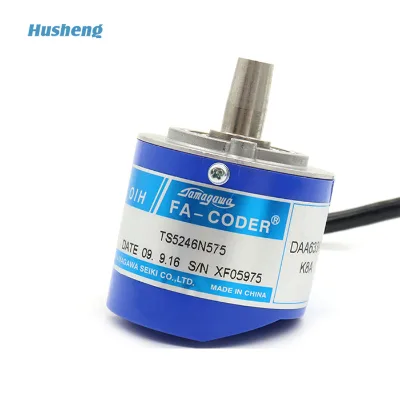
Control System Passenger Lift Spare Part Parts Elevator Encoder with High Quality
$30.00 - $80.00
MOQ: 10 Pieces


Comprehensive Sourcing Guide
Strategic Sourcing Guide for Indoor Type Elevator Encoders
Procuring an Indoor Type Elevator Encoder requires a disciplined approach that balances technical precision with supply chain reliability. These components are critical for the safe and efficient operation of elevator systems, serving as the primary feedback mechanism for position and speed control. The market offers a diverse array of options ranging from general-purpose units to specialized models designed for specific drive modes and control systems. Buyers must navigate a landscape where attributes such as resolution, response frequency, and mechanical compatibility vary significantly between manufacturers. This guide outlines the essential factors for evaluating indoor elevator encoders, ensuring that procurement decisions are grounded in verified specifications and industry standards rather than unverified marketing claims.
Technical Specifications and Performance Parameters
The core functionality of an indoor elevator encoder relies on its ability to accurately translate mechanical rotation into electrical signals. When evaluating potential products, buyers should prioritize specific technical attributes that directly impact elevator performance. The resolution of the encoder is a fundamental metric, often expressed in pulses per revolution (P/R). In the current market, observed resolution ranges from 50 to 8192 P/R, a wide spectrum that dictates the precision of the elevator's stopping accuracy and smoothness. Higher resolution units are typically required for systems demanding high-speed operation or precise leveling, whereas lower resolution units may suffice for slower, basic transport applications.
Another critical parameter is the response frequency, which determines how quickly the encoder can process rotational data. A maximum response frequency of 300kHz is a documented specification for certain high-performance units, ensuring that the control system receives real-time data even during rapid acceleration or deceleration phases. The physical dimensions of the encoder also play a vital role in compatibility. For instance, an outer diameter (OD) of approximately 100mm is a common form factor for industrial-grade units, though smaller variants exist. Buyers must verify that the physical mounting interface matches the existing elevator machinery, particularly the shaft size and coupling requirements.
The drive mode compatibility is equally important. Elevator systems generally utilize AC drive modes, and the encoder must be compatible with the specific control logic of the drive system. Some units are designed specifically for AC elevators, while others may support different configurations. The control type, often microcomputer-based, requires an encoder that can interface seamlessly with digital control systems to facilitate features like group control and automatic leveling. Additionally, the electrical resistance of the unit, typically specified as greater than or equal to 10mΩ, ensures signal integrity and minimizes power loss within the control circuit.
Compliance, Standards, and Certification Verification
In the elevator industry, compliance with international standards is non-negotiable for safety and liability reasons. While specific certification statuses for individual products must be verified with the supplier, the industry generally adheres to standards such as ISO7465 for elevator components. This standard provides a framework for the design, testing, and performance of elevator parts, ensuring that encoders meet rigorous safety and reliability criteria. Buyers should explicitly request documentation confirming that the product complies with relevant national and international safety regulations.
The origin of the product is another critical compliance factor. Many high-quality encoders are manufactured in China, a major hub for elevator component production. However, the country of origin does not guarantee quality; rather, it is the adherence to standards that matters. Buyers must ensure that the supplier can provide proof of compliance with the specific standards applicable to their region, such as EN 81 series in Europe or ASME A17.1 in North America. The absence of a deceleration device in some encoder designs is a notable observation, meaning the safety deceleration logic must be handled by the elevator's main control system. This distinction is vital for system integration and safety architecture.
Furthermore, the customization availability of the encoder should be assessed against local regulatory requirements. Some jurisdictions may require specific markings, voltage ratings, or environmental protections that are not standard in generic models. The ability to customize the product, such as adjusting the resolution or modifying the output signal type, can be a significant advantage in meeting unique compliance needs. Buyers should verify that any customization does not void existing certifications or compromise the safety integrity of the elevator system.
Cost Drivers and Pricing Dynamics
The pricing of indoor elevator encoders is influenced by a complex interplay of technical specifications, brand reputation, and order volume. The observed price range in the market spans from 15 to 450 USD, reflecting the diversity in product capabilities. Lower-cost units typically offer basic functionality with standard resolution and may be suitable for older elevator models or low-traffic applications. In contrast, higher-priced units often feature advanced specifications, such as higher resolution, superior response frequencies, and enhanced durability, making them ideal for high-speed or high-capacity elevators.
The minimum order quantity (MOQ) is another significant cost driver. The market shows an MOQ range from 1 to 10 units, providing flexibility for both small-scale repairs and large-scale installations. A lower MOQ allows buyers to test products without committing to large inventories, which is particularly useful for maintenance teams or small renovation projects. However, bulk purchasing often results in better unit pricing, though the specific discount structure varies by supplier. Buyers should consider the total cost of ownership, including potential downtime costs if a cheaper, less reliable encoder fails prematurely.
Brand perception also impacts pricing. While "General" brands offer cost-effective solutions, established names like Mitsubishi or Sigma often command a premium due to their reputation for reliability and extensive support networks. The business type of the supplier, whether a manufacturer or a distributor, also influences the final price. Manufacturers may offer more competitive pricing on custom orders, while distributors might provide faster availability of standard models. Buyers must weigh these factors against their specific budget constraints and operational requirements to determine the most cost-effective solution.
Typical Applications and Operational Context
Indoor elevator encoders are primarily deployed in public traffic scenarios, where reliability and safety are paramount. These components are integral to the operation of elevators in commercial buildings, residential complexes, and public infrastructure. The application context dictates the required performance level; for example, an elevator serving a high-rise office building with a capacity of 1000kg requires an encoder capable of handling frequent starts and stops with high precision. The load capacity of the elevator system, often ranging from 500 to 1000kg, directly influences the mechanical stress on the encoder and the need for robust construction.
The specific type of elevator door also affects encoder selection. Center-opening doors are common in many installations, and the encoder must synchronize perfectly with the door operation to ensure safe entry and exit. The presence or absence of an attendant is another operational factor; systems without attendants rely heavily on automated control systems, making the encoder's accuracy critical for safe operation. Similarly, the configuration of the computer room, or the lack thereof, impacts the control architecture and the type of encoder required. Units designed for systems without a computer room often feature integrated control capabilities to streamline the installation process.
Speed is a defining characteristic of the application. Elevators operating at speeds between 1.00 and 2.00m/s require encoders with high response frequencies to manage the dynamic loads effectively. The lift mechanism, typically a lift chain, interacts with the encoder to provide precise position feedback. Buyers should ensure that the selected encoder is compatible with the specific lift mechanism and control mode, such as group control, which coordinates multiple elevators for optimal efficiency. The versatility of the encoder to support various door types and control modes makes it a critical component in diverse elevator applications.
Supplier Evaluation and Business Model Assessment
Selecting the right supplier is as important as selecting the right product. Buyers should evaluate suppliers based on their business type, with a preference for manufacturers who offer direct control over quality and customization. The market includes both manufacturers and distributors, each with distinct advantages. Manufacturers often provide better support for custom orders and technical troubleshooting, while distributors may offer a wider range of off-the-shelf products with faster shipping. The brand association, whether it is a general brand or a recognized name like Sigma, can indicate the level of quality control and after-sales support available.
The customization capabilities of the supplier are a key differentiator. The ability to tailor the encoder to specific requirements, such as adjusting the resolution or modifying the output interface, can be crucial for unique elevator configurations. Buyers should inquire about the supplier's experience with similar projects and their ability to provide technical documentation. The shipping method, typically sea or air, is another factor to consider, especially for urgent orders or international procurement. The lead time and reliability of the shipping process can significantly impact project timelines.
Packaging is also a consideration for ensuring the product arrives in pristine condition. Standard export packing boxes or export-applicable trays are commonly used to protect the encoder during transit. Buyers should verify that the packaging meets the necessary standards to prevent damage during shipping, particularly for international orders. The supplier's reputation for customer service and technical support should be thoroughly investigated, as the successful integration of an encoder often requires expert assistance.
Quality Control and Long-Term Procurement Strategy
Implementing a robust quality control process is essential for ensuring the reliability of indoor elevator encoders. Buyers should establish clear acceptance criteria based on the technical specifications, such as resolution, response frequency, and resistance. Regular testing and inspection of incoming goods can help identify any defects or deviations from the standard. The use of standardized packaging, such as carton boxes or export trays, is a good indicator of a supplier's attention to detail and commitment to product protection.
Long-term procurement considerations involve building a sustainable relationship with suppliers who can provide consistent quality and support. The availability of spare parts and the ability to source replacements quickly are critical for maintaining elevator uptime. Buyers should also consider the lifecycle of the encoder and the potential for future upgrades or replacements. The modularity of the system and the compatibility of the encoder with future elevator technologies can extend the useful life of the investment.
Finally, buyers should maintain a comprehensive record of all procurement activities, including specifications, supplier evaluations, and quality control results. This documentation serves as a valuable resource for future sourcing decisions and helps in maintaining compliance with safety standards. By adopting a disciplined and evidence-based approach to procurement, buyers can ensure the safe and efficient operation of their elevator systems while minimizing risks and costs.
FAQs
What is the resolution range for indoor type elevator encoders?
The resolution ranges from 50 to 8192 pulses per revolution. This wide spectrum dictates the precision of stopping accuracy and smoothness for different elevator speeds.
Which drive mode is compatible with these elevator encoders?
These units are designed for AC drive modes. They interface seamlessly with microcomputer control systems to facilitate features like group control and automatic leveling.
Can buyers customize the Indoor Type Elevator Encoder specifications?
Customization is available for specific requirements. Buyers can adjust attributes like resolution or output signals to meet unique regulatory or operational needs.
What is the maximum response frequency for high-performance units?
The maximum response frequency is 300kHz. This ensures the control system receives real-time data even during rapid acceleration or deceleration phases.
How does the load capacity affect encoder selection?
Load capacities typically range from 500 to 1000kg. Higher capacities require robust construction to handle the mechanical stress on the encoder during operation.
Which standard do these elevator components generally adhere to?
They generally adhere to ISO7465 standards. This framework ensures the design and testing meet rigorous safety and reliability criteria for elevator parts.
What is the typical minimum order quantity for these encoders?
The minimum order quantity ranges from 1 to 10 units. This flexibility supports both small-scale repairs and large-scale installation projects.