Source Hypo Allergenic Hybrid Mattress for Hotel, Home, School
Explore 30 hypo allergenic hybrid mattress options featuring pocket springs, latex, and high-density foam. Compare models like SL1917 and SL2443-33 for hotel, home, and school applications with customizable designs and 10-year warranties; compare the available evidence and request quotations based on your requirements.
Key considerations
Products List






Comprehensive Sourcing Guide
Hypo Allergenic Hybrid Mattress Sourcing Guide
Procuring a hypoallergenic hybrid mattress requires balancing specific material compositions with structural integrity to ensure long-term comfort and hygiene. Buyers must prioritize suppliers who explicitly list high-density foam and pocket spring systems, as these combinations often provide the necessary support while minimizing allergen accumulation. The observed product range includes models with ice-silk and polyester fabrics, which are critical for breathability and dust mite resistance in residential and hospitality settings.
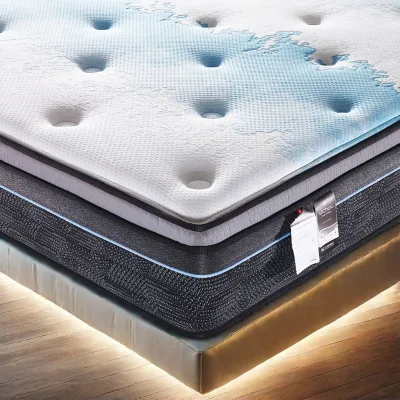
Sourcing decisions should focus on verifying the specific construction layers, such as the inclusion of latex or high-density foam alongside the spring core. While many listings indicate a "tight design" and "comfortable" feel, the actual hypoallergenic performance depends on the fabric quality and the density of the foam layers. Buyers should request detailed construction diagrams to confirm that the materials used meet the specific health requirements for schools, hotels, and private homes without relying on generic marketing claims.
Product Scope and Observed Listing Signals
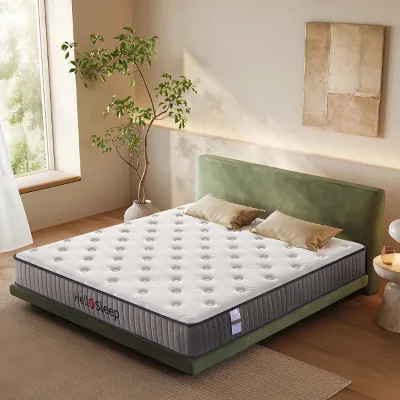
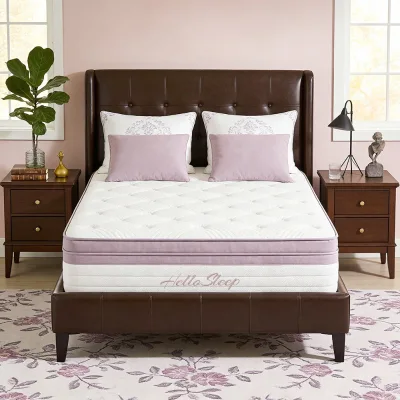
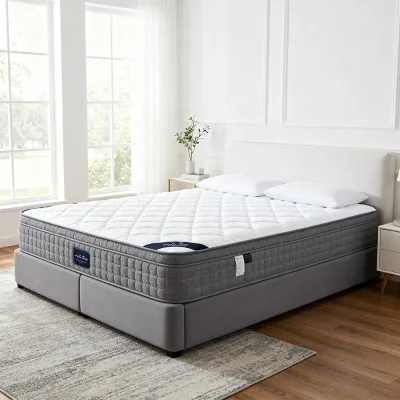
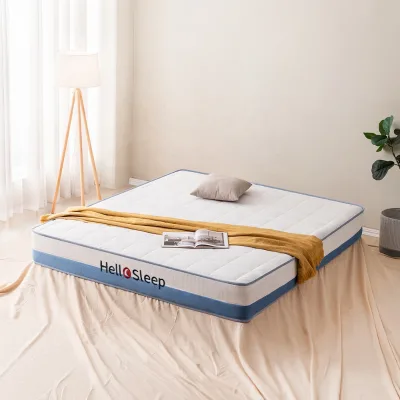
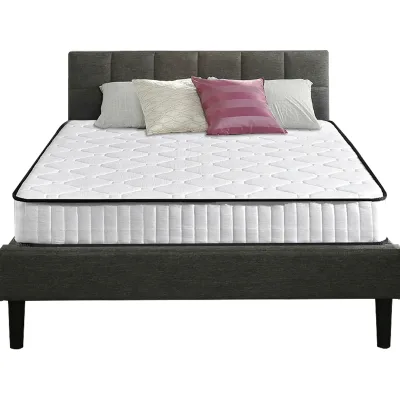
The current market offers a diverse range of hybrid mattresses, with observed models featuring pocket springs, mini pocket springs, and bread spring configurations. Listings indicate that these products are available in various thicknesses, ranging from thin to thick, allowing buyers to select options that fit specific bed frames or user preferences. The observed product models, such as SL1917 and SL2443-33, demonstrate that manufacturers offer standardized sizes alongside customizable dimensions to meet diverse regional requirements.
Buyers should note that while many products are listed as new and feature high-quality knit or ice-silk fabrics, the specific hypoallergenic properties must be confirmed through material specifications rather than general descriptions. The observed usage categories include schools, hotels, homes, and villas, suggesting that these mattresses are designed for high-traffic environments where durability and hygiene are paramount. Procurement teams must verify that the "same as pic shown" color options do not compromise the material integrity required for allergen control.
Technical Specifications to Verify
Technical verification must begin with the spring system, as the choice between pocket springs and mini pocket springs significantly impacts motion isolation and airflow. Buyers should confirm that the spring units are encased in a manner that prevents dust accumulation and ensures the structural longevity of the support system. The observed warranty of ten years for the support system suggests a robust internal framework, but this should be cross-referenced with the specific hardness ratings, which range from soft to medium, to ensure user comfort.
The foam and fabric layers are equally critical for hypoallergenic performance, requiring verification of high-density foam and latex compositions. Listings mention constructions combining ice-silk fabric with latex and density foam, which are beneficial for temperature regulation and resistance to microbial growth. Buyers must ensure that the "flat compressed" or "vacuum compressed" packing methods do not permanently deform the foam layers, as this could create voids where allergens might accumulate over time.
Compliance and Safety Documentation
While specific certification statuses like OEKO-TEX are mentioned in background contexts, buyers must explicitly request current test reports for the specific models they intend to purchase. Relying on general statements about "high quality" or "durable" features is insufficient for verifying hypoallergenic claims in a B2B context. Procurement teams should demand third-party laboratory results that specifically test for dust mite resistance, formaldehyde emissions, and volatile organic compound (VOC) levels for the exact fabric and foam combinations used.
Documentation should also cover the safety of the spring systems and the adhesives used in the lamination process. Although the observed products come with a ten-year warranty for the support system, this warranty often excludes surface materials that may degrade or harbor allergens. Buyers need to ensure that the supplier provides clear documentation on the fire retardancy and chemical safety of the ice-silk and polyester fabrics, particularly for applications in schools and hotels where regulatory compliance is strict.
Cost Drivers and Commercial Terms
The final cost of a hypoallergenic hybrid mattress is heavily influenced by the complexity of the construction, specifically the inclusion of latex and high-density foam layers. Models featuring ice-silk fabric and mini pocket springs may command a higher price point due to the specialized materials and manufacturing processes involved. Buyers should analyze the price range of 32 to 367 USD to understand the correlation between material density, spring type, and overall unit cost, ensuring that the selected model fits the budget without sacrificing essential hygiene features.
Commercial terms such as EXW or FOB payment structures and the requirement for a 30% deposit before production begin are standard in this sector. The lead time of 25 to 30 days after receiving the deposit is a critical factor for inventory planning, especially for large orders in the hospitality or education sectors. Buyers must also account for the sample fee, which is not free, and the 7 to 10-day production window for samples, as this adds to the initial procurement timeline and cost.
Supplier Qualification and Quality Control
Supplier qualification should prioritize manufacturers with a proven track record in producing hybrid mattresses for diverse applications like hotels and schools. The observed origin of Foshan, China, indicates a manufacturing hub with established supply chains, but buyers must verify the specific factory's quality control protocols for the hypoallergenic materials used. It is essential to confirm that the supplier accepts OEM/ODM requests, allowing for customization of fabric and foam layers to meet specific allergen control standards.
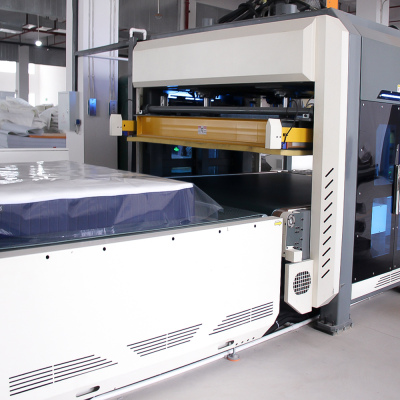
Quality control checks must extend beyond the initial production run to include regular inspections of the compressed packing process. Since products are shipped flat compressed or vacuum compressed in wooden pallets, buyers should verify that the compression does not damage the internal spring or foam structure. The ability to customize designs and colors is a valuable feature, but it requires rigorous oversight to ensure that custom materials maintain the same hypoallergenic properties as the standard offerings.
Long-Term Procurement Checks
Long-term procurement success depends on monitoring the durability of the hypoallergenic features over the product's lifespan. The observed ten-year warranty for the support system provides a baseline for structural integrity, but buyers must establish protocols for inspecting the fabric and foam layers for signs of wear or allergen buildup. Regular audits of the product condition, specifically checking for "soft" or "medium" hardness retention, are necessary to ensure the mattress continues to meet user comfort and hygiene standards.
Buyers should also maintain a clear record of the specific model numbers and construction details for all purchased units to facilitate future replacements or repairs. The availability of all sizes and the option for customized designs mean that inventory management can become complex if not tracked meticulously. Establishing a relationship with the supplier for ongoing support and potential design updates will help ensure that the procurement strategy remains aligned with evolving health and safety standards in the hospitality and education sectors.
FAQs
Can I customize the hypo allergenic hybrid mattress design?
Yes, customization is available for the hypo allergenic hybrid mattress. You can choose specific colors, either matching the picture shown or selecting a customized option. The supplier accepts OEM and ODM requests, allowing you to tailor the fabric, foam density, and spring structure to meet your specific brand requirements and market needs effectively.
What is the delivery time for the mattress order?
The delivery time is typically 25 to 30 days after receiving a 30% deposit. This timeline applies to standard production runs. For sample orders, the preparation time is 7 to 10 days after the sample fee is received. Please confirm the exact schedule with the supplier based on your order volume and customization complexity.
What warranty is provided for the support system?
A 10-year warranty is provided for the support system of the hypo allergenic hybrid mattress. This coverage ensures the durability of the pocket spring or mini pocket spring structures. The warranty guarantees long-term performance and reliability, giving buyers confidence in the product's structural integrity and resistance to sagging or deformation over extended usage periods.
How is the mattress packed for shipping?
The mattress is packed in flat compressed, vacuum compressed, or rolled formats. Options include compression in wooden pallets or rolled packing for efficient logistics. This packaging method reduces shipping volume and costs while protecting the product. The specific packing method depends on the model and supplier capabilities, ensuring safe transit to global destinations.
What materials are used in the mattress construction?
The mattress uses high-density foam, latex, and various spring systems like pocket springs or bread springs. The fabric options include polyester, high-quality knit, or ice-silk fabric. These materials are combined to provide comfort, durability, and support. The specific construction varies by model, such as SL1917 or SL1819, allowing for tailored comfort levels and breathability.
What are the payment terms for bulk orders?
The payment terms are EXW or FOB. Buyers typically need to pay a 30% deposit to initiate production, with the balance due before shipment. These standard trade terms apply to most orders. Please verify the exact payment structure with the supplier, as terms may vary based on order size, customization requirements, and established business relationships.