Source hypoallergenic multi-strain pet probiotics for dogs cats puppies
Compare 30 listings of hypoallergenic multi-strain pet probiotics tailored for dogs, cats, and puppies. Evaluate specifications, raw materials, and packaging options to find suitable health supplements for pets of all ages.
Key considerations
Products List




Comprehensive Sourcing Guide
Strategic Sourcing Framework for Hypoallergenic Multi-Strain Pet Probiotics
The procurement of hypoallergenic multi-strain pet probiotics requires a rigorous approach that balances biological efficacy with strict allergen management. Buyers in the B2B sector must navigate a complex landscape where product attributes, such as raw material composition and strain identification, directly impact the safety and efficacy of the final pet food or supplement. The core objective is to secure a supply chain that guarantees the integrity of the probiotic strains while ensuring the absence of common allergens that could compromise the health of sensitive canines and felines. This guide outlines the essential technical, regulatory, and operational factors that define a successful sourcing strategy for these specialized health products.
Technical Specifications and Raw Material Composition
The foundation of any successful procurement for pet probiotics lies in the precise definition of technical specifications. Buyers must scrutinize the raw material composition to ensure it aligns with hypoallergenic requirements. In the observed market, specific formulations utilize hydrolyzed proteins to reduce allergenic potential. For instance, documented product attributes indicate raw material compositions that include Chicken Hydrolyzed Powder and Chicken Liver Powder. While chicken is a common protein source, the hydrolyzed state is critical for breaking down proteins into smaller peptides, thereby reducing the likelihood of triggering an immune response in sensitive pets.
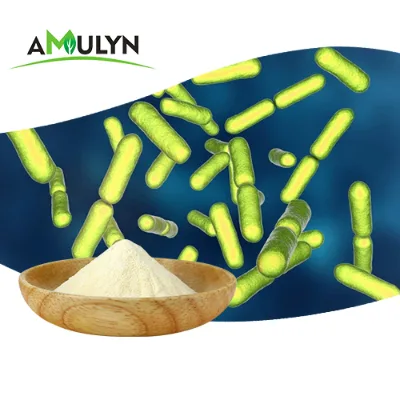
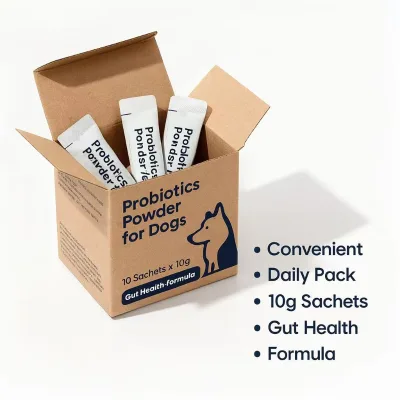
Furthermore, the physical form of the product is a decisive technical factor. The market data highlights that probiotics are frequently available as a powder mix or dry powder. This form factor offers distinct advantages for manufacturing flexibility, allowing for easier integration into various pet food matrices, from kibble to wet food supplements. The appearance is consistently noted as a white powder, which serves as a visual indicator of purity and consistency. However, buyers must verify that the "white powder" description does not mask the presence of other active ingredients that could introduce allergens.
The concentration of active substances is another critical specification. High-performance products often boast an active substance content exceeding 90%, a metric that ensures potency and efficacy. This high concentration allows for lower dosages in the final product, which can be beneficial for cost management and palatability. Additionally, the product type is generally categorized under pet nurture and health products, specifically targeting dogs and cats of all ages. The specification of the product model, such as variations like ls0107-28 or LA-G80, indicates that manufacturers offer distinct formulations tailored to different production needs or strain profiles. Buyers should request detailed specification sheets that explicitly list the strain count and the specific genetic identification of each strain to confirm the "multi-strain" claim.
Compliance, Certification, and Regulatory Standards
Navigating the regulatory landscape is paramount when sourcing hypoallergenic products. The safety of pet food ingredients is governed by strict guidelines that vary by region but universally demand transparency and safety. In the context of the available data, several critical regulatory requirements are highlighted, including safety studies, strain genetic identification, and enumeration methods. These are not optional features but essential components of a compliant supply chain.
Buyers must verify that suppliers adhere to specific standards regarding cross-contamination controls. The presence of "Cross Contamination Controls" as a listed characteristic suggests that the manufacturing environment is designed to prevent the introduction of allergens from other production lines. This is particularly vital for hypoallergenic products, where even trace amounts of common allergens like beef or dairy can render the product unsuitable for its intended market. The data also points to the availability of guidelines, implying that suppliers should be able to demonstrate adherence to established industry protocols.
Furthermore, the concept of "Critical Require" items, such as Idas and Strains Genetic Identification, underscores the need for rigorous verification. Buyers should not rely on general claims but must demand documentation proving that the strains have been genetically identified and that safety studies have been conducted. The "MoA" (Mechanism of Action) and "Enumeration Methods" listed in the data indicate that the supplier must be able to quantify the viable bacteria count and explain how the probiotics function within the pet's digestive system. This level of detail is necessary to validate the health claims and ensure that the product meets the hypoallergenic promise.
Cost Drivers and Economic Considerations
The cost of sourcing hypoallergenic multi-strain pet probiotics is influenced by several distinct factors, primarily driven by the complexity of the formulation and the quality of the raw materials. The use of hydrolyzed proteins, such as Chicken Hydrolyzed Powder, typically incurs a higher cost than standard protein sources due to the additional processing required to break down the protein chains. This processing ensures the hypoallergenic nature of the product but adds a layer of expense that buyers must account for in their budgeting.
Packaging and storage requirements also play a significant role in cost determination. The data indicates that products may be packaged in aluminum foil bags or plastic, with storage methods ranging from cool, dry places to frozen conditions. Frozen storage, in particular, requires specialized logistics and cold chain management, which can increase the overall landed cost. The shelf life, observed to be between 24 months and over 12 months depending on storage, must be factored into the procurement timeline. Products with longer shelf lives may command a premium but offer better inventory management flexibility.
The minimum order quantity (MOQ) is another economic variable. Observed MOQs in the market range from 1 to 10,000 units, providing flexibility for both small startups and large manufacturers. However, the specific MOQ for a hypoallergenic, multi-strain product may be higher due to the specialized nature of the production run. Buyers should negotiate based on their volume requirements, keeping in mind that larger orders often yield better unit economics but require greater capital commitment. The selling units, often listed as single items, suggest that pricing may be calculated per unit or per kilogram, necessitating a clear understanding of the pricing structure before finalizing contracts.
Typical Applications and Market Segmentation
Understanding the application of hypoallergenic multi-strain pet probiotics is essential for aligning procurement with market demand. The primary application for these products is in the formulation of pet foods and supplements designed for dogs and cats of all ages. The data explicitly mentions applicability to puppies and adult pets, indicating a broad market reach. The "Limited Ingredients" feature is a key selling point for this segment, as it appeals to pet owners seeking to manage food sensitivities and allergies in their animals.
The flavor profile is another critical aspect of application. Products are often formulated with milk or chicken/beef flavors to ensure palatability, even when using hydrolyzed proteins. However, for strictly hypoallergenic products, the flavor must be carefully selected to avoid common allergens. The "Active Probiotics" taste name suggests a focus on the functional benefit of the product, which is often marketed towards health-conscious pet owners. The application extends beyond simple supplementation; these probiotics are increasingly integrated into therapeutic diets for pets with gastrointestinal issues, skin conditions, or immune system challenges.
The versatility of the product form, such as powder mix or dry powder, allows for diverse applications in manufacturing. It can be used as a direct additive to dry kibble, mixed into wet food, or encapsulated for use as a standalone supplement. The "Nutrient Composition" described as "Probiotics and Other Active Ingredients for Health" highlights the multifaceted nature of these products, which are designed to support overall wellness rather than just digestive health. Buyers should consider the specific needs of their target demographic when selecting a product, ensuring that the application matches the intended use case.
Supplier Evaluation and Quality Control Protocols
Evaluating suppliers for hypoallergenic probiotics requires a deep dive into their quality control systems and operational capabilities. The presence of "Stability Study Data Support" and "Safety Study" requirements indicates that a reputable supplier must have a robust R&D and quality assurance infrastructure. Buyers should request comprehensive documentation that includes stability data under various storage conditions, such as frozen or cool, dry environments, to ensure the product maintains its potency throughout its shelf life.
The "Characteristics" of the product, including cross-contamination controls, must be verified through on-site audits or third-party certifications. Suppliers should demonstrate a clear understanding of allergen management protocols, including segregation of production lines and rigorous cleaning procedures. The "Critical Require" items, such as strain genetic identification, should be supported by laboratory reports that confirm the identity and purity of the strains used. This level of scrutiny is necessary to prevent the introduction of undeclared allergens or ineffective strains.
Furthermore, the supplier's ability to provide customization is a valuable asset. The data indicates that customization is available, allowing buyers to tailor the product to their specific needs, such as adjusting the strain profile or packaging format. This flexibility can be crucial for developing unique product offerings in a competitive market. Buyers should also evaluate the supplier's logistics capabilities, particularly regarding the "prod_packing" and "prod_standard" specifications. Whether the product is packed in boxes, aluminum foil bags, or plastic, the packaging must be designed to protect the probiotics from moisture, light, and temperature fluctuations.
Long-Term Procurement and Supply Chain Resilience
Establishing a long-term procurement strategy for hypoallergenic multi-strain pet probiotics involves more than just securing a single transaction. It requires building a resilient supply chain that can adapt to changing market demands and regulatory landscapes. The "prod_origin" of the products, such as Shandong or China, provides insight into the geographical concentration of suppliers. Buyers should consider the geopolitical and logistical implications of sourcing from specific regions, ensuring that supply disruptions are minimized.
The shelf life and storage requirements are critical factors in long-term planning. Products with a shelf life of 24 months or longer offer greater flexibility in inventory management, allowing for larger orders and reduced frequency of replenishment. However, the storage method, whether frozen or cool and dry, must be compatible with the buyer's storage facilities. The "prod_packing" by air or sea indicates that shipping methods must be carefully selected to maintain product integrity during transit.
Finally, the "Regulatory" aspect of the procurement process cannot be overlooked. As regulations evolve, suppliers must remain compliant with new guidelines and standards. Buyers should establish a relationship with suppliers who are proactive in monitoring regulatory changes and adapting their products accordingly. This proactive approach ensures that the supply chain remains compliant and that the products continue to meet the high standards required for hypoallergenic pet nutrition. By focusing on these long-term considerations, buyers can secure a reliable source of high-quality probiotics that supports the health and well-being of pets worldwide.
Comparative Analysis of Product Attributes
To facilitate decision-making, the following table summarizes key attributes observed in the market for hypoallergenic multi-strain pet probiotics. This comparison highlights the variations in specifications, storage, and packaging that buyers should consider.
| Attribute Category | Observed Specification | Relevance to Hypoallergenic Sourcing |
|---|---|---|
| Raw Material | Chicken Hydrolyzed Powder, Chicken Liver Powder | Hydrolysis reduces allergenicity; essential for sensitive pets. |
| Form | Powder Mix, Dry Powder | Facilitates easy integration into various food matrices. |
| Active Content | >90% Active Substances | Ensures high potency and efficacy at lower dosages. |
| Shelf Life | 24 Months, >12 Months | Longer shelf life allows for better inventory planning. |
| Storage | Frozen, Cool Dry Place | Critical for maintaining strain viability and product stability. |
| Packaging | Aluminum Foil Bag, Plastic, Box | Must protect against moisture and light to preserve probiotics. |
| Target Animals | Dogs and Cats of All Ages | Broad applicability increases market potential. |
| Regulatory | Safety Study, Genetic Identification | Mandatory for compliance and consumer trust. |
This table serves as a quick reference for buyers to evaluate potential suppliers against the core requirements of hypoallergenic, multi-strain probiotic products. By systematically comparing these attributes, buyers can make informed decisions that align with their specific product development goals and quality standards.
FAQs
What is the active substance content for these probiotics?
The active substance content exceeds 90% for high-performance formulations. This high concentration ensures potency and allows for lower dosages in the final pet food matrix.
Which raw materials are used in the hydrolyzed protein formulas?
Formulations often utilize Chicken Hydrolyzed Powder and Chicken Liver Powder to reduce allergenic potential. These hydrolyzed proteins break down into smaller peptides to minimize immune responses in sensitive pets.
How should these products be stored to maintain shelf life?
Storage methods vary between cool dry places and frozen conditions depending on the specific product type. Proper storage ensures the shelf life remains valid for over 12 months or up to 24 months.
Can suppliers provide customization for specific pet health needs?
Yes, customization is available to tailor the product to specific buyer requirements. This flexibility allows for adjustments in strain profiles or packaging formats to meet unique market demands.
What packaging materials are commonly used for these probiotics?
Products are typically packaged in aluminum foil bags or plastic containers to protect against moisture. Some variations also utilize box packaging for retail-ready distribution and brand presentation.
Which certifications ensure safety and strain identification?
Critical requirements include strain genetic identification and documented safety studies for regulatory compliance. Suppliers must provide stability study data support to verify the product maintains potency over time.
What is the minimum order quantity for these pet supplements?
The observed minimum order quantity ranges from 1 to 10,000 units depending on the supplier. Buyers can negotiate based on volume requirements, with larger orders often yielding better unit economics.