Source Ice Bath Tubs for Recovery, Athletes, and Outdoor Use
Explore 30 verified options for Ice Bath tubs designed for post-workout recovery, athlete training, and outdoor relaxation. Compare features like ozone sanitization, digital controls, and customizable materials from suppliers in Guangdong, China.
Key considerations
Products List


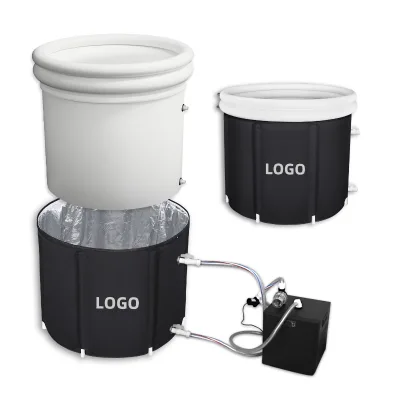
Portable Ice Bath for Cold Water Therapy Training Inflatable Ice Bath Tub
$12.90 - $15.00
MOQ: 500 Pieces


Wholesale Ice Baths Recovery Cold Plunge Inflatable Bathtub Large Fitness Ice Bath
$12.90 - $15.00
MOQ: 500 Pieces

Inflatable Ice Bath for Athletes Soaking Bathtub for Adults Portable Ice Bath
$21.71 - $24.05
MOQ: 1000 Pieces

Custom Logo Portable Inflatable Ice Bath for Recovery Cold Plunge Ice Bath
$12.90 - $15.00
MOQ: 300 Pieces


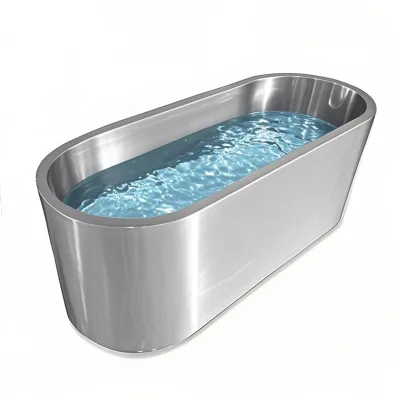
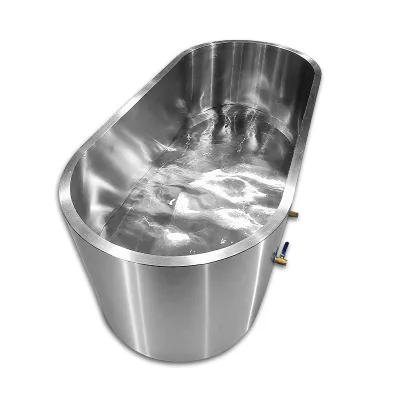
Ice-Bath Luxury Custom Ice Bath Recovery Single Person Ice Plunge Bath
$1480.00 - $1610.00
MOQ: 1 Pieces




Comprehensive Sourcing Guide
Strategic Sourcing Guide for Industrial-Grade Ice Bath Systems
The global demand for cold therapy equipment has surged, driven by increasing adoption among professional athletes, recovery clinics, and wellness centers. For B2B procurement professionals, sourcing an Ice Bath system requires a nuanced understanding of the distinction between portable inflatable units and permanent, high-performance recovery tubs. The market presents a diverse array of options, ranging from simple inflatable vessels to complex, chiller-integrated systems. This guide synthesizes available product data and industry standards to provide a structured framework for evaluating suppliers, verifying technical specifications, and ensuring compliance without relying on unverified claims.
Technical Specifications and Product Architecture
The first critical step in sourcing is defining the precise technical architecture required for the intended application. The current market data reveals a bifurcation in product types, primarily between "Inflatable Bathtub" variants and rigid "Ice Bath Tub" systems. Buyers must distinguish these based on their operational needs.
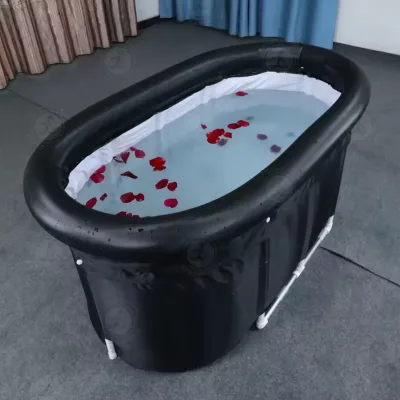
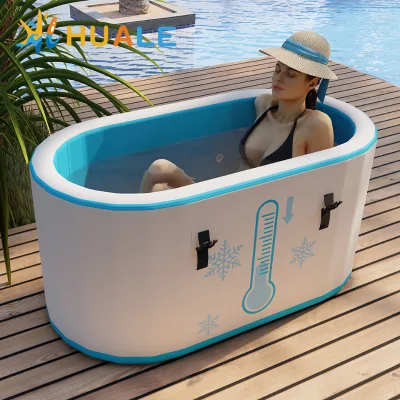
Inflatable options are characterized by their portability and compact storage. Specifications for these units often cite a "Single Bowl" style with a "Round" shape and a "One" hole configuration. The standard dimensions for these portable units frequently align with a footprint of approximately 75 x 75 cm (29.5" x 29.5"), designed to accommodate adult users. These units typically feature a "Minimalist and Modern" design style and are constructed with customizable materials. The installation type is universally "Freestanding," requiring no permanent plumbing, which makes them suitable for "Garden," "Bathroom," or "Outdoor" occasions. Control mechanisms for these basic units are often manual ("Hand"), though some advanced inflatable models may claim "Digital Controls" and "Bubble Massage" features.
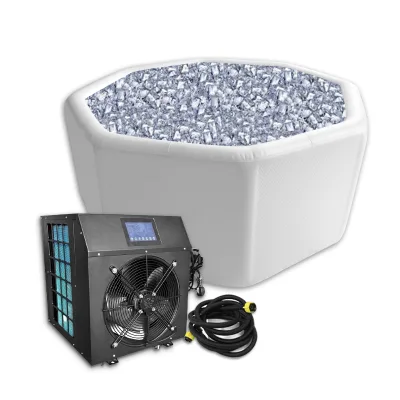
Conversely, the permanent or semi-permanent "Ice Bath Tub" category presents a more robust engineering profile. These units are often constructed with a "Stainless Steel" inner material, providing structural integrity and thermal efficiency. The outer shell may utilize "Red Cedar" or "Thermowood," offering aesthetic appeal and insulation. The standard model for these systems, such as the "SMT-2," boasts significantly larger dimensions, typically around 130 x 92 x 72 cm. These units are engineered to maintain specific thermal conditions, with temperature ranges capable of reaching 3-5°C. To achieve this, they integrate a "1 HP" chiller unit and include essential accessories like a "Filter & Ozone" system, an "Insulation Cover," and a "Step" for safe entry. The "Type" for these basins is often classified as "Vessel Basins" or "Recovery Inflatable Bathtub," depending on the specific construction method, though the rigid variants are generally preferred for high-volume commercial use.
Compliance, Certification, and Safety Standards
When sourcing industrial equipment, verifying compliance with international safety and management standards is non-negotiable. The supply chain for Ice Bath systems, particularly those manufactured in Guangdong, China, often highlights specific certifications that indicate a supplier's commitment to quality and ethical manufacturing.
Buyers should explicitly request documentation for the following certifications, which are observed in the current market data:
- ISO9001: Indicates adherence to international quality management system standards.
- BSCI (Business Social Compliance Initiative): Verifies that the supplier meets social compliance requirements regarding labor practices.
- GSV (Global Safety Verification): Confirms that the facility has passed rigorous safety and security audits.
- ICTI: Ensures compliance with ethical manufacturing practices, particularly relevant for toys and leisure products, though often applied to broader consumer goods.
It is crucial to note that while these certifications are listed as available attributes for certain products, they are not automatically guaranteed for every SKU within a supplier's catalog. Procurement teams must verify that the specific batch or model being ordered is covered under the valid certification certificates. Furthermore, for units involving electrical components like chillers and ozone sanitization systems, buyers must ensure compliance with local electrical safety standards (such as UL, CE, or ETL) in their destination market, as these are not explicitly detailed in the general product attributes but are implied requirements for commercial operation.
Cost Drivers and Pricing Dynamics
Understanding the cost structure of Ice Bath systems is essential for budgeting and margin analysis. The observed price range in the market is extensive, spanning from $12.90 to $2,040 USD. This wide variance is not arbitrary but is directly correlated with the complexity of the product, materials used, and included accessories.
The lower end of the price spectrum typically corresponds to simple, single-bowl inflatable units. These products often lack integrated cooling systems, relying instead on ice added manually by the user. Their cost is driven primarily by the material of the inflatable shell and the packaging method, which is often a "Color Box."
In contrast, the higher price points are associated with rigid, chiller-integrated systems. The cost drivers here include the stainless steel construction, the wood cladding, the 1 HP chiller unit, and the ozone filtration system. The packaging for these premium units often shifts to a "Wooden Case" or "Wood Box" to ensure safe transport of heavy, fragile components. Additionally, the "Customized Logo" and "OEM/ODM" capabilities add value but also increase the unit cost, especially when factoring in the setup fees for branding.
Buyers must be wary of "Minimum Order Quantity" (MOQ) constraints that can impact the effective unit price. The data indicates a wide range of MOQs, from 1 piece to 1,000 pieces. A supplier offering an MOQ of 1,000 pieces may provide a lower per-unit cost but requires significant capital outlay and storage capacity. Conversely, suppliers with an MOQ of 1 allow for lower risk but may charge a premium for the flexibility. The "Weight" of the product, described as "According to Product Size," also influences shipping costs, which should be factored into the total landed cost calculation.
Typical Applications and Usage Scenarios
The versatility of Ice Bath systems allows them to serve multiple sectors, each with distinct requirements. The "Applicable People" attribute generally lists "Adults" and "Athletes," but the specific usage context dictates the necessary features.
For Professional Sports Teams and Recovery Clinics, the priority is durability, precise temperature control, and high-volume throughput. These users require the rigid, stainless steel models with integrated chillers capable of maintaining temperatures between 3-5°C. The "Ozone Sanitization" feature is critical here to maintain hygiene standards across multiple daily users. The "Step" accessory is also a safety necessity for athletes entering and exiting the tub.
For Wellness Centers and Gyms, the focus may shift slightly toward aesthetics and ease of use. The "Minimalist and Modern" design style and the option for "Customized Logo" are valuable for branding. These facilities might opt for a hybrid approach, using inflatable units for general member access while reserving the rigid systems for premium recovery packages. The "Outdoor" and "Garden" usage capabilities of inflatable models make them suitable for spas with outdoor recovery zones.
For Home Use and Personal Trainers, portability is the key driver. The "Inflatable Bathtub" with a "Round" shape and "Single Bowl" design is ideal for storage in small spaces. The "Hand" control method is sufficient for personal use, and the "Color Box" packaging ensures the unit arrives in retail-ready condition.
Supplier Evaluation and Operational Capabilities
Selecting the right supplier involves more than just comparing prices; it requires a deep dive into their operational capabilities and customization potential. The market data highlights that "Customization" is a widely available attribute, with many suppliers offering "OEM/ODM" services. This means buyers can request specific modifications to the product model, such as changing the "Inner Material" or "Outer Material," or altering the dimensions to fit specific space constraints.
When evaluating suppliers, procurement teams should verify the following:
- Production Capacity: Can the supplier handle the required volume, especially if the MOQ is 1,000 pieces?
- Customization Flexibility: Does the supplier have the engineering capability to modify the "prod_model" or "prod_standard" to meet unique requirements?
- Packaging Standards: Ensure the "prod_packing" (Carton Box vs. Wooden Case) aligns with the fragility of the product and the shipping method.
- Origin Verification: While the "Place of Origin" is listed as "Guangdong, China" or generally "China," buyers should confirm the specific factory location to assess logistics and potential tariff implications.
Suppliers that offer "Customized Logo" services should also be vetted for their graphic design capabilities and the quality of their printing or engraving techniques. This is a common differentiator in the B2B market, where branding is a key component of the product value proposition.
Quality Control and Long-Term Procurement Considerations
Ensuring consistent quality in Ice Bath procurement requires a robust quality control (QC) strategy. Given the variation in materials—from inflatable PVC to stainless steel and wood—QC protocols must be tailored to the specific product type.
For Inflatable Units, QC should focus on seam integrity, air retention, and material thickness. Buyers should request test reports for puncture resistance and thermal insulation properties. The "Features" list, such as "Bubble Massage" or "Digital Controls," must be verified through functional testing to ensure they operate as advertised.
For Rigid Systems, the focus shifts to structural integrity, chiller performance, and electrical safety. The "1 HP" chiller must be tested for its ability to reach and maintain the 3-5°C temperature range under load. The "Filter & Ozone" system requires verification of flow rates and sanitization efficacy. The "Stainless Steel" inner material should be inspected for corrosion resistance, and the "Red Cedar" or "Thermowood" outer shell should be checked for water resistance and finish quality.
Long-term procurement considerations also include the availability of spare parts and after-sales support. The "Accessories" listed, such as the "Insulation Cover" and "Step," should be available for replacement. Buyers should establish clear communication channels with suppliers regarding warranty terms and the lead time for replacement parts. Additionally, the "Product Name" and "Type" variations in the market data suggest that buyers must maintain clear internal documentation to ensure they are ordering the correct model specifications over time, avoiding confusion between similar-looking but functionally different units.
Conclusion
Sourcing Ice Bath systems is a complex process that demands a clear understanding of the technical, regulatory, and operational nuances of the market. By carefully analyzing product specifications, verifying certifications, and evaluating supplier capabilities, B2B buyers can secure high-quality equipment that meets the rigorous demands of professional and commercial applications. The wide range of options, from portable inflatables to rigid, chiller-integrated tubs, offers flexibility for various use cases, provided that the procurement strategy is grounded in verified data and rigorous quality control standards.
FAQs
What certifications do Ice Bath suppliers typically hold?
Suppliers often hold BSCI, ISO9001, GSV, and ICTI certifications. These verify quality management and ethical manufacturing practices. Buyers must confirm that the specific product batch is covered under these valid certificates before ordering.
How are inflatable ice baths typically packaged for shipping?
Inflatable units usually come in individual color boxes. This packaging protects the material during transit while keeping the unit compact. Larger rigid systems may require wooden cases for safe transport of heavy components.
Which dimensions are standard for portable inflatable ice baths?
Standard portable units often measure 75 by 75 centimeters. This footprint accommodates adult users while remaining compact for storage. Some larger rigid models may reach dimensions of 130 by 92 centimeters for commercial use.
Can suppliers provide customized logos on Ice Bath products?
Yes, most suppliers offer customized logo services as part of OEM or ODM capabilities. This allows buyers to brand the product for their specific business needs. Customization may affect the unit cost and lead time.
What is the minimum order quantity for Ice Bath systems?
Minimum order quantities vary significantly from one piece to one thousand pieces. Lower MOQs allow for smaller trial orders but may carry higher per-unit costs. Bulk orders often benefit from lower pricing tiers.
How do rigid ice baths maintain low temperatures?
Rigid systems integrate a 1 HP chiller to maintain temperatures between 3 and 5 degrees Celsius. They also include ozone sanitization and filtration accessories for hygiene. These features ensure consistent cooling for professional recovery applications.