Source Waterproof Detachable Carport for Garage Workshop Warehouse
Compare 30 listings for Waterproof Detachable Carport options featuring aluminum alloy and steel structures. Buyers can evaluate specifications like snow load capacity, customization scope, and delivery times from verified suppliers in China.
Key considerations
Products List


Waterproof Customized Outdoor Car Shelter Storage Garage Carport Tent
$63.87 - $183.18
MOQ: 50 Piece/Pieces

High Performance Customized Car Tent Outdoor Portable Shelter Carport
$62.87 - $183.18
MOQ: 5 Piece/Pieces

Customized Waterproof Outdoor Car Shelter Storage Tent Carport Canopy Manufacture
$62.35 - $183.18
MOQ: 5 Piece/Pieces

Manufacture Customized Car Tent Portable Garage Canopy Shelter Outdoor Carport
$51.60 - $183.18
MOQ: 5 Piece/Pieces

Waterproof Storage Garage Shelter Car Tent Outdoor Portable Canopy
$51.60 - $183.18
MOQ: 5 Piece/Pieces

OEM Acceptable Outdoor Storage Garage Canopy Car Tent Carport Shelter
$56.37 - $183.18
MOQ: 5 Piece/Pieces




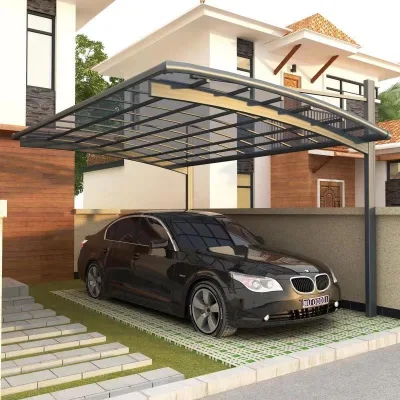
Safety Protection Superior Modern Aluminum & Glass Adjustable Carport
$1800.00 - $2400.00
MOQ: 1 Pieces

Aluminum & Glass Adjustable Durable Carport with Safety Protection and Water Resistant Design
$1800.00 - $2400.00
MOQ: 1 Pieces

Attached Aluminum & Glass Adjustable Carport with Safety Protection and Water Resistant Design
$1800.00 - $2400.00
MOQ: 1 Pieces




Comprehensive Sourcing Guide
Strategic Sourcing Guide for Waterproof Detachable Carports
The global demand for temporary and semi-permanent storage solutions has elevated the strategic importance of waterproof detachable carports in B2B procurement. These structures serve as critical infrastructure for protecting vehicles, equipment, and inventory from environmental exposure while offering the flexibility to relocate or reconfigure assets as operational needs evolve. For procurement professionals, sourcing these units requires a rigorous understanding of technical specifications, material integrity, and compliance frameworks. This guide provides a disciplined approach to evaluating suppliers and products, ensuring that the selected solution aligns with specific operational requirements without relying on unverified marketing claims.
Technical Specifications and Structural Integrity
When evaluating waterproof detachable carports, the primary focus must be on the structural framework and the envelope materials. The core functionality relies on the ability to withstand environmental loads, particularly snow and wind, while maintaining a watertight seal. Based on observed industry data, specific models are engineered with a maximum snow load capacity of 1.4kN/M2. This metric is a critical benchmark for buyers operating in regions with significant winter precipitation. Structures failing to meet or exceed this threshold may suffer structural compromise under heavy snow accumulation.
The framing material is another decisive factor. High-performance units often utilize aluminum alloy for its favorable strength-to-weight ratio and inherent resistance to corrosion. In other configurations, steel, stainless steel, aluminum, or copper may be specified, depending on the required durability and budget constraints. The connection methods employed also dictate the assembly stability; welded connections are frequently observed in heavy-duty applications, providing a rigid and permanent joint that enhances overall structural integrity. For detachable systems, the ease of assembly is paramount. Features such as "Easy to Assemble" and "Movable" capabilities indicate a design that prioritizes rapid deployment and reconfiguration without the need for specialized heavy machinery.
The roofing and side materials, typically referred to as tarpaulin, must offer robust waterproofing. The standard specification for these units confirms a "Yes" for waterproof capabilities. Buyers should verify the specific color options available, as the market offers Blue, Gray, Camouflage, and Green variants. The thickness of the structural components, ranging from 0.5 mm to 40 mm in various steel applications, directly influences the load-bearing capacity and longevity of the carport. A comprehensive review of the product specifications should include the specific model numbers, such as Model-garage--021 or Photovoltaic Carport Garage-010, to ensure the selected unit matches the intended application scale.
Compliance, Certification, and Quality Assurance
Navigating the regulatory landscape is essential for B2B procurement, particularly when importing structures for commercial or industrial use. Compliance with international standards ensures that the product meets safety and quality benchmarks. The supply chain for these structures often includes certifications such as CE and ISO, which are critical for market access in Europe and other regulated regions. Specific quality assurance frameworks like ISO9001:2015, ISO13485:2016, RoHS, and TUV are frequently cited as indicators of a supplier's commitment to rigorous manufacturing processes.
Furthermore, environmental and occupational safety standards play a significant role in supplier selection. Certifications such as ISO14001 (Environmental Management) and ISO45001 (Occupational Health and Safety) demonstrate that the manufacturer adheres to sustainable practices and safe working conditions. The presence of Cwb certification further validates the quality of welding and fabrication processes. Buyers must verify that the supplier can provide valid, up-to-date documentation for these certifications rather than relying on general claims.
Quality control procedures are equally vital. A robust procurement strategy demands that suppliers implement a 100% inspection regime for finished goods. This ensures that every unit leaving the factory meets the specified design parameters and material standards. The availability of drawing formats such as CAD, Dwg, and Stl allows procurement teams to integrate the carport specifications into their own facility planning software, ensuring seamless installation. Additionally, the ability to support custom logos and packaging indicates a supplier's flexibility in meeting branding and logistical requirements.
Cost Drivers and Pricing Dynamics
Understanding the cost structure of waterproof detachable carports is essential for budget planning and total cost of ownership analysis. The observed price range in the market spans from $0.06 to $2400, a wide variance that reflects differences in scale, material quality, and customization levels. The lower end of the spectrum typically corresponds to smaller, portable units or individual components, while the higher end reflects large-scale commercial installations with complex engineering and heavy-duty materials.
Several key factors drive the final cost. First, the material composition is a primary determinant; aluminum alloy and stainless steel generally command higher prices than standard steel due to their corrosion resistance and durability. Second, the level of customization significantly impacts pricing. Support for custom logos, specific tarpaulin colors, and tailored packaging adds to the production complexity and cost. Third, the processing methods, such as laser cutting, punching, stamping, and bending, require specialized equipment and skilled labor, which are reflected in the unit price.
The Minimum Order Quantity (MOQ) is another critical cost driver. The observed MOQ range of 1 to 1000 units suggests that suppliers cater to both small-scale pilots and large-volume contracts. Buyers should negotiate based on their projected volume to optimize unit costs. Additionally, the delivery time, which can range from 3-7 days for standard items to 20-40 days for customized production runs, affects cash flow and project timelines. Lead times must be factored into the total procurement cost, as delays can incur significant operational penalties.
Typical Applications and Market Deployment
Waterproof detachable carports are versatile solutions deployed across a wide array of industries. Their primary application is in commercial settings, where they serve as temporary garages, storage facilities, or vehicle shelters. The "Outdoor Car Tent Portable Garage" designation highlights their utility in providing immediate, weather-protected space for vehicles in parking lots, construction sites, or event venues. The "Carport" style and "Ridge Tent" top design are specifically engineered to shed water and snow effectively, making them suitable for diverse climates.
In the industrial sector, these structures are utilized as workshops, warehouses, and storage sheds. The "Light Weight Steel Structure" and "Double Skin" options provide the necessary enclosure for sensitive equipment and inventory. The "Tracking Bracket" type mentioned in specifications suggests applications where mobility or specific mounting configurations are required. The market reach extends to Europe, Australia, Russia, and the Middle East, indicating that these products are designed to meet the varying climatic and regulatory demands of these regions.
The "1 Door" style and various size specifications, including 5.5m, 5.9m, 6.0m, 6.4m, and 6.8m, allow for customization based on the footprint required by the buyer. Whether for a single vehicle or a fleet, the modular nature of these carports allows for scalable expansion. The "Recyclable" and "Anti-Corrosion" features further enhance their suitability for long-term industrial use, where environmental sustainability and low maintenance are key priorities.
Supplier Evaluation and Manufacturing Capabilities
Selecting the right supplier requires a deep dive into their manufacturing capabilities and operational history. Buyers should prioritize suppliers who offer OEM/ODM services, as this indicates a capacity to tailor products to specific client needs. The ability to provide online guidance for installation is a significant value-add, reducing the risk of assembly errors and ensuring the structure is erected correctly.
The origin of the product is a critical factor in logistics and quality perception. Many suppliers are based in China, with specific manufacturing hubs in Shandong. This regional concentration often implies a mature supply chain and competitive pricing. However, buyers must verify the specific production facilities to ensure they meet the required quality standards. The "Standard International Packing" and "Wooden Box" options suggest that the supplier is experienced in protecting goods during long-distance shipping.
Process capabilities such as "Galvanized Painted" surface finishes are essential for extending the lifespan of the structure. Buyers should request samples or detailed process descriptions to verify the thickness and quality of the galvanization and paint layers. The "Quality Assurance/Production Efficiency" metric, noted as 20-40 days for certain custom projects, serves as a benchmark for production throughput. Suppliers who can consistently meet these timelines while maintaining high quality are preferable to those with erratic delivery schedules.
Quality Control and Long-Term Procurement Considerations
Ensuring the long-term value of a Waterproof Detachable Carport investment requires a focus on quality control and lifecycle management. The "100% Inspection" standard is a baseline expectation; buyers should confirm that this inspection covers structural integrity, waterproofing seams, and surface finish quality. The "Earthquake Resistance" and "High Intensity" features are particularly relevant for buyers in seismically active zones, requiring verification of specific engineering calculations and test results.
Long-term procurement considerations include the availability of spare parts and the ease of maintenance. Structures with "Easy To Install" and "Movable" features should also be easy to disassemble and reassemble without degradation of components. The "Stable" and "Durable" attributes observed in product descriptions should be backed by warranty terms and service agreements. Buyers should also consider the environmental impact, favoring suppliers who emphasize "Recyclable" materials and sustainable production practices.
Finally, the "Custom Scope" for logo and packaging allows for brand integration, which can be a strategic advantage for companies using these structures as mobile advertising or for corporate identity. By rigorously evaluating suppliers against these criteria, procurement professionals can secure reliable, high-performance waterproof detachable carports that meet both immediate operational needs and long-term strategic goals. The integration of verified standards, such as ISO and CE, alongside practical features like "Online Guidance" and "Welded Connection," ensures a procurement process that is both efficient and risk-mitigated.
FAQs
What certifications do Waterproof Detachable Carport manufacturers hold?
Manufacturers typically hold CE, ISO, and RoHS certifications to ensure compliance. Specific quality frameworks include ISO9001:2015, ISO14001, and ISO45001 for safety and environmental standards. Buyers should verify valid documentation for these certifications before procurement.
How long is the delivery time for standard versus custom units?
Standard items generally have a delivery time of 3-7 days. Customized production runs, including those with specific logos or colors, typically require 20-40 days. Lead times vary based on the complexity of the customization and current factory capacity.
Which materials are used for the structural framework of these carports?
Structural frameworks commonly utilize aluminum alloy, steel, stainless steel, or copper. The pole material is often galvanized to ensure durability. Thickness ranges from 0.5 mm to 40 mm depending on the required load-bearing capacity and application.
Can these carports be customized with specific logos and colors?
Yes, customization is available for logos, tarpaulin colors, and packaging. Buyers can select from Blue, Gray, Camouflage, or Green tarpaulin options. The custom scope supports tailored branding and specific color requirements for commercial or industrial use.
What is the maximum snow load capacity for these structures?
Specific models are engineered with a maximum snow load capacity of 1.4kN/M2. This metric is critical for buyers in regions with significant winter precipitation. Structures meeting this threshold are designed to withstand heavy snow accumulation without structural compromise.
Where are the primary manufacturing locations for these carports?
Primary manufacturing locations are in China, with specific hubs in Shandong. Products originate from these regions to leverage mature supply chains and competitive pricing. Buyers should verify specific production facilities to ensure they meet required quality standards.