Source Industrial Air Duct Silencer for HVAC, Mining, and Firefighting
Compare 27 Industrial Air Duct Silencer options featuring aluminum, galvanized sheet, and steel materials. Buyers can evaluate models like NCC-03 and XY-05 for HVAC, mining, and firefighting applications with customizable sizes and low noise performance.
Key considerations
Products List


Industrial Air Duct Silencer with Excellent Noise Reduction Performance
$200.00 - $250.00
MOQ: 100 Square Meters

Industrial Air Duct Silencer Corrosion Resistant for Ventilation System
$30.00 - $35.00
MOQ: 100 Square Meters

Exceptional Ventilation Efficiency Customized Industrial Acoustic Air Duct Silencer
$30.50 - $35.00
MOQ: 100 Square Meters

Customized Industrial Acoustic Air Duct Silencer for HVAC and Fan Ventilation and Vent
$30.50 - $35.00
MOQ: 100 Square Meters


Round Ducting Attenuators Ventilation Ductwork Round Steel Duct Silencer
$20.00 - $50.00
MOQ: 100 Pieces


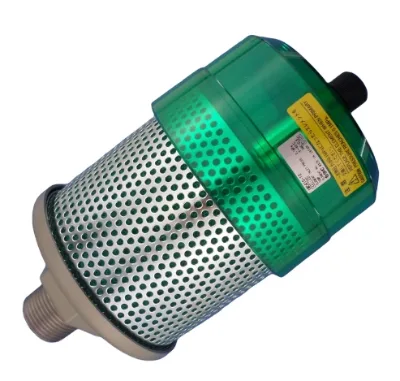
Comprehensive Sourcing Guide
Strategic Sourcing Guide for Industrial Air Duct Silencers
Understanding Technical Specifications and Material Composition
When sourcing industrial air duct silencers, the primary objective is to identify units that effectively mitigate noise while maintaining airflow efficiency and structural integrity. The market offers a diverse array of configurations, ranging from square diffusers to compound and straight pipe types. A critical initial step in the evaluation process is verifying the material composition, as this dictates the unit's durability and suitability for specific environmental conditions. Available options in the current supply base include aluminum and galvanized sheet materials, each offering distinct advantages regarding weight and corrosion resistance. For applications requiring enhanced thermal stability, suppliers may offer units with high-temperature resistant properties, often constructed with steel bodies.
The internal architecture of these silencers is equally vital. High-performance units frequently utilize fiber glass filament as the sound-absorbing material, encased within a fiber glass cloth surface protection layer. This combination is designed to target specific frequency bands, with some models explicitly engineered for high-frequency noise elimination. The physical form factor also varies; buyers may encounter square diffusers designed for air conditioning integration or straight pipe types intended for pipe muffling. The classification of these devices often falls under "Active Silencer" categories, though the specific mechanical design, such as compound or straight pipe configurations, determines the final application scope. It is essential to note that while some models are standardized, the industry standard for many of these components allows for customization, enabling buyers to tailor dimensions and acoustic properties to their unique ductwork requirements.
Compliance, Certification, and Regulatory Standards
Navigating the regulatory landscape is a non-negotiable aspect of B2B procurement for industrial equipment. Buyers must verify that potential suppliers adhere to recognized quality and safety certifications. In the current market, products are frequently associated with CCC (China Compulsory Certification) and ISO standards, which serve as baseline indicators of manufacturing competence and quality management systems. However, the presence of these certifications should be treated as an observation of the supplier's capabilities rather than a universal guarantee for every listed SKU.
Beyond general certifications, the technical standards applied to the manufacturing process are crucial. Some suppliers indicate that their products conform to specific model-based standards, such as the XY series (e.g., XY-05, XY-07, XY-10, up to XY-60), which may dictate dimensional tolerances and acoustic performance metrics. Other listings suggest that the product standard itself is "Customized," implying that the manufacturing process is flexible enough to meet bespoke client specifications rather than adhering to a rigid, pre-defined industry norm. When evaluating compliance, buyers should request documentation that explicitly links the product model to the specific standard it meets. For industrial applications involving fire safety or environmental protection, verifying that the materials used, such as the fiber glass components, meet relevant fire resistance and emission standards is imperative. The origin of the product, often cited as China or specific regions like Zhaoqing and Huizhou, can also influence the regulatory framework applicable to the goods, particularly regarding export compliance and international trade regulations.
Cost Drivers and Pricing Dynamics
The pricing structure for industrial air duct silencers is influenced by a complex interplay of factors, including material selection, customization levels, and packaging requirements. The observed market price range is broad, spanning from $0.08 to $250 USD, reflecting the vast difference between simple, off-the-shelf components and highly engineered, custom-fabricated units. A significant driver of cost is the material choice; aluminum and steel units generally command different price points compared to those made from galvanized sheet, depending on the thickness and treatment applied. Furthermore, the inclusion of specialized sound-absorbing materials like fiber glass filament adds to the manufacturing complexity and, consequently, the unit cost.
Customization is another primary cost variable. While many suppliers offer "Available" customization options, the extent of this customization directly impacts the final price. Units that require specific dimensions, such as the 63*115mm specification, or those designed for niche applications like milking machines or vacuum pumps, will typically be priced higher than standard models. Packaging also plays a role in the total landed cost. Options range from standard carton boxes to more robust plywood board packaging or wooden packing, which are often necessary for heavy industrial shipments to prevent damage during transit. The Minimum Order Quantity (MOQ) further influences the unit economics, with observed ranges from 1 to 500 units. Buyers purchasing at the lower end of the MOQ spectrum may face higher per-unit costs, whereas bulk orders can leverage economies of scale. It is important to note that the "Customization" standard often implies a negotiation on price based on the specific engineering requirements of the buyer, rather than a fixed catalog price.
Typical Applications and Operational Environments
Industrial air duct silencers are deployed across a wide spectrum of sectors, each presenting unique acoustic and environmental challenges. The versatility of these devices is evident in their listed usage categories, which include air conditioning systems, industrial facilities, and environmental protection initiatives. In the HVAC sector, square diffusers are commonly integrated into air distribution networks to reduce the noise generated by fans and blowers, ensuring a comfortable indoor environment. The "Low Noise" performance attribute is a key selling point for these applications, where acoustic comfort is a priority.
Beyond standard commercial and residential HVAC, these silencers are critical in heavy industry and specialized environments. Listings indicate usage in marine, mining, and firefighting applications, suggesting that the units must withstand harsh conditions, including high humidity, corrosive atmospheres, and extreme temperatures. The "High Temperature Resistant" attribute is particularly relevant for industrial processes involving heat generation or for use in fire suppression systems where thermal stability is paramount. Additionally, specific models are designed for niche machinery, such as milking machines and vacuum pumps, where precise noise control is necessary to prevent equipment interference or to meet occupational health standards. The ability to customize the silencer for "Pipe Muffling" further expands its utility, allowing it to be adapted for various duct geometries and flow rates. Buyers must carefully match the silencer's application profile with their specific operational environment to ensure long-term reliability and performance.
Supplier Evaluation and Quality Assurance
Evaluating suppliers for industrial air duct silencers requires a rigorous assessment of their production capabilities, quality control measures, and after-sales support. A reliable supplier should demonstrate a clear understanding of the product's technical specifications, including the ability to produce units with specific models like NCC-01, NCC-03, NCC-10, NCC-11, NCC-16, or the XY series. The "Quality Level" is often cited as "High," but buyers should verify this through third-party audits or detailed quality assurance documentation. The presence of a "Warranty" period, such as a 1-year warranty, and a commitment to "After Sales" support are strong indicators of a supplier's confidence in their product and their dedication to customer satisfaction.
When assessing a supplier, it is essential to review their manufacturing location and logistics capabilities. Origins such as China Zhaoqing and Huizhou suggest established industrial hubs with access to specialized labor and supply chains. However, buyers should also consider the lead times and the flexibility of the supplier to handle custom orders. The packaging methods, whether carton, plywood board, or wooden packing, should be evaluated for their ability to protect the product during shipping, especially for heavy or fragile components. A supplier that offers "Customizable" packaging demonstrates a customer-centric approach, ensuring that the goods arrive in optimal condition. Furthermore, the ability to provide "Customization" in terms of color, size, and model specification is a key differentiator. Buyers should request samples or detailed technical drawings to verify that the supplier can meet their specific design requirements before committing to a large order.
Long-Term Procurement Considerations and Maintenance
Sourcing industrial air duct silencers is not merely a transactional activity but a strategic decision that impacts long-term operational efficiency and maintenance costs. The durability of the materials used, such as the steel body and fiber glass components, directly influences the lifespan of the unit. Buyers should consider the maintenance requirements of the silencer, particularly the need to inspect and replace sound-absorbing materials that may degrade over time due to dust accumulation or moisture exposure. The "High Temperature Resistant" feature is a critical long-term consideration for facilities operating in high-heat environments, as it reduces the risk of premature failure and the associated downtime costs.
Another significant factor is the scalability of the procurement strategy. As industrial facilities expand or modify their HVAC systems, the ability to source additional silencers that match the existing specifications is crucial. Suppliers that offer a wide range of models and customization options provide greater flexibility for future expansions. The "Customized" standard and the availability of various models suggest that the market is capable of supporting evolving needs. However, buyers must ensure that the supplier maintains consistent quality across different production batches. The "Warranty" and "After Sales" support mechanisms should be clearly defined in the procurement contract to mitigate risks associated with product failure. Additionally, the environmental impact of the materials used, such as the fiber glass cloth and filament, should be considered in the context of sustainability goals. By selecting suppliers who prioritize high-quality materials and robust manufacturing standards, buyers can ensure a reliable supply chain that supports their long-term operational objectives.
Comparative Analysis of Product Attributes
To facilitate informed decision-making, the following table summarizes key attributes observed in the current market for industrial air duct silencers. This comparison highlights the diversity in materials, models, and applications available to buyers.
| Attribute Category | Observed Options | Relevance to Procurement |
|---|---|---|
| Material | Aluminum, Galvanized Sheet, Steel | Determines corrosion resistance, weight, and thermal stability. |
| Sound Absorbing Material | Fiber Glass Filament | Critical for high-frequency noise elimination and acoustic efficiency. |
| Product Models | NCC-01, NCC-03, NCC-10, NCC-11, NCC-16, XY Series | Indicates specific design configurations and dimensional standards. |
| Applications | Air Conditioner, Marine, Mining, Firefighting, Industry | Matches the silencer to the specific operational environment. |
| Packaging | Carton Box, Plywood Board, Wooden Packing | Impacts shipping safety and suitability for heavy industrial loads. |
| Customization | Available, Customized, Color Customization | Allows tailoring to specific project requirements and constraints. |
| Certifications | CCC, ISO | Provides baseline assurance of quality and regulatory compliance. |
| Warranty | 1 Year | Indicates supplier confidence and risk mitigation for the buyer. |
This comparative overview underscores the necessity of a detailed specification review before finalizing a procurement decision. By aligning the specific attributes of the product with the operational needs of the facility, buyers can optimize their investment in industrial air duct silencers.
FAQs
What certifications do industrial air duct silencers typically have?
Products often carry CCC and ISO certifications as baseline quality indicators. These certifications reflect manufacturing competence but are not universal guarantees for every listed SKU.
Which materials are used for industrial air duct silencers?
Common materials include aluminum, galvanized sheet, and steel bodies. Steel units may feature fiber glass cloth surface protection and fiber glass filament sound absorbing material.
Can these silencers be customized for specific applications?
Yes, customization is available for dimensions, colors, and specific models like NCC-01 or XY series. Buyers can tailor acoustic properties and physical form factors to unique ductwork requirements.
What is the warranty period for these industrial silencers?
A standard 1-year warranty is often provided for these units. Suppliers also typically offer after-sales support to ensure long-term reliability and customer satisfaction.
How are these products packaged for shipping?
Packaging options include carton boxes, plywood board packaging, and wooden packing. The choice depends on the product weight and the need for robust protection during transit.
What are the primary applications for these silencers?
They are used for air conditioning, industrial facilities, marine, mining, and firefighting applications. Some models are also designed for niche machinery like milking machines and vacuum pumps.