Source Industrial Grade Octabenzone for Sunscreens, Cosmetics, and Plastics
Find 30 listings for Industrial Grade Octabenzone from suppliers in China. Compare specifications such as CAS 1843-05-6, purity levels, and packaging options to identify suitable UV absorbers for your manufacturing needs; compare the available evidence and request quotations based on your requirements.
Key considerations
Products List




Comprehensive Sourcing Guide
Industrial Grade Octabenzone Sourcing Guide
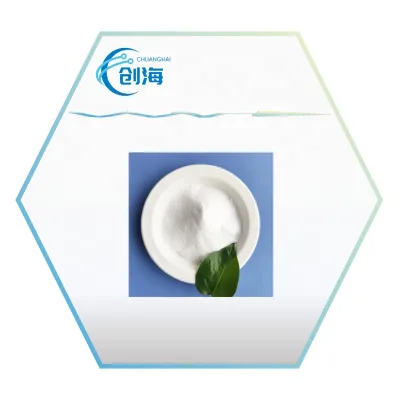
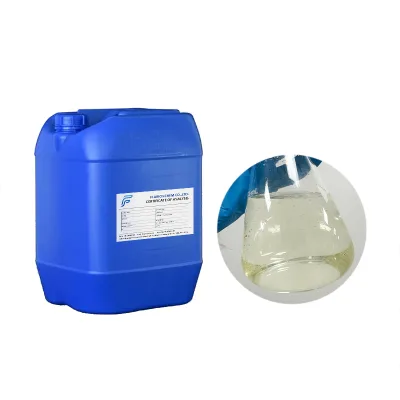
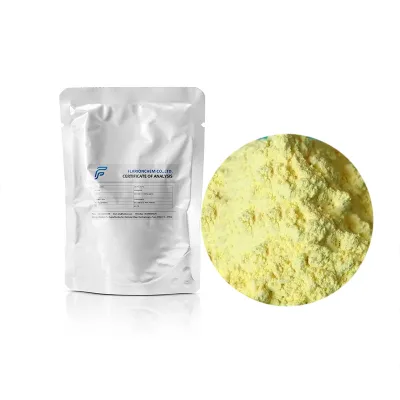
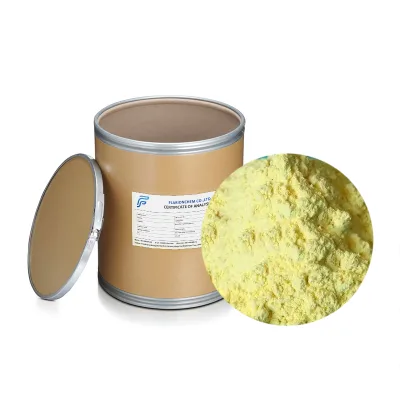
Procuring Industrial Grade Octabenzone requires careful attention to the specific physical forms observed in the market, which range from yellow powders to colorless liquids. Buyers must distinguish between products labeled as synthesis material intermediates and those explicitly identified as foaming agents, as these classifications dictate downstream processing requirements. The observed listings indicate a significant variance in appearance, with some entries describing a yellow powder form while others specify a colorless liquid state, necessitating strict verification of the physical state before placing orders.
Commercial availability often includes customization options and OEM/ODM supply types, allowing for tailored packaging solutions such as 25kg bags or 200kg iron drums. However, the origin of these materials varies, with specific listings pointing to Jiangsu and Shandong provinces in China, which influences logistics planning and potential tariff implications. Sourcing teams should prioritize suppliers who clearly define their product model numbers, such as 1843-05-6 or QM 478, to ensure the chemical identity matches the intended application without ambiguity.
Product Scope and Observed Listing Signals
The market for octabenzone presents a complex array of product signals, including specific CAS numbers like 1843-05-6 and alternative identifiers such as UV-531. Buyers must navigate listings that describe the substance as a synthesis material intermediate or a foaming agent, as these terms may reflect different purity levels or intended industrial uses. The presence of multiple product models, including 175 and zhishang, suggests that generic searches may yield non-standardized results, requiring buyers to cross-reference specific model numbers with their technical requirements.
Packaging and physical attributes vary significantly across suppliers, with observed options ranging from 25kg drums to 200kg iron drums and standard bags. Some listings highlight a melting point of 47 degrees Celsius, while others indicate a higher melting point of 62 degrees, creating potential confusion regarding the exact grade being offered. Procurement professionals must verify these physical constants against their processing equipment capabilities, as the boiling point and density values also fluctuate between 1.160 and 1.3, affecting storage and handling protocols.
Technical Specifications to Verify
Technical verification begins with confirming the chemical identity through CAS numbers and specific product models like 1843-05-6, which is frequently associated with UV-531 and Octabenzone. Buyers should demand test reports that explicitly state the melting point, as observed values range from 47 to 62 degrees Celsius, and the boiling point, which varies between 150 and 424.46 degrees Celsius depending on the specific formulation. These thermal properties are critical for determining the stability of the material during high-temperature manufacturing processes.
Density and purity levels are equally critical parameters that must be validated against the supplier's data sheet. Observed density figures include 1.160 and 1.3, while purity claims range from 99% to 99.00% minimum, with some listings specifying a content percentage of 99.00. It is essential to distinguish between industrial grade and refined quality claims, as the latter may imply stricter impurity limits. Buyers should request batch-specific certificates of analysis to confirm that the density and purity match the specific product model ordered, ensuring consistency across production runs.
Compliance and Safety Documentation
Safety and compliance documentation must address the environmental protection status of the product, as several listings explicitly confirm that the material meets environmental standards. Buyers should verify that the supplier provides Material Safety Data Sheets (MSD) that align with the observed flash point of 102 degrees Celsius, which dictates storage and transportation safety requirements. The presence of ISO 9001 certification in some listings indicates a commitment to quality management, but this should be cross-referenced with specific safety data for the exact batch being purchased.
Regulatory compliance extends to the grade standard, with industrial grade being a common classification in the observed listings. Procurement teams must ensure that the product meets the specific regulatory requirements of the destination country, particularly regarding the use of synthesis material intermediates in consumer goods. The distinction between industrial grade and refined quality often correlates with different regulatory thresholds, so buyers must confirm that the selected grade is legally permissible for their intended application without requiring additional processing or certification.
Cost Drivers and Commercial Terms
Cost structures for Industrial Grade Octabenzone are influenced by the observed minimum order quantities, which range from 1kg to 1000 units, and the specific packaging requirements such as 25kg bags or 200kg drums. The price range in the market spans from 0.5 to 6000 USD, reflecting the vast difference between small sample orders and bulk industrial shipments. Buyers must account for the fact that higher purity levels, such as the 99% or 99.00% minimum claims, often command a premium price compared to standard industrial grades.
Commercial terms also include delivery lead times, which are observed to be as short as 3-5 days for certain suppliers, and shipping methods that include FedEx, air, and sea freight. The origin of the product, whether from Jiangsu or Shandong, impacts the logistics cost and transit time, which must be factored into the total landed cost calculation. Additionally, the availability of customization options may introduce variable costs that need to be negotiated upfront, ensuring that the final price reflects the specific packaging and quality requirements of the order.
Supplier Qualification and Quality Control
Supplier qualification should prioritize those who offer OEM/ODM supply types and demonstrate a clear track record of providing consistent product models like 1843-05-6. The presence of ISO 9001 certification is a positive indicator, but buyers must verify that this certification covers the specific manufacturing site and product line in question. It is crucial to assess the supplier's ability to maintain the observed quality standards, such as the 99% purity or refined quality claims, across multiple production batches to ensure long-term reliability.
Quality control processes must include rigorous testing of physical attributes like color, appearance, and density to match the specific product specifications. Buyers should require pre-shipment inspections that verify the product is indeed a yellow powder or colorless liquid as described, and that the melting and boiling points align with the provided data. The ability of the supplier to provide detailed test results for each batch is essential for maintaining product consistency and preventing disruptions in the buyer's manufacturing process due to specification deviations.
Long-Term Procurement Checks
Long-term procurement strategies should focus on establishing a stable supply chain that can consistently deliver the specific product models and quality grades required. Buyers must monitor the supplier's ability to maintain the observed lead times of 3-5 days and the flexibility to handle varying order sizes from 1kg to 1000 units without compromising quality. Regular audits of the supplier's quality control processes and certification status are necessary to ensure that the product continues to meet the industrial grade standards and environmental protection requirements.
Continuous verification of the product's physical and chemical properties is essential to detect any drift in quality over time. Buyers should implement a system for periodic re-testing of incoming batches to confirm that the density, melting point, and purity levels remain within the specified ranges. This proactive approach helps mitigate the risk of supply chain disruptions and ensures that the Industrial Grade Octabenzone remains suitable for its intended applications, maintaining the integrity of the final products manufactured by the buyer.
FAQs
What is the physical appearance of Industrial Grade Octabenzone?
Industrial Grade Octabenzone typically appears as a yellow powder or colorless liquid depending on the specific product model and supplier. The material is often described as refined synthesis material intermediates. Buyers should verify the exact form, such as powder or liquid, and color, such as yellow or colorless, when reviewing product specifications to ensure compatibility with their formulation requirements.
Can I customize the packaging for bulk industrial octabenzone orders?
Yes, customization is available for industrial octabenzone orders to meet specific logistical needs. Standard packaging options include 25kg bags, 200kg iron drums, or 25kg drums. The product origin, such as Jiangsu or Shandong, may influence the standard packing configuration. Buyers should confirm the exact packaging type and weight with the supplier to ensure it aligns with their storage and handling capabilities.
What certifications are required for Industrial Grade Octabenzone suppliers?
Suppliers of Industrial Grade Octabenzone often hold ISO 9001 certification to ensure quality management standards. The product is classified as industrial grade, indicating it meets specific purity and performance criteria for manufacturing applications. Buyers should request valid certification documents to verify that the supplier adheres to recognized quality standards and regulatory requirements for chemical intermediates and UV absorbers.
How fast is the delivery time for octabenzone shipments?
The delivery time for octabenzone is typically 3-5 days for standard orders. Shipping methods include FedEx, air freight, or sea freight depending on the order volume and destination. Buyers should confirm the exact lead time with the supplier, as it may vary based on stock availability and the chosen shipping method. Early planning is recommended to ensure timely receipt of materials.
What is the minimum order quantity for industrial octabenzone?
The minimum order quantity for industrial octabenzone can start as low as 1kg, offering flexibility for small-scale testing or production runs. However, standard bulk orders may require higher quantities, such as 25kg or 200kg, depending on the supplier's standard. Buyers should verify the specific MOQ with the supplier to ensure it aligns with their procurement volume and budget constraints.
Where is Industrial Grade Octabenzone typically manufactured?
Industrial Grade Octabenzone is typically manufactured in China, with specific origins including Jiangsu and Shandong provinces. These regions are known for producing chemical intermediates and UV absorbers. Buyers should verify the exact origin of the product to assess logistics costs and supply chain reliability. The location may also influence the available packaging options and shipping methods offered by the supplier.