Source Industrial Grade On Board Charger for EV Bus Truck
Compare 25 Industrial Grade On Board Charger options with varying power ratings from 1.5kW to 20kW. Buyers can evaluate specifications like output voltage, cooling types, and control methods for applications in electric vehicles, buses, boats, and trucks.
Key considerations
Products List

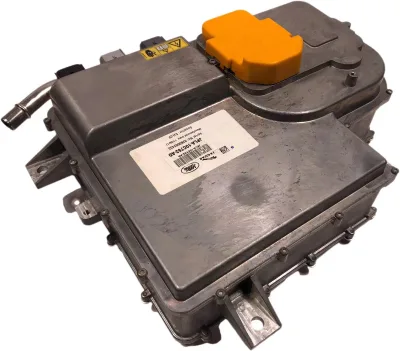
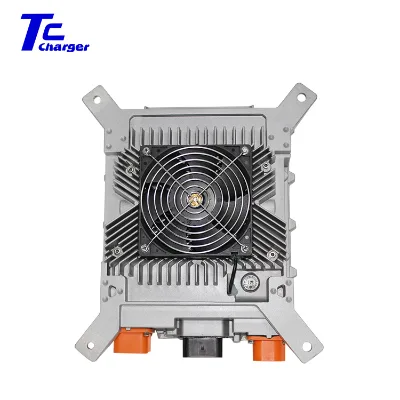
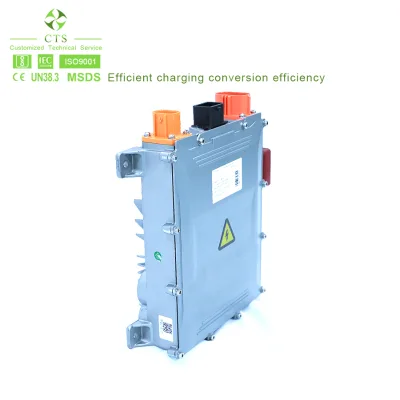
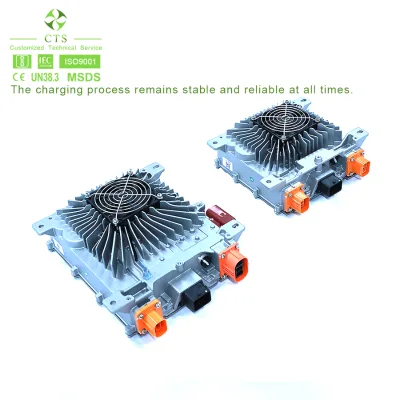
Industrial Grade 10kw on Board Charger for Electric Boat and Forklift
$900.00 - $1500.00
MOQ: 1 Pieces


Comprehensive Sourcing Guide
Strategic Sourcing Guide for Industrial Grade On Board Chargers
Understanding the Technical Landscape of On Board Chargers
The Industrial Grade On Board Charger (OBC) represents a critical component in the electrification of heavy-duty and specialized transport sectors. Unlike standard residential chargers, these units are engineered to handle the rigorous demands of electric buses, trucks, boats, and industrial vehicles. The core technical specification observed in the current market centers on power ratings that typically range from 1.5 kW to 20 kW, with specific models designated as 10 kW and 20 kW units. These ratings are not merely nominal; they dictate the charging speed and the thermal management systems required to maintain operational integrity during extended cycles.
A defining characteristic of these industrial units is their versatility in output voltage. The supply chain data indicates a broad compatibility with battery systems ranging from 24V to 100V DC. This includes specific configurations for 48V, 60V, and 72V systems, which are common in medium-duty electric vehicles and specialized industrial machinery. The input voltage requirements are equally flexible, supporting standard AC inputs of 110VAC, 220VAC, and 230VAC. This adaptability allows procurement teams to source a single unit type that can be deployed across different regional grids or varied vehicle fleets without requiring complex electrical infrastructure modifications.
Efficiency is another paramount technical metric. High-performance industrial OBCs in this category demonstrate an efficiency rating of approximately 94%. Achieving this level of efficiency is critical for minimizing energy loss and reducing heat generation, which directly impacts the lifespan of the battery and the charger itself. To manage the thermal load associated with high-power charging, manufacturers utilize advanced cooling strategies. The observed market options include both force air cooling and liquid cooling systems. The choice between these two methods often depends on the specific application environment; liquid cooling is generally preferred for high-density, high-power applications like electric buses, while force air cooling may suffice for lighter industrial trucks or boats.
Compliance Standards and Certification Verification
When sourcing industrial grade equipment, verifying compliance with international standards is not optional; it is a prerequisite for safety and market access. The supply data highlights adherence to several critical international standards, including IEC 62196, GBT 18487, SAE J1772, and NACS. These standards govern the physical interface of the charging connector, communication protocols, and safety requirements for electric vehicle charging systems. Buyers must ensure that the specific unit they procure explicitly states compliance with the standard relevant to their target market, as regional regulations vary significantly.
In addition to connector and communication standards, electrical safety is governed by specific certification frameworks. While specific certification marks like CE are noted in background data, procurement teams must verify the actual certification status of the unit against the supplier's documentation. The industry also references standards such as UL 4900, UL 1012, and UL 1310, which pertain to battery chargers and related equipment. However, these should be treated as verification targets rather than guaranteed attributes. The buyer must request valid test reports and certificates of conformity that specifically match the model number being purchased.
Safety features are further enhanced through specific design elements observed in the product specifications. For instance, the inclusion of an IP65 rating indicates a high level of protection against dust and water jets, making the unit suitable for outdoor or harsh industrial environments. Similarly, an IK10 rating ensures resistance to mechanical impacts, a crucial feature for equipment installed in public use areas or on moving vehicles. The RCD (Residual Current Device) type is another critical safety component, with Type a+6mA DC protection being a notable specification. This specific type of protection is essential for detecting DC leakage currents, which are common in EV charging scenarios and pose significant safety risks if not managed correctly.
Cost Drivers and Pricing Structure Analysis
The pricing structure for industrial grade on board chargers is influenced by a complex interplay of power rating, cooling technology, and customization requirements. The observed market range spans from $10 to $4,800 USD. This wide variance is primarily driven by the power output and the sophistication of the internal components. A 1.5 kW unit will naturally command a lower price point compared to a 20 kW unit, which requires heavier-duty semiconductors, larger heat sinks, and more robust cooling systems.
Customization is a significant cost driver in this sector. The availability of customization options allows buyers to tailor the product to specific vehicle architectures or operational needs. However, these customizations often come with a premium. Factors such as specific cable lengths, custom connector types (such as Schuko, Type 2, Type 1, or GBT), and unique control methods like Can Bus Control or Enable interfaces can alter the final cost. The Minimum Order Quantity (MOQ) also plays a role in the unit price. The observed MOQ range is between 1 and 50 units. Buyers purchasing at the lower end of this range may face higher per-unit costs due to the lack of economies of scale, whereas bulk orders can leverage volume discounts.
Packaging and logistics are secondary but relevant cost factors. The product specifications indicate packaging in cartons or airplane boxes, with dimensions varying based on the model. For example, some units are packed in boxes measuring 30cm x 30cm x 10cm, while others may have larger dimensions. These packaging requirements affect shipping costs, particularly for international procurement from China. Buyers should factor in the weight and volume of the packaging when calculating the total landed cost, especially for high-power units that may require specialized handling.
Typical Applications and Operational Environments
The versatility of industrial grade on board chargers is best understood through their diverse application scenarios. The primary applications identified include electric vehicles (EVs), buses, boats, and trucks. Each of these sectors presents unique challenges that the charger must address. For electric buses and trucks, the high power ratings of 10 kW and 20 kW are essential for rapid turnaround times in fleet operations. The ability to handle high input voltages and provide stable DC output to large battery banks is critical for maintaining fleet availability.
Boats and marine applications introduce a different set of requirements, particularly regarding corrosion resistance and waterproofing. The IP65 rating and IK10 impact resistance observed in the specifications are particularly relevant here. The ability to operate in environments with high humidity and salt exposure is a key differentiator for marine-grade chargers. Additionally, the temperature range of negative 20°C to 50°C ensures that the charger can function reliably in both cold and hot climates, which is vital for vessels operating in diverse geographical locations.
Industrial applications, such as Automated Guided Vehicles (AGVs) and engineering vehicles, also benefit from these chargers. The specific mention of models designed for AGVs highlights the niche market for automated logistics. These units often require precise control methods and integration with existing fleet management systems. The Can Bus Control feature allows for seamless communication between the charger and the vehicle's central control unit, enabling automated charging schedules and real-time monitoring. The adjustable current feature, with ranges such as 8-10-13-16-32A, provides the flexibility needed to optimize charging times based on battery state and operational constraints.
Supplier Evaluation and Quality Assurance Protocols
Selecting the right supplier for industrial grade on board chargers requires a rigorous evaluation process that goes beyond price comparison. The origin of the product is a key factor, with the majority of observed units originating from China, specifically from regions like Anhui. While this indicates a mature manufacturing ecosystem, buyers must verify the supplier's track record in producing industrial-grade equipment. The presence of a 12-month after-sales support period is a standard offering, but buyers should clarify the scope of this support, including warranty terms, spare parts availability, and technical assistance response times.
Quality control should be a central part of the supplier evaluation. Buyers must demand evidence of the manufacturing process, including inspection reports and quality assurance protocols. The specification of materials, such as TPU/TPE for outer skin materials, indicates a focus on durability and safety. However, these claims must be backed by physical testing data. The supplier should be able to provide test results for the IP65 and IK10 ratings, as well as efficiency tests confirming the 94% efficiency claim. Without such documentation, these specifications remain unverified assertions.
The control method and communication protocols are also indicators of supplier capability. Units offering Can Bus Control or Enable interfaces demonstrate a higher level of engineering sophistication. Buyers should verify that the supplier has the technical expertise to support these advanced features, including firmware updates and integration assistance. The availability of OEM options for cables, connectors, and packing further suggests a supplier capable of meeting custom requirements. However, the buyer must ensure that these OEM options do not compromise the core safety and performance standards of the unit.
Long-Term Procurement and Lifecycle Management
Procuring industrial grade on board chargers is a long-term investment that requires careful consideration of the product's lifecycle. The 12-month after-sales support period is a starting point, but buyers should plan for the long-term maintenance and replacement of these units. The cooling type, whether force air or liquid, will influence the maintenance schedule. Liquid cooling systems, while more efficient, may require more specialized maintenance and potential coolant replacement over time. Force air cooling systems may require regular cleaning of filters and fans to prevent dust accumulation.
The customization options available, such as adjustable current and delay charging time, offer flexibility that can extend the useful life of the charger. For example, the ability to adjust the current allows the charger to be optimized for different battery chemistries or aging states, potentially extending the battery's lifespan. The delay charging time feature, ranging from 0 to 12 hours, allows for load management and energy cost optimization, which is particularly valuable for fleet operators looking to reduce operational expenses.
As the market evolves, buyers should remain vigilant about updates to standards and regulations. The current compliance with IEC 62196, GBT 18487, and other standards is a snapshot of the current regulatory landscape. Future changes in these standards may require upgrades or replacements of existing chargers. Therefore, buyers should prioritize suppliers who demonstrate a commitment to continuous improvement and compliance with emerging standards. The ability to source units with specific model numbers, such as QD10 or hf4820, suggests a stable product line, but buyers should verify the long-term availability of these models and their associated spare parts.
Conclusion
Sourcing industrial grade on board chargers requires a balanced approach that considers technical specifications, compliance, cost, and long-term operational needs. The market offers a wide range of options, from 1.5 kW to 20 kW units, with diverse voltage and cooling configurations. By carefully evaluating suppliers, verifying compliance with international standards, and planning for long-term maintenance, buyers can secure reliable charging solutions for their electric fleets. The observed data provides a solid foundation for decision-making, but the ultimate success of the procurement depends on rigorous due diligence and a clear understanding of the specific operational requirements of the intended application.
FAQs
What output voltage ranges are supported by these chargers?
These industrial chargers support output voltages ranging from 24V to 100V DC. Specific configurations include 48V, 60V, and 72V systems suitable for various electric vehicles and industrial machinery applications.
Can the charger be customized for specific vehicle needs?
Yes, customization is available to tailor the product to specific vehicle architectures. Buyers can request unique cable lengths, connector types, and control interfaces like Can Bus Control to match operational requirements.
How efficient are the industrial grade on board chargers?
The observed efficiency rating for these units is approximately 94%. This high efficiency minimizes energy loss and heat generation, which directly impacts the lifespan of both the battery and the charger unit.
Which cooling types are available for high-power applications?
Available cooling options include force air cooling and liquid cooling systems. The choice depends on the application environment, with liquid cooling preferred for high-density uses like electric buses and force air for lighter trucks.
What input voltage options does the charger accept?
The charger accepts standard AC input voltages of 110VAC, 220VAC, and 230VAC. This flexibility allows deployment across different regional grids without requiring complex electrical infrastructure modifications for the buyer.
What safety standards and ratings do these units meet?
Units meet standards such as IEC 62196 and GBT 18487 with IP65 and IK10 ratings. These ensure protection against dust, water jets, and mechanical impacts, making them suitable for outdoor or harsh industrial environments.