Source Industrial Lump Paraffin Wax for Candle Making, PVC Processing, and Rubber Tire Applications
Find and compare 21 listings for Industrial Lump Paraffin Wax suitable for candle manufacturing, PVC processing, and rubber tire production. Evaluate specifications such as melting points, oil content, and packaging options to identify the right raw material for your industrial needs.
Key considerations
Products List


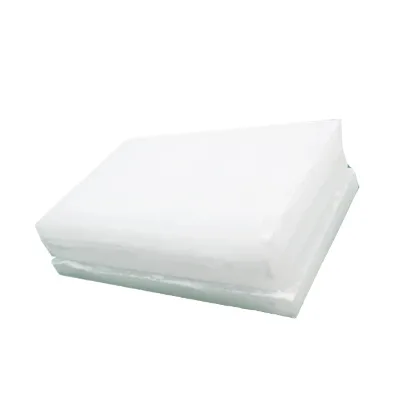
White Lump Paraffin Wax with High Melting Point for Various Industrial Uses
$850.00 - $1205.00
MOQ: 1 Tons




Comprehensive Sourcing Guide
Industrial Lump Paraffin Wax Sourcing Guide
Procuring Industrial Lump Paraffin Wax requires a disciplined approach to distinguishing between refined and semi-refined grades, as the intended application dictates the necessary purity and physical properties. Buyers must first align their specific processing needs, such as PVC manufacturing or poultry depilation, with the available product forms, which range from white lumps to granular and slab configurations. The supply chain for this commodity is heavily influenced by the origin of the crude oil feedstock, with major production hubs in China, particularly Liaoning and Fushun, offering distinct variations in oil content and melting points that directly impact performance in end-use scenarios.
The decision to source lump paraffin wax involves evaluating the trade-off between cost efficiency and technical consistency, as the physical form affects handling, storage, and melting rates in industrial settings. While the product is often packaged in bags or cartons for bulk transport, the specific packing standard, such as 25kg or 50kg units, must be verified to ensure compatibility with existing logistics infrastructure. Buyers should also consider the customization availability offered by suppliers, which can be critical for adapting the wax to specialized processes like candle making, rubber tire manufacturing, or food packaging where specific melting characteristics are non-negotiable.
Product Scope and Observed Listing Signals
The market for Industrial Lump Paraffin Wax presents a diverse range of listings characterized by specific model numbers that indicate melting point ranges, such as 56/58, 58/60, and 60/62 degrees Celsius. These numerical designations are not merely marketing labels but represent critical thermal thresholds that determine the wax's suitability for applications ranging from building materials to impression wax. When reviewing product listings, buyers should observe that the "Industrial Grade" classification is the standard baseline, though some entries may specify "Fully Refined" or "Semi Refined" variants, which necessitates a deeper inquiry into the deoiling scale and chief constituents to ensure the oil content meets the strict requirements of the intended process.
Listing signals also reveal significant variations in physical appearance and form, with products described as white lumps, granular, or powder, each presenting different handling challenges for the procurement team. The observed price range of 1.08 to 1250 USD reflects the disparity between raw material grades and finished, customized products, requiring buyers to scrutinize the unit price against the specified packaging and minimum order quantities (MOQ), which typically range from 1 to 36 units. It is essential to verify that the listed "White" color and "Solid" appearance are consistent with the actual shipment, as these visual attributes are primary indicators of the refining process and the absence of impurities that could compromise the final product quality.
Technical Specifications to Verify
The most critical technical parameter to verify is the needle penetration value, which serves as a direct measure of the wax's hardness and consistency under load. For industrial applications, the observed data indicates a maximum needle penetration of 19 at 25 degrees Celsius, a specification that must be confirmed through third-party testing to ensure the wax will not soften prematurely during high-temperature processing or storage. Buyers should demand test reports that explicitly state the testing conditions and results, as variations in this metric can lead to failures in applications like rubber tire manufacturing or candle casting where structural integrity is paramount.
Melting point and oil content are equally vital specifications that define the thermal stability and purity of the paraffin wax. Listings frequently cite melting points between 56 and 60 degrees Celsius, with oil content ranging from a maximum of 0.8% down to 0.5%, depending on the degree of refining. Procurement teams must verify that the "Scale of Deoiling" is indeed 100% for fully refined grades, as residual oil can negatively affect the performance of the wax in food packaging or cosmetic applications. Additionally, the "Chief Constituents" should be confirmed as primarily wax, with any additives or impurities clearly disclosed to prevent unexpected reactions during the manufacturing process.
Compliance and Safety Documentation
Safety documentation for industrial paraffin wax must address the specific hazards associated with high-temperature handling and the potential for skin irritation or inhalation of dust in granular forms. While the product is generally classified as safe for various industrial uses, including food packaging and candle making, buyers must ensure that the supplier provides Material Safety Data Sheets (MSDS) that align with international standards for chemical handling. The documentation should explicitly confirm that the production methods are "Transfer Legal," indicating compliance with regulatory frameworks regarding the movement and processing of petroleum-derived products.
For applications involving direct contact with food or cosmetics, such as food packaging or anti-aging formulations, the safety profile of the wax must be rigorously validated against relevant food-grade or cosmetic-grade standards. Although the supplied facts mention "All Ages" as an age group for certain applications, this claim requires verification against specific regulatory approvals for the target market, such as FDA or EU regulations. Buyers should not assume compliance based on general product descriptions but must request certificates of analysis that confirm the absence of prohibited substances and validate the safety of the "White Lump" or "Granular" forms for their specific use case.
Cost Drivers and Commercial Terms
The cost of Industrial Lump Paraffin Wax is primarily driven by the grade of the raw material, with "Kunlun Oil" and "Petrochina Fushun" cited as key feedstock sources that influence the final price and quality consistency. Buyers should anticipate that fully refined grades with lower oil content and higher melting points will command a premium over semi-refined variants, and this price differential must be weighed against the specific performance requirements of the production line. The observed MOQ range of 1 to 36 units suggests flexibility for smaller buyers, but larger volume orders may unlock better pricing tiers, necessitating a strategic approach to inventory management and cash flow planning.
Commercial terms regarding packaging and shipping are significant cost drivers that can impact the total landed cost of the product. Listings indicate packaging options ranging from individual bags to 25kg boxes and 50kg cartons, with some suppliers offering containerized shipping for large orders. Buyers must clarify whether the quoted price includes the cost of the packaging materials and if the "Container" or "Bag" specifications meet the logistical constraints of their facility. Furthermore, the "Production Methods" and "Transfer Legal" status should be factored into the commercial agreement to ensure that any regulatory costs or compliance fees are transparently accounted for in the final invoice.
Supplier Qualification and Quality Control
Supplier qualification for industrial paraffin wax should focus on verifying the origin of the product, with Liaoning, China (Mainland) and Fushun being prominent production hubs that offer established supply chains. Buyers must confirm that the supplier has a proven track record of maintaining consistent quality across different batches, as variations in the "Scale of Deoiling" or "Needle Penetration" can occur if the refining process is not tightly controlled. It is advisable to request samples from the specific production batch intended for the order to verify that the "White" color and "Solid" form match the product description before committing to a large-scale purchase.
Quality control protocols should include regular testing of the "Needle Penetration" and "Oil Content" to ensure that the product remains within the specified limits of 19max and 0.8%Max, respectively. Buyers should establish a clear communication channel with the supplier to address any deviations in the "Technical Data" and to request immediate corrective actions if the product fails to meet the agreed-upon standards. The "Production Methods" should be reviewed to ensure they adhere to industry best practices, and the supplier should be willing to provide detailed records of their quality assurance processes to demonstrate their commitment to delivering reliable industrial-grade paraffin wax.
Long-Term Procurement Checks
Establishing a long-term procurement strategy for Industrial Lump Paraffin Wax requires regular audits of the supplier's ability to maintain consistent product specifications over time. Buyers should implement a schedule for periodic re-testing of the wax to verify that the "Melting Point" and "Oil Content" remain stable, as shifts in these parameters can indicate changes in the raw material source or refining process. This proactive approach helps mitigate the risk of production disruptions and ensures that the wax continues to meet the rigorous demands of applications like PVC processing, rubber tire manufacturing, and candle making.
Strategic partnerships with suppliers should also include a review of their capacity to scale production and adapt to changing market conditions, such as fluctuations in crude oil prices or shifts in regulatory requirements. Buyers should monitor the "Chief Constituents" and "Forms" of the product to ensure they remain aligned with evolving industry standards and customer expectations. By maintaining a close relationship with the supplier and regularly reviewing the "Technical Data" and "Standard" compliance, buyers can secure a reliable supply chain that supports their long-term operational goals and minimizes the risk of supply chain interruptions.
FAQs
What is the melting point range for Industrial Lump Paraffin Wax?
The melting point typically ranges from 56 to 60 degrees Celsius, depending on the specific model such as 56/58 or 58-60. This temperature range ensures stability during storage and handling. It is suitable for applications requiring moderate heat resistance, such as candle manufacturing and PVC processing, without compromising structural integrity under normal conditions.
Can industrial paraffin wax be customized for specific packaging needs?
Yes, customization is available for packaging requirements. Options include bags, cartons, or containers, with common formats like 25kg boxes or 50kg bags. This flexibility allows buyers to select packaging that aligns with their logistics and storage capabilities. The solid white lump form ensures easy handling and minimal dust generation during transport and storage.
What are the primary usage applications for this paraffin wax?
Primary applications include candle manufacturing, PVC processing, poultry depilation, and rubber tire production. It is also used in building materials, food packaging, and casting wax. The high temperature resistance and low oil content make it ideal for these diverse industrial processes, ensuring consistent performance and quality across various manufacturing sectors and end-product applications.
What is the maximum oil content in this industrial grade wax?
The maximum oil content is 0.8%, with some variants offering as low as 0.5%. This low oil content contributes to the wax's hardness and stability. It ensures better performance in applications like candle making and packaging, where excessive oil could lead to softening or bleeding. The scale of deoiling is 100%, ensuring consistent quality.
Where is this paraffin wax manufactured and what is the origin?
The product originates from Liaoning, China, specifically from Petrochina Fushun. Kunlun Oil is cited as the raw material source. This location indicates a established industrial base for paraffin production. Buyers can expect consistent supply from this region, which is known for its petroleum refining capabilities and industrial-grade chemical production standards.