Source Industrial Manual Torque Multiplier for Heavy Machinery, Automotive, and Construction
Find and compare 30 Industrial Manual Torque Multiplier options from global suppliers. Evaluate key specifications such as torque range, transmission ratio, and material composition to select the right tool for your specific mechanical assembly needs.
Key considerations
Products List


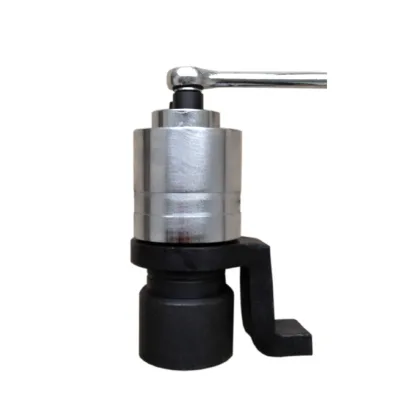
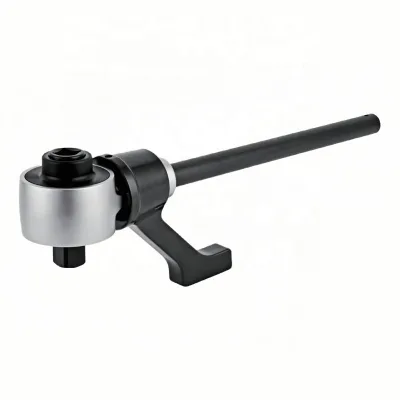
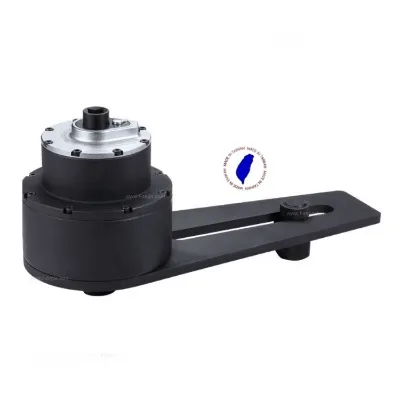
7500nm Manual Force Torque Multiplier Wrench Angled Handle Torque Multiplier
$1790.00 - $1855.00
MOQ: 1 Pieces





Comprehensive Sourcing Guide
Industrial Manual Torque Multiplier Sourcing Guide
Sourcing industrial manual torque multipliers requires a disciplined approach to verifying mechanical specifications, material integrity, and supplier capability. These tools are essential for high-torque fastening applications where manual effort alone is insufficient, relying on planetary gear systems to amplify input force. Buyers must navigate a market characterized by significant variation in transmission ratios, jaw capacities, and material compositions. The following guide outlines the critical verification steps necessary to secure reliable equipment that meets operational demands and safety standards.
The procurement process begins with a clear definition of the required torque range and physical constraints. Observed listings indicate a wide spectrum of capabilities, with torque outputs ranging from 1,000 Nm to over 50,000 Nm. This variance dictates the selection of specific models, such as the TW-416W or SOV-FDB series, each suited for different bolt sizes and nut dimensions. Understanding these technical boundaries is the first step in preventing costly mismatches between tool capability and application requirements.
Product Scope and Observed Listing Signals
The current market for manual torque multipliers presents a diverse array of options, primarily driven by customization needs and regional manufacturing origins. Listings frequently highlight support for OEM, ODM, and OBM services, indicating that many suppliers are equipped to tailor products to specific industrial requirements. The observed price range spans from $10 to $5,000 USD, reflecting differences in build quality, torque capacity, and included accessories. Minimum order quantities (MOQ) vary significantly, ranging from single units for testing to batches of 500 for large-scale deployment, allowing flexibility for both prototype development and mass procurement.
Material composition is a primary differentiator among available products, with listings citing Alloy Steel, Chrome-vanadium Steel, and Aluminum Alloy. These materials directly influence the tool’s durability, weight, and resistance to wear under high-stress conditions. Surface treatments, such as chrome plating, are commonly applied to enhance corrosion resistance and ease of cleaning. Buyers should note that while some products are marketed with features like "Anti-Explosion," these claims require independent verification against specific industry safety standards rather than being accepted as standard attributes.
Technical Specifications to Verify
Verifying the transmission ratio and torque output is critical to ensuring the tool can handle the intended fastening tasks. Observed specifications indicate transmission ratios ranging from 5.5:1 to 95:1, with corresponding torque outputs spanning 1,000 to 50,000 Nm. Buyers must match these ratios to their specific bolt and nut sizes, which can range from M20 to M100mm for bolts and S30 to S145mm for nuts. The input square drive size, often 1/2", must also be compatible with the user’s power source or manual handle, while output square sizes vary from 1" to 2 1/2" to accommodate different socket requirements.
Physical dimensions and weight are equally important for operational efficiency, particularly in confined spaces or for prolonged use. Listings show diameters ranging from 85mm to 275mm and heights from 180mm to 360mm, with weights varying from 3.5kg to 55kg. These variations affect maneuverability and the physical strain on operators. Additionally, the working mode is consistently listed as manual, meaning the tool relies on human input rather than pneumatic or electric power. Buyers should confirm whether the product is delivered in a folded or unfolded state, as this impacts storage and transport logistics.
Compliance and Safety Documentation
Safety and regulatory compliance are paramount when sourcing tools that operate under high mechanical stress. Buyers should request documentation confirming adherence to recognized standards such as CE, ISO9001, and SGS, which are cited in several listings. These certifications indicate that the manufacturer has implemented quality management systems and meets specific safety requirements for machinery. However, buyers must verify that these certifications are current and applicable to the specific model being purchased, as compliance is not always uniform across all product lines from a single supplier.
Warranty terms provide an additional layer of protection and indicate the manufacturer’s confidence in their product’s durability. Observed listings commonly offer a one-year warranty, which serves as a baseline for after-sales support. Buyers should scrutinize the warranty coverage to understand what components are included, such as gears, housings, or output squares, and whether labor or shipping costs for repairs are covered. Clear warranty terms help mitigate the risk of unexpected downtime and repair costs, ensuring that the investment in the torque multiplier is protected over its operational lifespan.
Cost Drivers and Commercial Terms
The cost of industrial manual torque multipliers is influenced by several factors, including material quality, torque capacity, and customization requirements. Higher torque outputs and larger jaw capacities typically command higher prices due to the increased material usage and complex gear manufacturing involved. Customization options, such as OEM branding or specific dimensional adjustments, can also impact the final cost. Buyers should evaluate the total cost of ownership, considering not just the purchase price but also the potential savings from increased efficiency and reduced operator fatigue.
Payment terms and packaging are key commercial considerations that affect cash flow and logistics. Observed listings indicate that T/T (Telegraphic Transfer) is a common payment method, requiring buyers to establish clear payment schedules and milestones. Packaging varies from standard plastic boxes to export wooden cases, depending on the product size and value. Proper packaging is essential to prevent damage during transit, especially for heavier units weighing up to 55kg. Buyers should confirm packaging standards to ensure that the tools arrive in optimal condition, ready for immediate deployment.
Supplier Qualification and Quality Control
Evaluating supplier qualification is essential to ensuring consistent product quality and reliable after-sales support. Buyers should verify the supplier’s manufacturing capabilities, including their ability to handle OEM and ODM requests. Listings indicate origins in China, Taiwan, and Shanghai, suggesting a concentration of manufacturing hubs in these regions. Buyers should assess the supplier’s track record, including their experience in producing torque multipliers and their ability to meet specific technical requirements. Requesting samples or conducting factory audits can provide valuable insights into the supplier’s quality control processes.
Quality control measures should be integrated into the procurement process to minimize the risk of receiving defective products. Buyers should inquire about the supplier’s testing procedures, including torque accuracy tests and durability assessments. While specific test results are not always provided in listings, suppliers should be able to demonstrate their commitment to quality through documented processes. Establishing clear quality acceptance criteria in the purchase agreement can help ensure that the delivered products meet the specified technical and performance standards.
Long-Term Procurement Checks
Long-term procurement success depends on establishing strong relationships with suppliers who can provide consistent quality and support. Buyers should monitor supplier performance over time, tracking metrics such as delivery times, product defect rates, and responsiveness to issues. Regular communication and feedback loops can help identify potential problems early and foster continuous improvement. Building a relationship with a reliable supplier can also facilitate access to new products and technologies, keeping the procurement strategy aligned with evolving industry needs.
Continuous evaluation of product performance in the field is crucial for identifying any long-term issues or areas for improvement. Buyers should collect data on tool durability, maintenance requirements, and operator feedback to assess the overall value of the torque multipliers. This information can inform future purchasing decisions, helping to refine specifications and supplier selection criteria. By maintaining a proactive approach to procurement, buyers can ensure that their industrial tools remain effective, safe, and cost-efficient over their entire lifecycle.
FAQs
What customization options are available for industrial manual torque multipliers?
Customization is available with OEM, ODM, and OBM support for these tools. Buyers can request specific configurations while the standard metric system and alloy steel construction remain consistent across the product line.
Which torque ranges are offered for the mechanical type torque multiplier?
The mechanical type torque multiplier offers a torque range of 1000 to 20000 Nm. Another model variant provides a higher range of 1500 to 50000 nm to accommodate different industrial fastening requirements.
Can I find industrial manual torque multipliers with anti-explosion features?
Yes, certain models feature anti-explosion capabilities alongside ordinary functionality. These tools are designed for safety in specific environments while maintaining manual operation modes for precise control.
What warranty is provided for the Industrial Manual Torque Multiplier?
A one-year warranty is provided for the Industrial Manual Torque Multiplier. This coverage ensures reliability for adult users operating the tool in standard industrial applications.
Which input and output square sizes are supported by the torque multiplier?
The tool supports a 1/2 inch input square with output squares of 1 inch, 1-1/2 inch, and 2-1/2 inch. This range allows compatibility with various bolt sizes from M20 to M100mm.
What materials are used to construct the Industrial Manual Torque Multiplier?
The device is constructed from alloy steel and chrome-vanadium steel for durability. Some models utilize aluminum alloy, and the surface treatment includes chrome plating for enhanced resistance.
How is the Industrial Manual Torque Multiplier packaged for export?
Packaging options include standard export wooden cases, plastic boxes, or standard boxes. The specific packaging depends on the model and supplier requirements to ensure safe transport.