Source Industrial Tilting Gas Bratt Pan for Pasta, Soup, and Rice
Compare 30 Industrial Tilting Gas Bratt Pan options from Chinese manufacturers. These units support braising, frying, and cooking for pasta, soup, and rice with capacities ranging from 80L to 500L and stainless steel construction.
Key considerations
Products List
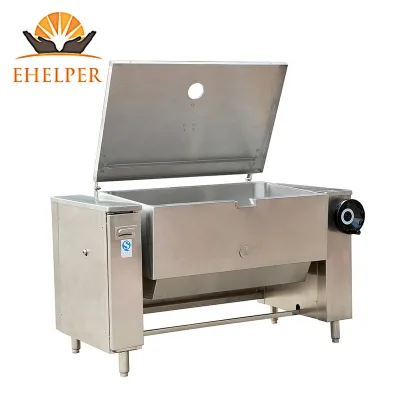
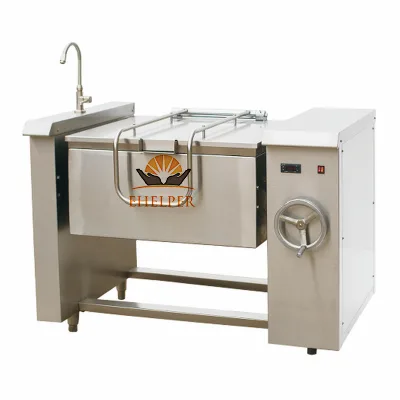
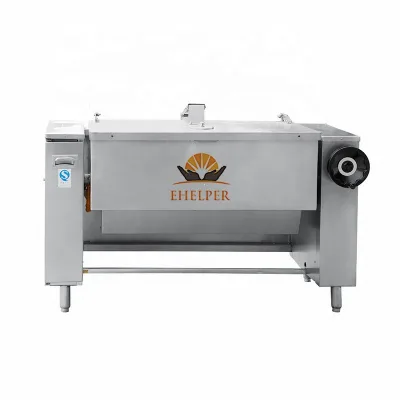
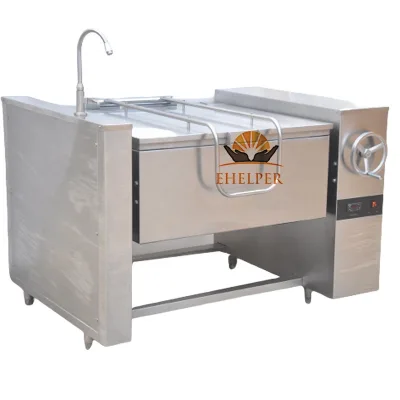
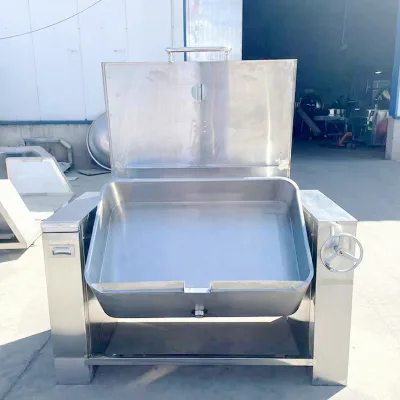


Good Quality Commercial Gas 80L Tilting Boiling/Frying/Braising Pan Factory Price
$1341.00 - $1676.00
MOQ: 1 Pieces


Large Capacity Commercial Gas Tilting Braising Pan Frying Pan/Tilting Bratt Pan for Cooking
$1043.00 - $1060.00
MOQ: 1 Pieces


High-Performance Multi-Function Gas Tilting Frying Pan Tilting Bratt Pan for Commercial Kitchen
$1043.00 - $1060.00
MOQ: 1 Pieces

$1043.00 - $1060.00
MOQ: 1 Pieces
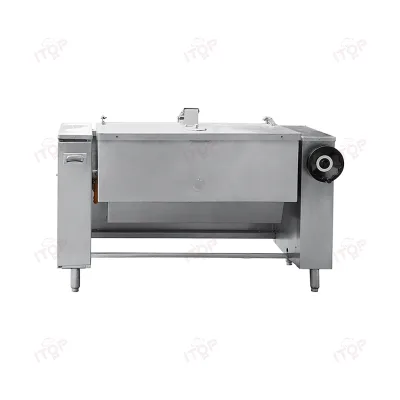
Machine Gas Cuisson Professionnelle Industrial Cooking Braising Pan Tilting Bratt Pan
$1861.57 - $2407.11
MOQ: 1 pieces
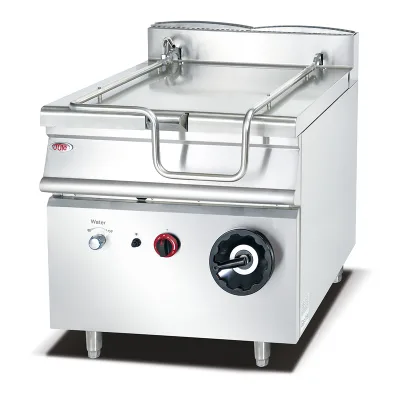
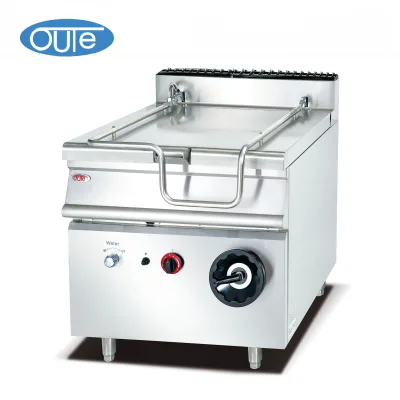


Gas Boiling Pan/Tilting Bratt Pan Electric Tilting Braising Pan for Kitchen
$1200.00 - $2200.00
MOQ: 1 Pieces


Comprehensive Sourcing Guide
Industrial Tilting Gas Bratt Pan Sourcing Guide
Procuring industrial tilting gas bratt pans requires a disciplined approach to verifying mechanical integrity, thermal efficiency, and material compliance. These units serve as critical assets in high-volume food processing environments, offering the versatility to braise, fry, cook, and heat large batches of food with consistent results. The core value proposition lies in the manual tilting mechanism, which facilitates safe and efficient emptying of contents while reducing physical strain on kitchen staff. Buyers must navigate a market where specifications vary significantly between suppliers, particularly regarding capacity, heating elements, and structural dimensions.
This guide synthesizes observed listing signals and trusted category knowledge to help procurement teams make informed decisions. By focusing on verifiable technical parameters and commercial terms, buyers can mitigate risks associated with mismatched equipment or inadequate supplier support. The following sections detail the essential verification steps, from confirming stainless steel grades to understanding warranty structures, ensuring that the selected equipment aligns with operational demands and safety standards.
Product Scope and Observed Listing Signals
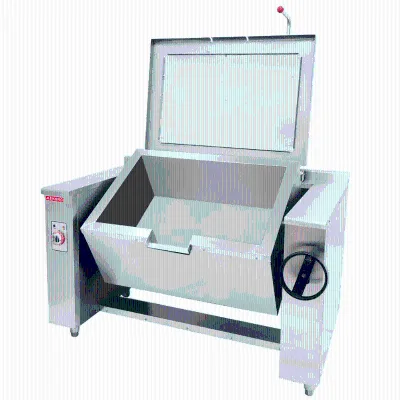
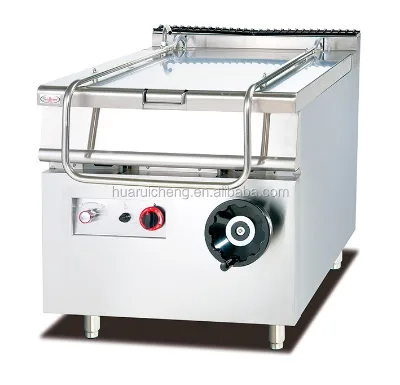
The observed market for industrial tilting bratt pans reveals a diverse range of capacities, typically spanning from 80 liters to 500 liters, with common models including 80L, 150L, and 280L variants. Listings indicate that these machines are designed for processing pasta, noodles, rice, soups, and curries, highlighting their multifunctional utility in commercial kitchens. The physical footprint is substantial, with dimensions often around 1500mm in length, 800mm in width, and 1000mm in height, necessitating careful planning of kitchen layout and utility connections. Weight observations range from 100 kg to 250 kg, reflecting the robust construction required to handle heavy loads and high-temperature operations.
Material composition is a primary differentiator, with many suppliers specifying Stainless Steel 304 or 316 for the pan and body. This grade of steel is essential for resisting corrosion and maintaining hygiene in acidic or salty cooking environments. Some listings highlight specific advantages such as 12mm thick stainless steel pans, which contribute to better heat retention and durability. Buyers should note that while "Stainless Steel" is a common descriptor, the specific alloy grade (304 vs. 316) significantly impacts longevity and compliance with food safety regulations, requiring explicit confirmation during the sourcing process.
Technical Specifications to Verify
Heating systems in these units vary between gas and electric power sources, with some models offering dual-power options. Gas-powered units are often preferred for their rapid heating capabilities and independence from electrical grid constraints, while electric models may offer more precise temperature control. Voltage specifications can range from standard 380V industrial supplies to customized 220-240V configurations, depending on the region and specific kitchen infrastructure. Power ratings, such as 13.5 kW for 150-liter models, indicate the energy intensity required to achieve optimal cooking performance, and buyers must ensure their facility can support these electrical or gas demands.
The tilting mechanism is predominantly manual in the observed listings, relying on mechanical levers or gears to tilt the heavy pan for dispensing. This design choice affects the operational workflow, requiring staff to physically engage the mechanism, which can be mitigated by ergonomic design features. Temperature control ranges are critical, with some units offering adjustable settings from 0°C to 260°C, allowing for a wide variety of cooking techniques. Buyers should verify the accuracy of these controls and the presence of safety interlocks that prevent tilting while the heating elements are active, ensuring both product quality and operator safety.
Compliance and Safety Documentation
Safety and compliance are paramount when sourcing industrial kitchen equipment, particularly for gas-fired appliances. Buyers must request documentation that verifies the equipment meets local gas safety standards and electrical codes, such as CE or RoHS certifications where applicable. Although specific certification statuses may vary by supplier, the presence of a Machinery Test Report is a strong indicator of quality control and performance verification. This report should detail pressure tests, electrical safety checks, and functional performance metrics, providing objective evidence that the unit operates within safe parameters.
Warranty terms provide an additional layer of protection and reflect the manufacturer's confidence in their product. Observed warranty periods range from one to three years, with some suppliers offering full warranty coverage that includes parts and labor. Buyers should scrutinize the warranty type to understand what is covered, such as the heating elements, tilting mechanism, and control panels. A comprehensive warranty reduces long-term operational risks and ensures that any manufacturing defects are addressed promptly, minimizing downtime in the kitchen.
Cost Drivers and Commercial Terms
The price range for industrial tilting bratt pans is broad, typically spanning from $230 to $10,000 USD, driven by factors such as capacity, material grade, and power source. Higher-priced units often feature superior stainless steel grades, more robust construction, and advanced control systems. Minimum Order Quantities (MOQ) are generally low, ranging from 1 to 2 units, making these machines accessible for individual kitchen upgrades or small-scale procurement. Buyers should consider the total cost of ownership, including energy consumption, maintenance requirements, and potential repair costs, rather than focusing solely on the initial purchase price.
Shipping and logistics are significant cost drivers due to the heavy weight and large dimensions of these units. Single gross weights can exceed 240 kg, requiring specialized freight handling and potentially higher shipping costs. Buyers should clarify Incoterms and logistics responsibilities with suppliers to avoid unexpected expenses. Additionally, installation services may be offered or required, with some suppliers highlighting "easy setup" features. Understanding the installation requirements, including utility connections and space clearance, is essential for accurate budgeting and project planning.
Supplier Qualification and Quality Control
Supplier qualification involves verifying the manufacturer's expertise in producing commercial kitchen equipment. Buyers should assess the supplier's production capabilities, quality control processes, and after-sales support infrastructure. The place of origin, often China or specific regions like Hebei, can provide insights into the manufacturing ecosystem and supply chain efficiency. However, buyers should not rely solely on origin but instead request detailed information about the manufacturing process, including material sourcing and assembly standards.
Quality control measures should be explicitly discussed, including pre-shipment inspections and testing protocols. Suppliers that provide machinery test reports demonstrate a commitment to quality assurance, but buyers should also inquire about ongoing quality monitoring and defect resolution processes. Communication with the supplier regarding customization options, such as voltage adjustments or capacity modifications, can reveal their flexibility and technical competence. Establishing a clear line of communication for technical support and spare parts availability is crucial for long-term operational success.
Long-Term Procurement Checks
Long-term procurement success depends on the availability of spare parts and the ease of maintenance. Buyers should verify the availability of critical components such as heating elements, thermostats, and tilting mechanism parts. Suppliers that emphasize easy cleaning and maintenance features reduce the operational burden on kitchen staff and extend the lifespan of the equipment. Regular maintenance schedules should be established, and buyers should ensure that their staff is trained on proper cleaning and operational procedures to prevent premature wear and tear.
Performance monitoring over time is essential to ensure that the equipment continues to meet operational needs. Buyers should track metrics such as heating efficiency, tilting smoothness, and temperature accuracy to identify any degradation in performance. Establishing a relationship with the supplier for periodic maintenance checks or upgrades can help maintain optimal performance. Additionally, staying informed about industry advancements and new models can provide opportunities for future upgrades or replacements, ensuring that the kitchen remains efficient and competitive.
FAQs
What materials are used for the Industrial Tilting Gas Bratt Pan?
The pan is constructed from Stainless Steel 304 or 316 to ensure durability and hygiene. This material choice supports the heating temperature range of 0 to 260 degrees Celsius for various cooking functions.
Which capacities are available for the multifunctional tilting bratt pan?
Available capacities include 80 liters, 150 liters, 200 liters, and 280 liters. Some models also support a broader range from 80 to 500 liters depending on the specific machinery configuration.
How is the tilting mechanism operated on these cooking pans?
The tilting mechanism is operated manually for precise control during food processing. This design allows for easy pouring and cleaning while maintaining stability during the braising and frying processes.
Can the power source be customized for different voltage requirements?
Yes, the power source can be customized to meet specific voltage needs such as 380V or 220-240V. The standard electric power for a 150-liter model is 13.5 kilowatts.
What warranty coverage is provided for the industrial tiltting skillets?
Warranty coverage varies by model, with options ranging from 1 year to 3 years. Some listings specify a full warranty type to ensure long-term reliability for commercial kitchen equipment.
Which functions does the machinery perform in a commercial kitchen?
The machinery performs braising, frying, cooking, heating, and stirring functions. It is suitable for processing pasta, noodles, rice, soup, and curry in a single unit.