Source egg-shaped red light therapy lamp for Home, Therapy, and Wellness
Explore 30 listings for the egg-shaped red light therapy lamp designed for home use, physical therapy, and half-body treatments. Buyers can compare specifications like wattage, lifespan, and customization options to find the right supplier.
Key considerations
Products List






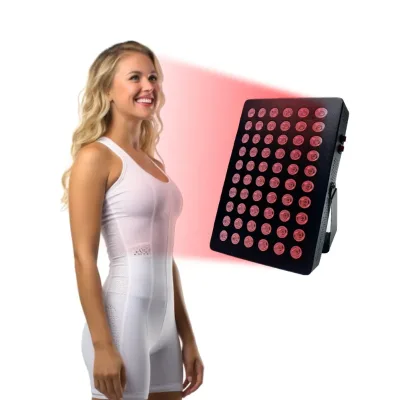


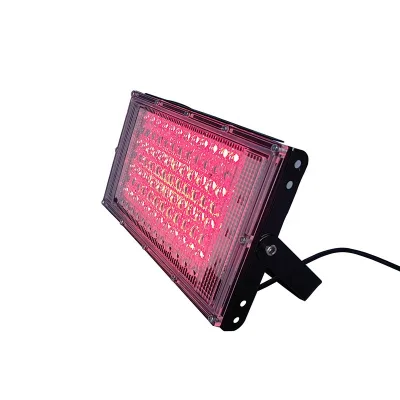


Comprehensive Sourcing Guide
Strategic Sourcing Guide for Egg-Shaped Red Light Therapy Lamps
Understanding the Product Category and Core Specifications
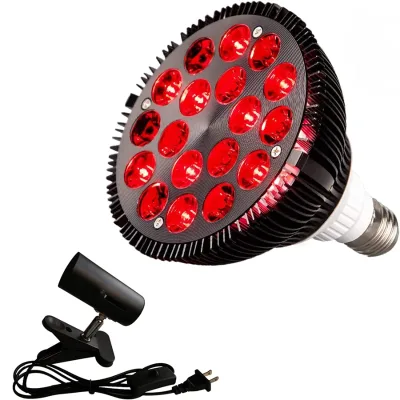
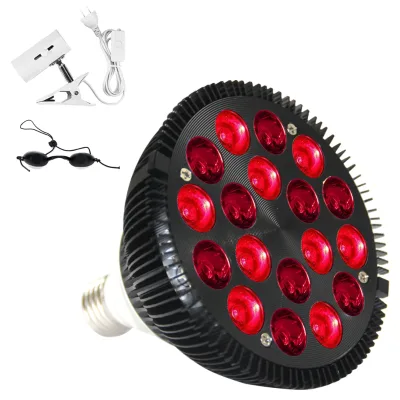
The egg-shaped red light therapy lamp represents a specialized niche within the broader photobiomodulation and physical therapy equipment market. These devices are designed primarily for home use and targeted physical therapy applications, offering a compact form factor that distinguishes them from larger, floor-standing units. When evaluating potential suppliers for this specific product category, buyers must first establish a clear understanding of the technical baseline. The core functionality relies on the emission of specific wavelengths, typically a combination of red and near-infrared light, to facilitate tissue repair and pain management.
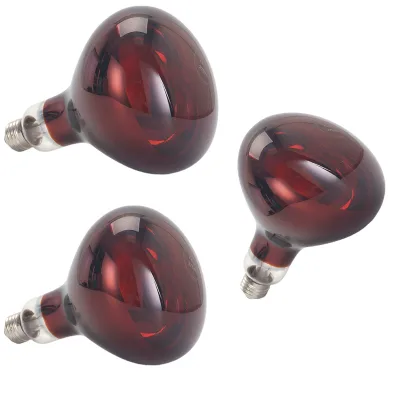
Based on observed market data, the spectral output for these devices often includes a specific ratio of wavelengths, such as 660nm, 850nm, and potentially others like 630nm, 460nm, 590nm, and 830nm. The 660nm wavelength is generally associated with surface-level skin benefits, while the 850nm or 880nm range penetrates deeper into tissues for muscle and joint therapy. The light source itself is frequently an LED configuration, with common power ratings observed around 60W or 54W, utilizing arrays such as 60*5W LEDs. However, it is critical to note that some variations in the market may utilize Halogen bulbs, which operate on different principles and emit significant heat compared to pure LED solutions. Buyers must verify the specific light source technology, as this dictates the thermal output, energy efficiency, and lifespan of the unit.
The physical dimensions of these lamps are a key differentiator. A typical unit may have a product dimension of approximately 25143.5cm, fitting within a portable design that allows for easy transport. The packaging dimensions are often larger, such as 322713cm or 22X18X18cm, to accommodate protective materials. The unit weight is generally low, ranging from 0.25kg to 0.78kg, which supports the "portable" attribute often advertised. The housing material is frequently glass, with surface structures that may be painted red, roasted red, or clear, influencing both the aesthetic appeal and the filtration of the emitted light. The base type is commonly E27 or E26, with some suppliers offering customization options for different regional standards.
Technical Performance and Operational Parameters
When assessing the technical performance of an egg-shaped red light therapy lamp, several operational parameters require rigorous verification. The voltage requirements are a primary consideration for international procurement. While standard units may operate on 220V or 110-240V, customization is often available to meet specific regional grid standards. This flexibility is crucial for buyers sourcing for diverse markets. The power consumption is a significant factor in operational costs and heat generation. Observed wattage figures vary, with some units rated at 60W, others at 54W, and specific configurations citing LED 880nm+660nm combinations.
The lifespan of the light source is another critical technical metric. Discrepancies in reported data exist within the market, with some listings citing a lifespan of 50,000 hours, while others indicate 20,000 hours, 10,000 hours, or even 5,000 hours. This variance often depends on whether the rating refers to the LED array, the bulb, or the entire system under specific operating conditions. Buyers should request detailed test reports or manufacturer datasheets to clarify which component the lifespan figure applies to. Additionally, the Color Rendering Index (CRI) and Color Temperature (CCT) are relevant for user experience. Typical values observed include a CCT of 2700K (Warm White) or general Warm White settings, with a CRI ranging from 60 to 80. A higher CRI ensures better color accuracy, which can be important for clinical settings where visual assessment of skin or tissue is required.
Smart functionality is increasingly becoming a standard feature in modern therapy lamps. Advanced models may offer 5 shortcut modes and 4 channels of individual control, allowing users to tailor the therapy session to specific needs. The beam angle is another technical specification that affects the treatment area. A wide beam angle, typically between 120 and 180 degrees, ensures broad coverage, which is ideal for half-body treatments or general target therapy. The device may also feature an IP rating, such as IP65, indicating a level of protection against dust and water jets, which is beneficial for hygiene in home or clinical environments. However, buyers must confirm if this rating applies to the entire unit or just specific components like the lamp head.
Compliance, Certification, and Safety Standards
Navigating the regulatory landscape for medical and therapeutic devices is a complex but essential part of the sourcing process. While the product is often marketed for home use and physical therapy, it may still fall under medical device regulations depending on the claims made by the manufacturer and the laws of the destination country. Buyers should verify that the supplier can provide documentation for relevant safety certifications. Common standards to look for include IEC 60601-1 for medical electrical equipment, which covers general safety and essential performance. For lighting products, IEC 62471 regarding photobiological safety is highly relevant to ensure the light output does not pose a risk to the eyes or skin.
In the context of the supplied facts, specific certification statuses are not explicitly listed for all products. Therefore, buyers must treat the "certification" attribute as a verification point rather than a guaranteed fact. It is imperative to request copies of test reports from accredited laboratories. These reports should cover electrical safety, electromagnetic compatibility (EMC), and photobiological safety. The origin of the product, often Guangdong, China, is a significant manufacturing hub, but it does not automatically imply compliance with international standards. Buyers should ensure that the supplier has a robust quality management system, such as ISO 9001, and that the specific product batch has undergone necessary testing for the target market.
For products intended for the European market, the CE mark is a mandatory requirement, indicating conformity with health, safety, and environmental protection standards. Similarly, for the United States, compliance with FDA regulations (if marketed as a medical device) or FCC regulations for electromagnetic emissions is necessary. The absence of a specific certification claim in a product listing should not be interpreted as a lack of compliance, but rather as a need for further due diligence. Buyers should explicitly ask suppliers to confirm the certification status for the specific model number, such as the SP200 PRO, and to provide valid certificates that are up to date.
Cost Drivers and Pricing Dynamics
The pricing of egg-shaped red light therapy lamps is influenced by a variety of factors, including the complexity of the light source, the quality of materials, and the level of customization offered. The observed price range in the market is quite broad, spanning from $1.37 to $658. This wide disparity suggests that the market includes both basic, entry-level units and high-end, feature-rich devices. The lower end of the price spectrum likely corresponds to simpler designs with basic LED arrays, standard glass housings, and minimal smart features. Conversely, the higher end may reflect units with advanced control systems, superior build quality, higher CRI, and more comprehensive safety certifications.
The Minimum Order Quantity (MOQ) is another critical cost driver. The observed MOQ range varies from 1 to 60 units. A low MOQ of 1 allows for small-scale testing or sample procurement, which is ideal for buyers validating a new product line. However, higher MOQs, such as 60 units, often unlock better unit pricing and are typical for bulk orders. Buyers should negotiate based on their volume requirements, understanding that larger orders may justify a lower price point but require a higher upfront investment.
Material costs also play a significant role in the final price. The use of glass for the lamp housing and specific LED configurations (e.g., 60*5W) adds to the manufacturing cost compared to plastic alternatives. Customization options, such as changing the base type from E27 to E26, adjusting the voltage, or modifying the surface structure (painted red vs. clear), can also impact the cost. Additionally, the packaging, described as a paper package, contributes to the overall expense, especially if the packaging needs to be customized with branding or specific regulatory labeling. Buyers should request a detailed cost breakdown to understand how much of the price is attributed to the core components versus logistics and packaging.
Typical Applications and Use Cases
The primary application for egg-shaped red light therapy lamps is physical therapy, specifically for target therapy or half-body treatment. These devices are designed to deliver therapeutic light to specific areas of the body, making them suitable for treating muscle pain, joint stiffness, and soft tissue injuries. The "Home" application attribute indicates that these lamps are user-friendly and safe for non-professional use, allowing individuals to perform self-administered therapy in a domestic setting. The portable nature of the device further enhances its utility, enabling users to move the lamp to different rooms or even travel with it.
In a clinical or professional setting, these lamps can be used by physiotherapists to treat patients. The specific wavelength combination, such as 660nm and 850nm, is chosen for its ability to penetrate tissue and stimulate cellular activity. The "Lighting solutions service" attribute suggests that suppliers may offer tailored solutions for specific therapeutic protocols. The beam angle of 120-180 degrees ensures that the light covers a sufficient area for effective treatment without requiring the user to reposition the lamp frequently.
The versatility of the device is further highlighted by its customization options. For instance, the ability to customize the voltage allows the lamp to be used in different countries without the need for a transformer. The "Smart Functions" such as 5 shortcut modes and 4 channels of individual control allow for precise adjustment of the therapy intensity and duration, catering to the specific needs of different patients or conditions. This adaptability makes the egg-shaped red light therapy lamp a valuable tool in both home wellness routines and professional rehabilitation centers.
Supplier Evaluation and Quality Control Protocols
Selecting the right supplier is paramount to ensuring the quality and reliability of the egg-shaped red light therapy lamps. Buyers should prioritize suppliers who demonstrate transparency in their manufacturing processes and provide clear documentation of their product specifications. The "Brand Name" and "Product Name" are important identifiers, but buyers should also verify the supplier's reputation and history in the industry. Checking for consistent product attributes, such as the "Product Weight" and "Dimensions," across different batches can help identify reliable manufacturers.
Quality control protocols should be a key part of the supplier evaluation process. Buyers should inquire about the supplier's internal quality assurance measures, including incoming material inspection, in-process testing, and final product verification. Specific attention should be paid to the consistency of the light output, the durability of the glass housing, and the reliability of the electrical components. The "Warranty" period, which may be listed as 5000h or 5 years, is an indicator of the supplier's confidence in their product. However, buyers should clarify the terms of the warranty, including what is covered and the process for claims.
Testing the product before mass ordering is a recommended strategy. Buyers should request samples to verify the actual performance against the claimed specifications. This includes checking the wavelength accuracy, the power consumption, and the functionality of the smart features. The "Single gross weight" and "Single package size" should also be verified to ensure accurate logistics planning. By conducting thorough due diligence and maintaining open communication with the supplier, buyers can mitigate risks and ensure a successful procurement experience.
Long-Term Procurement and Supply Chain Considerations
Sourcing egg-shaped red light therapy lamps is not just a one-time transaction but a long-term relationship that requires careful planning. Buyers should consider the scalability of the supply chain and the supplier's ability to meet future demand. The "Customization" attribute suggests that suppliers are willing to adapt products to specific needs, which is beneficial for long-term partnerships. However, buyers should ensure that the customization process is efficient and does not significantly impact lead times.
Lead times are a critical factor in supply chain management. While specific lead times are not provided in the supplied facts, buyers should negotiate clear timelines for production and delivery. Delays in production can disrupt business operations, so it is essential to have contingency plans in place. The "Place of Origin" being Guangdong, China, indicates a well-established manufacturing ecosystem, but buyers should be aware of potential logistical challenges, such as shipping delays or customs issues.
Inventory management is another consideration. The "Selling Units" being a single item suggests that the product is sold individually, which may require careful stock planning. Buyers should assess their sales forecasts and order quantities to avoid stockouts or overstocking. The "Product Packing" being a paper package is an environmentally friendly option, but buyers should ensure that the packaging is robust enough to protect the product during transit. By focusing on long-term supply chain resilience and maintaining strong relationships with suppliers, buyers can ensure a steady flow of high-quality egg-shaped red light therapy lamps for their customers.
FAQs
What is the typical lifespan of the LED light source?
The LED light source typically offers a lifespan of 50,000 hours. Some variations in the market may cite lower figures like 20,000 or 10,000 hours depending on the specific component rating, so verify the datasheet for the exact model.
Can the voltage be customized for different regions?
Yes, the voltage can be customized to meet regional standards such as 110V or 220V. Standard units often support a range of 110-240V, but buyers should confirm specific customization options with the supplier before ordering.
Which wavelengths are emitted by the red light therapy lamp?
The lamp emits a specific ratio of wavelengths including 660nm, 850nm, and others like 630nm, 460nm, 590nm, and 830nm. This combination targets both surface skin benefits and deeper tissue therapy for physical rehabilitation.
How portable is the egg-shaped red light therapy lamp?
The device is designed to be portable with a product weight ranging from 0.25kg to 0.78kg. Its compact dimensions of approximately 25*14*3.5cm allow for easy transport and use in home or clinical settings.
What smart functions are available on the device?
Advanced models feature 5 shortcut modes and 4 channels of individual control for tailored therapy. These smart functions allow users to adjust settings precisely to meet specific treatment needs without complex manual configurations.
Is the lamp suitable for half-body treatment applications?
Yes, the lamp is best suited for target therapy or half-body treatment applications. The wide beam angle of 120-180 degrees ensures broad coverage, making it effective for treating larger areas of the body efficiently.